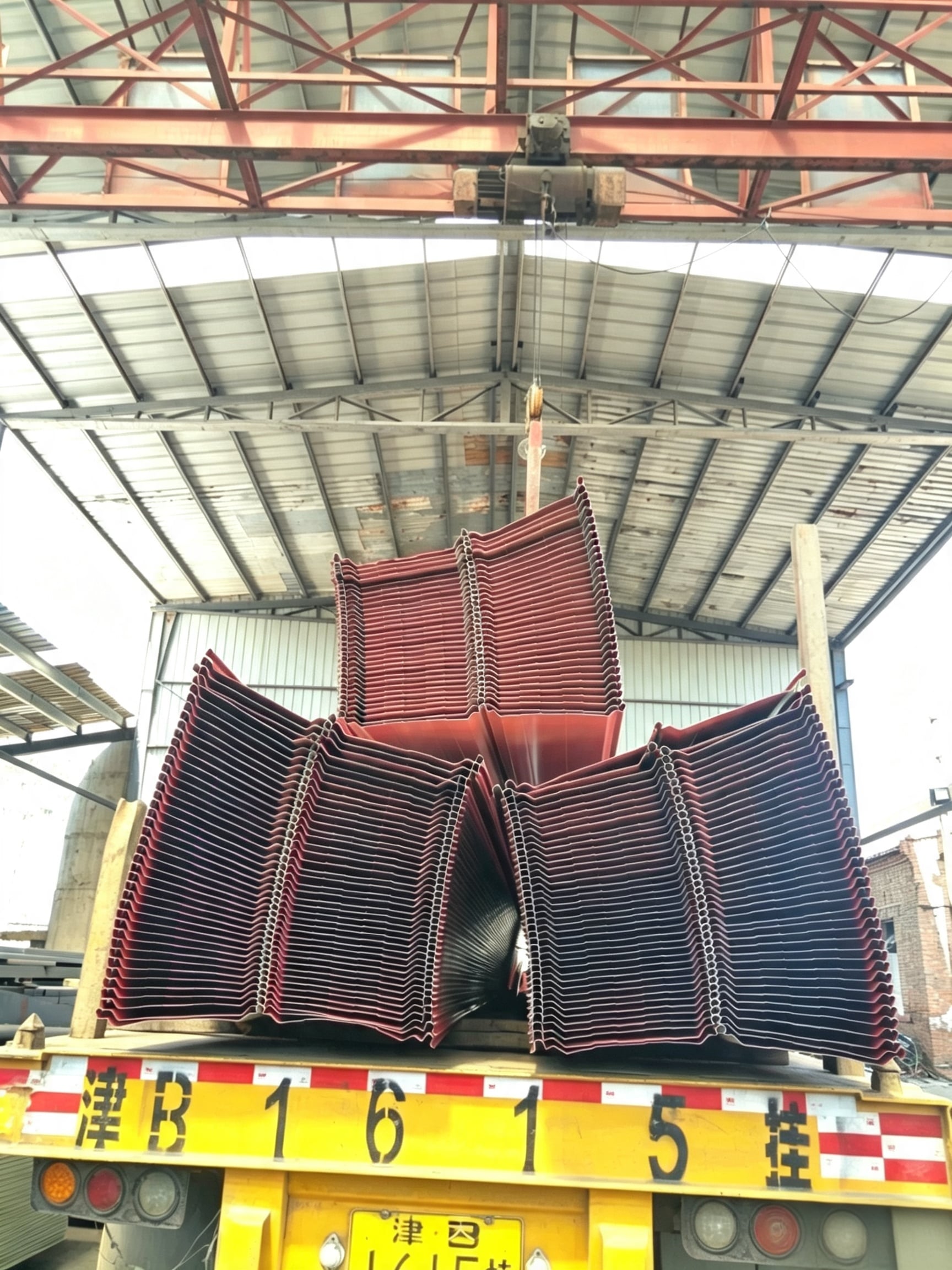
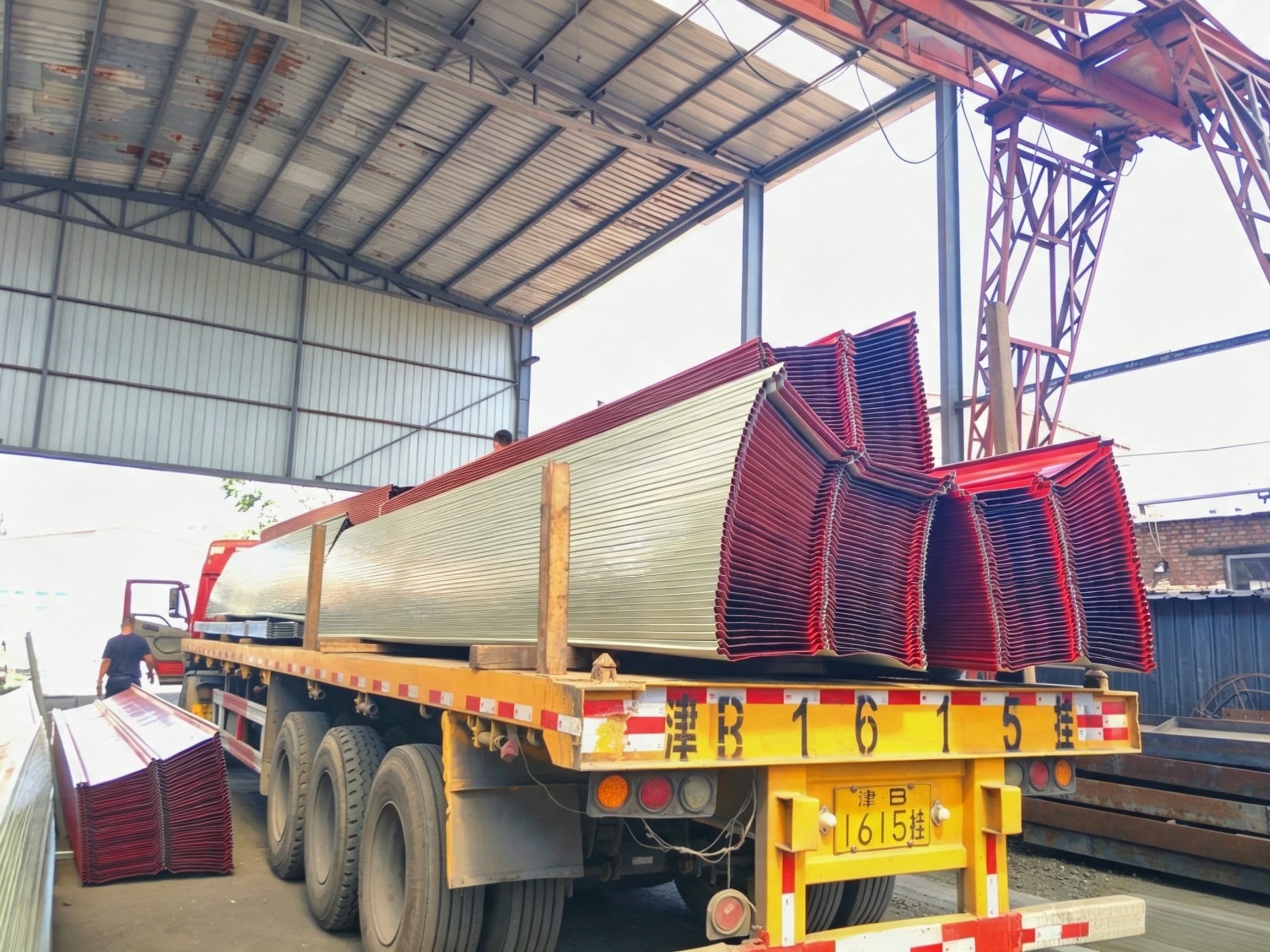
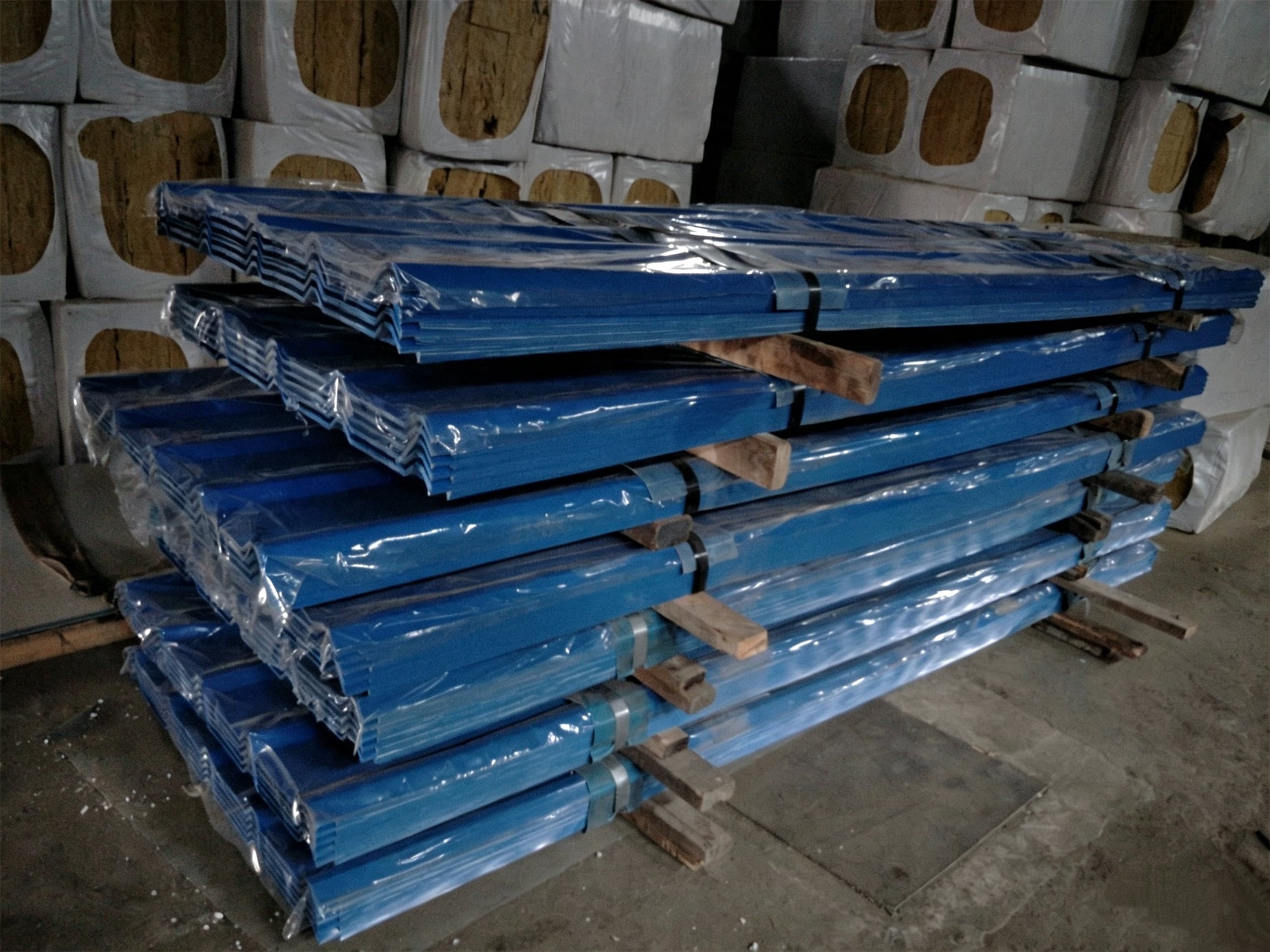
Iron Roofing Sheets: Key Benefits & Specifications

application/iron-roofing-sheets, application/iron-roofing-sheets, 
Inquiry
Inquiry

iron roofing sheets

Iron  roofing sheets  are a vital  component  in  modern construction, offering durability, weather resistance,  and aesthetic appeal. Commonly used in both commercial and residential  projects,  these sheets are an excellent choice for roofing solutions due to their  strength and  versatility. For purchasing managers,  distributors, and contractors, understanding  the benefits, specifications, and  best  practices surrounding iron roofing sheets is  essential for  making informed  decisions.  This article will guide you through the key considerations for  sourcing iron roofing sheets, helping you navigate  the selection process and ensure successful project outcomes.

Why choose Xingyuanxing iron roofing sheets

Our Products

Benefits for Distributors and Contractors

Iron roofing sheets provide numerous  advantages that make them appealing to both distributors and contractors. Firstly, their durability ensures a longer lifespan, reducing the need  for frequent replacements. This characteristic not only  supports sustainability  efforts  but also  minimizes long-term costs associated with maintenance  and repairs. Additionally, using high-quality materials, such as Galvanized Several-Shaped Steel Profiles 50*70mm For Greenhouse Frames, can enhance the durability of roofing systems.

Moreover,  iron  roofing sheets  are lightweight yet strong,  allowing for  easier handling and installation. This can  lead to significant  time savings on-site,  which is a critical factor  for contractors working under tight deadlines. Additionally, their resistance to harsh weather conditions, including rain, snow, and UV exposure, makes them suitable for various climates, further enhancing their marketability.

From a distributor’s perspective,  the demand for iron roofing sheets continues to grow as more  builders seek reliable and cost-effective roofing solutions. This presents a profitable opportunity to  stock and supply these  materials, especially in regions experiencing construction booms.

Frequently Asked Questions

Our Blog Posts

What Our Partners Say

Key Specifications to Evaluate When Sourcing Iron Roofing Sheets

Key Specifications to Evaluate When Sourcing Iron Roofing Sheets

When sourcing iron roofing sheets, several key specifications must be evaluated to ensure that the product meets the intended  application requirements:

Material Composition: The type of  iron  used (such as  galvanized or pre-painted) affects  corrosion resistance and overall durability. Galvanized steel, for  instance, has a protective zinc coating that enhances its lifespan.

Thickness: The  thickness of  the  sheets will influence their  strength and  weight-bearing capacity.  It’s important to match  the  thickness  to the specific load requirements of the building.

Dimensions: Standard sizes vary, and it's essential to confirm dimensions that align with  project specifications to avoid installation issues.

Finish Type: The surface treatment can impact not only aesthetic appeal but also the longevity of the sheets. Options like powder coating can provide additional protection against weathering.

Load Capacity: Understanding the load requirements for roofing applications is crucial. Buyers should consult with manufacturers to determine the appropriate specifications based on the anticipated load, including snow and wind resistance. For example, using materials such as Hot-Dip Galvanized I-beam Profiles 10# For Humid Industrial Workshops can significantly improve load-bearing capabilities.

By carefully evaluating these specifications, buyers can  ensure that the iron roofing sheets sourced will perform effectively and meet the specific needs of each project.

Cost Factors to Consider When Purchasing Iron Roofing Sheets in Bulk

Cost Factors to Consider When Purchasing Iron Roofing Sheets in Bulk

Pricing for iron roofing sheets can vary significantly based on several factors. Buyers should consider the following when calculating  costs:

Material Costs: The price of raw materials fluctuates  based on market demand and availability. Factors  such as  global steel prices can  directly affect costs.

Order Quantity: Bulk purchases  often come with discounts,  making it cost-effective for contractors and distributors. However,  determining the right minimum order quantity (MOQ) is essential to balance storage costs with savings.

Customization Needs: Custom dimensions, colors, or finishes may incur additional  costs. Buyers should weigh the benefits of customization against  their budget constraints.

Shipping and Handling:  Transportation costs can add a significant amount to the  total price. Understanding shipping logistics can help buyers minimize expenses,  especially for large orders.

Lead  Time: Faster  delivery may come at a premium. Buyers should evaluate the project timeline to determine if a longer  lead time can be  accommodated to save costs.

By considering  these cost factors, buyers  can negotiate better pricing and plan their budgets more effectively.

Best Practices

Best Practices

To ensure a successful procurement process for  iron roofing sheets, buyers  should adhere to several best practices:

Request  Samples:  Before  making a large  order, it’s advisable to request samples to evaluate the quality and performance  of the sheets. Assessing the samples under actual conditions can reveal potential issues before mass production.

Verify Supplier Credentials: Ensure that the  supplier has a solid reputation in the industry. Checking for certifications and customer testimonials can provide insights  into their reliability and product  quality.

Discuss Quality Control: Inquire about the supplier’s quality  control processes.  Understanding  how they assess material quality and adherence to specifications can help mitigate risks.

Confirm Specifications in Writing:  Ensure that all agreed specifications, including dimensions,  materials,  and finishes, are documented in the purchase agreement. This minimizes the risk of discrepancies during production.

Plan for Installation: Consider the installation process when ordering. Provide your installation team with the necessary information regarding the product specifications and  handling requirements  to  ensure a smooth installation process.

By implementing these best practices, buyers can enhance their procurement efficiency and product satisfaction.

Applications of Iron Roofing Sheets in Various Construction Projects

Iron roofing sheets are adaptable to a wide range of construction projects, making them a versatile choice for various applications:

Residential Buildings: Homeowners  often  opt for iron  roofing due to its durability and aesthetic flexibility. It can complement various architectural styles, from modern to traditional.

Commercial Structures: Many businesses utilize iron roofing sheets for warehouses, factories, and retail spaces, benefiting from their strength and low maintenance needs.

Agricultural Facilities: Iron sheets are commonly  used in barns and storage  sheds. Their resistance to moisture and pests makes  them ideal for protecting agricultural equipment and products.

Industrial Applications: Factories and manufacturing plants often require robust  roofing solutions. Iron sheets can withstand heavy loads and harsh working environments.

Infrastructure Projects: Public buildings, such as schools  and hospitals, frequently use iron roofing for  its fire resistance and longevity, ensuring  safety and reliability for the community.

By understanding  the various applications of iron roofing sheets, buyers  can better  align their sourcing decisions with the specific needs of their projects.

In  summary, sourcing iron roofing sheets involves careful consideration of specifications, cost factors, and best practices to ensure successful  project outcomes. By following the outlined guidance,  purchasing managers and contractors can  make informed decisions  that align with their project requirements  and budget  constraints.