Choosing Quality Steel Roofing Sheets for Your Project

application/steel-roofing-sheets, application/steel-roofing-sheets, 
Inquiry
Inquiry

steel roofing sheets

Steel  roofing  sheets are essential  components in various construction projects, providing durability, weather resistance, and  aesthetic appeal. As  a  purchasing  manager or project engineer, understanding the different types of steel roofing sheets,  their specifications, and  the factors that  influence purchasing decisions is  crucial for ensuring the success  of  your project.  This article will  guide you through  essential considerations when selecting steel roofing sheets, sourcing suppliers, evaluating  quality, overcoming common  challenges, and exploring their applications across  industries.


Why choose Xingyuanxing steel roofing sheets

Our Products

What to Consider When Choosing Steel Roofing Sheets for Your Projec

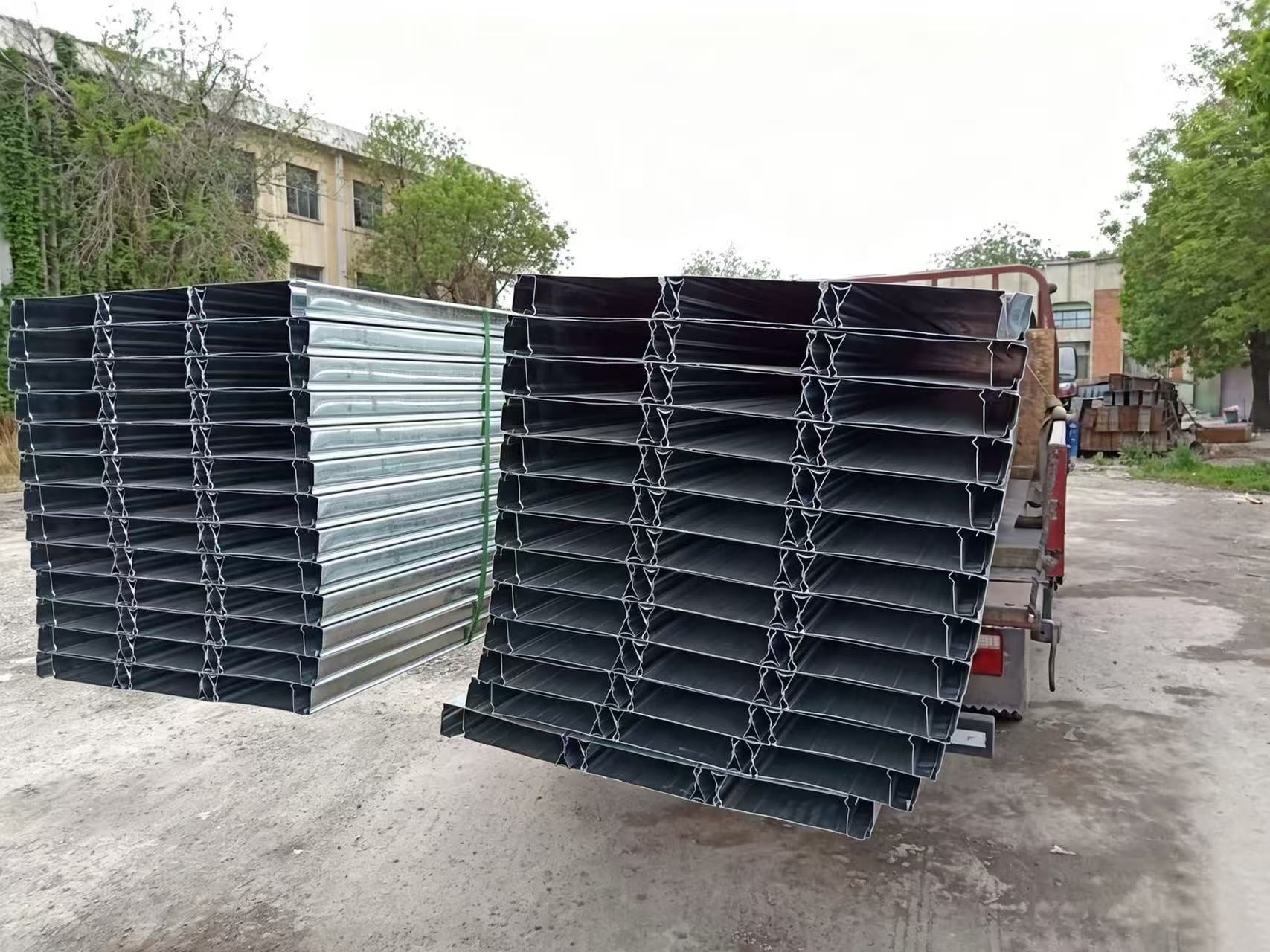
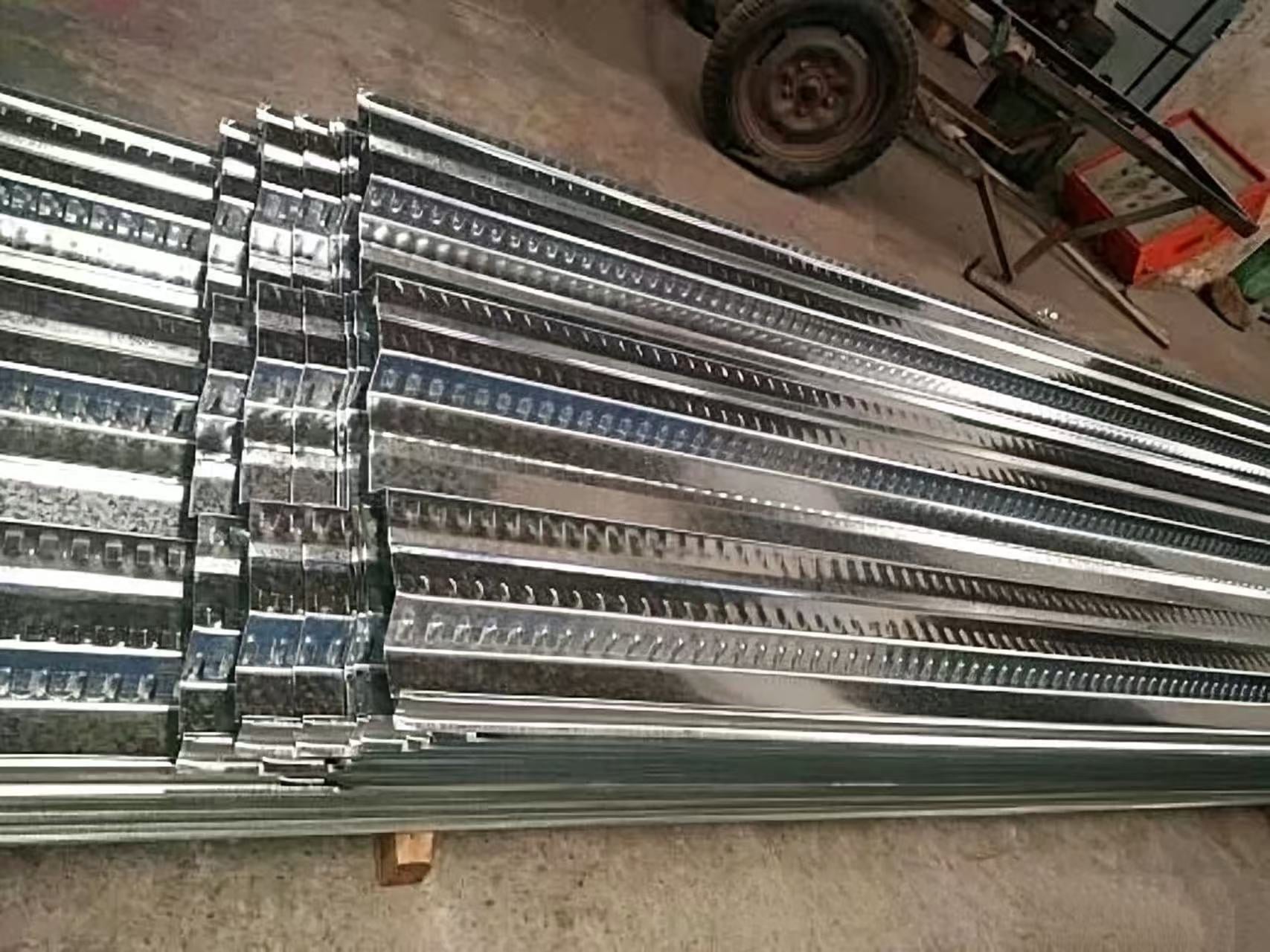
Selecting the  appropriate steel roofing sheets involves  considering  several key factors, including material type, thickness, and coating options. Steel  roofing sheets are typically available in galvanized, pre-painted, or color-coated finishes, each offering different levels of  protection  and aesthetic  appeal.

Material Selection: Galvanized steel is coated with zinc to prevent corrosion, making it suitable for environments with high moisture  or chemical exposure. Pre-painted sheets  offer a variety of colors and finishes, providing both protection and  aesthetic value. Consider also the Secondary steel structure options that can complement your roofing choice.

Thickness: The thickness of the steel  sheet affects its durability and load-bearing capacity. Common thicknesses range from 0.3  mm to 1.2 mm, with thicker  sheets generally offering better performance in harsh conditions.

Profile  and Design: Steel roofing sheets  come in various profiles, such as corrugated, trapezoidal, or standing seam. The choice of profile will depend on factors such as the architectural design  of the building, expected load conditions, and local weather patterns.

When selecting roofing sheets, consider  the specific requirements of your project, including local building  codes,  environmental conditions, and the desired lifespan of the roofing material.

Frequently Asked Questions

Our Blog Posts

What Our Partners Say

Key Specifications for Quality Steel Roofing Sheets in Bulk Orders

Key Specifications for Quality Steel Roofing Sheets in Bulk Orders

Finding a dependable supplier for steel roofing sheets is crucial  for ensuring the success of your project. Start by identifying manufacturers with a proven track record in the industry. Look  for companies that specialize in  steel structure engineering, fabrication, and installation, as these suppliers often have a comprehensive understanding of quality requirements  and production capabilities.

Check References and Certifications:  Verify the supplier’s reputation by checking customer references and any  applicable certifications. Manufacturers  with ISO  certifications or other quality  management systems demonstrate a commitment to maintaining high standards throughout the production  process.

Request Samples: Before placing  a bulk  order, request samples  of the steel roofing  sheets. This allows you to evaluate the material’s quality,  finish, and overall  suitability for your project.

Evaluate Lead Times and Minimum Order Quantities (MOQ): Discuss lead times and  MOQs with  potential suppliers to  ensure they can meet your project timelines and budget constraints. A reliable supplier will be transparent about their  production capacity and delivery schedules.

Cost Factors to Consider for Steel Roofing Sheets in Large Quantities

Cost Factors to Consider for Steel Roofing Sheets in Large Quantities

Quality assurance is a  critical aspect  of purchasing steel roofing sheets. The following factors should be assessed during  your evaluation:


Material Properties:  Verify the chemical composition  and  mechanical properties of the  steel, including yield strength and tensile strength. These properties influence the sheet's performance under load and its resistance to environmental factors.

Coating Quality: The effectiveness of the protective coating is vital for longevity. Assess  the thickness and uniformity of the  coating to ensure it meets industry standards. For instance, a galvanized coating should adhere well and not show signs of corrosion.

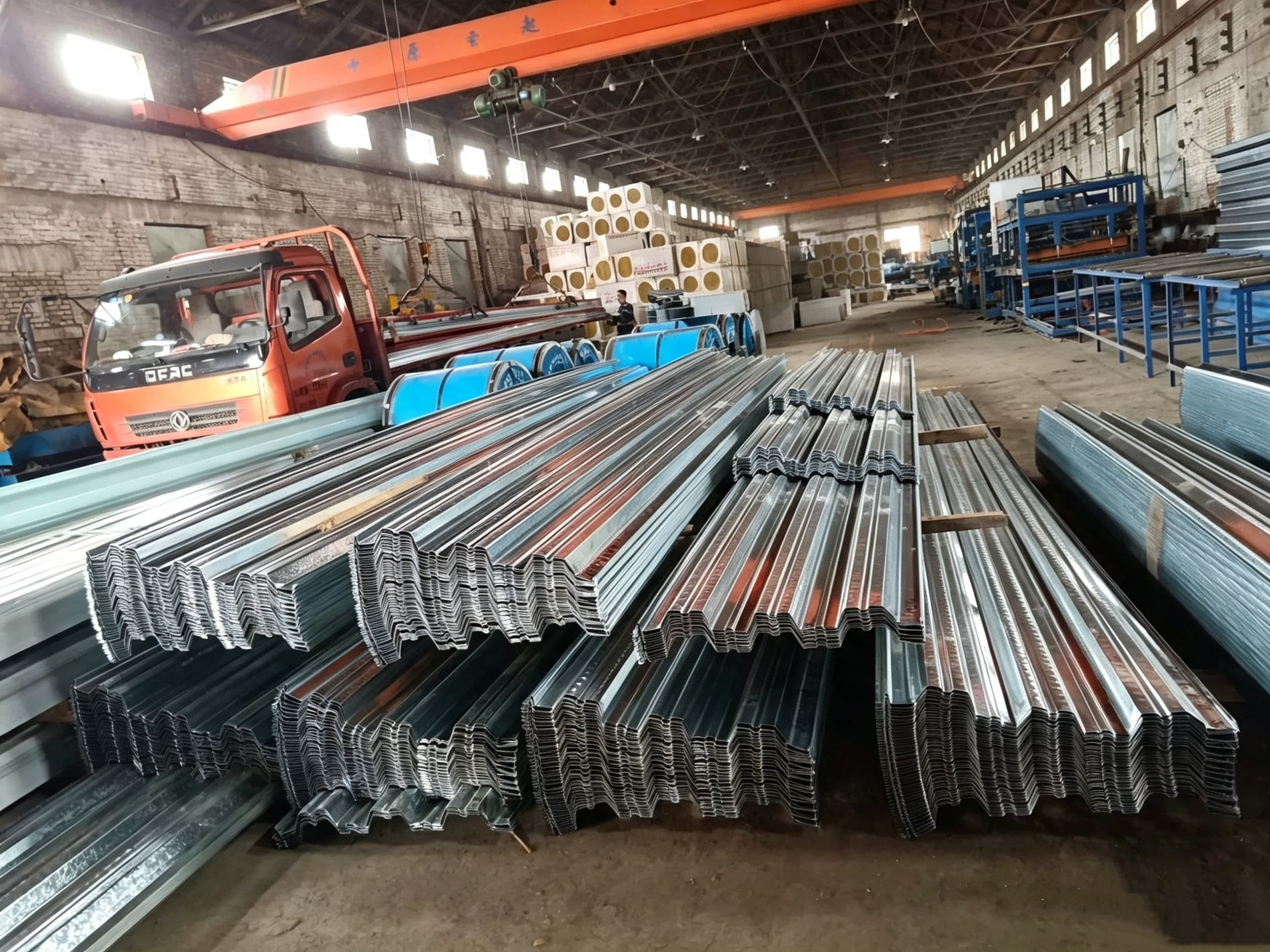
Manufacturing  Process:  Understanding the manufacturing process can provide insights  into the quality of the roofing sheets. Look for suppliers who employ advanced production techniques and quality control measures,  such as automated cutting and precision forming.

Testing and Certifications: Inquire about any testing conducted on the  roofing sheets, such as  impact resistance,  weathering tests, and corrosion  resistance.  Certifications from recognized testing bodies can provide additional assurance of  quality.

Common Installation Issues with Steel Roofing Sheets and Solutions

Common Installation Issues with Steel Roofing Sheets and Solutions

While steel roofing sheets  are highly  durable, buyers may encounter several common challenges:

Corrosion: Corrosion can be  a significant issue,  especially in coastal areas. To mitigate this  risk,  choose galvanized  or pre-painted sheets designed for improved corrosion resistance.

Installation  Issues: Poor installation can lead to  leaks and structural problems.  Ensure that  your installation team is experienced and  follows best practices for securing roofing sheets, including proper sealing and  flashing techniques.

Warping  and Buckling: Extreme temperature fluctuations can cause steel sheets to warp or buckle. To minimize this risk, opt  for  sheets with thermal  expansion considerations and ensure proper ventilation in the roofing system.

By proactively addressing these challenges,  you can enhance the performance and  longevity of your steel roofing sheets.


Material Advantages of Steel Roofing Sheets in Various Applications

Steel roofing sheets are versatile  materials used  across multiple sectors, including:


Construction and  Architecture: In residential, commercial, and  industrial buildings, steel roofing sheets  provide a durable and aesthetically pleasing option. Their lightweight nature allows for efficient installation and structural support.

Agriculture: Steel roofing is popular in agricultural buildings, such  as barns and storage facilities, due to its durability and  resistance to harsh weather conditions. The ability to customize colors and profiles also  enhances visual appeal.

Manufacturing and Warehousing: Industrial facilities benefit from the robustness of steel roofing sheets, which can withstand heavy loads and provide excellent insulation when paired with the right materials.

Infrastructure Projects: Steel  roofing sheets are commonly used in  infrastructure projects,  such as bridges and tunnels, where strength and longevity  are paramount.

Understanding the diverse applications of steel  roofing sheets can help you make informed decisions tailored to the specific  needs of your  industry and project.

In summary, selecting the right steel roofing sheets involves  careful consideration of material properties,  supplier reliability, quality evaluation, and a proactive approach to common challenges. By applying these  insights, you can enhance the success of your project and ensure that your roofing solutions meet  the highest standards of performance and durability.