High-Quality Galvanized Steel Roofing Solutions

application/galvanized-steel-roofing, application/galvanized-steel-roofing, 
Inquiry
Inquiry

galvanized steel roofing

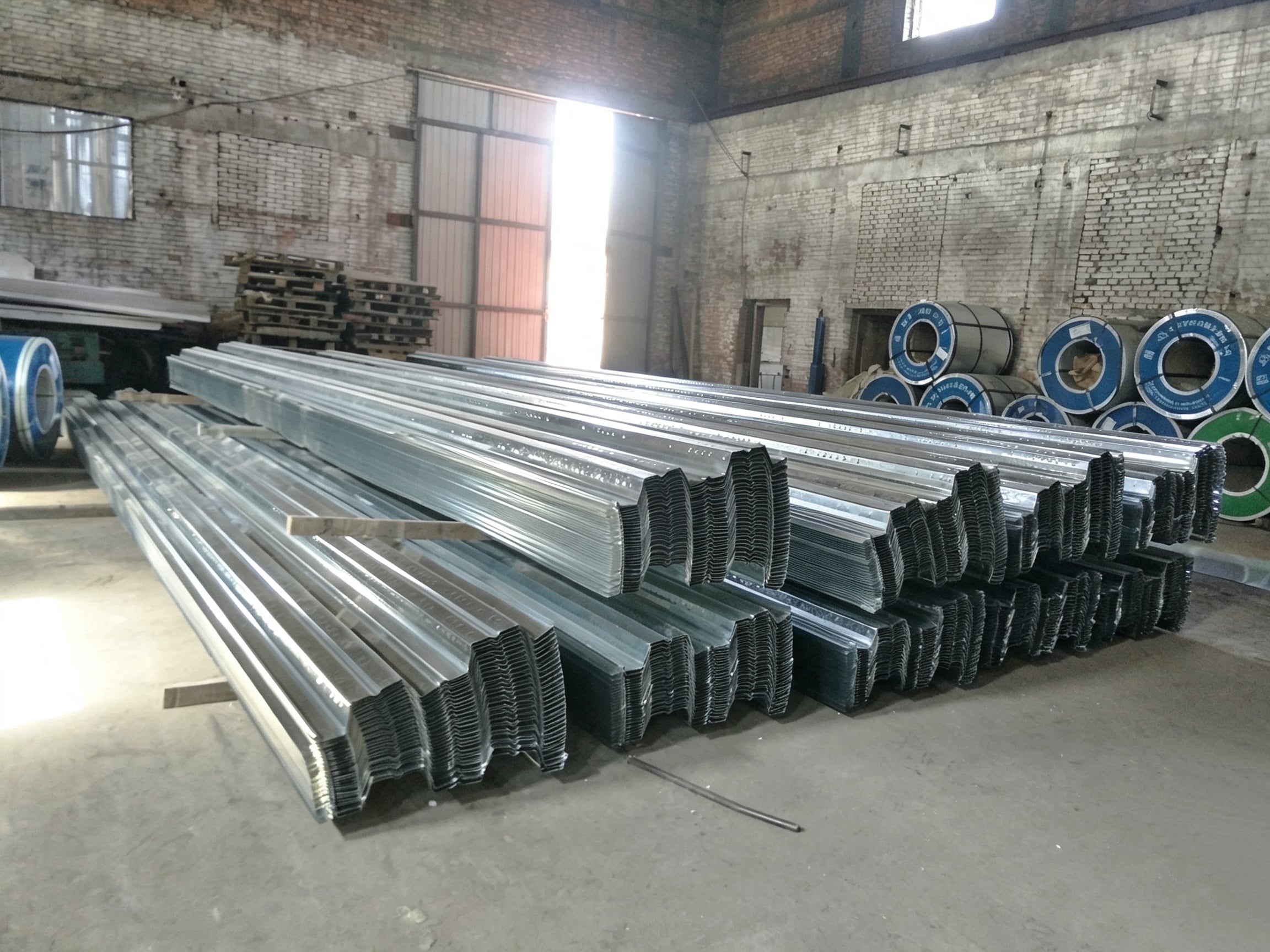
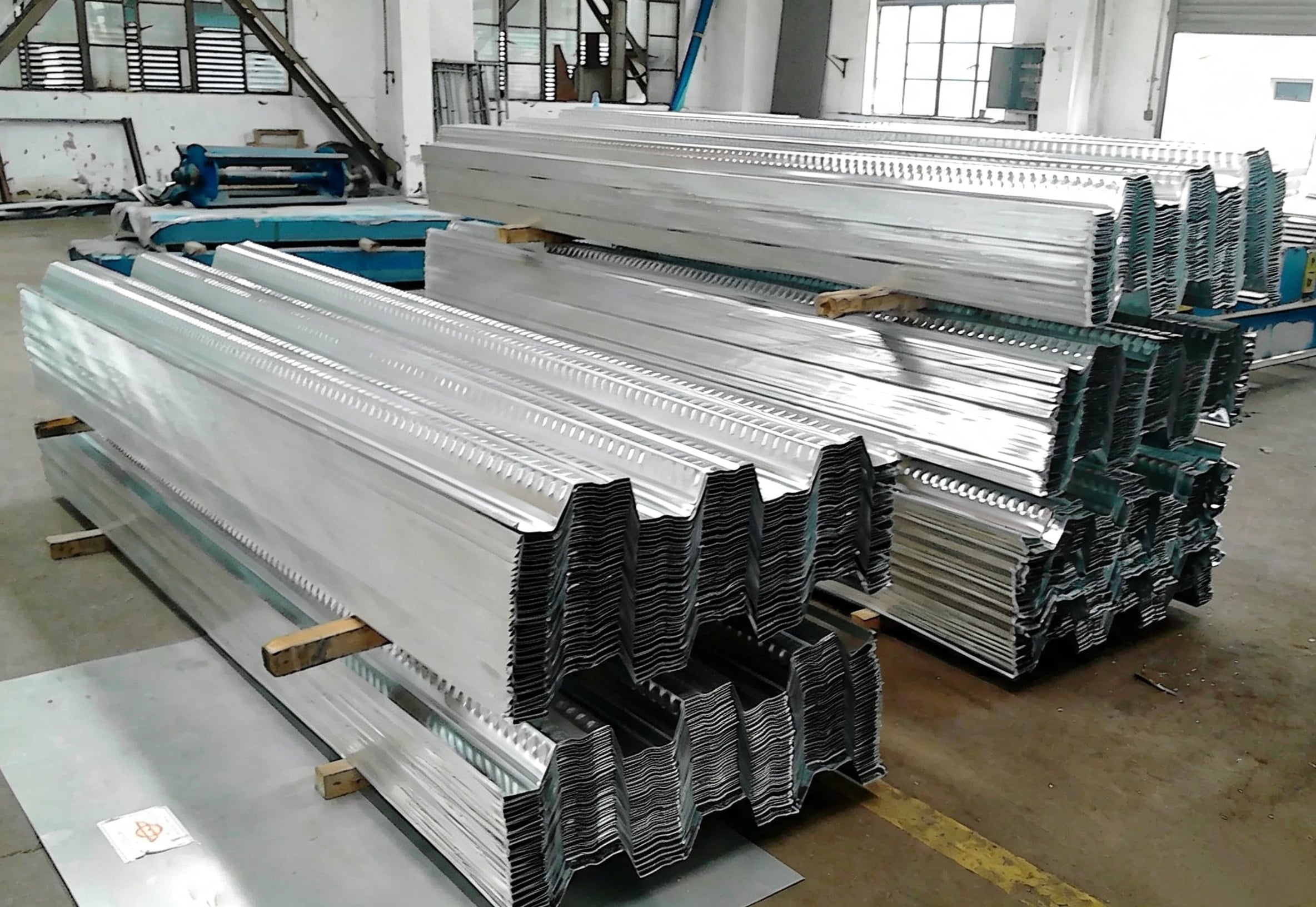
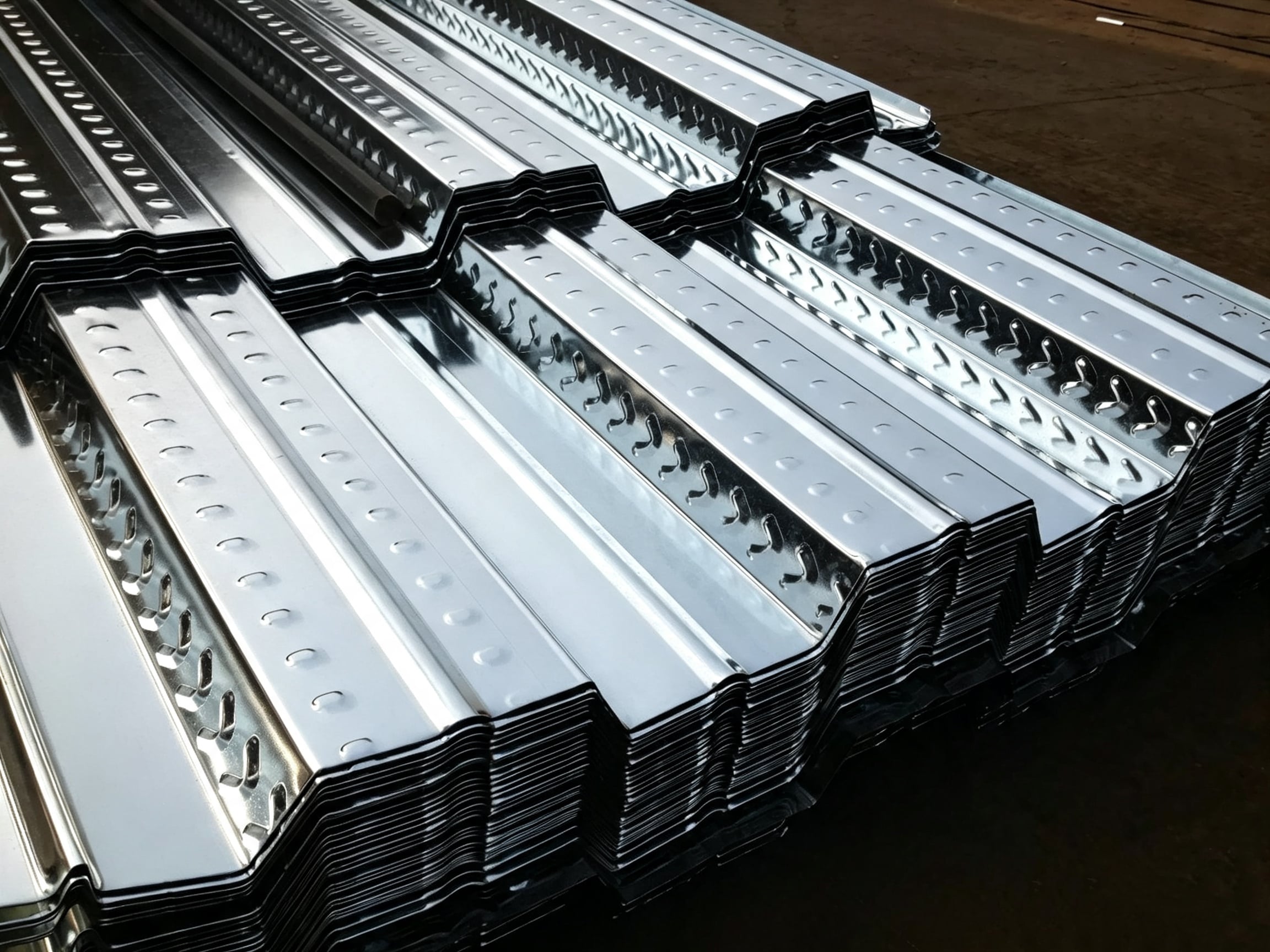
Galvanized steel  roofing  is a  highly durable  and  versatile roofing solution that combines steel's strength with a  protective zinc  coating. This product is widely used in both commercial and  industrial applications due to its resistance  to  corrosion, long lifespan, and aesthetic  appeal. For purchasing managers,  distributors, and  engineers, understanding the key specifications, cost factors, installation guidance,  common issues, and bulk  order  options is crucial for making informed decisions. This article will demystify  galvanized steel roofing and provide  practical insights to help you  navigate the purchasing process.


Why choose Xingyuanxing galvanized steel roofing

Our Products

Key Specifications for High-Quality Galvanized Steel Roofing

When evaluating galvanized steel roofing, several key specifications must be considered to  ensure the product meets your project requirements:

Thickness: The thickness of the  steel sheet affects durability and load-bearing capacity. Common thicknesses range from  0.4mm  to 0.7mm, but thicker options may be necessary for high-stress environments. Thicker sheets can withstand impacts and harsh weather conditions more effectively.

Zinc Coating Weight: Measured in grams per square meter  (GSM), the zinc coating protects the steel from corrosion. A higher GSM indicates better protection, particularly  in humid or coastal environments where corrosion is accelerated.  Typically, a coating of at least 275 GSM is recommended for robust applications.

Dimensions: Standard sheet sizes vary, with widths often ranging from 600mm to 1,200mm  and  lengths customizable based on  project needs. Accurate dimensions are crucial for ensuring proper  fit during installation.

Surface Treatment: Some galvanized steel roofing options come with additional coatings, such as  polyester or PVDF, which enhance aesthetic appeal and further improve corrosion  resistance. These treatments can also affect the roofing's reflective properties, helping to manage heat absorption.

Certification and Compliance: Ensure that the product  complies  with relevant industry standards  and  certifications, which may vary by region.  This can include compliance with ISO standards or local building codes.

These specifications directly impact the performance and longevity of  galvanized steel roofing. Buyers should verify these details with their suppliers to ensure  alignment with their specific project requirements.

Frequently Asked Questions

Our Blog Posts

What Our Partners Say

Cost Factors to Consider When Purchasing Galvanized Steel Roofing

Cost Factors to Consider When Purchasing Galvanized Steel Roofing

The cost of galvanized steel roofing is influenced by various factors that buyers should carefully  consider:

Material Costs: The price of  raw materials fluctuates based on market conditions. Prices can be  affected by the availability of steel and zinc, which can change due to geopolitical factors or  supply chain disruptions.

Thickness and Coating Weight: As  previously mentioned, thicker  sheets and higher zinc coatings generally lead to increased costs. Buyers must balance the need for durability with budget constraints.

Custom Sizes and Designs: Customization often incurs additional costs. If standard sizes  do not meet your project's needs, expect to pay a premium for tailored dimensions or specialized finishes. For instance, you might want to consider Galvanized Several-Shaped Steel Profiles 50*70mm For Greenhouse Frames for specific applications.

Volume Discounts: Purchasing in bulk  can significantly reduce costs.  Suppliers often provide tiered  pricing based on order quantities, so it's beneficial to assess your needs and negotiate accordingly.

Shipping and Handling:  Consider the logistics  of transporting galvanized steel roofing. Shipping costs can vary based on distance, weight, and whether special  handling  is required due to  the product's dimensions.

Understanding these  cost factors allows buyers  to make informed decisions and  budget  effectively for their  projects.

Installation Guidance for Galvanized Steel Roofing Systems

Installation Guidance for Galvanized Steel Roofing Systems

Proper installation is essential to ensure that  galvanized steel roofing performs  as intended. Here are critical steps and considerations for  a successful installation:

Surface Preparation: Before installation, ensure that the roof structure is clean, dry, and free  from debris.  Any existing  roofing materials should  be properly removed to avoid  complications.

Fastening Techniques: Use corrosion-resistant fasteners designed for steel roofing.  Proper spacing and installation techniques, such  as using  clips or screws, will help prevent leaks and ensure structural integrity.

Sealing and Waterproofing: Apply appropriate sealants in overlaps and joints to prevent water infiltration.  Proper waterproofing measures are vital, particularly in regions prone to heavy rainfall.

Ventilation: Ensure adequate ventilation beneath  the  roofing system to prevent  moisture buildup, which can lead to corrosion  and damage over time.

Safety Precautions: Installers should follow safety guidelines, including using harnesses when working at heights and ensuring all tools and equipment  are  properly maintained.

By adhering to these guidelines, you  can maximize the longevity and  effectiveness of galvanized steel roofing.

Common Problems with Galvanized Steel Roofing and Their Solutions

Common Problems with Galvanized Steel Roofing and Their Solutions

While galvanized steel roofing is  known for its durability, certain  issues can  arise during its lifespan. Here  are some  common problems and suggested solutions:

Corrosion: Despite the protective zinc coating, localized corrosion can occur if the coating is damaged or if debris traps moisture. Regular inspections can  help identify problem areas early. Applying a touch-up coating or sealant can mitigate the issue.

Rust Stains: Rust can form if water pools on the surface or  if  the roofing comes into contact with  dissimilar  metals.  To address rust stains, clean  the affected areas with a mild detergent and water, and  consider applying a rust-inhibiting primer and  paint.

Noise: Rain or hail can create noise when it hits metal roofing. To reduce noise, consider installing insulation or sound-dampening materials beneath  the roofing.

Improper Installation: Issues  arising from incorrect installation can lead  to leaks and structural damage. Hiring experienced professionals for installation and  adhering to manufacturer guidelines is critical to  avoid these problems.

By being aware  of these potential issues and their solutions, buyers can better maintain their galvanized steel roofing and ensure its long-term performance.

Bulk Order Options for Galvanized Steel Roofing Materials

For companies looking to purchase galvanized  steel roofing in bulk, there are several options and  considerations:

Minimum Order Quantities (MOQ): Suppliers often have  MOQs that buyers should be aware of. Understanding these requirements  helps in planning purchases effectively and ensures that  you are not left with excess  inventory.


Customization Capabilities:  Many manufacturers  offer customization options for bulk orders, including specific dimensions, colors,  and coatings. This flexibility can enhance the suitability of the roofing for various applications, such as utilizing Corrosion-Resistant Hot-Dip Galvanized Round Tube Q235B For Greenhouse Bracing.

Lead Times:  Bulk  orders may require longer lead times for production and shipping. It’s essential to discuss timelines  with your supplier to align with project schedules.

Quality Assurance: When ordering in bulk, request samples or conduct quality checks to ensure that the materials meet your  specifications. Regular  quality control inspections during production can also help maintain  standards.

Negotiating  Pricing: Buyers should negotiate pricing based on order size and potential long-term partnership opportunities. Establishing a relationship with suppliers can  lead to better terms and service.

By leveraging these bulk order options, purchasing managers can optimize their procurement processes while ensuring they receive high-quality galvanized steel roofing materials tailored  to  their needs.