Choosing Galvanized Metal Roofing Sheets for Projects

application/galvanized-metal-roofing-sheets, application/galvanized-metal-roofing-sheets, 
Inquiry
Inquiry

galvanized metal roofing sheets

Galvanized metal  roofing sheets are a popular choice in the construction industry  due  to  their durability,  corrosion  resistance, and versatility. As a purchasing  manager or  engineer, understanding  the key specifications and installation guidelines is  essential for ensuring the  right fit for your  project.  This article will  address  your main concerns regarding galvanized  metal roofing sheets, including product selection, specifications, installation practices, and  common issues, guiding you toward  making informed  purchasing decisions.


Why choose Xingyuanxing galvanized metal roofing sheets

Our Products

Choosing the Right Galvanized Metal Roofing Sheets for Your Projec

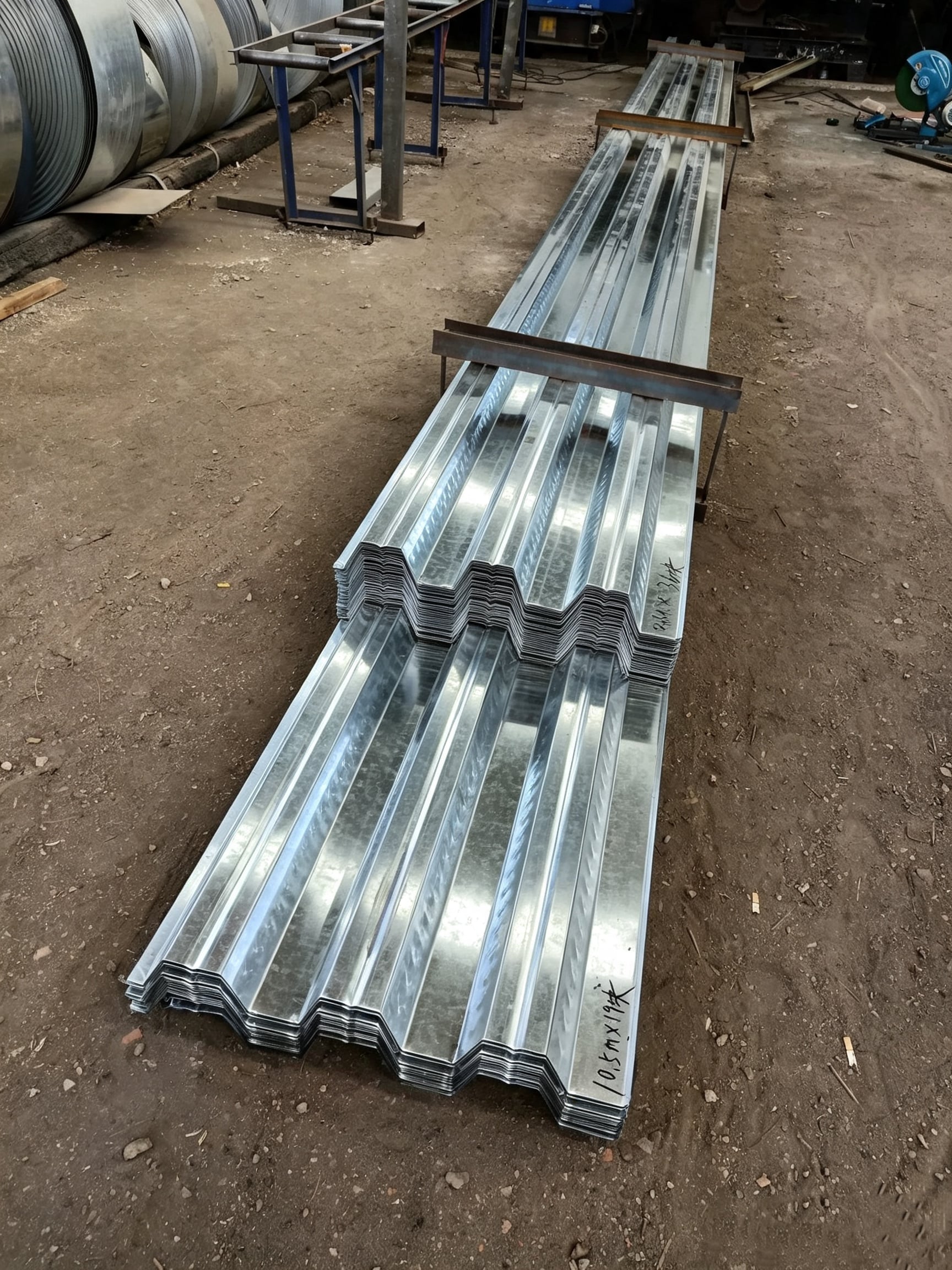
When selecting galvanized  metal roofing sheets, consider the specific requirements of your project, including the structure’s design,  environmental conditions, and aesthetic preferences. Galvanized roofing sheets are typically coated with zinc  to enhance their  resistance to rust and corrosion, making them suitable for various applications, from  residential buildings to industrial facilities. For industrial applications, you might consider using Hot-Rolled U-Shaped Channel Steel Q235B For Industrial Equipment Base Support as a supportive structure.

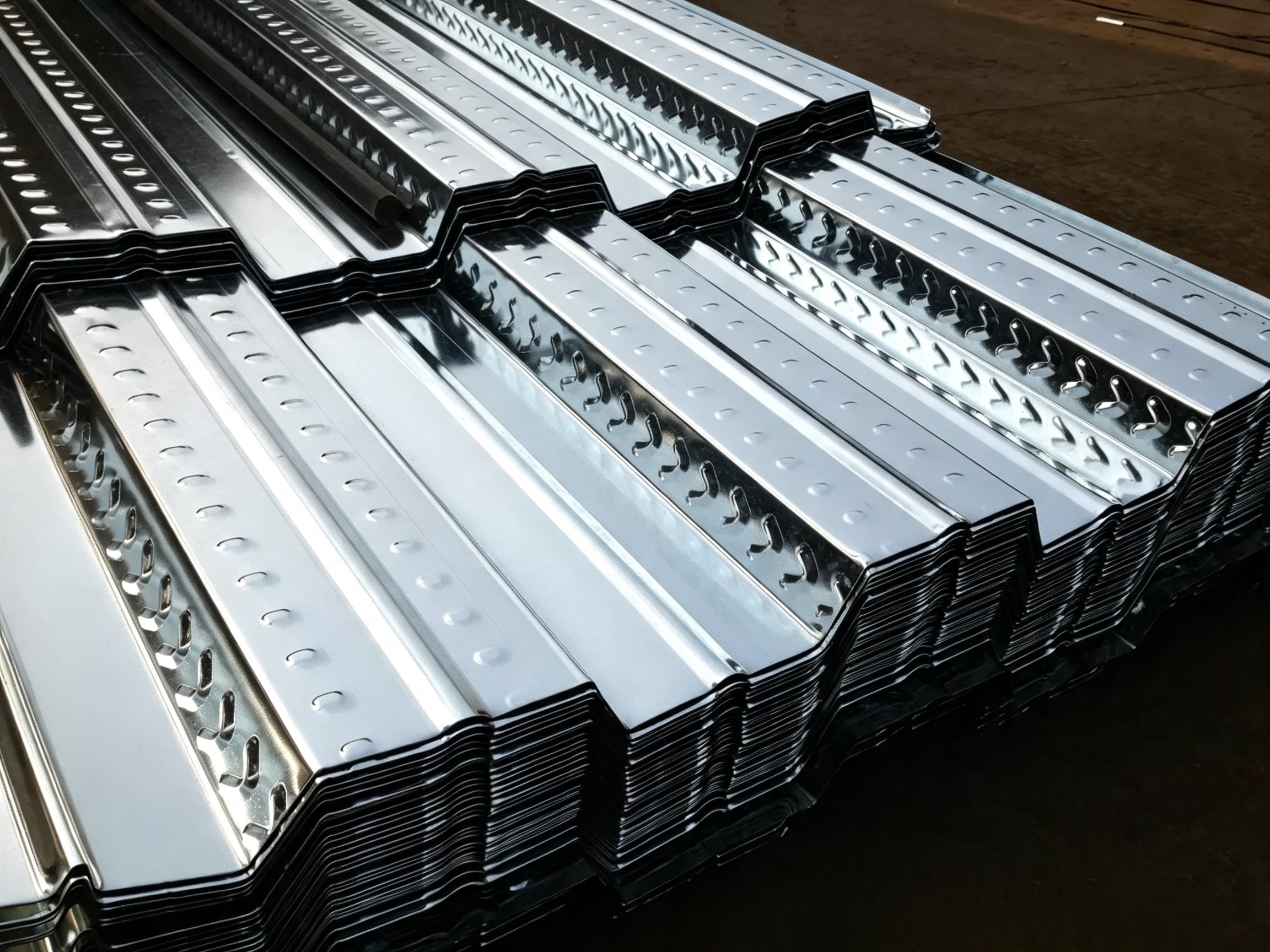
Buyers should  evaluate the thickness of the sheets,  which can range from 0.4 mm to 1.2  mm. Thicker  sheets generally offer better durability and can withstand harsher weather conditions.  Additionally, consider the profile  of the  sheets—options  like corrugated, standing seam, or flat sheets may  affect both the aesthetic and  functional aspects of your roofing system.

Lastly, assess  the finish of the galvanized sheets. A smooth finish may be more visually appealing, while a textured finish  can provide additional  grip and may be more suitable for specific installations. Always confirm that the selected sheets meet  local building codes and regulations.


Frequently Asked Questions

Our Blog Posts

What Our Partners Say

Key Specifications to Evaluate When Selecting Metal Roofing Sheets

Key Specifications to Evaluate When Selecting Metal Roofing Sheets

When evaluating galvanized  metal roofing sheets, several key specifications should  be considered to  ensure their performance aligns with your project  needs:

Thickness: The gauge of the metal, often expressed in millimeters or gauges, influences the sheet's strength and longevity. A lower gauge number indicates a thicker sheet, which is typically more robust.


Coating Weight: The weight of the zinc coating (measured in grams per square meter) significantly  impacts corrosion resistance. A higher  coating weight provides better protection, especially in corrosive environments.

Dimensions: Standard dimensions include width and length,  but custom sizes may be  necessary for specific projects. Ensure to confirm that the dimensions align with your project specifications  to avoid compatibility issues during installation.

Material  Composition: Galvanized sheets are usually made from steel; however, the base material can affect  performance. Ensure the steel meets relevant standards  for strength and durability.

Finish Type: The finish can include galvanized, painted, or pre-coated options.  Each finish has distinct advantages, such  as  improved aesthetics or  enhanced corrosion resistance.

Understanding these specifications will help you select the right products that  meet both functional  and aesthetic expectations while adhering  to budgetary constraints.

Installation Guidelines for Galvanized Metal Roofing Sheets

Installation Guidelines for Galvanized Metal Roofing Sheets

Proper installation of galvanized metal roofing sheets is crucial for maximizing their lifespan and  performance. Here are some essential  guidelines to follow:

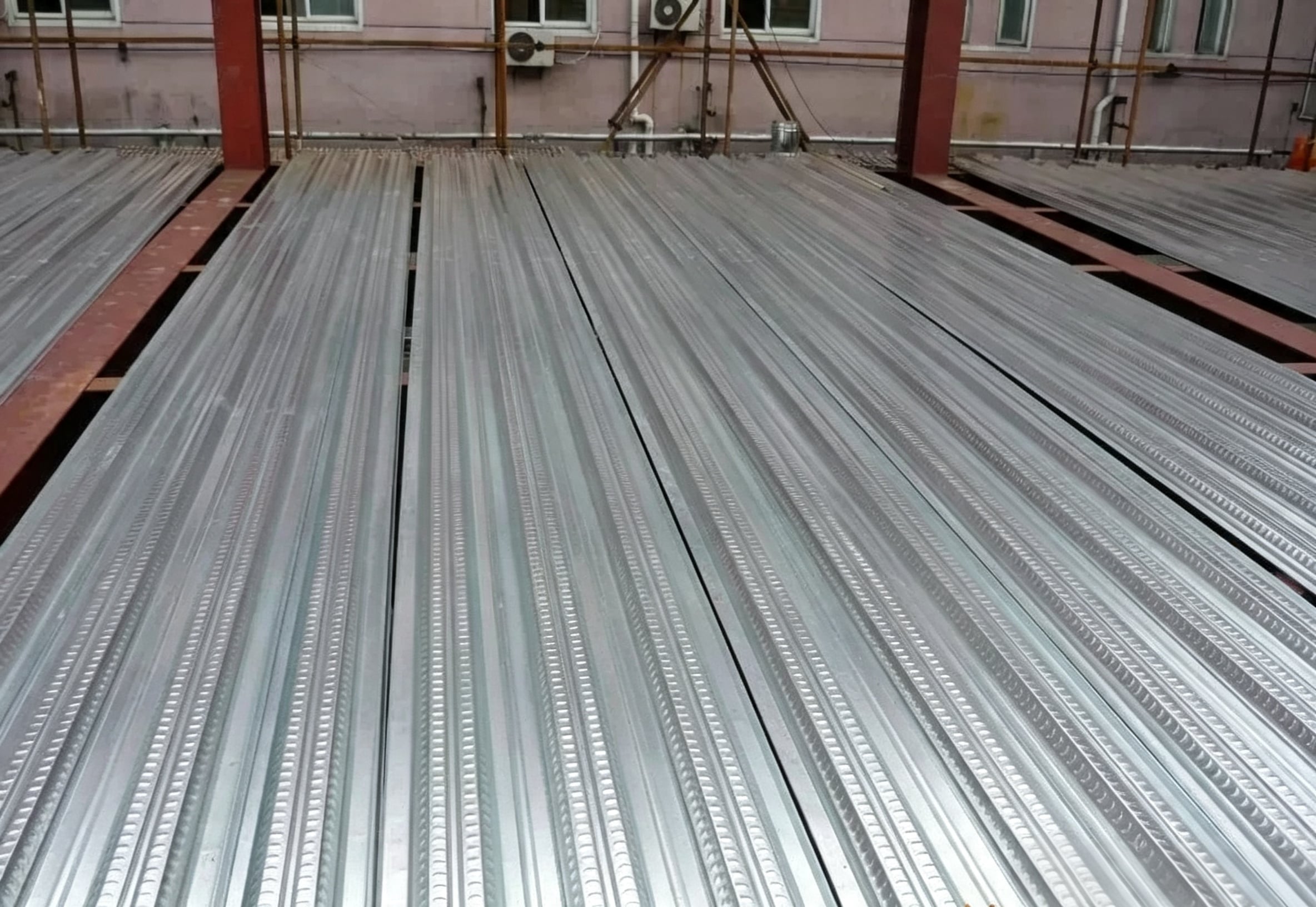
Surface Preparation: Ensure that the  roof  structure is clean, dry, and  free of debris before installation. Any pre-existing moisture  or contaminants  can affect the adhesion of the roofing sheets.

Use of Fasteners: Employ the appropriate fasteners for your specific roofing sheet profile. For instance,  self-drilling screws are often recommended for corrugated  sheets, while  standing seam roofs may require specialized clips. Ensure that the fasteners are compatible with the sheet material to prevent  galvanic corrosion.

Overlap and Sealant: When installing sheets,  overlap them according to manufacturer specifications to  prevent water ingress. Use appropriate sealants or adhesives at the seams and edges to  enhance waterproofing.

Ventilation: Ensure that there is adequate ventilation in the roofing system to prevent moisture buildup,  which  can lead to corrosion over time. This is particularly  important in climates with high humidity.

Regular Inspection: After installation, perform regular inspections to assess the condition of the roofing sheets. Look for signs of rust, loose fasteners, or damage, and address any issues promptly.

By  following  these installation guidelines, you can ensure the longevity and effectiveness of  galvanized metal roofing sheets in your projects.

What to Consider

What to Consider

When  considering the procurement of galvanized  metal roofing sheets,  several factors can influence your decision-making  process:

Supplier Reputation: Evaluate potential suppliers based on their manufacturing capabilities, product quality, and customer service.  A reputable supplier, like Tianjin  Xingyuanxing Color  Steel Structure Co., Ltd., known for its stable quality and efficient project services, can  assure you of reliable products and support.

Customization  Needs: Assess whether you require customized solutions  to meet specific project demands. Many manufacturers offer customization options regarding size, coating types,  and colors, which can enhance  the overall design of your roofing system.

Lead Times and  MOQs: Understand the manufacturer’s lead times for production  and delivery, as well  as minimum order quantities (MOQs). This information can help you plan your project timeline effectively.

Cost Considerations: Evaluate the pricing structure of galvanized metal roofing sheets.  While it may be tempting to opt for the lowest  price, consider the total cost of ownership, including installation, maintenance, and longevity.

Environmental Impact: If sustainability is a concern, inquire about the environmental practices  of potential suppliers, including recycling  programs for metal waste and eco-friendly coatings.

Taking these factors into account will  aid you in selecting a supplier that meets your project requirements while ensuring high-quality products.

Common Problems with Metal Roofing Sheets and Effective Solutions

While galvanized metal roofing sheets are known for their durability, they can still encounter issues. Here  are some common problems and their solutions:

Corrosion: Despite their protective zinc coating, galvanized sheets can still corrode if the coating is  damaged. Regular inspections  and maintenance can help catch early signs of corrosion. If rust appears, consider applying a rust-inhibiting  primer or paint to the affected areas.

Leaking Seams: Improper installation or wear over time can lead to leaking seams. Regularly inspect the seams and  apply sealant as needed. If leaks persist, consider  re-installing the affected sections or employing a professional roofer for repairs.

Thermal  Expansion: Metal roofing can expand and contract with temperature changes, which may lead to warping if not properly accounted for during installation. Ensure that fasteners are installed loosely  enough to allow for this natural movement without compromising the integrity of the roofing system.


Dents and Dings: Impact from heavy objects or hail can dent metal roofing sheets. While minor dents may not affect performance, severe damage  may require replacement.  Choose thicker sheets where possible to mitigate potential damage from impacts.

By addressing these common problems proactively, you can extend the life of your galvanized metal roofing sheets and maintain their performance over time.

Understanding the key specifications, installation guidelines, and common  issues related  to galvanized  metal roofing sheets is  essential for making informed purchasing  decisions. With the  right  knowledge,  you can ensure that your roofing system  meets both performance and aesthetic standards.