Choosing Galvanized Roofing Sheets for Construction

application/galvanized-roofing-sheets, application/galvanized-roofing-sheets, 
Inquiry
Inquiry

galvanized roofing sheets

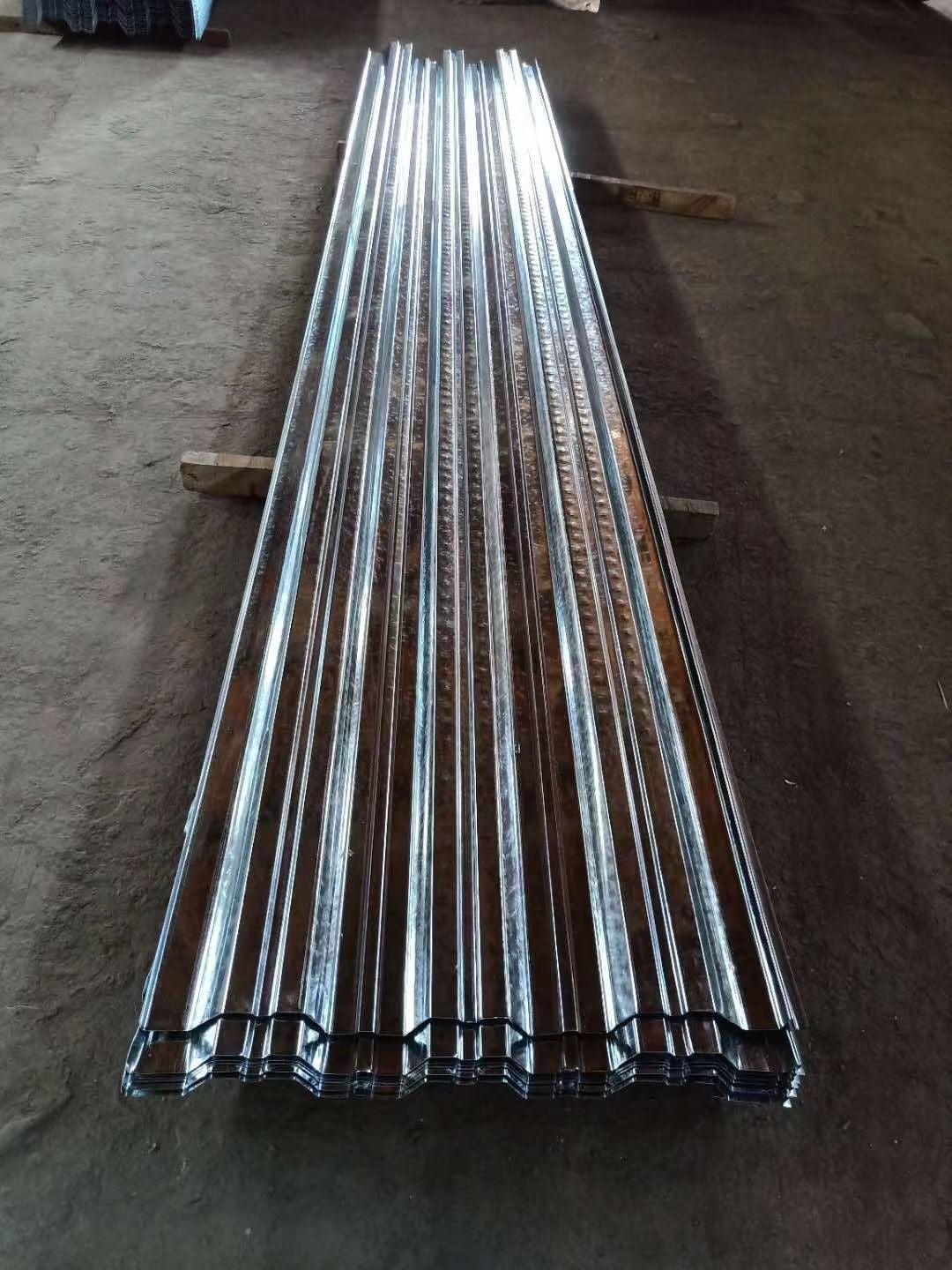
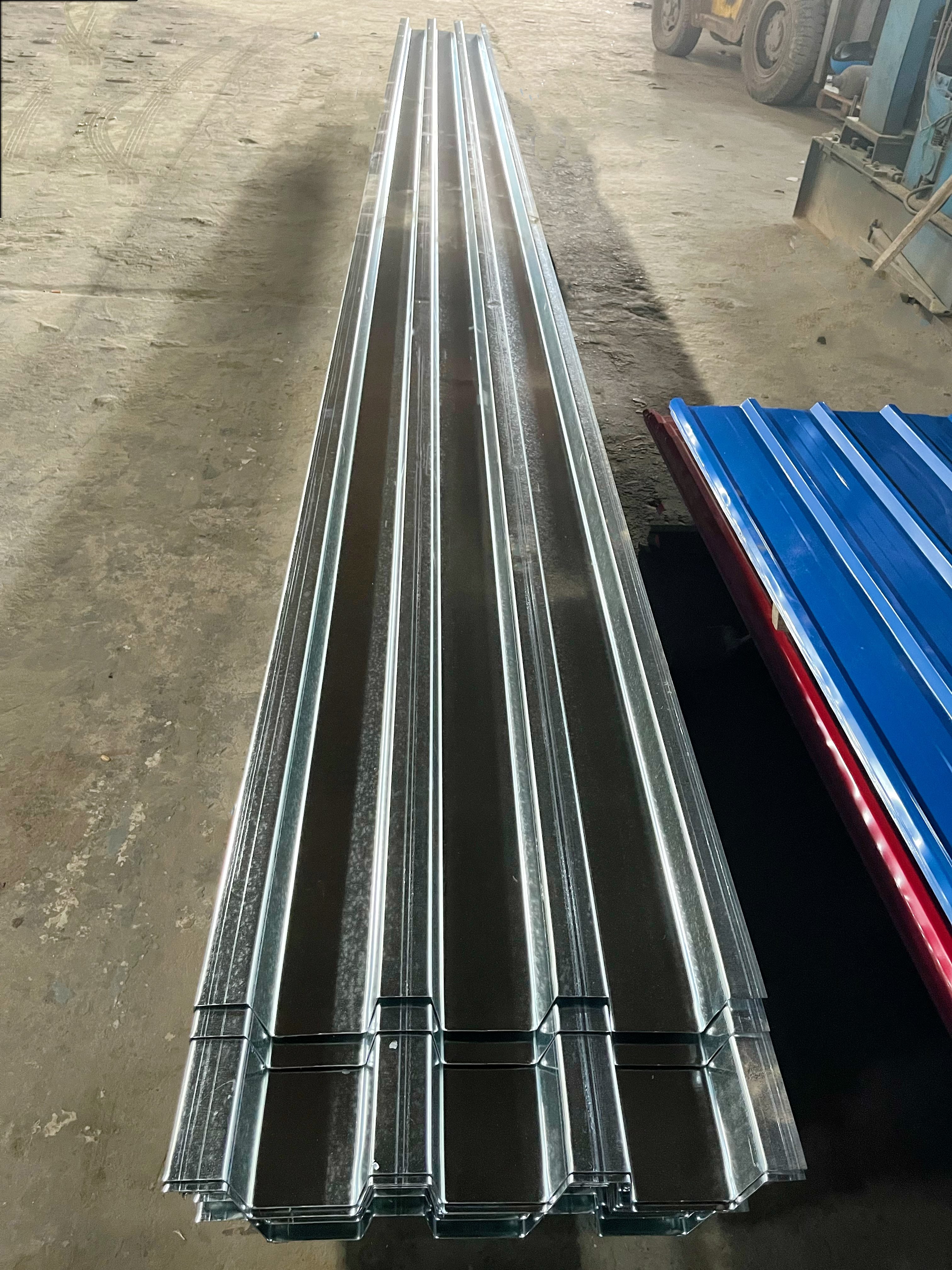
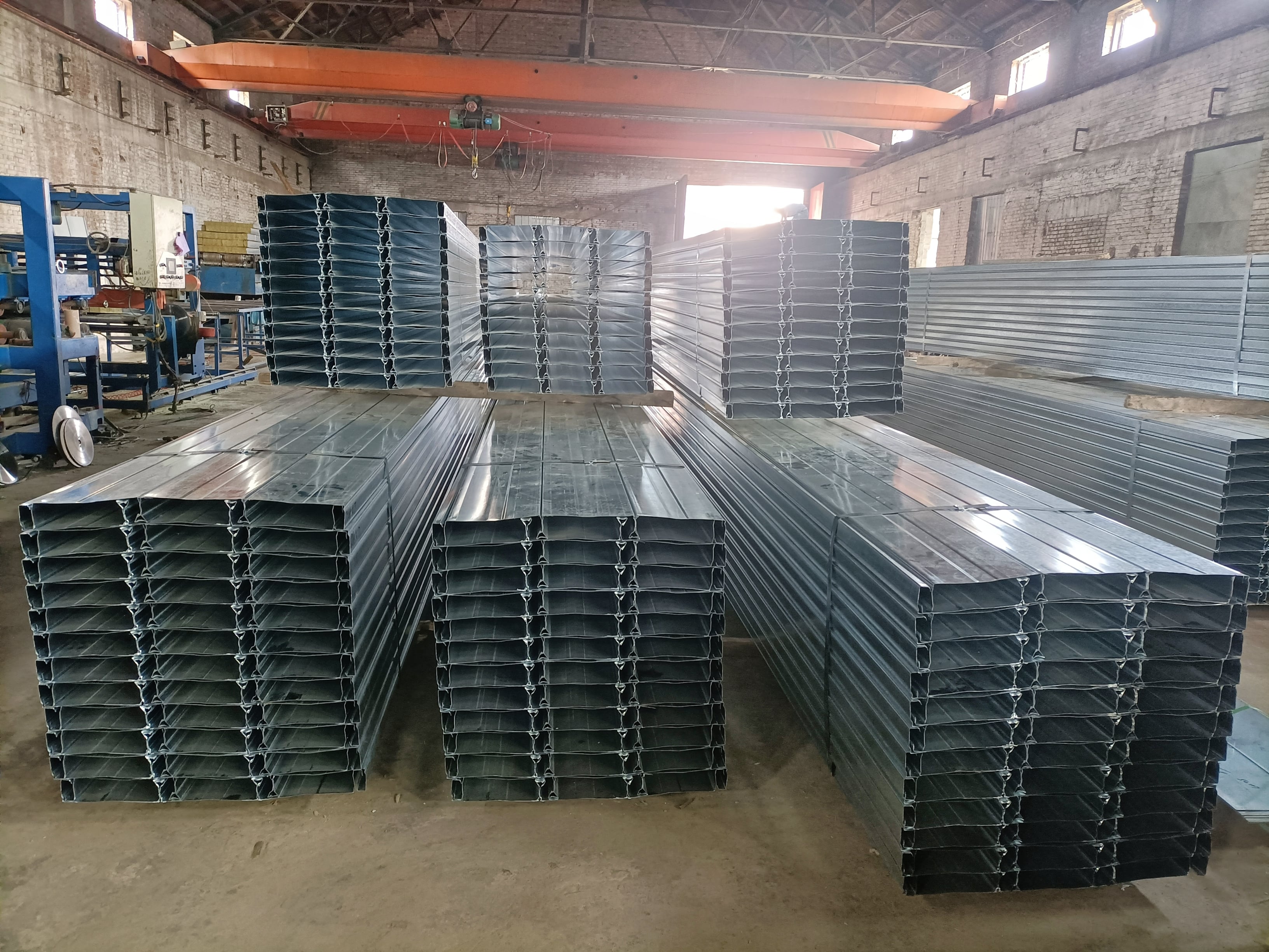
Choosing  the right galvanized roofing  sheets is crucial for  the success of any construction project. These sheets offer durability, corrosion  resistance, and a variety  of applications, making them a  popular  choice in the building materials market. However, selecting  the appropriate  type can  be challenging for purchasing managers and  project planners who must consider factors such as specifications, installation  methods, and common  challenges. This article will guide  you through  essential considerations, specifications, installation guidance,  common problems, and  applications of galvanized roofing sheets,  helping you make  informed decisions.


Why choose Xingyuanxing galvanized roofing sheets

Our Products

What to Consider When Choosing Galvanized Roofing Sheets for Projects

When selecting galvanized roofing  sheets, the primary considerations should include material thickness, coating type, and application suitability. The thickness  of the sheets  affects their durability and resistance to external elements. Typically, a thickness of 0.4 mm to 0.8 mm is common for residential  buildings, while  industrial applications may require thicker options. For instance, the use of galvanized sheets in a Factory building of steel structure can greatly benefit from the appropriate thickness.

Coating type  is another critical factor. Galvanized sheets can be hot-dip galvanized or electro-galvanized. Hot-dip galvanizing provides a thicker coating and superior protection against  corrosion, making it suitable  for areas with  high humidity or exposure to  harsh chemicals. In contrast, electro-galvanized  sheets may be  more cost-effective for low-exposure applications.

Additionally, consider  the intended application of the roofing sheets. For example, roofing  in coastal areas may require specific specifications to withstand saltwater exposure, while  sheets for  agricultural buildings  might prioritize insulation properties. Always ensure the chosen  product  meets local building codes and standards.


Frequently Asked Questions

What are galvanized roofing sheets made of?

Galvanized roofing sheets are steel panels coated with a layer of zinc to prevent corrosion, providing durable, weather-resistant protection for roofs and structures.
We provide multiple steel thicknesses and zinc coatings to meet project needs; specific gauges and finishes can be customized based on structural and budget requirements.
With proper installation and maintenance, galvanized roofing sheets typically last 20–50 years, depending on environment, coating thickness, and seasonal exposure.
Yes. We offer integrated services including engineering design, fabrication, and installation, ensuring stable quality and efficient project delivery in the Beijing-Tianjin-Hebei region.
Absolutely. We customize sheet dimensions, profiles, coatings, and accessory components to meet specific building requirements and project timelines.

Our Blog Posts

What Our Partners Say

Get a Free Quote

Our representative will contact you soon.
0/1000
Specifications You Need to Know for Galvanized Roofing Sheets

Specifications You Need to Know for Galvanized Roofing Sheets

Understanding the specifications of galvanized roofing sheets  is essential  for ensuring their  suitability for your project. Key specifications include:

Material  Composition: Typically  made from steel, the sheets are coated with zinc to enhance corrosion resistance. Buyers should verify  the zinc  coating  weight measured in grams per square meter (g/m²), as higher values indicate better protection.

Thickness: As mentioned, thickness impacts durability. Standard thicknesses range from 0.4 mm  to 0.8  mm, but heavier sheets may be needed for specific applications.

Dimensions: Common sheet sizes include 1.0 m x 2.0 m or 1.2  m x 3.0 m. Custom sizes can  often be ordered, but this may affect lead times and costs.


Finishing Options: Sheets may come in various finishes, such as  plain or painted.  A painted finish can offer additional aesthetic appeal and further corrosion resistance.

Performance Ratings: Look for performance ratings related to fire resistance,  thermal insulation, and load-bearing  capacity to ensure the sheets  meet the  requirements of your specific project.

By confirming  these specifications, buyers can avoid costly mistakes and ensure that the roofing sheets will perform adequately in their intended environment.

Installation Guidance for Galvanized Roofing Sheets in Construction

Installation Guidance for Galvanized Roofing Sheets in Construction

Proper installation of galvanized roofing sheets is crucial for maximizing  their lifespan and performance. Here are  key guidelines to follow:

Surface Preparation: Ensure that the roof structure is clean and free from debris before installation. The underlying surface should be  smooth to prevent damage to the  sheets during installation.

Fastening  Method: Use appropriate fasteners designed for galvanized materials. Corrosion-resistant screws or  nails should be used  to prevent rusting over time. The spacing of fasteners  should align with the  manufacturer's recommendations, typically around 300 mm apart.

Overlap Specifications: When installing sheets, ensure proper overlap to prevent water ingress. A  minimum  overlap of 150 mm is often recommended, but this may  vary depending on the slope of the roof.

Sealing: Depending on the  application, consider  using sealants at joints and edges to  enhance waterproofing. Ensure that the  selected sealant is compatible with galvanized steel.

Inspection: After installation, perform a thorough inspection to check for  any  gaps or improperly secured areas. This can prevent future issues such as leaks or structural failure.


Following these installation guidelines can lead to a more durable and reliable roofing  solution.

Common Problems with Galvanized Roofing Sheets and Their Solutions

Common Problems with Galvanized Roofing Sheets and Their Solutions

While galvanized roofing sheets are  generally durable, some common issues may arise. Being aware of these problems can help  buyers and installers take proactive measures:

Corrosion: Despite their zinc coating, galvanized sheets  can corrode if exposed to harsh environments. Regular inspections and  maintenance can identify early signs of corrosion. If corrosion occurs, the affected areas  should be treated with  a rust inhibitor and  repainted  as necessary.

Improper Installation: Issues such as leaks  can arise from improper installation techniques. Ensure that all installation guidelines are followed, including the correct overlap and fastening  methods.

Thermal Expansion: Metal roofing can expand and contract with temperature changes, which may lead to warping  or  buckling if not  properly accounted for. Allow for expansion gaps  during installation to accommodate this movement.


Denting: While galvanized sheets are generally robust, they  can be dented by heavy objects or during installation. To minimize this risk, handle  the sheets carefully  and avoid dropping or striking them.

By recognizing these potential problems and their solutions, buyers can maintain the integrity of  their roofing  systems over time.

Applications of Galvanized Roofing Sheets in Various Industries

Galvanized roofing  sheets serve a wide range of applications across various industries due to their strength and corrosion resistance. Here are some common applications:

Residential Construction:  Galvanized sheets are popular in residential roofing due  to their affordability, durability, and aesthetic appeal. They can be used in  both pitched and flat roofs.


Agricultural  Buildings: Farmers often  use galvanized sheets  for barns, storage  facilities, and animal housing. Their resistance to weather and corrosion makes them ideal for agricultural environments.

Industrial Facilities: Factories and warehouses frequently utilize galvanized  roofing  sheets because of their ability to withstand heavy loads and  exposure to industrial chemicals. This makes them a great choice for projects requiring a robust Secondary steel structure.

Commercial Buildings: Retail and office spaces benefit from the versatility of galvanized roofing, allowing for various design options while ensuring structural integrity.

Infrastructure Projects: Galvanized roofing sheets are also employed in public infrastructure projects such as schools, hospitals, and transportation facilities, where durability  and longevity  are crucial.

Understanding these applications can guide  buyers in  selecting the right type of galvanized roofing sheets for their specific needs.  

By addressing these critical  aspects of galvanized roofing  sheets, this article aims to provide valuable insights  for B2B buyers, helping them make  informed decisions that enhance their construction projects.