Competitive Roof Sheet Prices for B2B Buyers

application/roof-sheet-prices, application/roof-sheet-prices, 
Inquiry
Inquiry

roof sheet prices

Roof  sheets are integral to various construction projects, providing essential protection against environmental  factors while contributing to the overall structural integrity of  buildings. When  searching for roof sheet prices, B2B buyers often prioritize quality, material  specifications, and  suitability  for  specific  applications. Understanding these factors is  crucial  for making informed purchasing decisions. This article aims to  guide  purchasing managers,  engineers,  and other  B2B professionals in navigating the complexities of  roof sheet selection, pricing, and common challenges  in the  industry.


Why choose Xingyuanxing roof sheet prices

Our Products

Where to Find Competitive Roof Sheet Prices for Wholesale Buyers

Wholesale buyers  looking for roof sheets can explore several  avenues to  find competitive prices. First, reaching out directly to manufacturers,  such as Tianjin Xingyuanxing Color Steel Structure Co., Ltd., can provide access  to bulk pricing and customized solutions. Manufacturers often have the  capability to offer lower prices for larger orders due  to economies of scale. Additionally, understanding the use of a proper Secondary steel structure can enhance the overall performance of the roofing system.

Online  marketplaces and industry-specific platforms  can  also be valuable resources for  comparing prices and  product specifications. However, buyers should ensure they  are dealing  with reputable suppliers to avoid issues with quality and service. Additionally, attending industry trade shows can provide insights into the latest products and pricing trends,  allowing buyers to negotiate better deals.

When comparing prices,  it’s essential to  consider not just the unit price but also shipping costs, lead times, and  any potential import duties, particularly for international purchases. A comprehensive understanding of  these factors  will enable buyers to make more informed decisions.

Frequently Asked Questions

Our Blog Posts

What Our Partners Say

How to Choose the Right Roof Sheet Specifications for Your Projects

How to Choose the Right Roof Sheet Specifications for Your Projects

Selecting the appropriate roof sheet specifications is critical for ensuring optimal performance  in your  projects. Key specifications to consider include:


Material: Roof sheets are typically made from galvanized steel, aluminum, or color-coated  steel. Each material offers  different benefits,  such as  corrosion resistance or thermal efficiency, influencing  their suitability for various applications.

Thickness: The thickness of the roof sheet affects its strength and  durability. Thicker sheets generally provide better resistance to impacts and weather  conditions,  making them ideal for harsher environments.

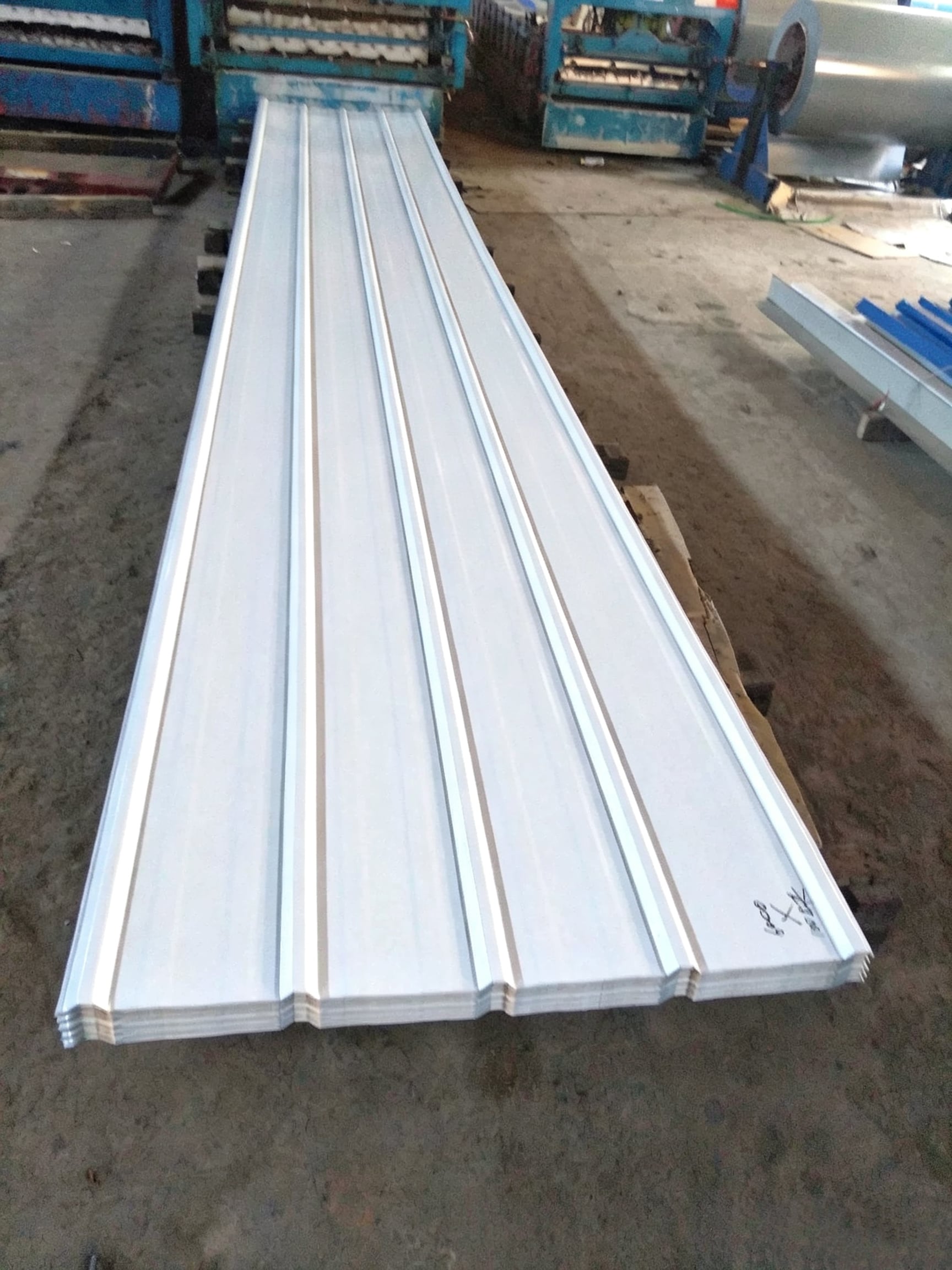
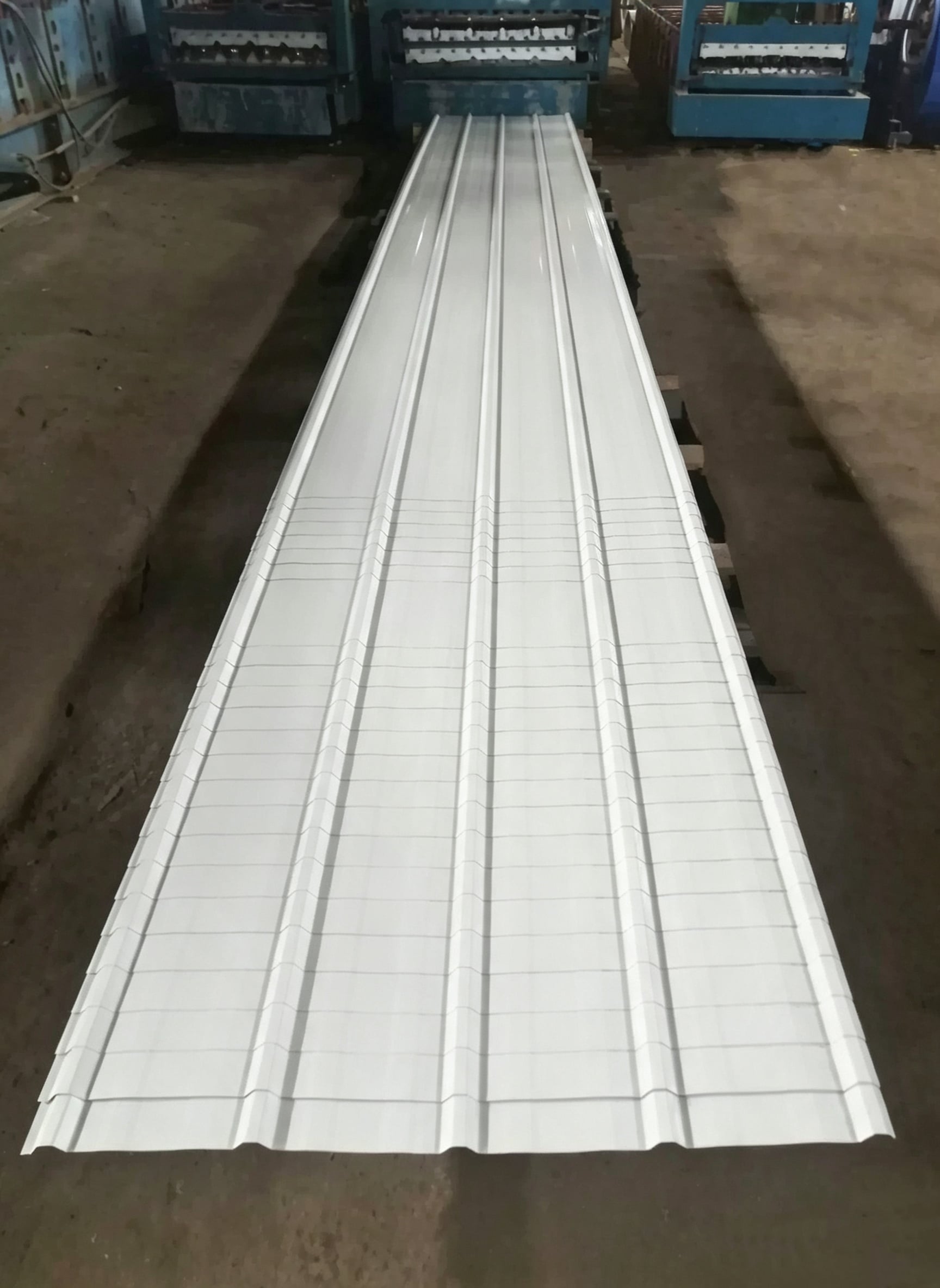
Profile and Dimensions: Roof sheet  profiles, such as corrugated, trapezoidal, or  flat, can impact both aesthetics and functional performance. Choosing the right profile depends on the architectural design and  the load-bearing requirements of the  building.

Coating and Finish: The type of coating  applied can enhance durability and aesthetic  appeal. Buyers should evaluate options like polyester or PVDF coatings based on expected exposure to UV rays, moisture, and other environmental factors.

Evaluating these specifications against project requirements will  help ensure  the selected roof sheets perform  effectively under the anticipated conditions.

Key Considerations for Importers

Key Considerations for Importers

For importers sourcing roof  sheets, several considerations can impact the purchasing process:


Regulatory Compliance: Importers must ensure that the products meet local building codes and standards. This includes verifying that the materials  are compliant with safety and  environmental regulations.

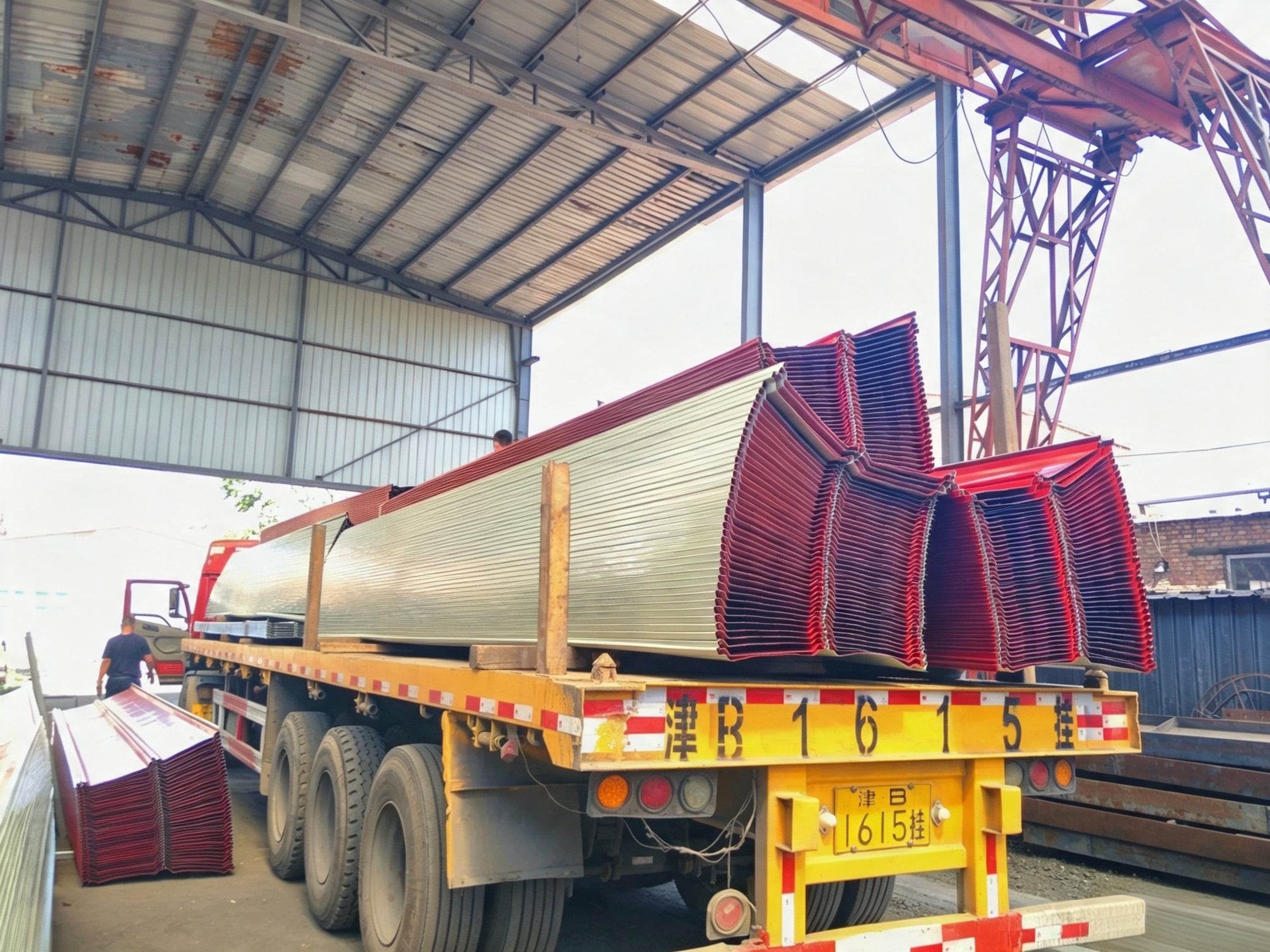
Logistics and Shipping: Understanding the logistics  involved in  importing roof sheets—including shipping methods, lead times, and customs clearance—is crucial. It’s advisable to work with experienced logistics partners to streamline this process.

Quality Assurance: Engaging in quality control measures, such as requiring  samples before mass production, can help  mitigate risks. Buyers should  assess the manufacturing processes and  quality certifications  of suppliers to ensure consistent product quality.

Market Demand and  Trends: Keeping abreast  of market trends  can help importers make strategic decisions about  stock levels and product offerings. This proactive  approach can lead to better negotiation outcomes with suppliers.

By addressing these considerations, importers can  navigate the  complexities  of international sourcing more effectively.

 
Common Problems with Roof Sheets and Practical Solutions for Buyers

Common Problems with Roof Sheets and Practical Solutions for Buyers

Buyers may encounter several common issues when dealing with  roof sheets, but understanding these challenges can lead to practical solutions:


Corrosion: One of the  most prevalent problems is corrosion, often caused by exposure to  moisture and environmental elements. To mitigate this, selecting materials with proper coatings and ensuring  proper  installation techniques can significantly extend the lifespan of roof sheets.

Incorrect Specifications: Many buyers face challenges related to incorrect specifications, which can lead to installation issues or performance failures. To avoid this, it's essential to provide  detailed project requirements and confirm  specifications with the supplier  before placing  orders.


Warping or Deformation: Roof  sheets can warp during shipping  or installation if not handled  properly. Implementing careful packaging and handling procedures, as well as ensuring compliance with installation guidelines, can prevent these issues.

Poor Installation: Inadequate installation can  lead to leaks  and other structural problems. Buyers should ensure that their contractors are experienced and familiar with the specific  type of roof sheets being used.

By proactively identifying potential problems and implementing  these solutions, buyers can  enhance the performance and longevity of their roofing  systems.

Cost Factors Affecting Roof Sheet Prices in the Manufacturing Marke

Several factors influence roof sheet prices in the  manufacturing market, and understanding  these can help buyers optimize their  purchasing strategies:

Material Costs: Fluctuations in the prices of raw materials, such as steel or aluminum, can directly impact roof  sheet prices. Buyers should be aware of market trends and negotiate contracts  that account for potential price  changes.

Manufacturing Processes: The complexity of the manufacturing process, including the type of coatings and finishes, affects  production costs. Advanced manufacturing techniques may offer better quality but could come at a higher price point.

Order Volume: Larger orders typically reduce the per-unit cost  due to economies of scale. Buyers should assess their needs carefully  and consider bulk purchasing to maximize savings. For instance, integrating a Factory building of steel structure can also provide cost-effective solutions.

Shipping  and Logistics: Transportation  costs can vary significantly based on distance, shipping methods, and fuel prices. Buyers  should factor these costs into their total  budget when evaluating roof sheet prices.

Market  Demand: Seasonal fluctuations in construction activity can lead to variations in pricing. Buyers should monitor market conditions to time their purchases strategically.

By taking these cost factors into account, buyers can  make  more  informed decisions that align with their budget and  project requirements.

Understanding the intricacies of roof sheet pricing and specifications is vital for B2B buyers in the construction and manufacturing sectors. By considering the factors outlined , purchasing  managers, engineers, and other professionals can optimize their procurement processes and ensure successful project  outcomes.