Key Specifications for Heavy Duty Carports

application/heavy-duty-carport, application/heavy-duty-carport, 
Inquiry
Inquiry

heavy duty carport

Heavy duty carports are  robust structures designed  to provide  superior protection for vehicles and equipment against  harsh  weather conditions. As a purchasing manager  or project engineer, your  primary concerns  may include durability,  cost, and specific application needs.  This  article will help you navigate  the  key  specifications,  cost factors,  common issues, industry applications, and material choices  for  heavy duty carports, allowing  you to  make informed purchasing decisions.

Why choose Xingyuanxing heavy duty carport

Key Specifications to Consider for Heavy Duty Carports in Projects

When evaluating heavy duty carports, several key specifications should be prioritized to ensure they  meet  your project requirements. These include:

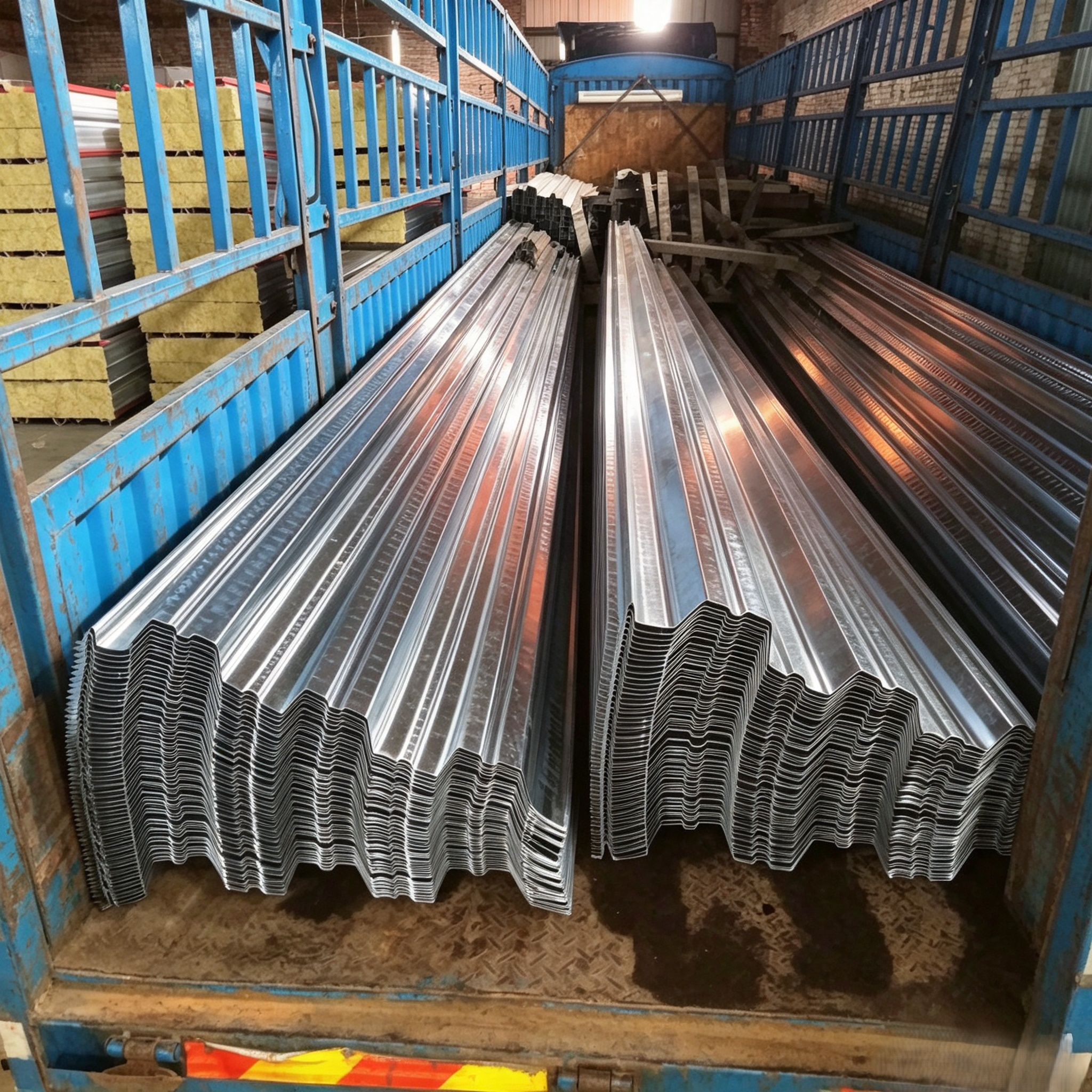
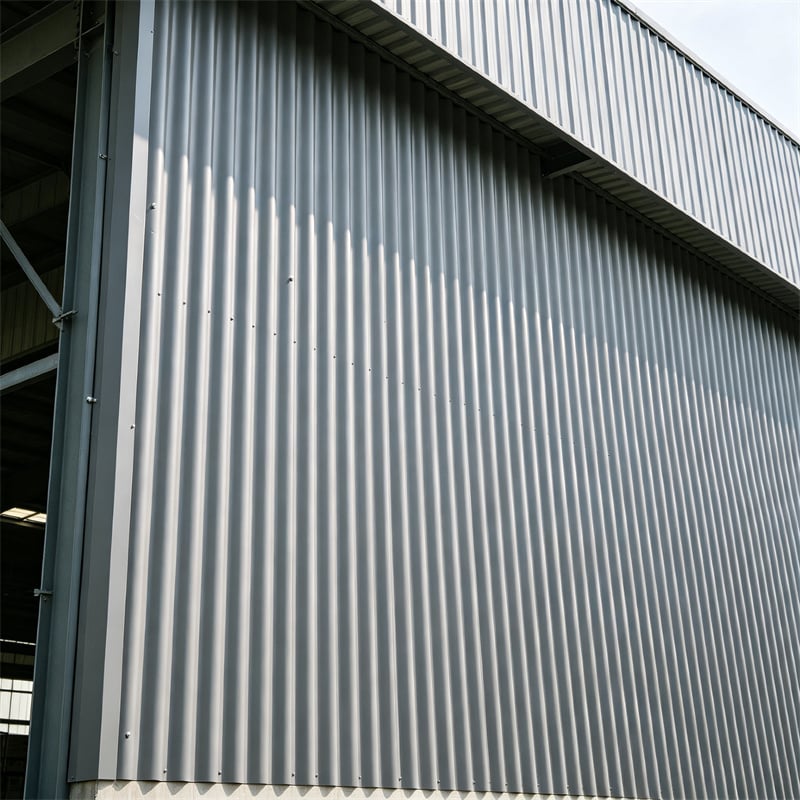
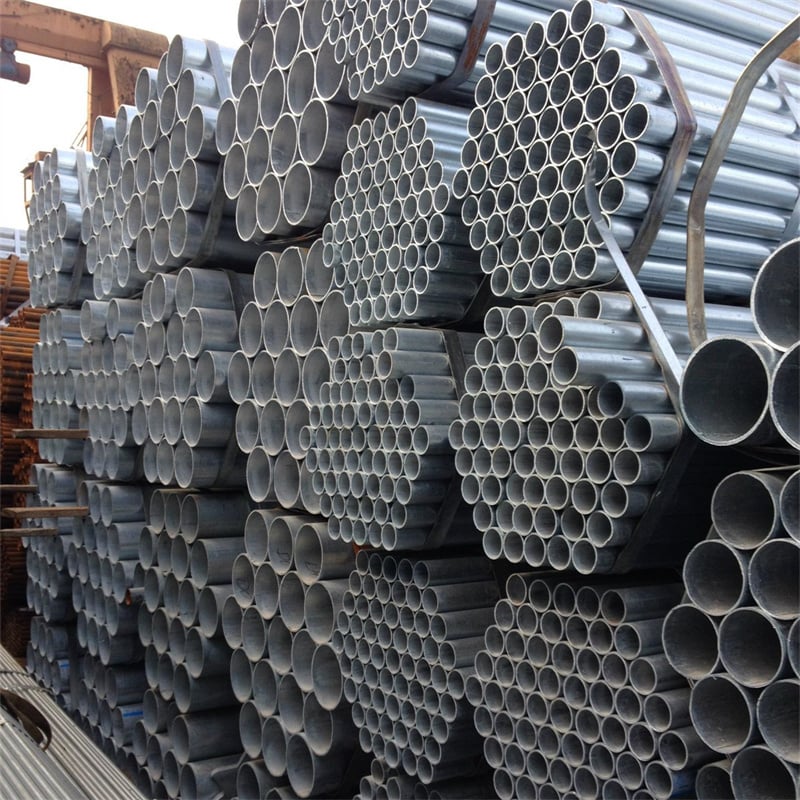
Material Strength: The frame  material, typically galvanized steel or aluminum, is crucial  for durability.  Galvanized  steel offers superior resistance to corrosion, making it ideal for outdoor applications, while aluminum is lightweight  and resistant to rust.

Load Capacity: It's essential to confirm the load-bearing capacity of  the carport. This specification affects its suitability for  accommodating larger vehicles or equipment. Load capacity is typically measured in pounds or kilograms and should align  with the anticipated use.

Dimensions: The size of the  carport must match the dimensions of the vehicles it will shelter. Consider the  height, width, and length to  ensure adequate space for accessibility and movement.

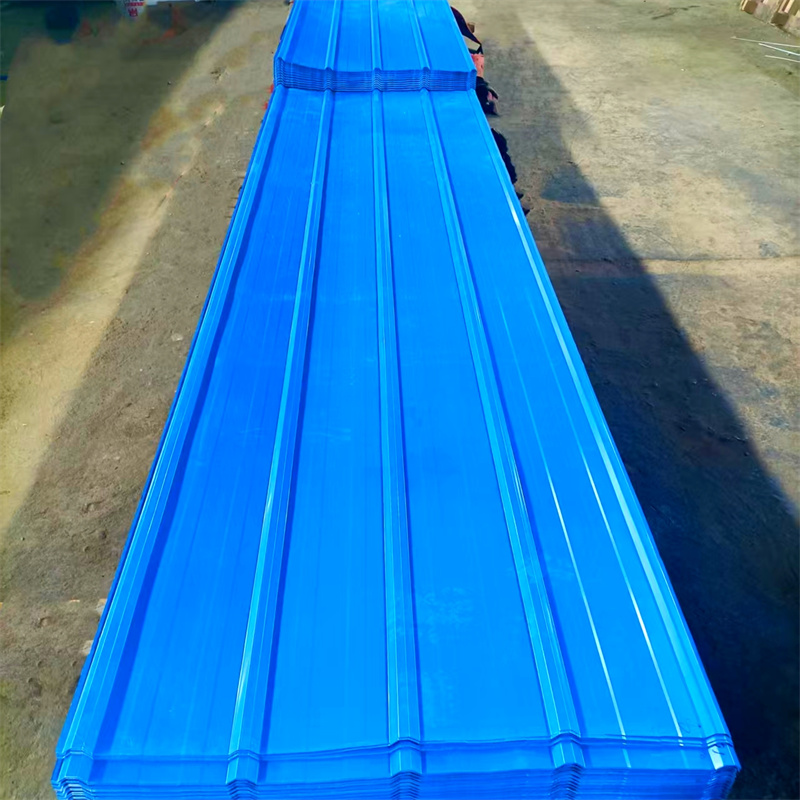
Roof Design: The type of roof—flat, sloped, or arched—can influence water drainage and snow  load capabilities. A sloped roof is preferable in regions with heavy rainfall  or snowfall to prevent water accumulation.

Wind Resistance: Depending on your geographical location, wind resistance ratings are crucial.  These are typically tested according to local building  codes and should be verified against expected weather conditions.

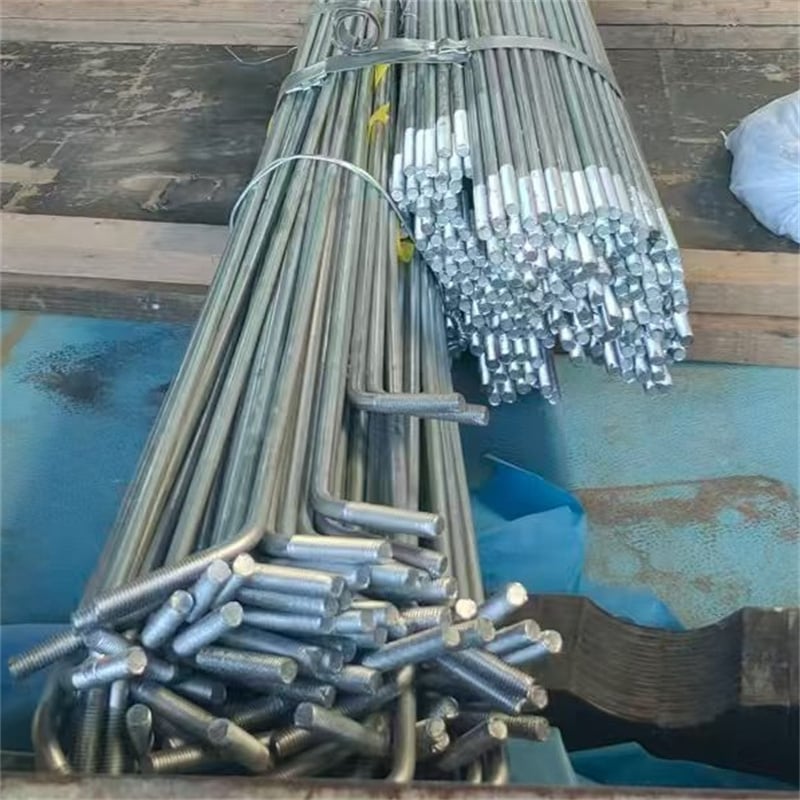
Installation Requirements: Understanding whether the carport requires a concrete  foundation or can be anchored directly to the ground is important for planning your installation process.

By focusing  on these specifications, you can  ensure that the heavy duty carport you select will provide the necessary protection and longevity.

Frequently Asked Questions

Our Blog Posts

What Our Partners Say

Understanding the Cost Factors of Heavy Duty Carport Purchases

Understanding the Cost Factors of Heavy Duty Carport Purchases

The cost of heavy duty carports can vary significantly based on several factors. Understanding these  factors  will help  you budget effectively:

Material Quality: Higher quality materials, such as thicker steel gauge  or rust-resistant  coatings, will increase initial costs but may reduce long-term maintenance expenses.

Size and Design Complexity: Larger carports  or those with customized designs will typically incur higher costs due to additional material and labor  requirements. For instance, if you are considering a factory building of steel structure, the design complexity may influence the cost as well.

Manufacturing Processes: The complexity of manufacturing, including any custom fabrication needs,  can  affect pricing. For instance, pre-fabricated units  may be more economical than  custom-built structures.

Shipping and Handling: Consider delivery costs,  especially if the carport is sourced from a distant manufacturer. Shipping fees can add a significant  amount to the overall price.

Installation Services: If installation is not included, you must factor in labor costs for assembly. Some suppliers offer installation as an  additional service, which can  simplify the process.

Warranty and Support: Suppliers that provide extended warranties or customer support may charge higher upfront costs but can offer peace of mind regarding product reliability.

By analyzing  these cost factors,  you can better  understand the financial implications of your heavy duty carport purchase and make more informed decisions.

Common Problems with Heavy Duty Carports and Their Practical Solutions

Common Problems with Heavy Duty Carports and Their Practical Solutions

Despite their sturdy design, heavy duty carports can encounter several common issues. Awareness of these problems and their solutions can help you mitigate risks:

Rust  and Corrosion: Even galvanized steel can suffer from rust if not properly maintained. Regular inspections and touch-ups on any scratches or exposed metal surfaces can prolong the life of the carport.

Structural Instability:  If not anchored correctly, a carport can become unstable in  high winds. Ensure that all installation requirements are followed, including anchoring  to a solid foundation.

Water Pooling: Improper roof slope can lead to water pooling, which may compromise the structure over time. Regular maintenance checks can help identify and rectify drainage issues promptly.

Denting and Damage:  Heavy impacts  can  dent carports, especially if they are not designed for  extreme conditions. Consider investing  in reinforced panels or adding protective  barriers around the carport in high-traffic areas.

Installation Errors: Poor installation practices can  lead  to  uneven surfaces and structural failures. Engage experienced  professionals  for installation and ensure that  all guidelines are adhered to during the process.

By anticipating  these  common problems and implementing practical solutions, you can ensure that your heavy duty carport remains  functional and durable over its lifespan.

Applications of Heavy Duty Carports in Various Industries

Applications of Heavy Duty Carports in Various Industries

Heavy duty  carports serve a wide  array of industries, each with its unique applications:

Automotive Industry:  Car  dealerships and service centers  utilize heavy duty carports to protect vehicles  from the  elements, facilitating outdoor sales and servicing.

Agriculture: Farmers use carports to shelter equipment and machinery,  providing protection from  sun  damage and preventing rust.

Construction: Contractors often employ heavy duty carports as  temporary storage  for tools and materials on job sites, safeguarding them  from weather conditions. Consider utilizing a  secondary steel structure for your construction needs to enhance durability.

Recreational: RV owners and outdoor enthusiasts set up heavy duty carports to shelter their vehicles and equipment, ensuring long-lasting protection.

Commercial Use:  Retailers may use heavy duty carports as covered  parking  areas for customers, enhancing the shopping experience during  inclement weather.

Understanding these applications can help you identify the most suitable heavy duty carport for your specific needs.

Choosing the Right Material for Your Heavy Duty Carport Needs

Selecting  the appropriate material for your  heavy duty carport is crucial for ensuring its performance and longevity. Here are the  primary material options:

Galvanized Steel: Known  for its high strength and corrosion resistance, galvanized  steel is an excellent choice for durability. It is suitable for various climates and  offers long-term protection against the elements.

Aluminum: Lightweight and resistant to rust, aluminum is ideal for applications where mobility and ease  of installation are essential. However,  it may not offer the same level of strength as steel.

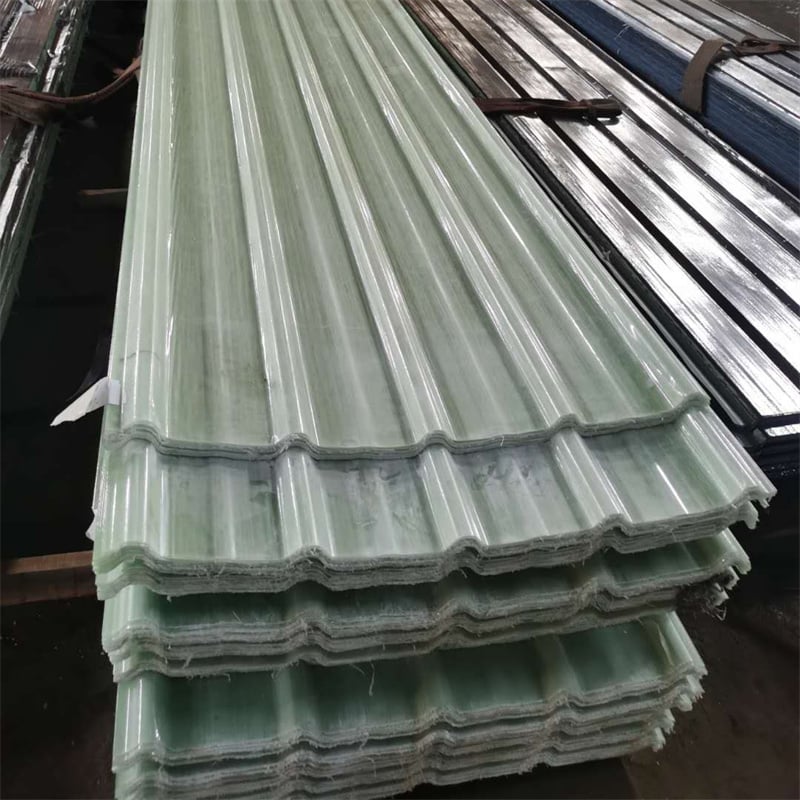
Polyethylene and  Fabric Materials: For  temporary or  seasonal use, heavy-duty polyethylene covers can offer affordable protection. These are typically used in conjunction with steel or aluminum frames for added stability.

Wood: While less common for heavy duty carports, wooden structures can provide aesthetic appeal and strength. However, they  require more maintenance  to prevent  decay and insect damage.

When choosing a material, consider factors such as local climate, intended use, and budget.  Collaborating with a manufacturer like Tianjin Xingyuanxing Color  Steel Structure Co.,  Ltd. can provide insights into  the best material options based on your specific requirements. This will ensure that your investment in a heavy duty  carport meets your operational needs and stands the test of time.