Choosing the Right Metal Frame Carport for Your Needs

application/metal-frame-carport, application/metal-frame-carport, 
Inquiry
Inquiry

metal frame carport

Metal  frame carports offer  a durable and  versatile solution for vehicle protection and storage  across various industries. As a  purchasing manager or  a  distributor, understanding the  key aspects of these structures is crucial for making informed decisions. This article will explore  how  to  select the right metal frame carport,  the key specifications  to  consider for bulk  orders, cost  factors, common issues and their  solutions, and the  applications of metal  frame carports  in different sectors.

Why choose Xingyuanxing metal frame carport

How to Choose the Right Metal Frame Carport for Your Needs

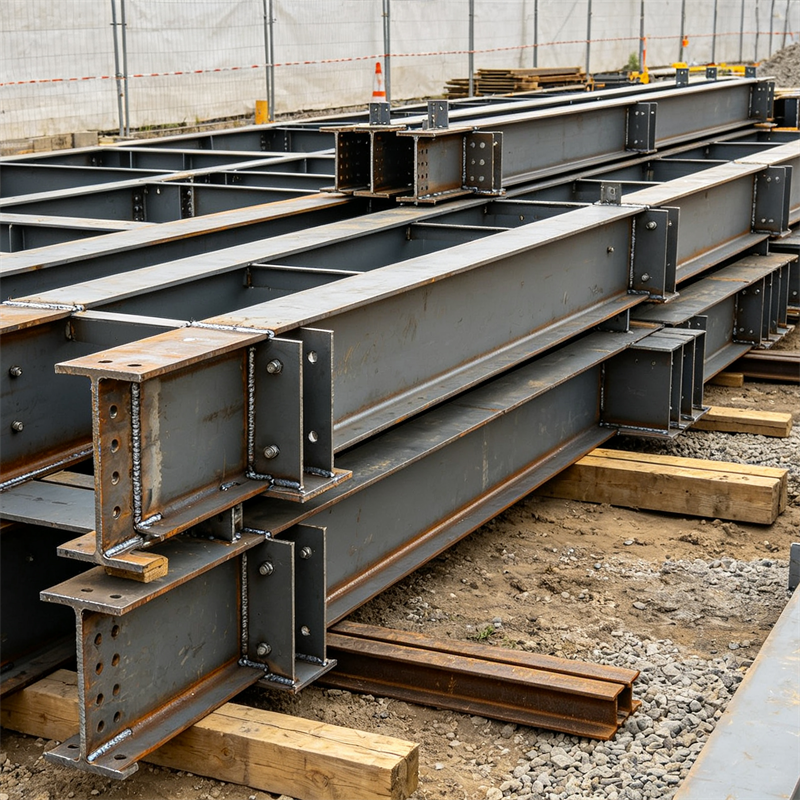
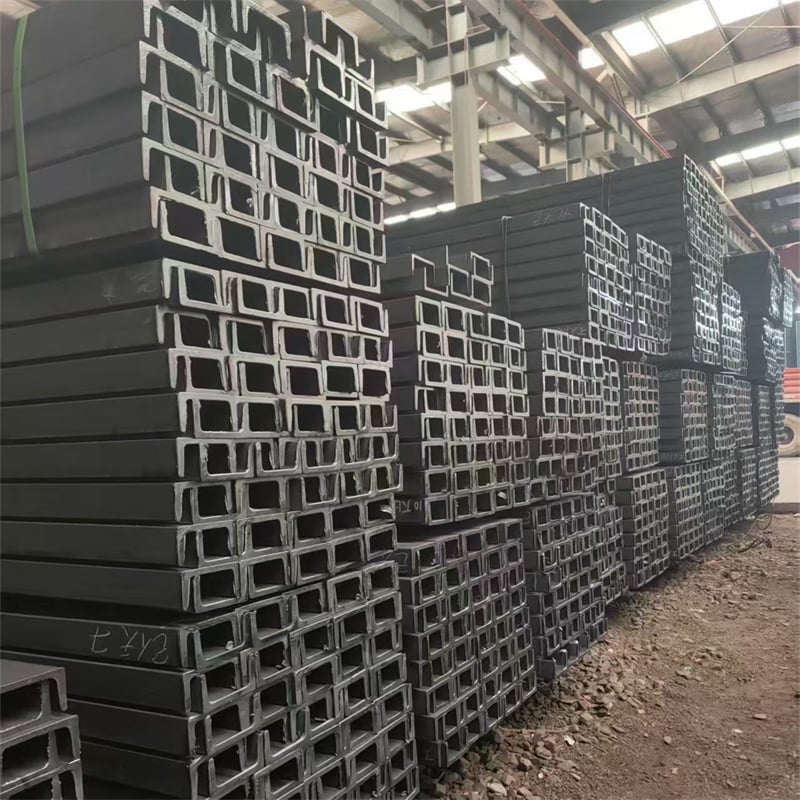
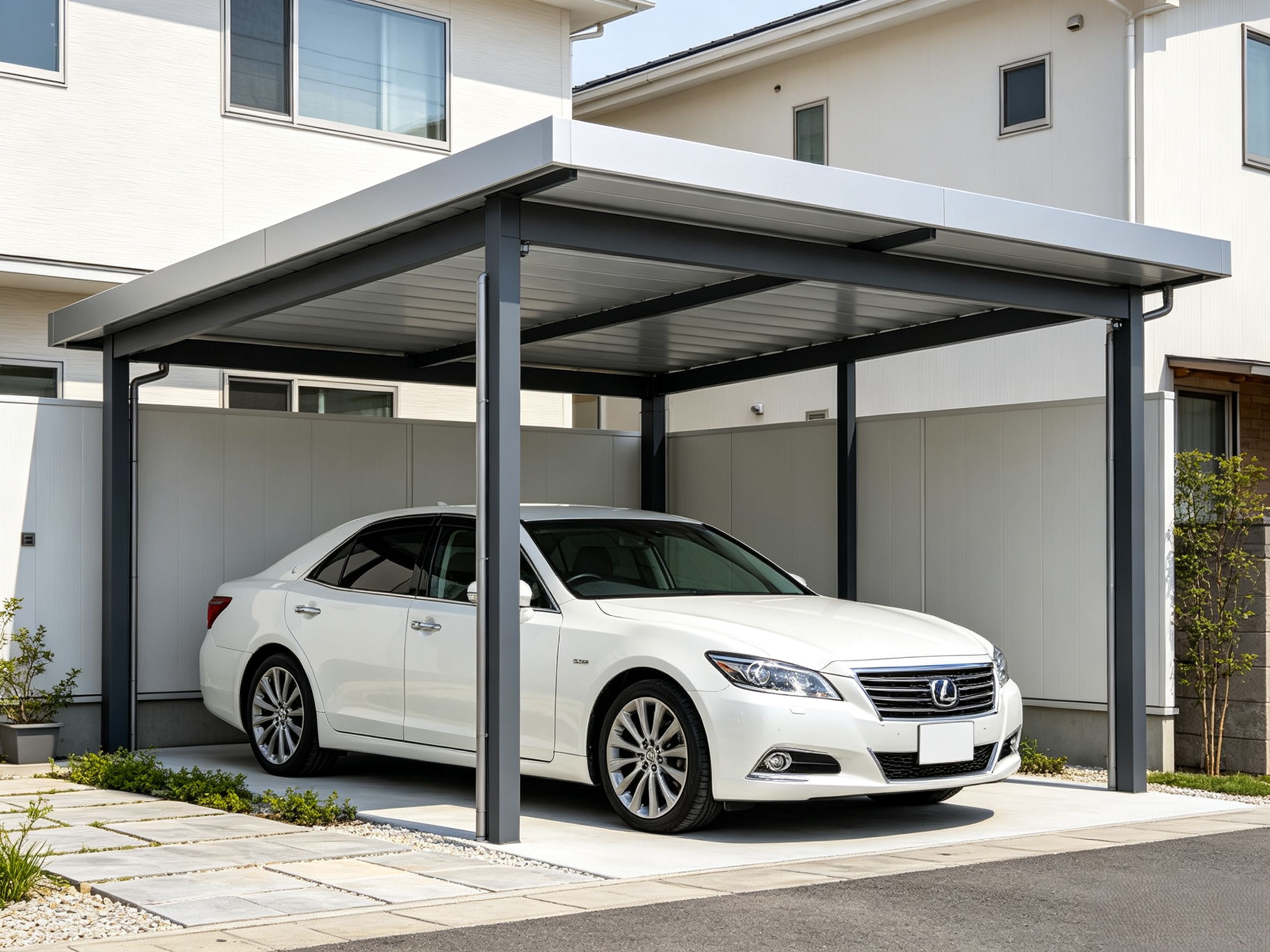
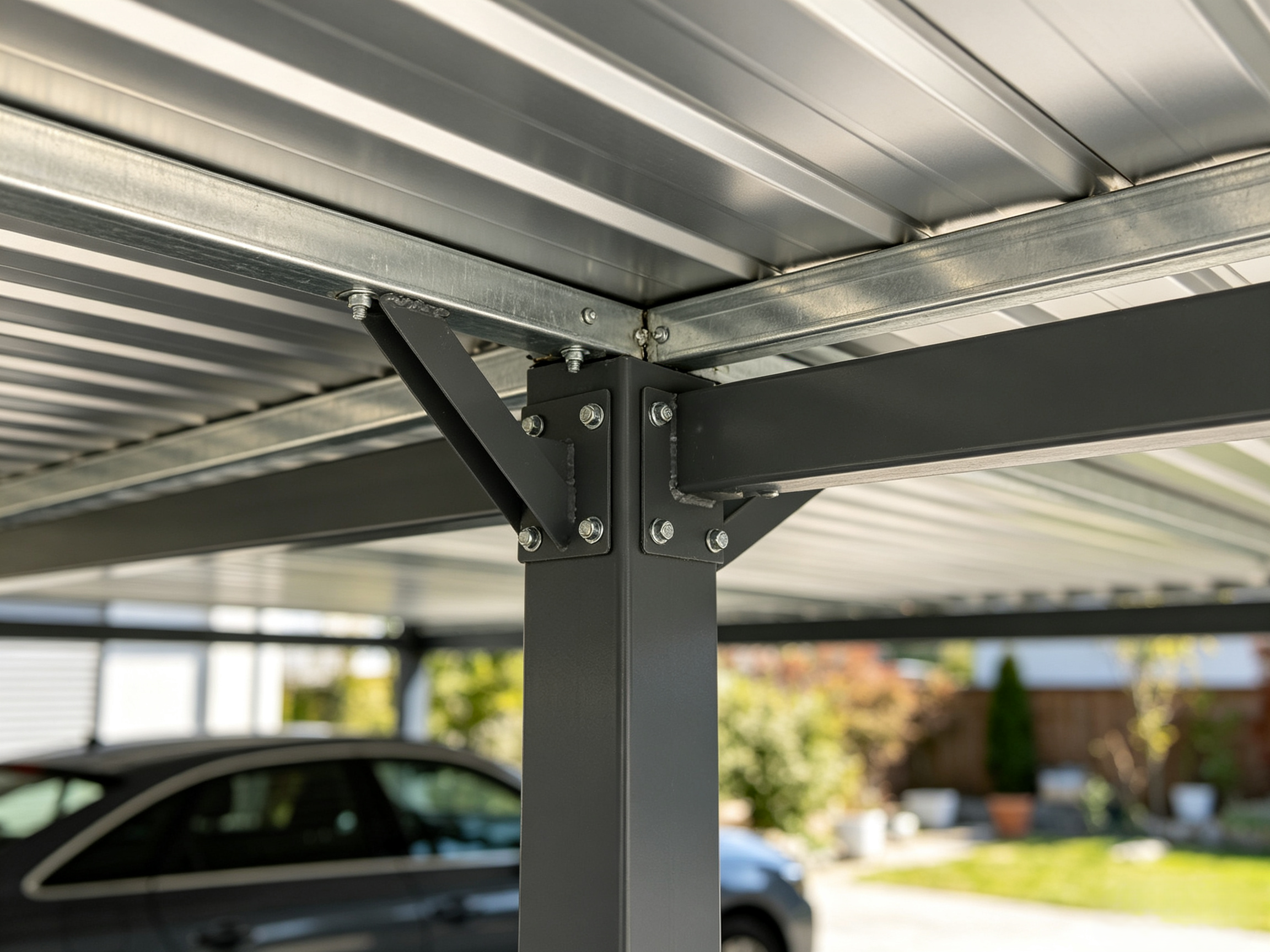
Selecting  the right  metal frame carport involves  assessing your specific requirements, including  size, material, and intended use. Consider the dimensions of the vehicles you need to shelter—ensure the carport is tall and wide enough for easy access.  The material should be durable and weather-resistant; galvanized steel is often preferred for its longevity and strength. Additionally, consider the secondary steel structure options that may enhance the overall build quality of the carport.

Additionally, think  about the carport's design—whether you  need a single or double carport,  or perhaps  a custom structure that fits  a unique  space. It’s also essential to evaluate local zoning laws and regulations, as  they may dictate the permissible dimensions and  structural  features.  Lastly, prioritize manufacturers  with experience in custom solutions, like Tianjin Xingyuanxing Color  Steel Structure Co., Ltd., which specializes in  tailored designs to meet specific client  needs.

Frequently Asked Questions

Our Blog Posts

What Our Partners Say

Key Specifications of Metal Frame Carports for Bulk Orders

Key Specifications of Metal Frame Carports for Bulk Orders

When ordering metal frame carports in bulk, several key specifications should be confirmed to ensure the structures meet your operational requirements. These include:

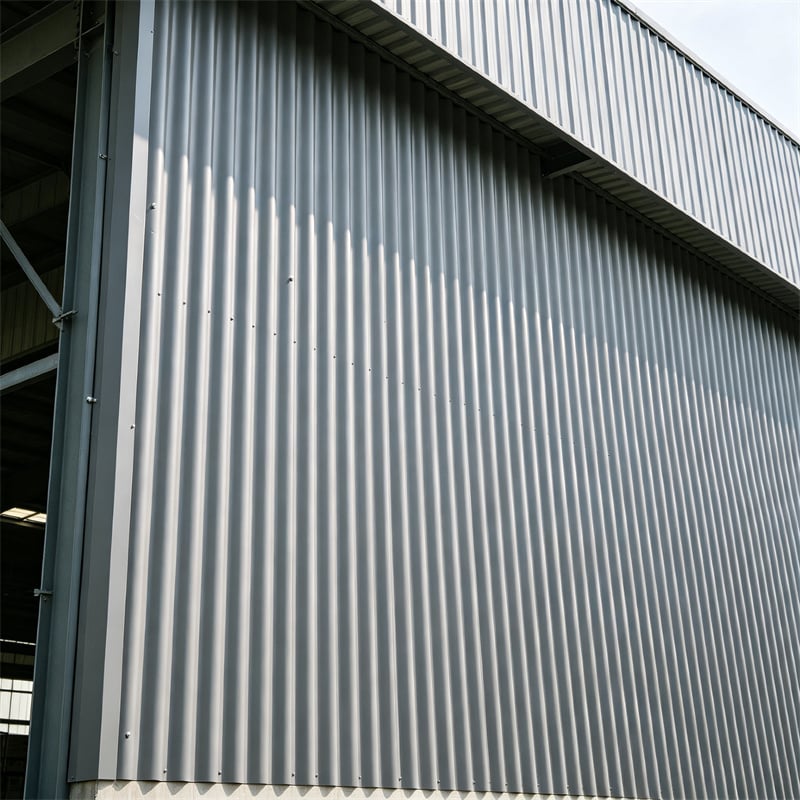
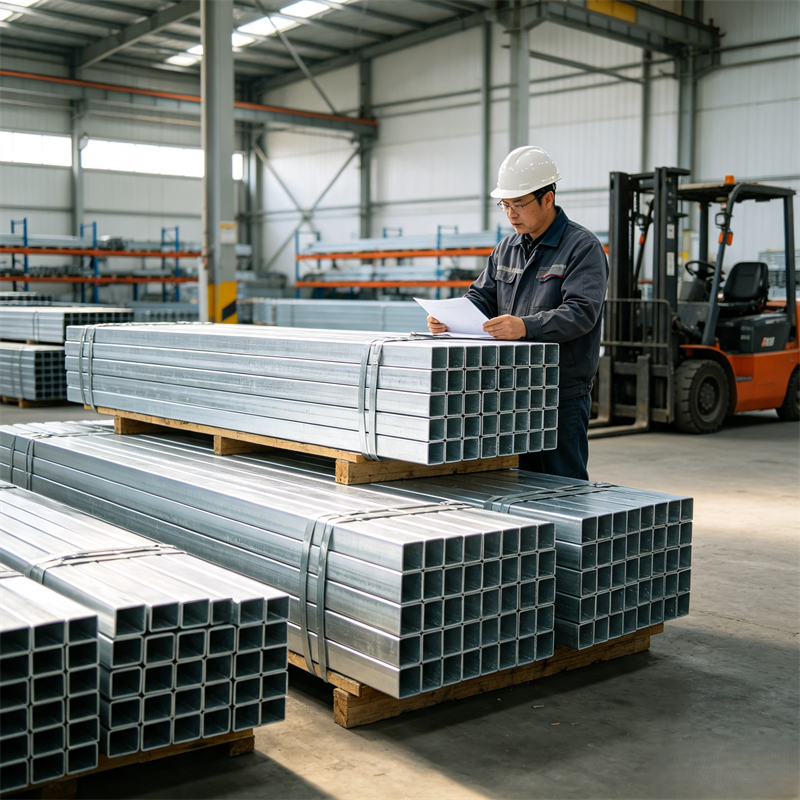
Material Specifications: Typically,  metal carports are made from galvanized steel or aluminum.  The choice of material affects durability, weight, and  cost. Galvanized steel is corrosion-resistant  and suitable for harsh environments.

Dimensions: Confirm  the  height, width, and length  of the carport. Standard sizes may suffice for common applications, but custom dimensions  may be necessary for specialized needs.

Load Capacity: Understand the weight limits of the carport, especially if it will be used to support additional structures, such as solar panels or storage.

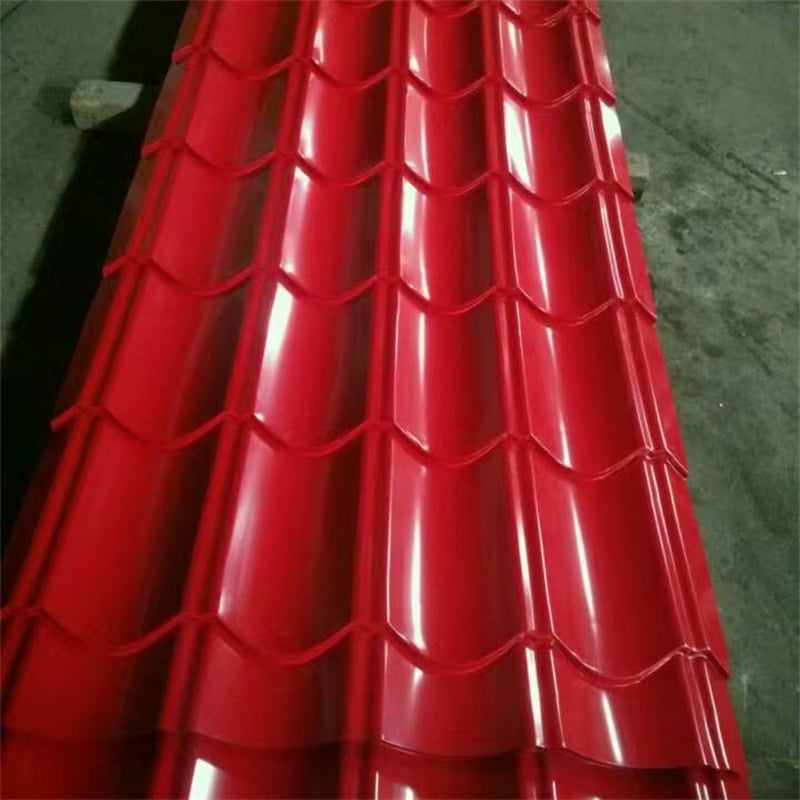
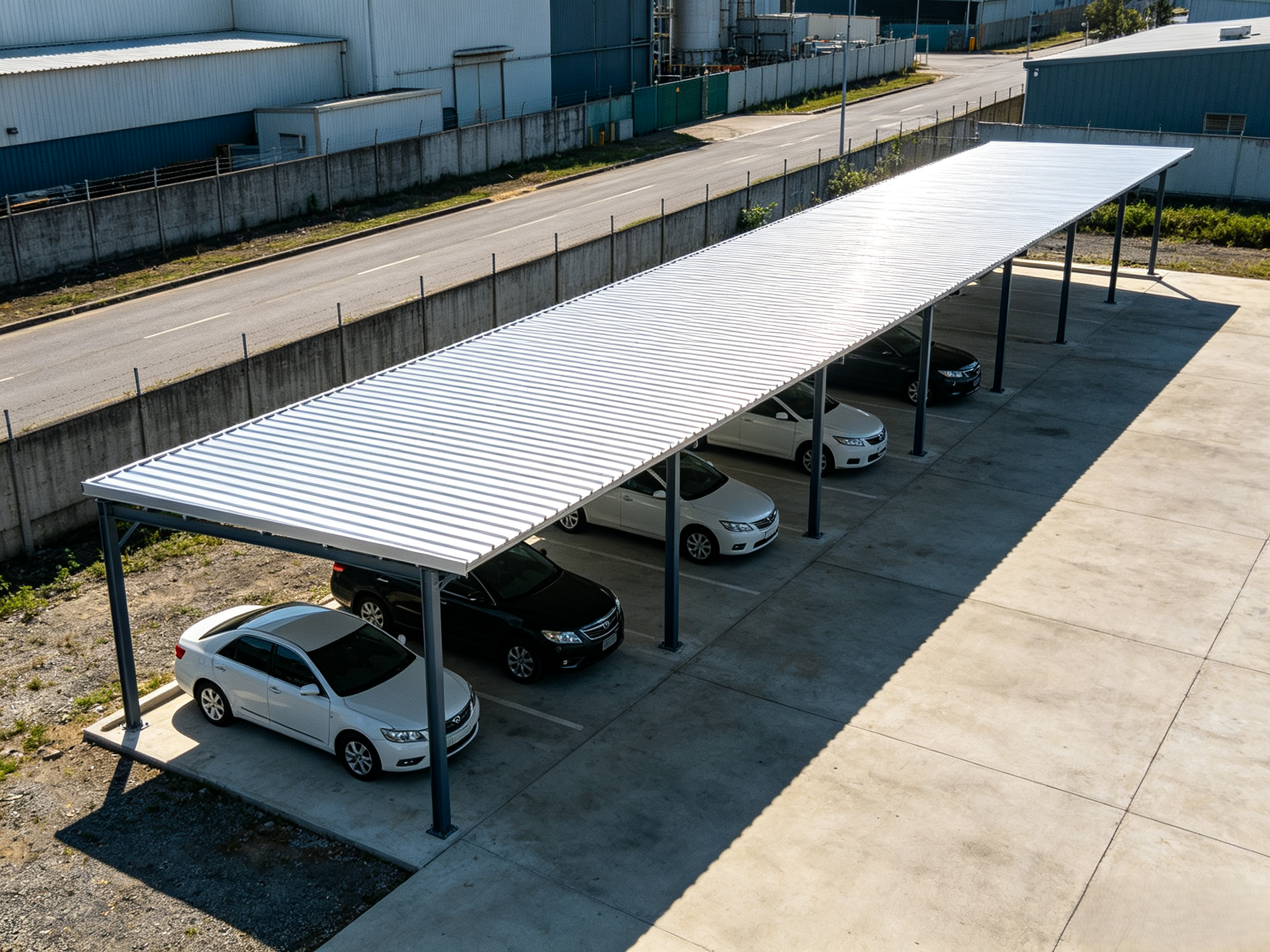
Roof Design:  Options may include flat, gable, or  arched roofs, impacting water  runoff and  snow load  resistance.

Finish and Coating: A  proper finish can  enhance corrosion resistance and aesthetic appeal. Look for options that offer powder coating  for added durability.

Assembly  Requirements: Consider how the carports will be assembled. Pre-fabricated  kits  may simplify the installation process and reduce labor costs.

It’s advisable to request samples  or prototypes to evaluate these specifications before committing to a bulk order.

Cost Factors to Consider When Purchasing Metal Frame Carports

Cost Factors to Consider When Purchasing Metal Frame Carports

The cost of metal frame carports can  vary significantly based on  several factors:

Material Costs: The price of raw materials fluctuates based on market conditions, which can influence overall costs. Galvanized steel tends to be more expensive than aluminum but offers greater durability.

Design  Complexity: Custom  designs with unique dimensions or  features will typically increase the cost compared to standard models.

Quantity: Bulk orders  may qualify  for discounts, but it's essential to compare the  overall  price per unit against  smaller  orders to assess  value.

Shipping and Installation: Factor in  transportation costs and any potential installation fees. Local suppliers may offer lower  shipping costs,  so  it’s worth considering proximity to your manufacturing source.

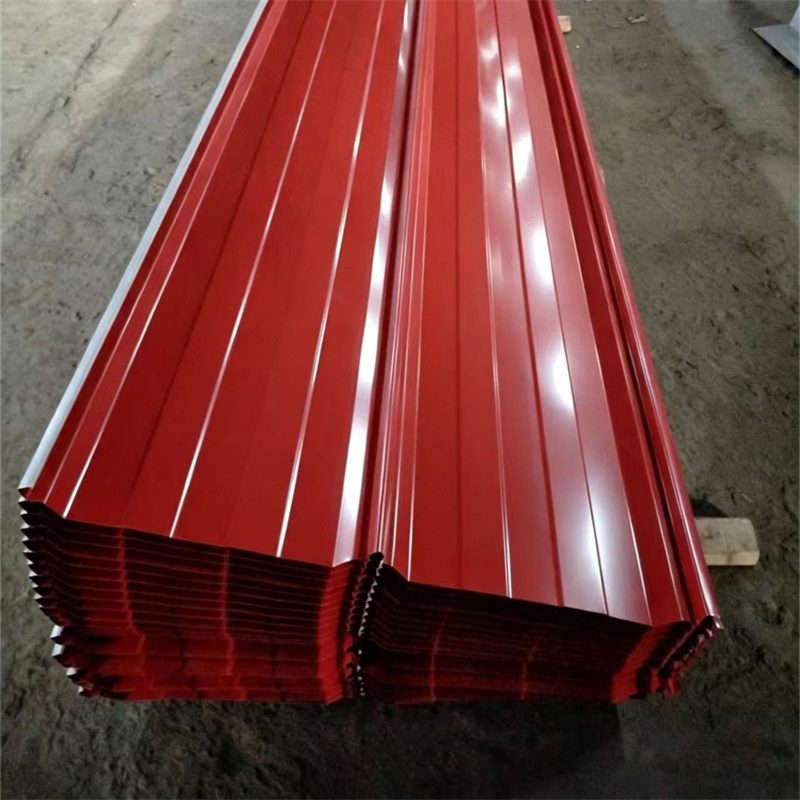
Additional Features: Optional features like reinforced corners,  integrated storage solutions, or specialized coatings can enhance functionality  but also increase costs. Incorporating a roof system design suitable for your region can also affect the overall pricing.

By understanding these cost factors, buyers can make more informed purchasing decisions that align with their budgets and operational  needs.

Common Problems with Metal Frame Carports and Their Solutions

Common Problems with Metal Frame Carports and Their Solutions

While metal frame carports  are  designed for durability, buyers should be aware of potential  issues and their solutions:

Rust and Corrosion: While galvanized  steel is resistant to rust, it can still occur  if the protective coating is  compromised. Regular maintenance, including inspections and touch-ups  of the coating, can mitigate this  risk.

Structural  Integrity: Improper installation can lead  to  structural issues, such as sagging or instability. It’s vital to  follow manufacturer guidelines during assembly and consider professional installation if needed.

Wind Resistance: In areas prone  to high winds,  ensure the carport is anchored properly to prevent damage. Look for models  that include wind-resistant designs or can  be secured with additional anchoring systems.

Snow  Load: In  regions with heavy snowfall, assess the roof's load  capacity. Consider selecting a roof design that allows for better snow shedding to avoid excessive weight accumulation.

By proactively addressing these common issues, buyers can enhance  the longevity and performance of their metal frame carports.

Applications of Metal Frame Carports in Various Industries

Metal  frame carports serve a multitude of applications  across diverse industries:

Automotive: Car dealerships  utilize them for vehicle storage and display, offering protection from weather-related  damage.

Agriculture: Farmers often use metal carports to  shelter equipment,  vehicles, and livestock from harsh weather conditions.

Retail: Retail businesses may implement carports to provide covered parking for  customers, enhancing the shopping experience.

Construction:  Construction companies benefit from using  carports as  temporary shelters for equipment and materials,  protecting them from the elements.

Residential: Homeowners commonly purchase metal carports for personal vehicle protection, additional storage, or as outdoor workspaces.

Understanding these applications can help buyers  identify  how metal frame carports can  fit  into their specific operational needs.  By leveraging the expertise of established manufacturers like Tianjin Xingyuanxing Color Steel Structure Co., Ltd.,  businesses can ensure they  select the right product for their requirements, including essential accessories that complement their carport setup.