Choosing the Right Prefab Carport Supplier

application/prefab-carport, application/prefab-carport, 
Inquiry
Inquiry

prefab carport

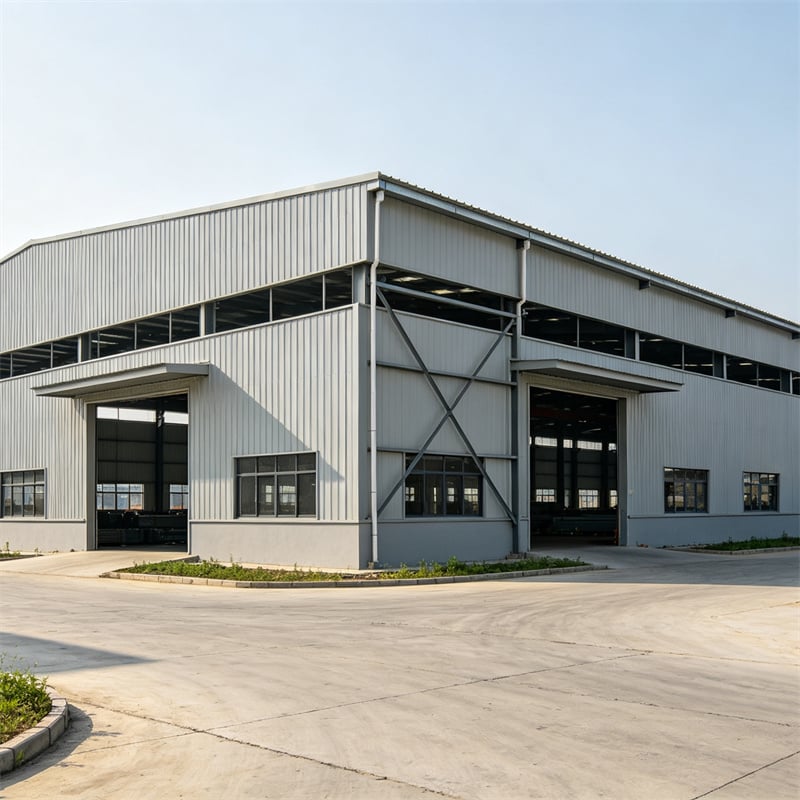
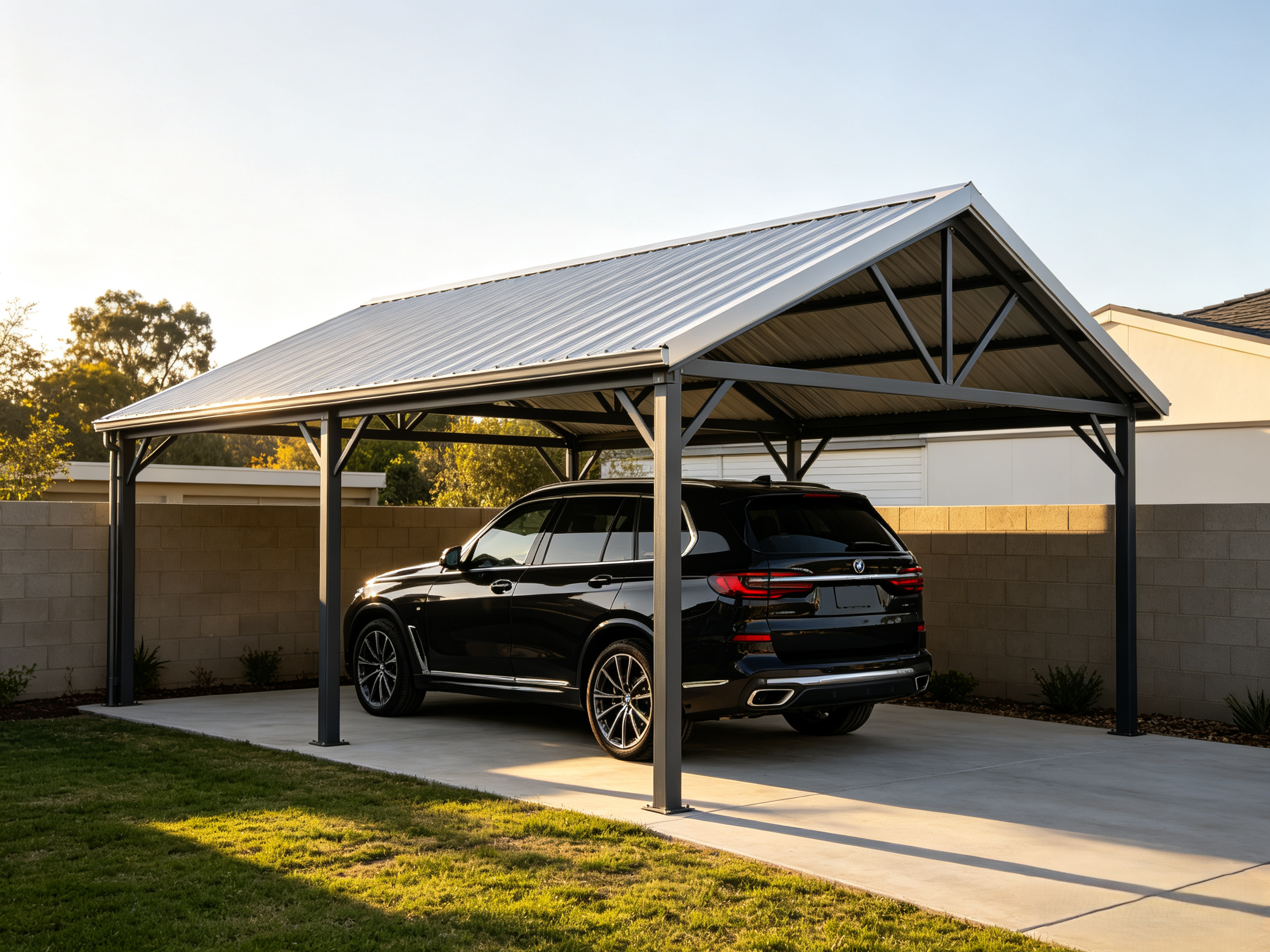
A  prefab carport serves as a  practical  solution for vehicle protection, offering  durability  and  convenience at competitive prices. When selecting a prefab carport, B2B buyers  often focus on quality,  specifications, and supplier reliability. This  article will  guide you through critical  considerations  when choosing a prefab carport supplier, comparing manufacturing quality  standards, evaluating  specifications, understanding cost  factors for bulk orders,  and  exploring  various applications  across industries.


Why choose Xingyuanxing prefab carport

What to Consider When Choosing a Prefab Carport Supplier

Selecting the right supplier for prefab carports is crucial for ensuring that your project meets quality and performance standards.  Key factors to consider include:

Experience  and Reputation: Suppliers  with  extensive experience, like Tianjin Xingyuanxing Color Steel Structure Co., Ltd., which has a decade of expertise in the  Beijing-Tianjin-Hebei region, are often more reliable. Their familiarity with  local regulations and industry standards can be advantageous.


Customization Capabilities:  Evaluate  whether the supplier can meet specific design  requirements,  such as dimensions,  materials, and colors. Customization can greatly impact the functionality  and aesthetics of the carport.

Quality Control Processes: Inquire about the quality assurance measures in place. A good supplier will have rigorous quality control processes, ensuring that every prefab carport is  built to last and meets industry standards.

Lead Times and Production Capacity: Understand the supplier's production capabilities  and  lead  times. Reliable suppliers should be able to provide clear timelines for order fulfillment, especially for bulk  purchases.

Certifications and  Compliance: Confirm any relevant industry certifications that the supplier holds, as these can  indicate adherence to quality and safety standards. This is particularly important for projects in regulated industries.

Frequently Asked Questions

Our Blog Posts

What Our Partners Say

Comparing Quality Standards in Prefab Carport Manufacturing

Comparing Quality Standards in Prefab Carport Manufacturing

Quality standards in prefab carport manufacturing can vary  significantly among suppliers, impacting the durability  and performance  of the structures. Here are  essential quality indicators to consider:

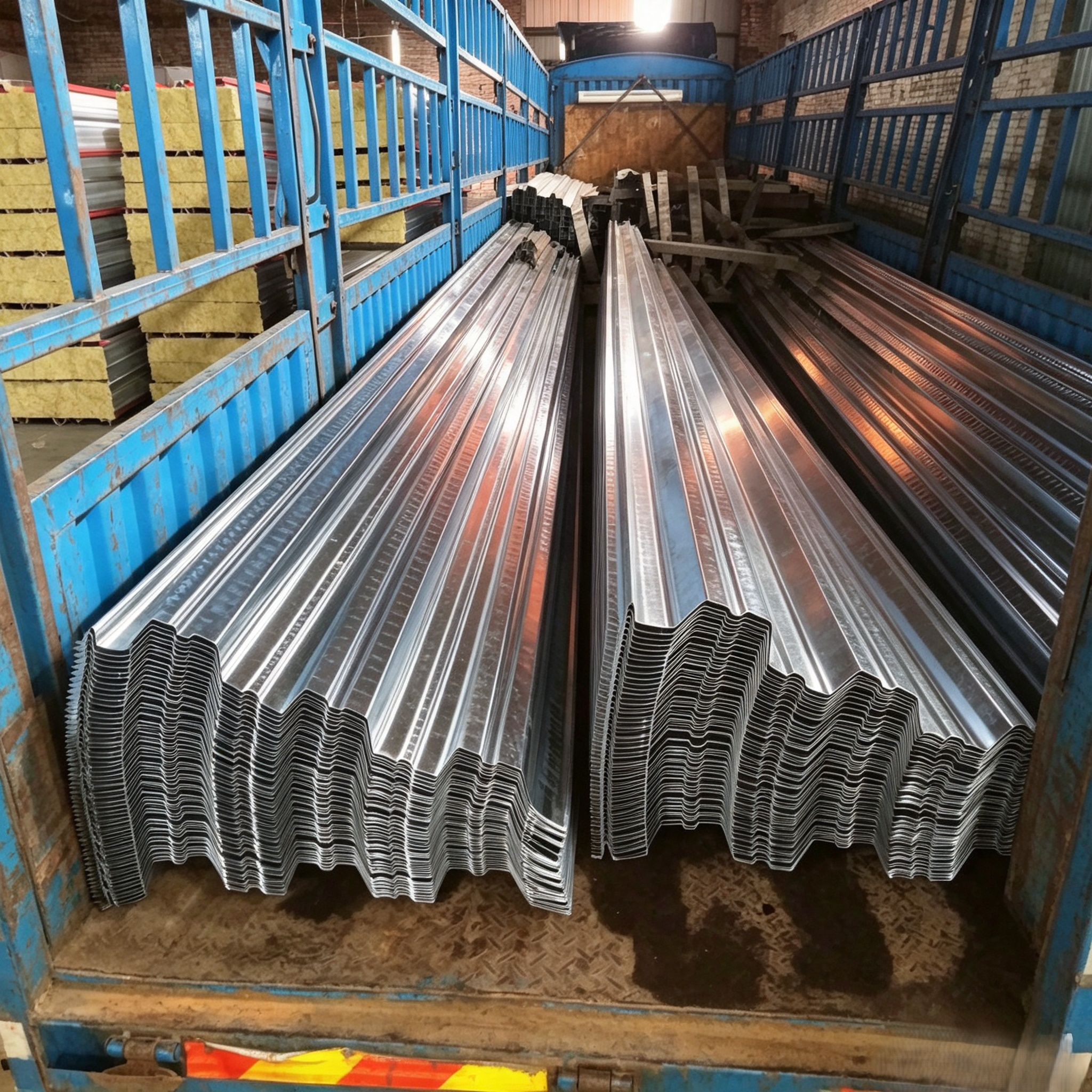
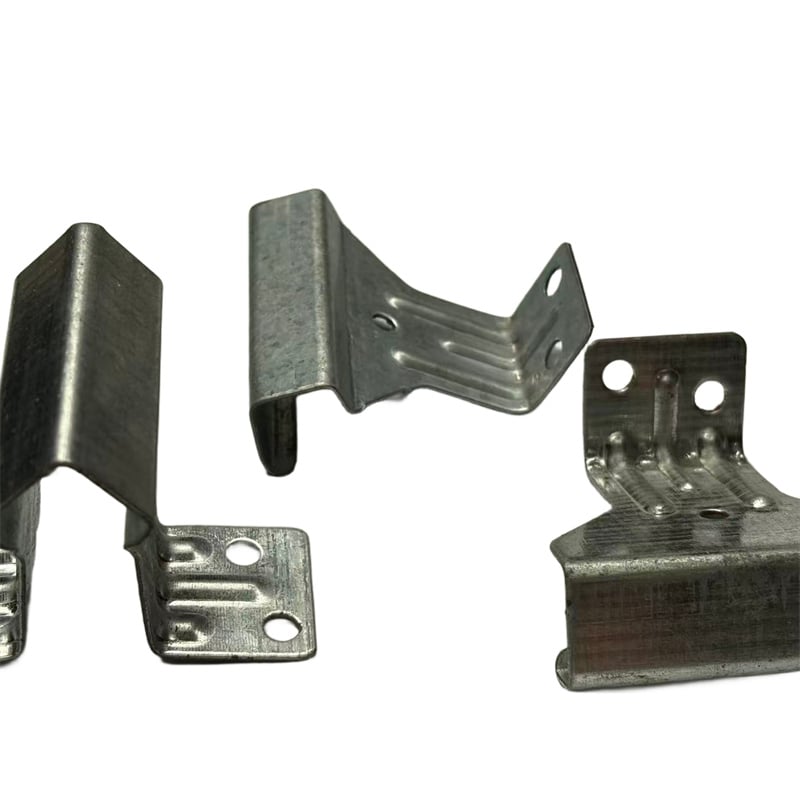
Material  Specifications: The type of steel used in  the construction of the  carport is critical. Look for  suppliers that utilize  high-grade, corrosion-resistant steel  to  ensure  longevity. Additionally, consider the thickness of the material, as it affects structural integrity and resistance to environmental factors. For example, Galvanized Several-Shaped Steel Profiles 50*70mm For Greenhouse Frames are an excellent choice for durability.

Manufacturing Processes: Different manufacturing processes, such as hot-dip galvanization  or powder coating, can enhance the durability of the carports. These processes provide additional protection against rust and wear.

Design Standards:  Suppliers should adhere to established design standards relevant to your region. This includes load-bearing capacities, wind resistance, and snow load requirements,  which vary based on geographic location.

Testing Procedures: Inquire whether the  supplier  conducts stress and durability tests  on their  products. Rigorous testing helps ensure that  the carports can withstand real-world conditions.

How to Evaluate Prefab Carport Specifications for Your Project

How to Evaluate Prefab Carport Specifications for Your Project

Understanding the  specifications of prefab carports is essential for selecting the right product  for your needs. Key specifications  to evaluate include:

Dimensions: Confirm the width, length, and  height of the carport to ensure it fits your intended space. Buyers  should also consider vehicle dimensions to allow for adequate  clearance and accessibility.

Load Capacity: Assess  the load capacity of the carport, which indicates  how much weight it can support. This is vital  for  areas prone to  heavy snow or other environmental stressors.

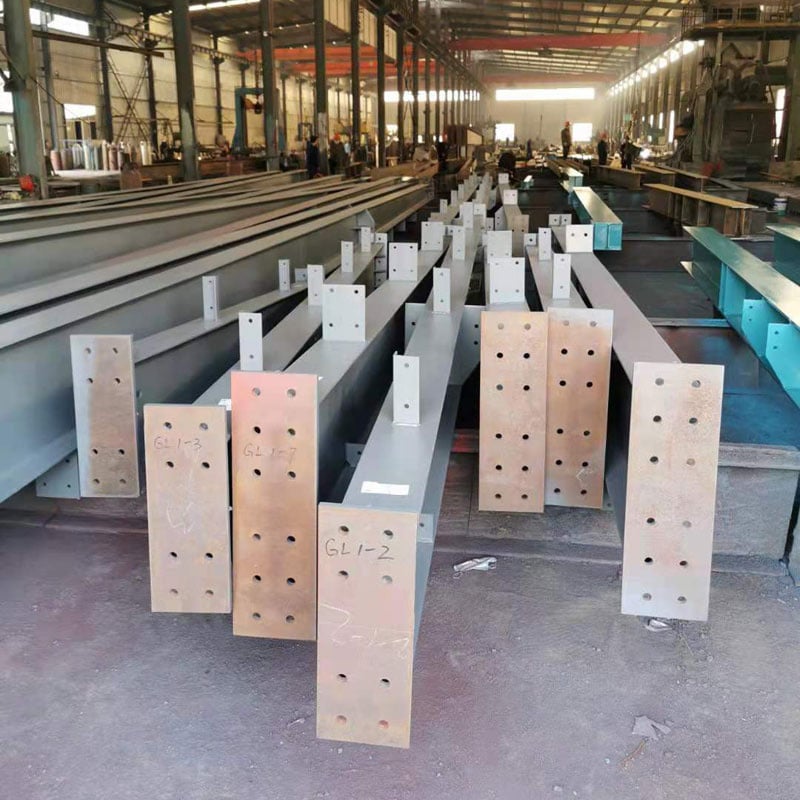
Material Composition: Identify whether the carport uses galvanized steel, aluminum, or other materials. Each material has distinct properties, such as weight, cost, and resistance to corrosion. For instance, Hot-Dip Galvanized I-beam Profiles 10# For Humid Industrial Workshops offer excellent corrosion resistance.

Roof Design: The roof design—flat or  sloped—affects  drainage and  snow accumulation. Choose a design suitable for your local climate conditions  to prevent structural issues.

Finishing Options: Consider the types of  finishes  available. A good  finish not  only improves aesthetics but also enhances  protection against the elements.

Cost Factors to Consider for Bulk Orders of Prefab Carports

Cost Factors to Consider for Bulk Orders of Prefab Carports

When planning for bulk orders  of prefab carports, several cost factors should be taken into account to ensure budget adherence:

Material Costs: The choice of materials directly impacts  pricing. Higher-grade materials may incur additional costs but can result in greater  durability and longer  life spans.


Customization Costs: Custom features such as  unique sizes, colors, or additional accessories can increase the overall price. It's essential to weigh the benefits of customization against the additional costs.

Shipping and  Handling: Bulk orders may have specific  shipping requirements that can affect  costs.  Discuss logistics with the supplier to  understand how shipping charges will be  calculated.

Volume Discounts: Many suppliers  offer  tiered pricing based on order  volume. Inquire about available discounts for larger orders, which can significantly reduce per-unit costs.

Warranty and Support: Evaluate  the warranty terms offered  by  the supplier. A strong  warranty can add value to your purchase, offering peace of mind regarding  long-term performance.

Applications of Prefab Carports in Various Industries

Prefab carports are versatile structures that find applications across multiple industries, enhancing functionality and convenience. Here are some common applications:

Automotive Industry: Carports are ideal for automotive dealerships,  providing sheltered  space  for vehicles parked outside. They help protect inventory from weather damage, maintaining the vehicles'  appearance for potential buyers.

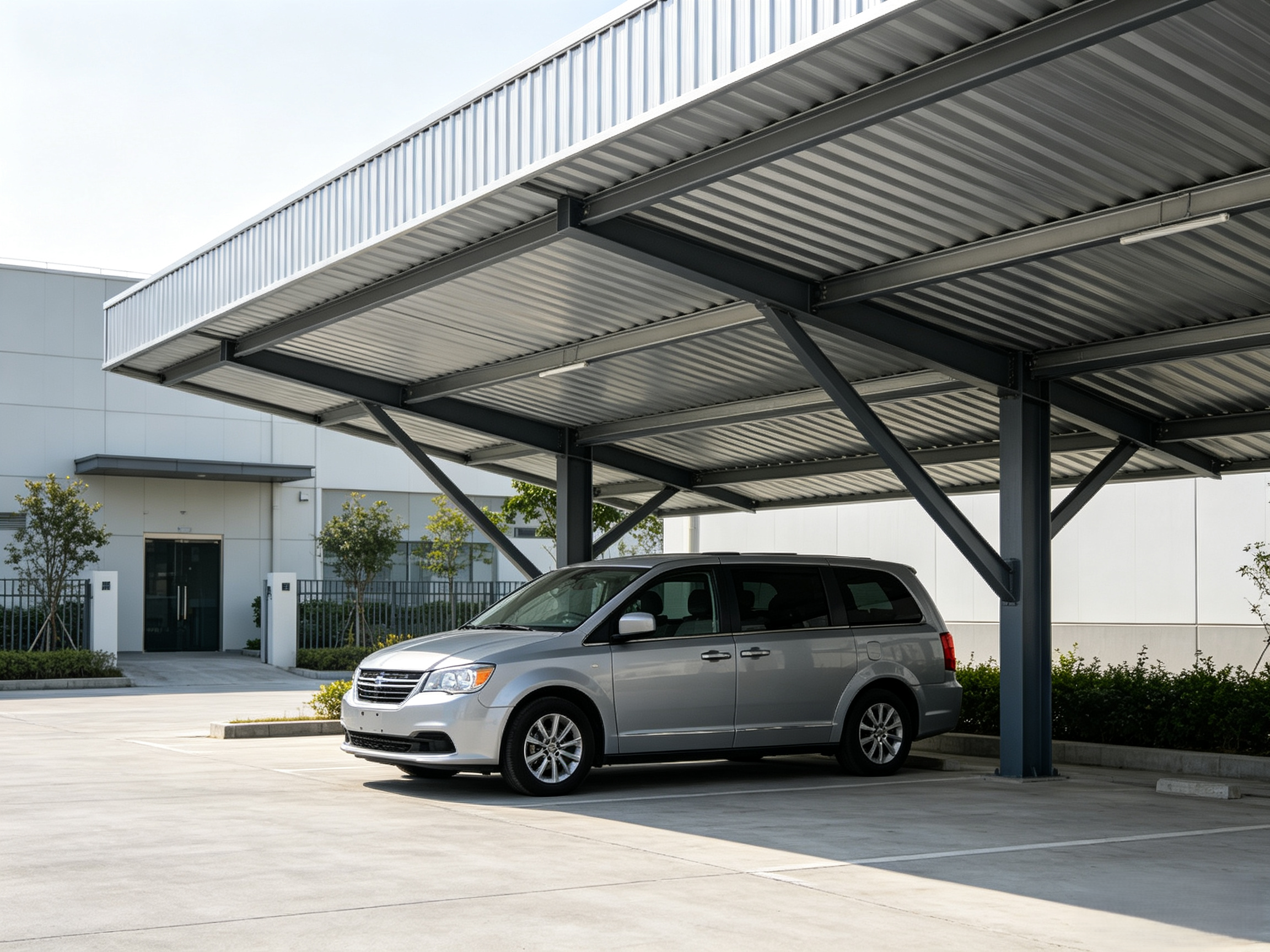
Commercial Properties: Businesses can benefit from carports to provide covered parking for employees and clients, enhancing the overall customer experience and adding  value to the property.

Agricultural Use: Farmers often use prefab carports to shelter equipment and vehicles from harsh weather  conditions. This  helps prolong the life of essential machinery, reducing maintenance costs.

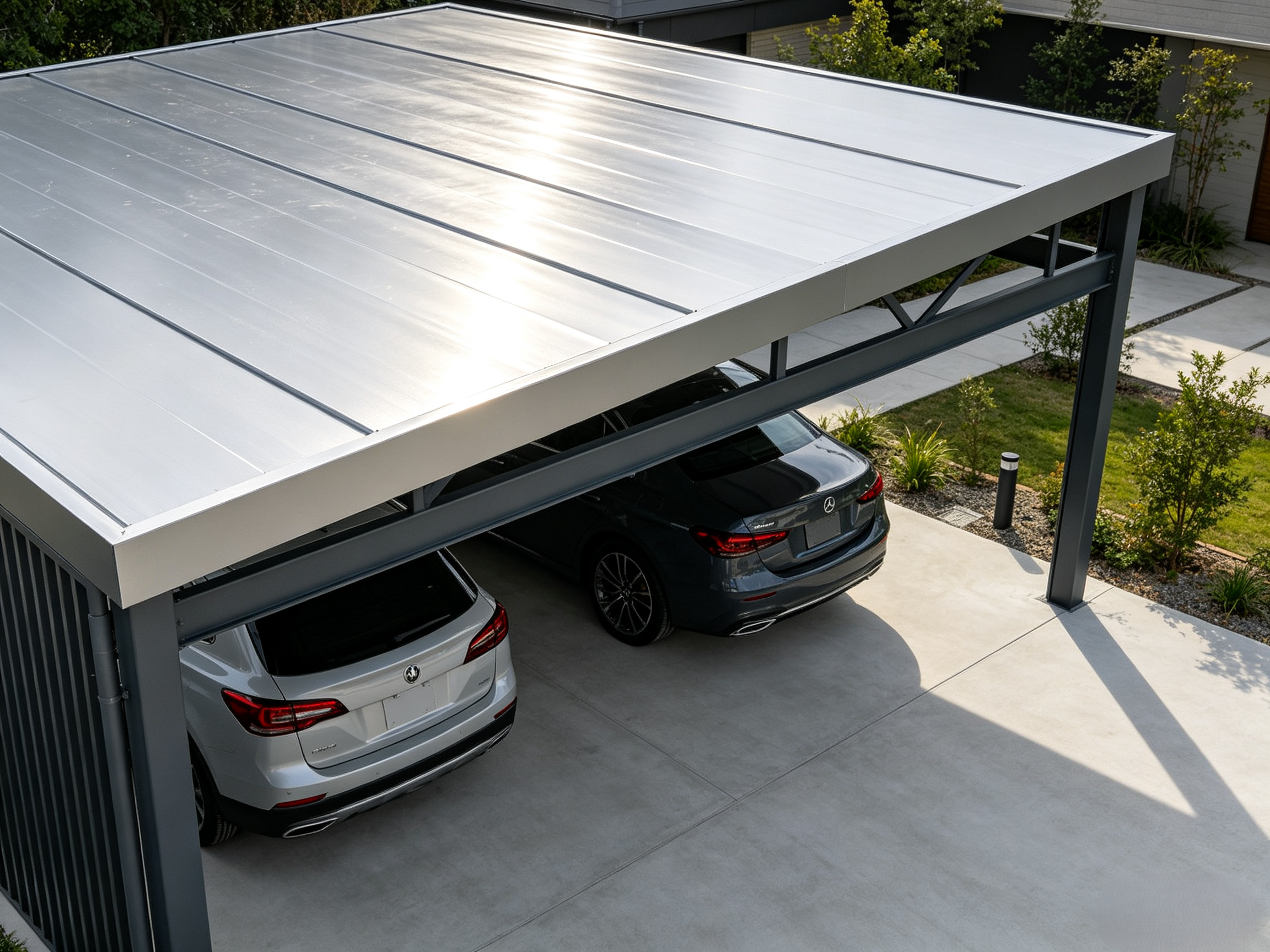
Residential Areas:  Homeowners  utilize  prefab carports for personal vehicle protection, offering  a cost-effective alternative to traditional garages without extensive  construction time.

Event Venues: Outdoor  event organizers can  set up carports to provide shelter  for guests or equipment, ensuring that events can proceed  smoothly regardless of weather conditions.


By understanding  the various factors involved in selecting and evaluating prefab carports, B2B  buyers can make informed decisions that  align with their project requirements and industry standards.