Corrugated Iron Sheets Prices and Specifications

application/corrugated-iron-sheets-prices, application/corrugated-iron-sheets-prices, 
Inquiry
Inquiry

corrugated iron sheets prices

Corrugated iron sheets are  essential components in  various construction projects, known for their  durability  and  versatility.  As a B2B buyer, understanding the factors that influence corrugated iron sheets prices is crucial  for making  informed  purchasing decisions.  This article will guide  you through  key  considerations including  specifications, reliable suppliers,  quality evaluation, price  determinants, and  optimal  applications for  corrugated iron sheets. 

Why choose Xingyuanxing corrugated iron sheets prices

Understanding Specifications of Corrugated Iron Sheets for Buyers

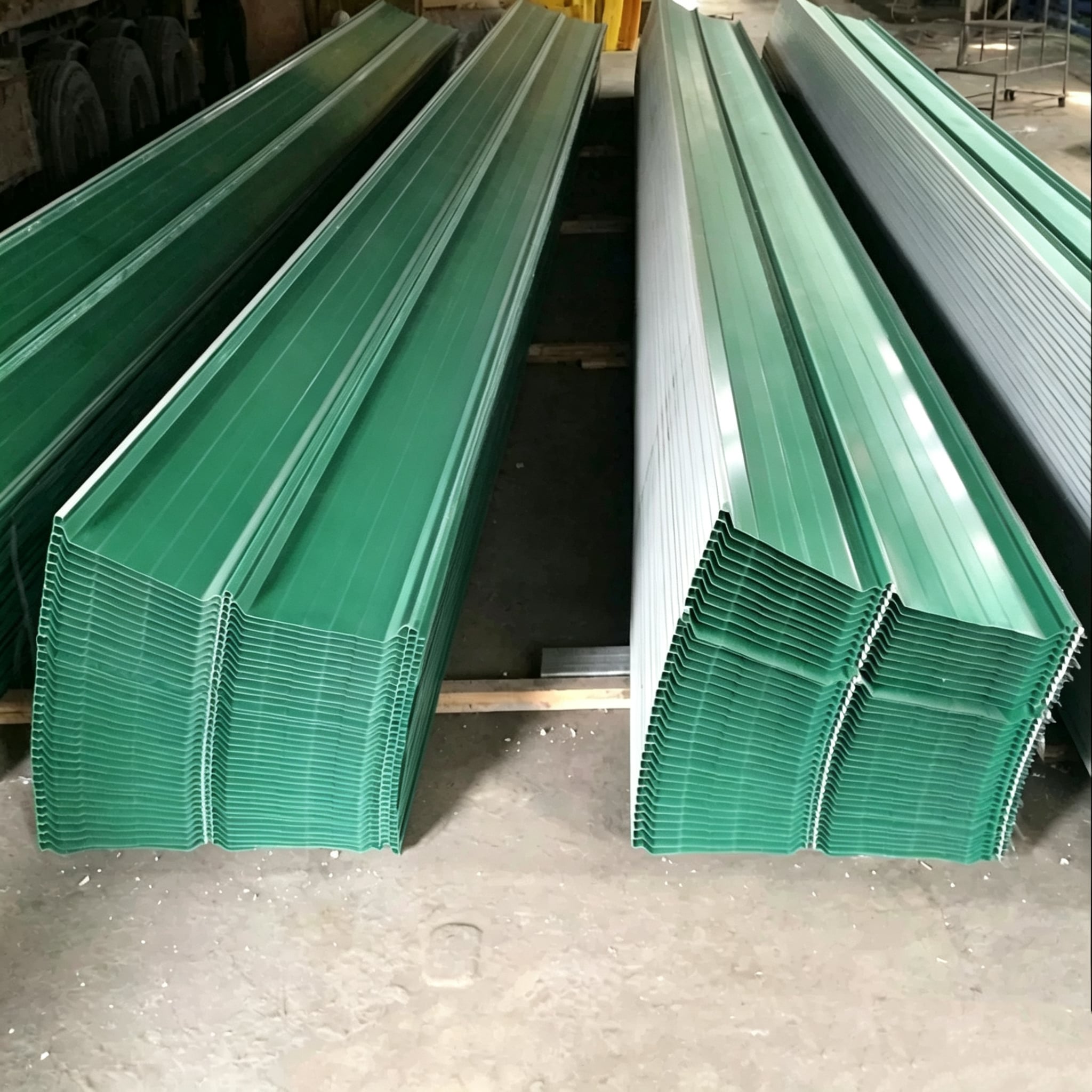
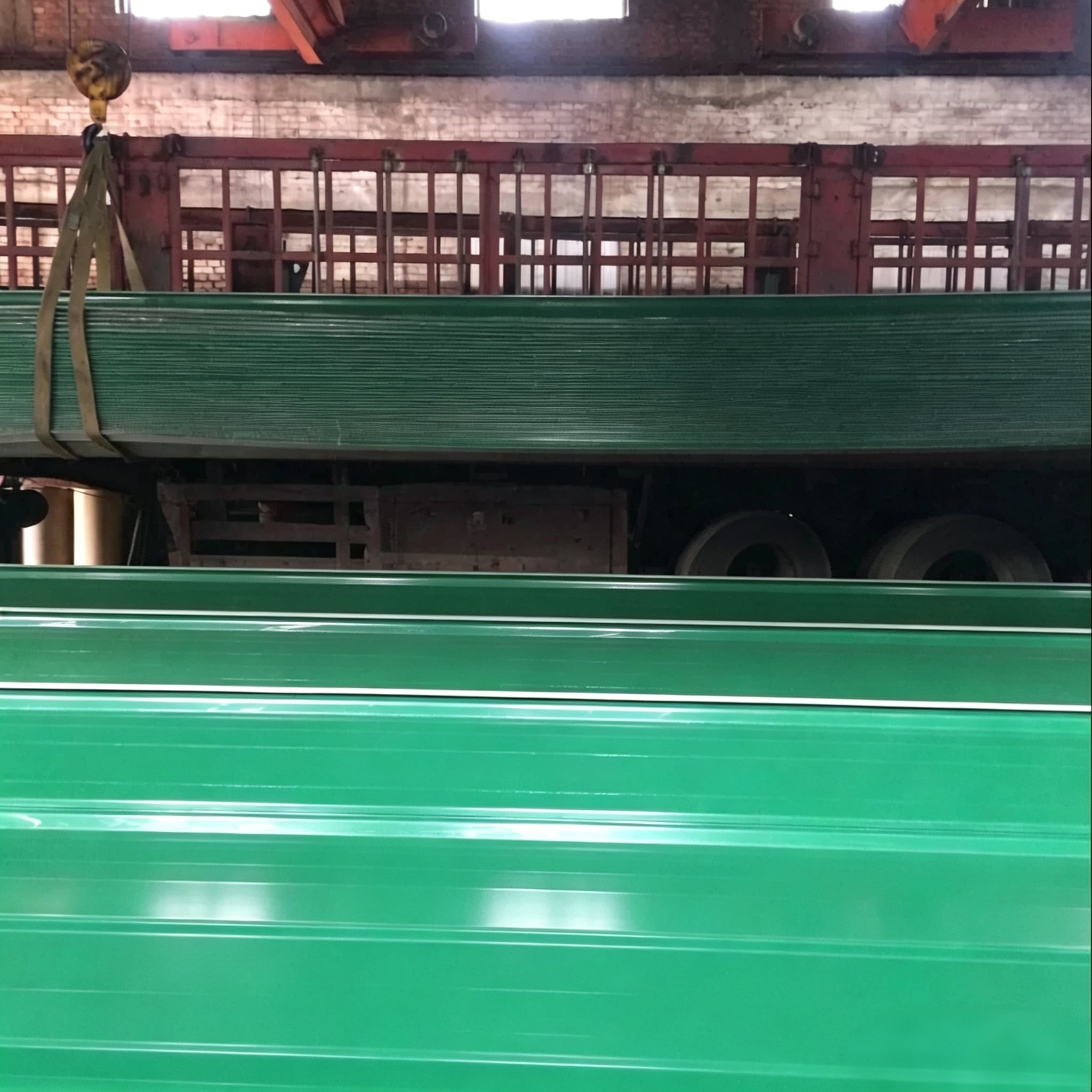
When evaluating corrugated iron sheets, buyers should pay  close attention to  several  specifications that impact both performance and suitability for  specific applications. Key specifications include thickness, profile, and  material type. 

Thickness: Common thicknesses  for corrugated iron sheets range from 0.4 mm to 1.2 mm.  Thicker sheets provide enhanced strength and durability, making  them suitable for industrial and commercial projects.  However, buyers should assess  the specific loading requirements  of their project to determine the appropriate thickness. 

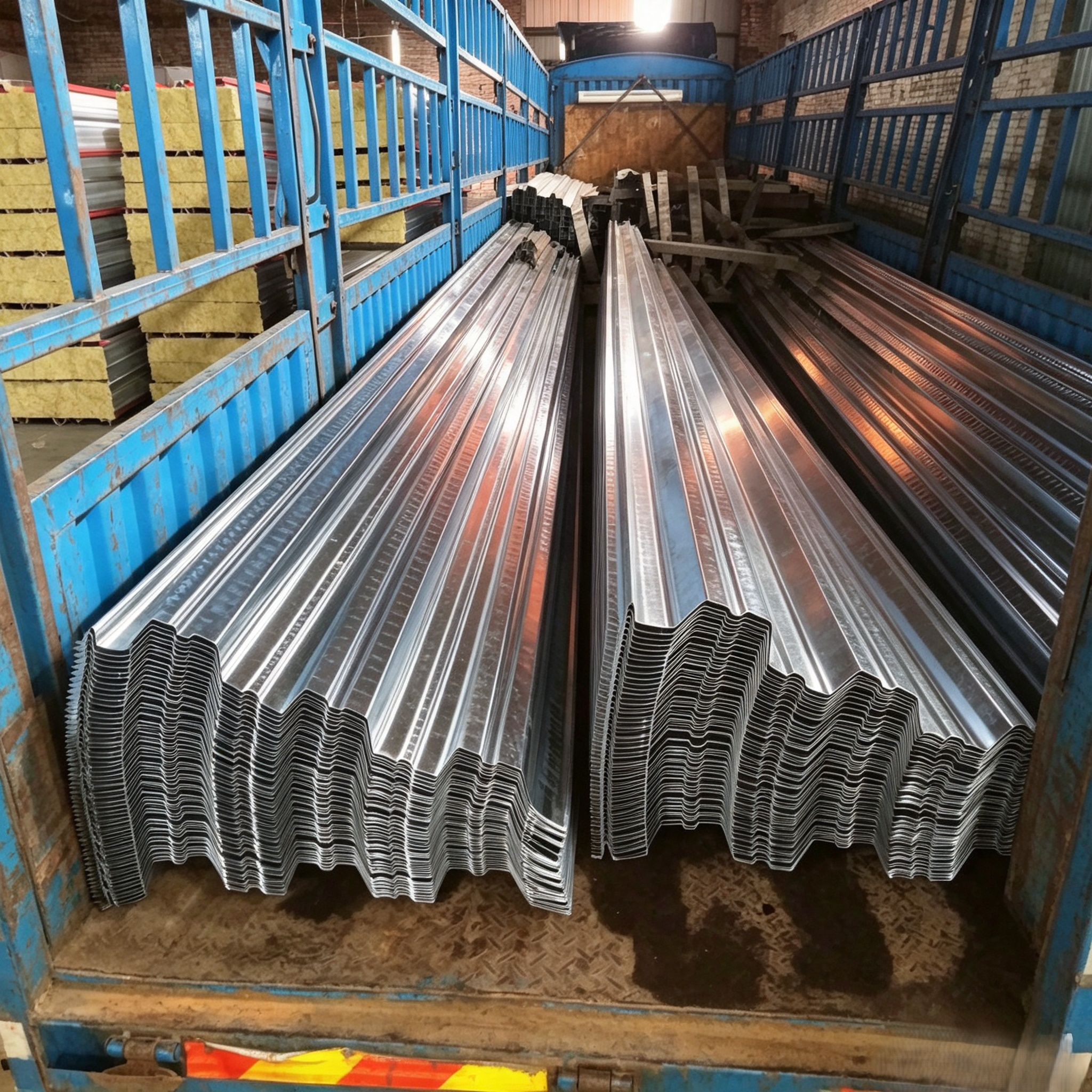
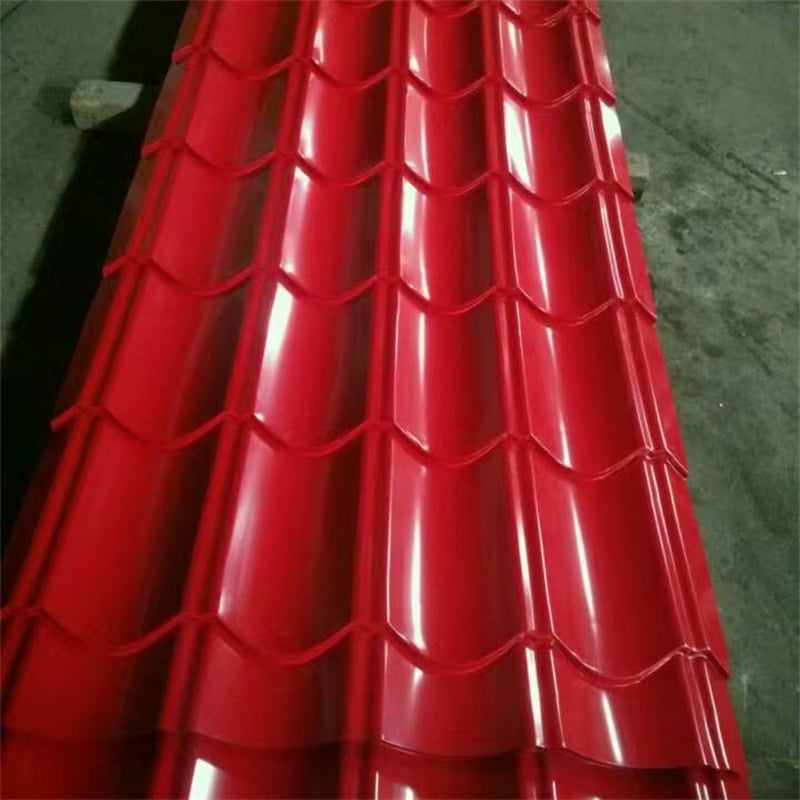
Profile: The profile of  corrugated sheets refers to the shape and depth of  the  corrugations.  Different profiles can affect the sheet's structural integrity and aesthetic appeal. Buyers should choose profiles based on the intended use, whether for roofing, cladding, or fencing. For example, the Roof system is a common application that benefits from specific profiles.

Material Type:  While traditional galvanized steel is widely used, options such as aluminum or pre-painted sheets are also available. The choice  of  material  can  affect weight, corrosion resistance, and overall cost, making it essential to align material selection with project requirements. 

Frequently Asked Questions

Our Blog Posts

What Our Partners Say

Where to Find Reliable Suppliers of Corrugated Iron Sheets

Where to Find Reliable Suppliers of Corrugated Iron Sheets

Finding trustworthy suppliers  is  critical  for  securing high-quality corrugated iron sheets.  Start by seeking recommendations within  your industry or network. Trade shows  and industrial expos can provide opportunities to meet potential suppliers face-to-face and assess their offerings. 


Online  directories  and platforms dedicated to industrial products can also be valuable  resources.  Look for suppliers who specialize in steel structures and have a proven track record in  the specific region of interest. Ensure that any selected supplier can provide documentation of their manufacturing processes and  quality control measures. For instance, a supplier specializing in Secondary steel structure may offer additional insights into the use of corrugated iron sheets.

Additionally,  consider suppliers  who offer customization options. This flexibility can be crucial for meeting unique project specifications.  Always request samples or visit the  supplier’s facility if possible to verify quality  standards before placing  a large order. 

Evaluating Quality Factors in Corrugated Iron Sheets for Projects

Evaluating Quality Factors in Corrugated Iron Sheets for Projects

Quality evaluation is a critical step in the purchasing process,  as it directly impacts the longevity and performance of corrugated iron sheets. Buyers should  consider several  factors: 

Material Certification:  Ensure that the sheets are made from certified materials that comply  with industry standards. This is particularly important for projects  requiring specific load-bearing capacities or environmental resilience. 

Surface Treatment:  The surface finish of corrugated iron  sheets can influence their resistance to rust and corrosion.  Buyers should inquire  about coatings, such as zinc or paint, which  can enhance durability. 


Manufacturing Process: Understanding the production  methods used by the supplier can provide insights into the quality  of the finished product. Look for manufacturers who employ advanced techniques and quality  control processes, such as automated cutting  and welding,  to minimize defects. 

Inspection Procedures: Before mass production,  it is advisable to  approve a sample that  reflects the expected quality of the final product. This sample should be tested under conditions similar to those expected in actual use. 

What Affects Corrugated Iron Sheets Prices?

What Affects Corrugated Iron Sheets Prices?

Corrugated iron sheets prices can vary significantly based on multiple  factors, and understanding these can help buyers  budget  effectively. Key price determinants include: 

Material Costs: Fluctuations  in raw material prices, particularly steel, can  directly influence the cost of corrugated iron sheets.  Buyers should monitor market trends and consider sourcing from suppliers  who can offer competitive pricing  based on their production capabilities. 

Thickness and Customization: Thicker  sheets and customized profiles generally come  at a higher price. Buyers should assess their  specific needs against potential cost increases due to  customization. 


Order Volume: Many suppliers have minimum order  quantities (MOQ).  Bulk purchases often lead  to  discounts, making it economically beneficial for larger projects to consolidate orders. 

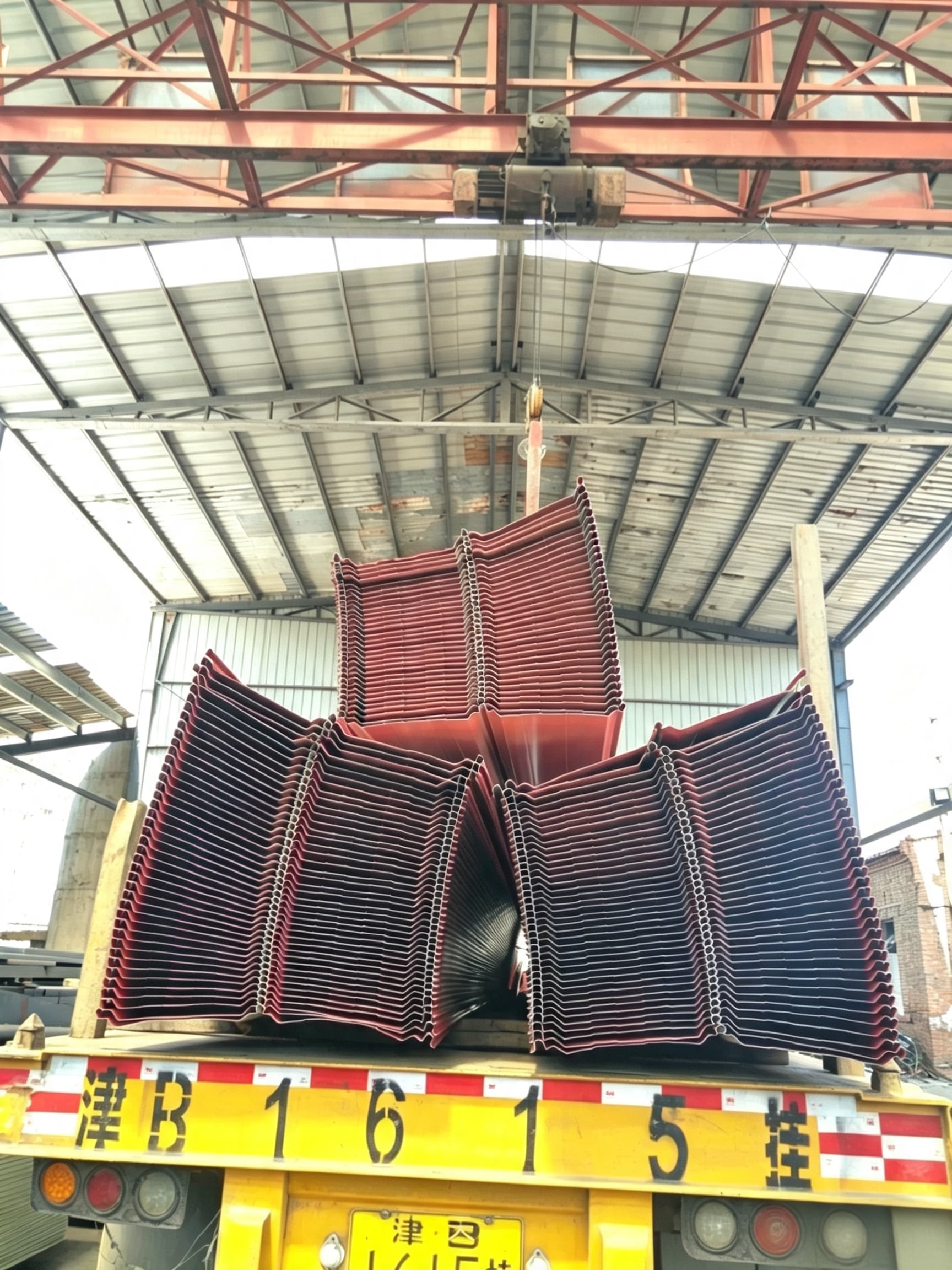
Delivery and Logistics: Transportation costs can also impact overall pricing. Buyers should factor  in shipping fees and delivery timelines when comparing  supplier quotes. 


Best Applications for Corrugated Iron Sheets in Construction Projects

Corrugated iron sheets  find utility across a range of construction applications due to their strength and  lightweight nature. Some of the most common applications include: 

Roofing: The durability and  weather resistance of  corrugated iron sheets make them ideal for roofing in commercial and industrial buildings. Their ability to shed water efficiently helps prevent leaks and structural damage. 

Cladding: Used  as exterior wall coverings, these sheets provide insulation  and protection against the elements. Their aesthetic appeal, especially when pre-painted, can enhance the overall  appearance of buildings. 

Fencing: Corrugated iron sheets are increasingly utilized in fencing projects, offering a cost-effective and  durable  solution for both security and privacy. 

Temporary Structures:  Due to their lightweight and easy installation, corrugated sheets are often employed in temporary constructions, such as event venues  or site offices. 

understanding the specifications, sourcing reliable suppliers, evaluating quality, recognizing  price influences, and identifying appropriate applications will empower B2B buyers to make  informed decisions regarding  corrugated iron sheets. By doing so,  companies can ensure they select the right  materials  for their  construction  projects while  optimizing their investment.