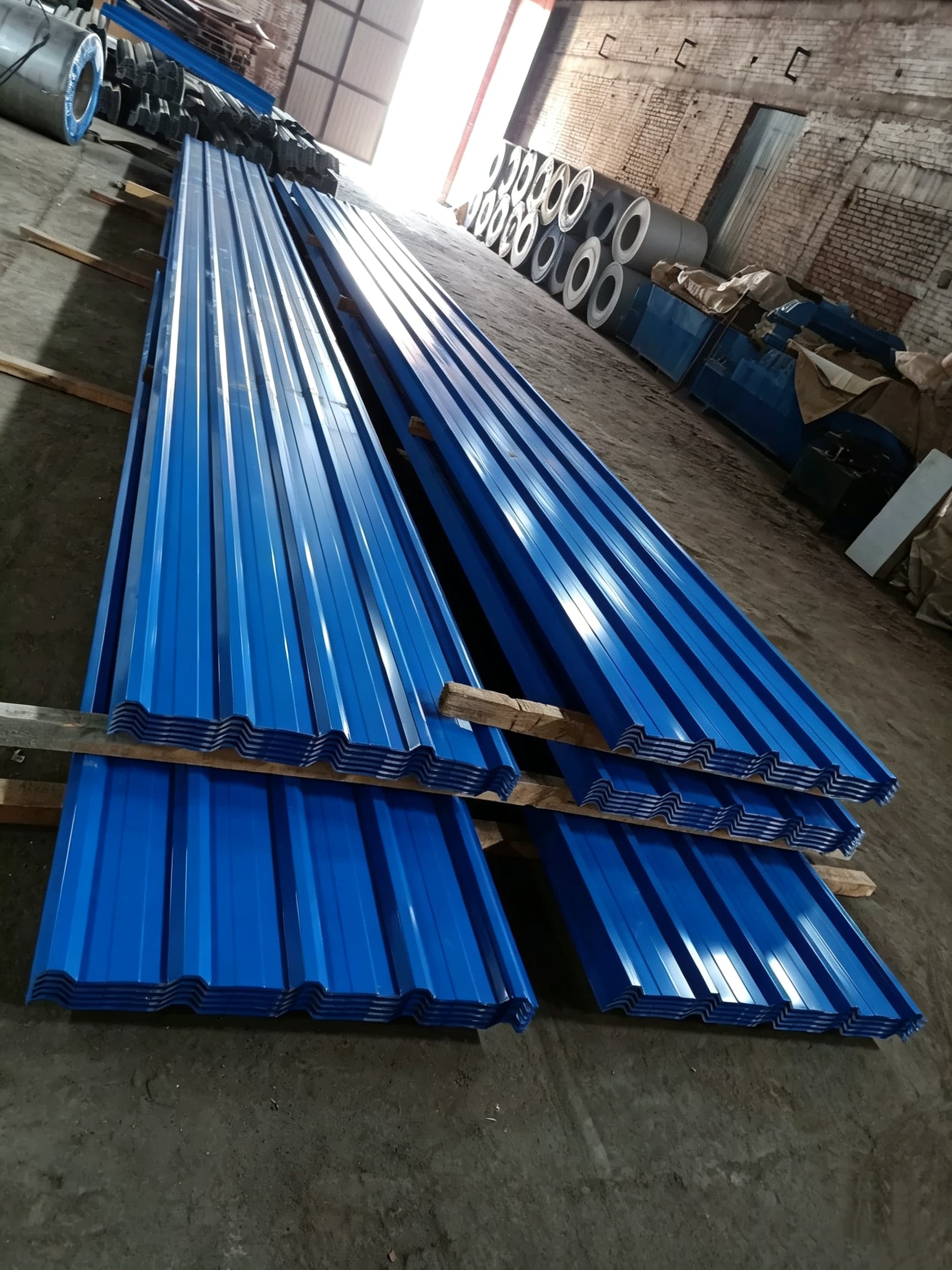
Metal Corrugated Roofing Sheets: Key Specifications

application/metal-corrugated-roofing-sheets, application/metal-corrugated-roofing-sheets, 
Inquiry
Inquiry

metal corrugated roofing sheets

When it  comes  to constructing durable  structures, metal corrugated roofing sheets are a popular choice among  B2B buyers in  the manufacturing,  industrial, and commercial sectors. These sheets offer a  unique combination  of strength, versatility, and cost-effectiveness, making them ideal for  various applications. However,  selecting  the  right product can be challenging, especially with the  numerous options available in the  market. This  article will help you navigate the critical  factors to  consider when sourcing  metal corrugated roofing sheets, ensuring you make an informed  purchasing decision.


Why choose Xingyuanxing metal corrugated roofing sheets

Key Specifications to Evaluate When Sourcing Metal Corrugated Roofing

When evaluating metal corrugated roofing sheets, several key specifications should be considered to ensure they meet your project requirements.

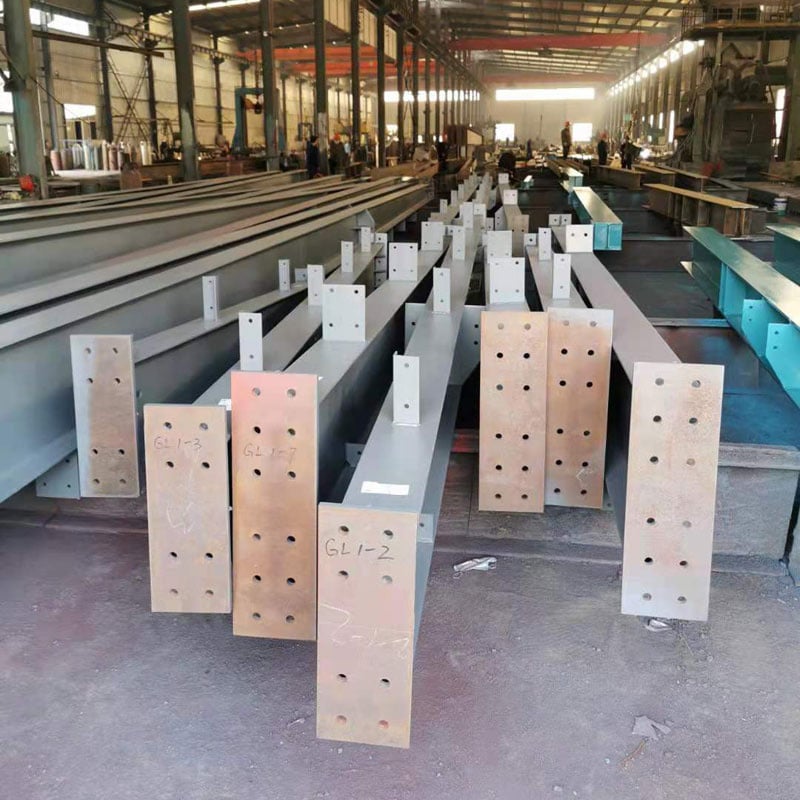
Material Type: Common materials include galvanized steel,  aluminum, and stainless steel. Galvanized steel is popular for  its corrosion resistance and strength, while aluminum is  lightweight and offers excellent  durability. Stainless steel, though more expensive, provides superior  corrosion resistance and is suitable for harsh environments. For projects requiring additional structural support, consider integrating a Secondary steel structure which can enhance overall stability.

Thickness:  The thickness of the roofing sheets directly impacts their strength and  durability. Typically, thickness is measured in gauges; a lower gauge indicates a thicker  sheet. For most applications, a gauge of 26 to 29 is common. Ensure that the thickness meets the structural requirements of your building.

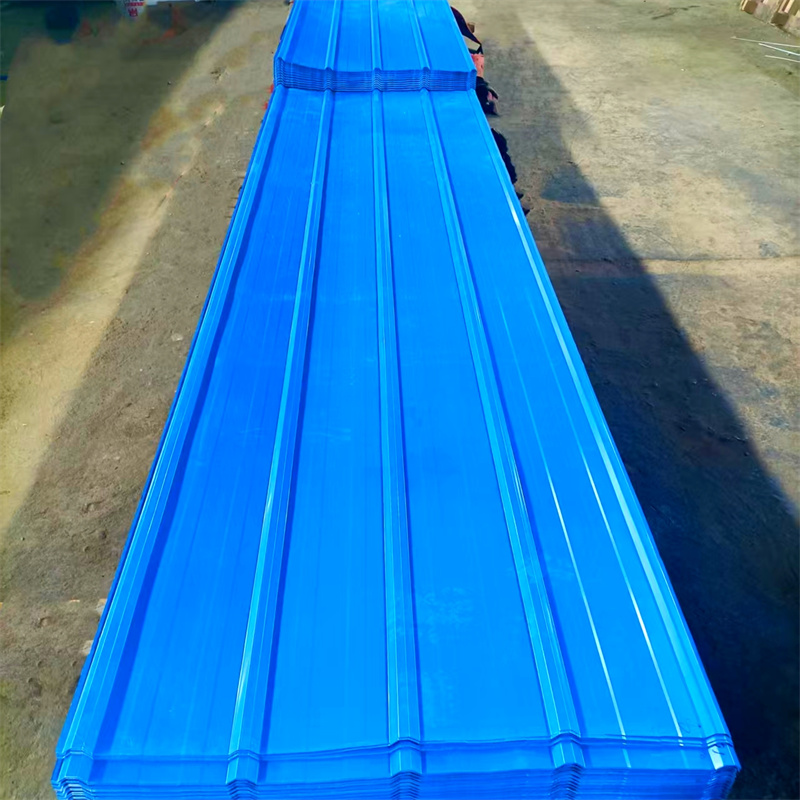
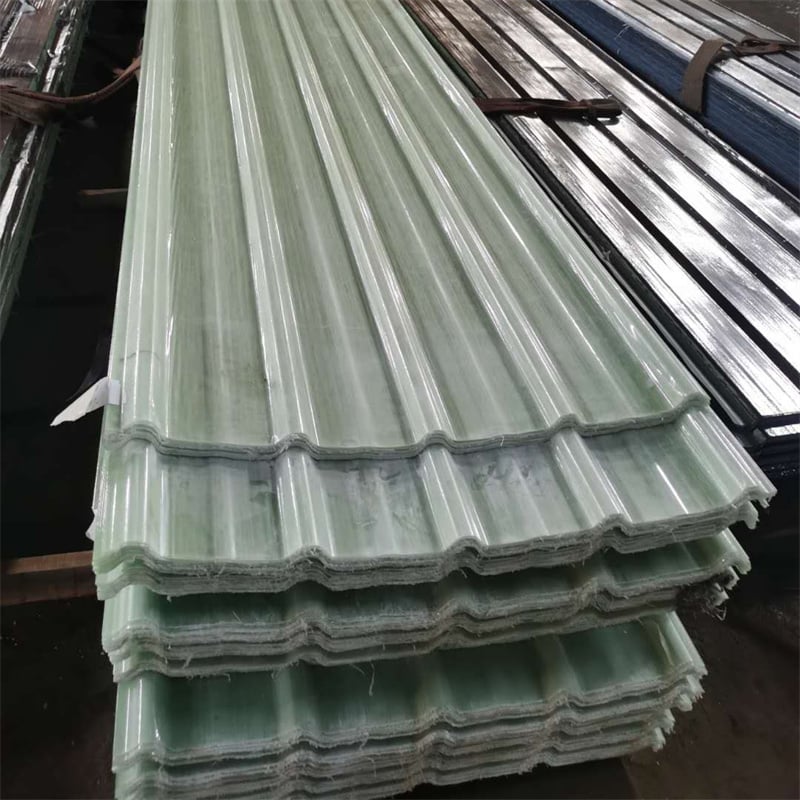
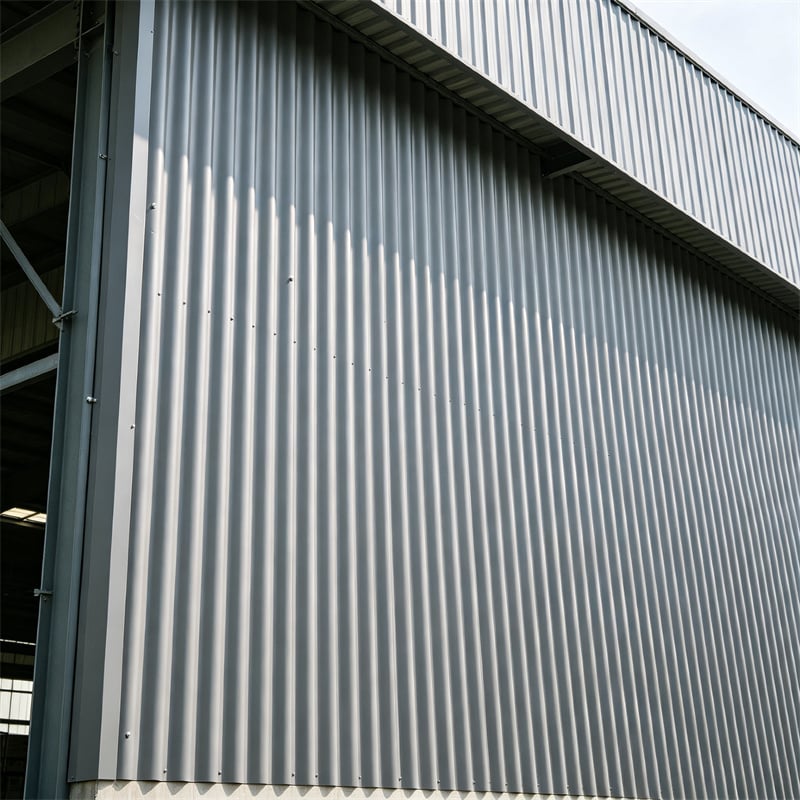
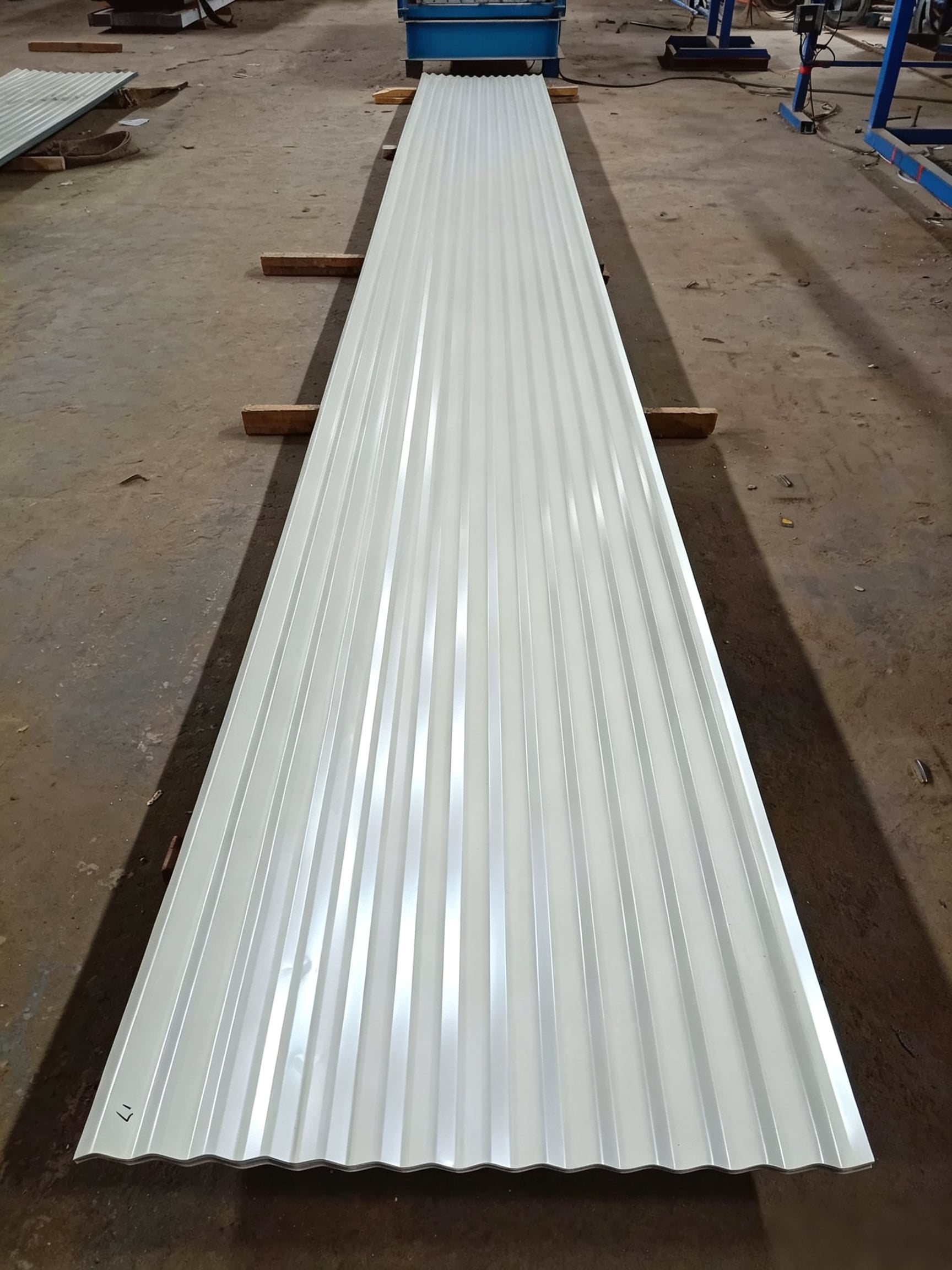
Profile and  Dimensions: Metal corrugated roofing sheets come in various profiles and dimensions.  The profile affects water drainage and aesthetic appeal, while  the dimensions should fit the structural layout of your project. Consider standard widths and lengths versus custom sizes based on your specific needs.

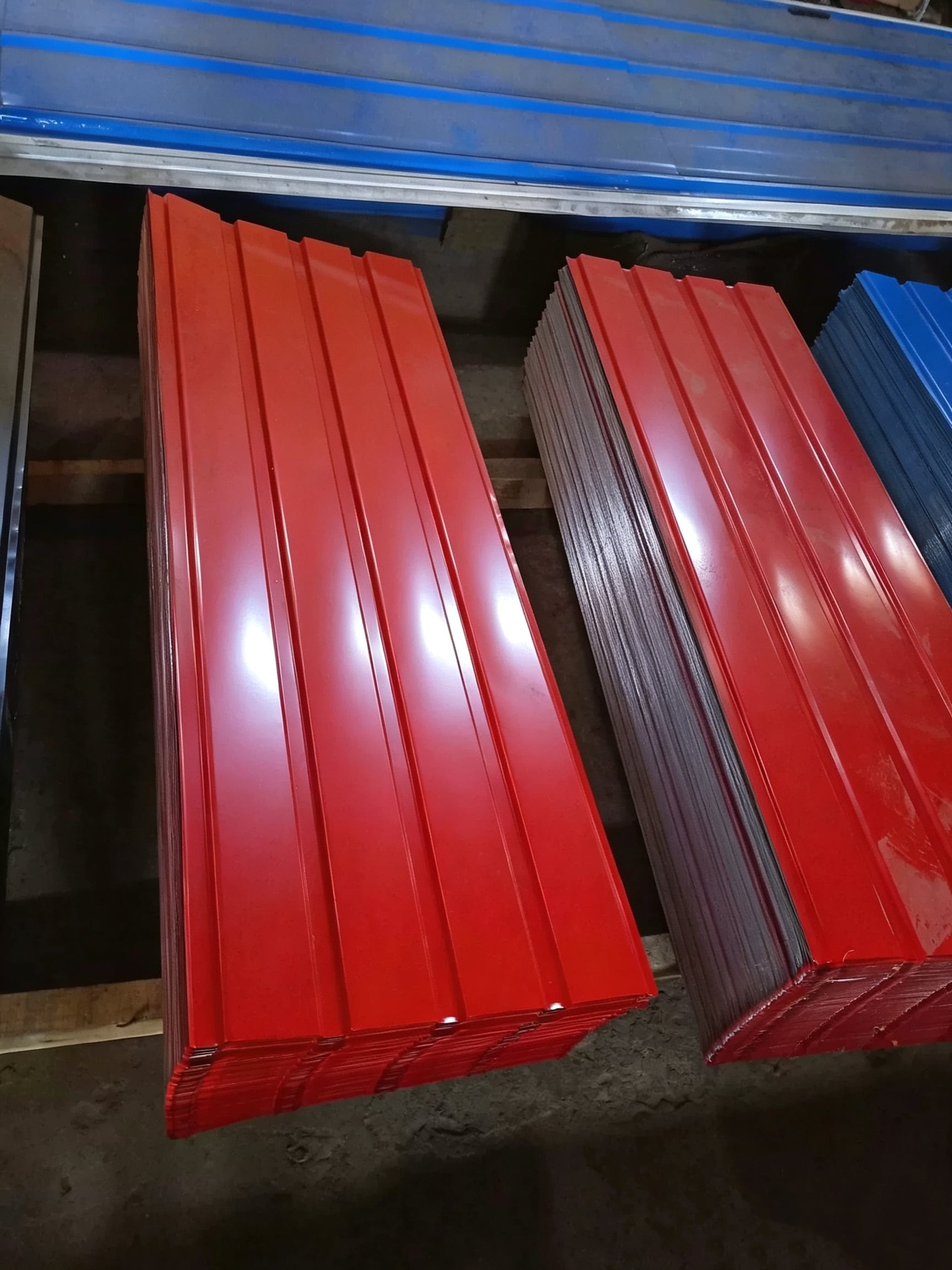
Coating and Finish: The  finish of the roofing sheets can affect their longevity and appearance.  Options include polyester, PVDF, or epoxy coatings, which enhance resistance to fading and environmental damage.  Ensure the coating is suitable for your local climate and  expected exposure  to elements.


Load Capacity:  Different roofing  sheets can support varying loads, including snow, wind, and other environmental  factors. Verify that the selected product can withstand the specific load requirements of your region and application.

Frequently Asked Questions

Our Blog Posts

What Our Partners Say

Wholesale Purchasing Guide for Metal Corrugated Roofing Sheets

Wholesale Purchasing Guide for Metal Corrugated Roofing Sheets

When purchasing metal corrugated roofing sheets in bulk, a well-structured approach  can help streamline the process and ensure quality and cost-effectiveness. Here  are essential steps to consider:

Identify Your Needs: Before reaching out to suppliers, determine the specifications you  require, including  material type, thickness, dimensions, and required performance characteristics. This will facilitate clearer communication with potential suppliers.

Request Quotes: Prepare a  detailed request for quotation (RFQ) that outlines your specifications, quantities, and  delivery timelines. Providing comprehensive information helps suppliers give accurate  pricing and lead time  estimates.

Evaluate Suppliers:  Assess potential suppliers based on their experience, production capabilities,  and quality control  processes. Request references or case studies  from prior clients to validate their reliability and product quality.

Quality Checks: Consider ordering samples before making a bulk  purchase. Inspect the samples for quality, finish, and  compliance with your specifications. This step is crucial to avoid issues during mass  production.


Negotiate Terms: Once  you have selected a supplier, negotiate terms such as  pricing, minimum order quantities (MOQs), lead times, and payment conditions. Ensure all  agreements are documented to avoid misunderstandings later.

 
Where to Find Reliable Suppliers of Metal Corrugated Roofing Materials

Where to Find Reliable Suppliers of Metal Corrugated Roofing Materials

Finding reliable suppliers for metal corrugated roofing sheets can significantly impact your project's success. Here  are several avenues to explore:

Industry  Trade Shows: Attending trade shows  or exhibitions related to construction and building  materials can provide  opportunities to meet suppliers face-to-face. Engage in discussions,  view product samples,  and  establish relationships.

Online Marketplaces: Platforms  like Alibaba,  Made-in-China, and Global Sources feature numerous suppliers from different regions. Filter your search by ratings, reviews, and certifications  to  find trustworthy partners.

Industry Associations: Many countries have  industry associations for metal manufacturers. These organizations often provide directories  of reputable suppliers and manufacturers.

Local  Distributors: Partnering with local  distributors can simplify logistics and communication. They often have established relationships with  manufacturers and can provide insights  into quality and service levels.

Networking: Utilize professional networks, such as LinkedIn, to  connect with industry peers. They can offer recommendations for reliable suppliers based on their  experiences.

Understanding the Cost Factors of Metal Corrugated Roofing Sheets

Understanding the Cost Factors of Metal Corrugated Roofing Sheets

The cost of metal corrugated roofing sheets  can vary widely based on several factors. Understanding these cost components can help in budgeting and negotiations:

Material Costs: The base  material  significantly influences pricing.  For example, aluminum  sheets are  generally more  expensive than  galvanized  steel. Fluctuations in raw material prices can also affect overall  costs.

Thickness  and Dimensions: Thicker and larger sheets usually  come at a higher price. Custom dimensions  might incur additional charges compared  to standard sizes.

Coatings and Finishes: Specialty  coatings or  finishes can increase the cost. Consider your project's long-term durability needs against the initial investment.

Order Quantity: Bulk orders often qualify for discounts. However, ensure  that the order meets the supplier’s MOQ  to take advantage of these savings.

Shipping and Handling: Transportation  costs can vary depending on  distance and shipping methods. Consider these expenses in your total cost analysis to avoid budget overruns.

Exploring the Advantages of Metal Corrugated Roofing for Your Projects

Metal corrugated roofing sheets offer several advantages that make them an attractive option  for various applications:

Durability: Metal roofing is highly  durable and resistant to weather elements  such  as rain, wind, and snow. It can withstand harsh conditions,  making it suitable for a wide range of climates.

Lightweight:  Compared to other  roofing materials, metal  is lightweight, reducing the structural load and making installation easier. This can also lower labor costs and construction time.

Energy Efficiency:  Many metal roofing sheets  are  designed with reflective  surfaces,  reducing heat absorption and leading to lower energy costs for heating and cooling buildings.

Aesthetic Flexibility: Available in  various colors and finishes, metal corrugated roofing can  enhance the visual appeal of any structure, from industrial warehouses to commercial buildings.

Sustainability: Metal  roofing is often made from recycled materials and is fully recyclable at the end of its life, making it  an environmentally  friendly choice.

By understanding these critical aspects of  metal corrugated roofing sheets, you can make informed decisions that align with your project requirements  and operational goals.