Key Specifications to Consider When Sourcing Metal Roofing Panels
When sourcing metal roofing panels, several key specifications should be taken into account:
Material Composition: Understand the differences between various materials. For example, aluminum panels offer excellent corrosion resistance but may have a higher initial cost compared to galvanized steel.
Coating and Finish: The type of coating affects longevity and appearance. Options include polyester, PVDF (polyvinylidene fluoride), and acrylic coatings. PVDF coatings, known for their durability and color retention, are ideal for exposed applications.
Dimensions: Panel lengths and widths vary, and it’s essential to confirm that these meet the project’s design requirements. Standard widths range from 24 to 36 inches, while lengths can be customized based on project specifications.
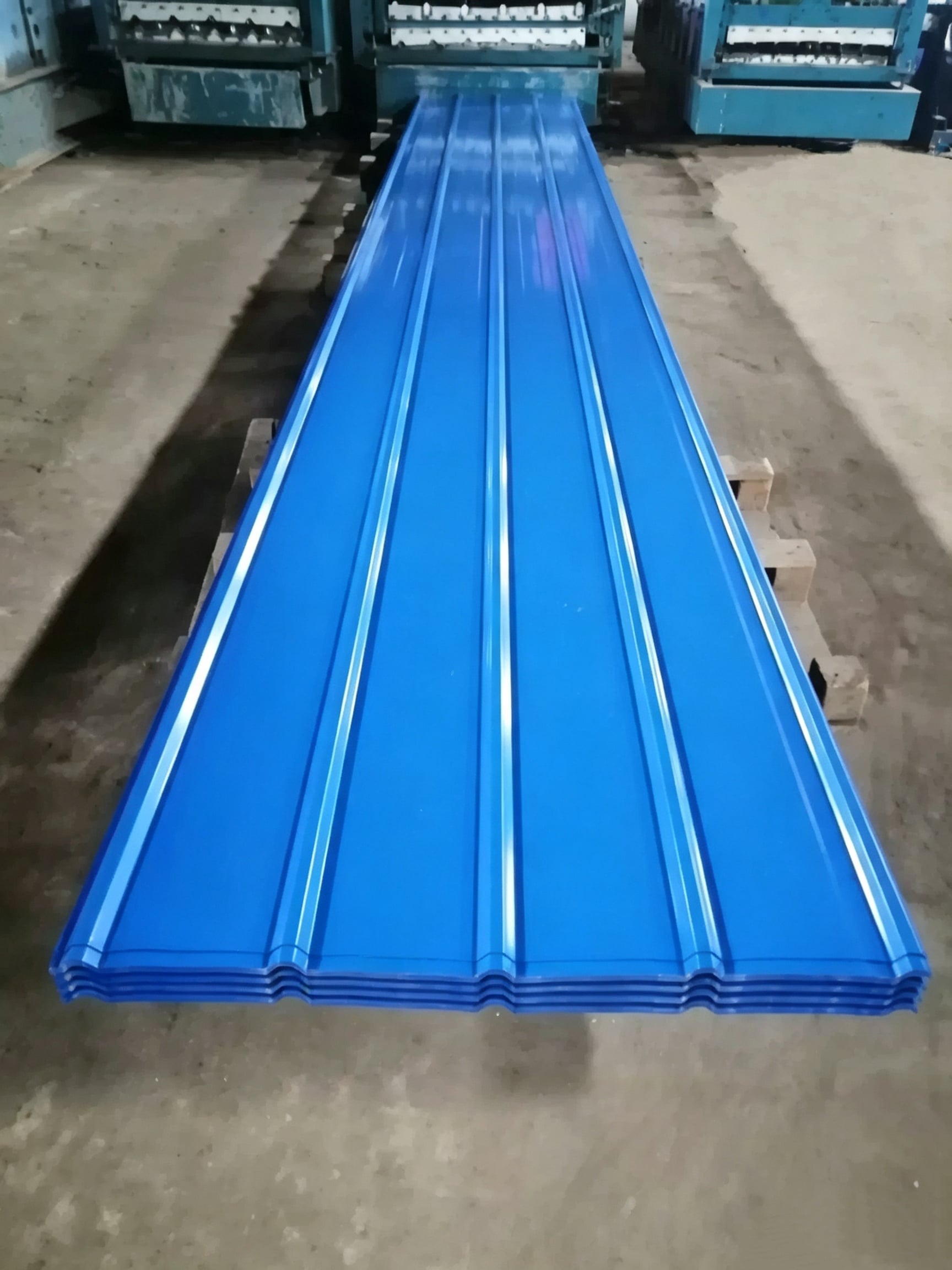
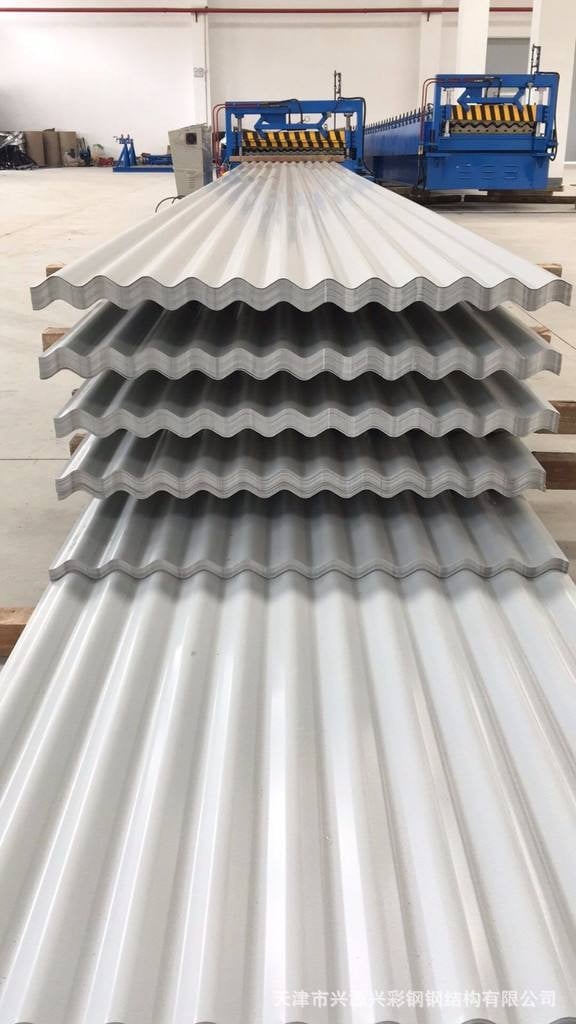
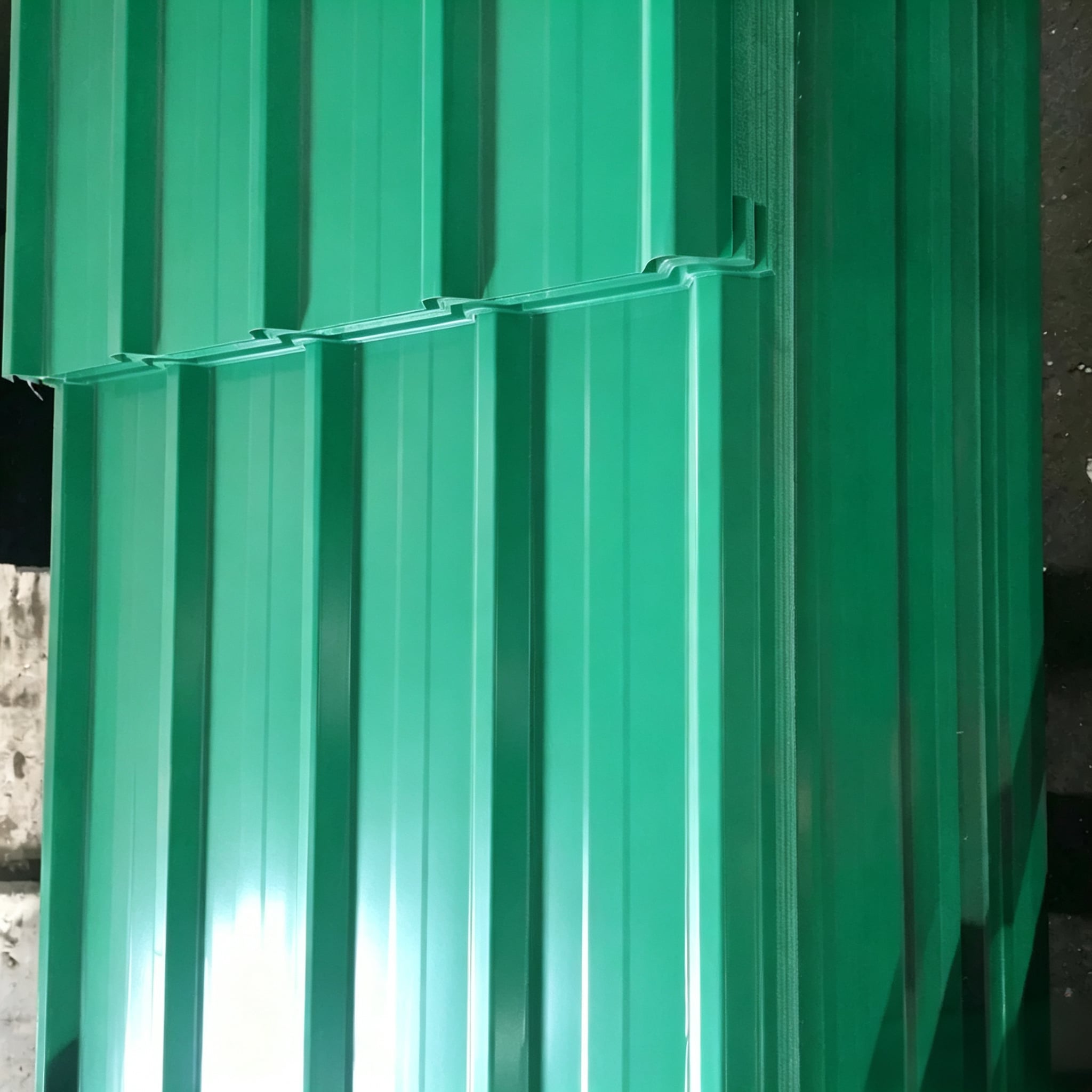
Profile Design: The profile, or shape of the panel, affects not only aesthetics but also water runoff and installation. Common profiles include ribbed, standing seam, and corrugated.
Energy Efficiency: Look for panels with reflective coatings that enhance energy efficiency by reducing heat absorption, which can lead to lower energy costs in commercial buildings.
By confirming these specifications with the supplier, buyers can ensure they are selecting the appropriate roofing panels for their specific applications.
 EN