Choosing the Right Galvanized Metal Roofing

application/galvanized-metal-roofing, application/galvanized-metal-roofing, 
Inquiry
Inquiry

galvanized metal roofing

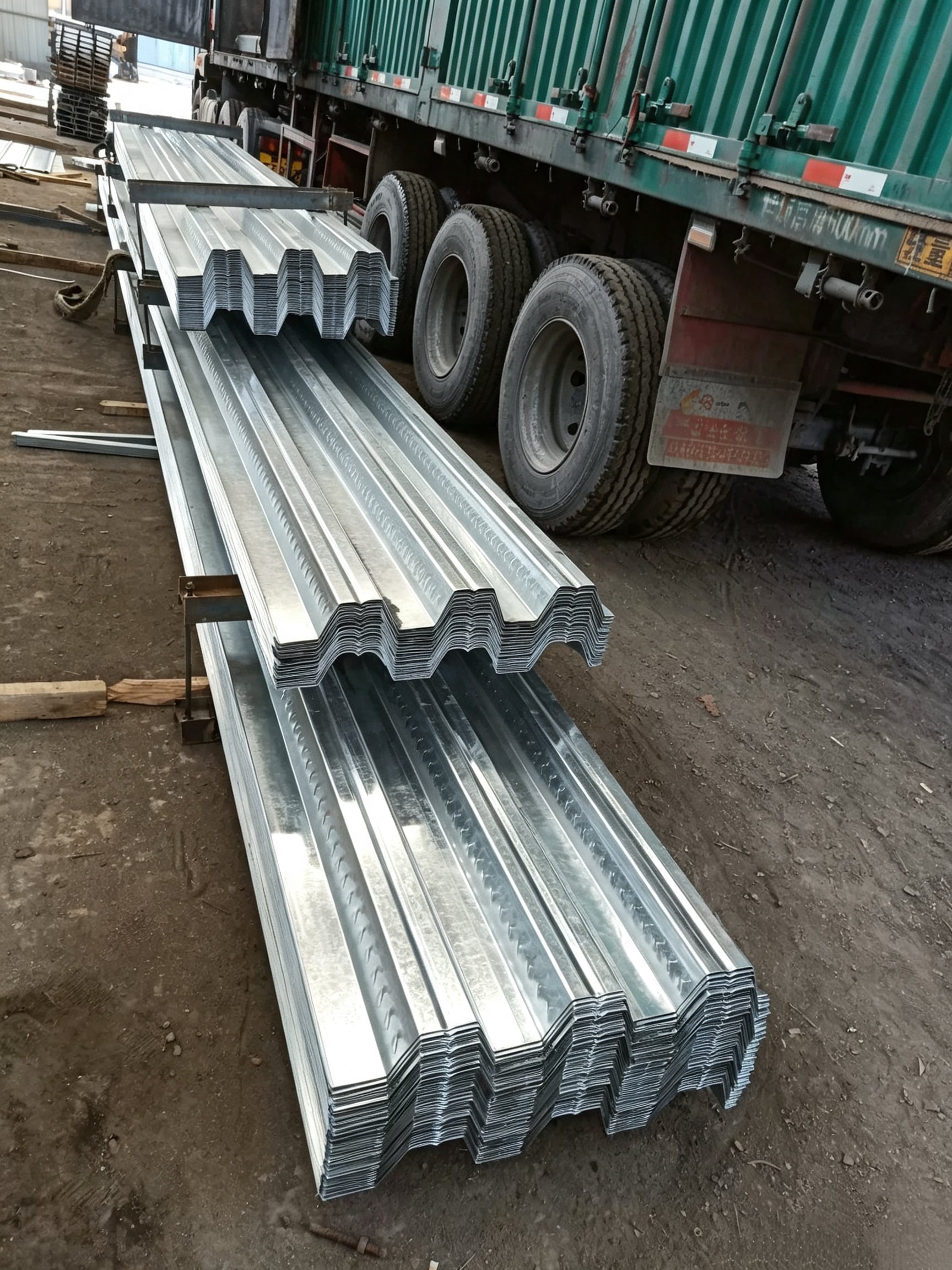
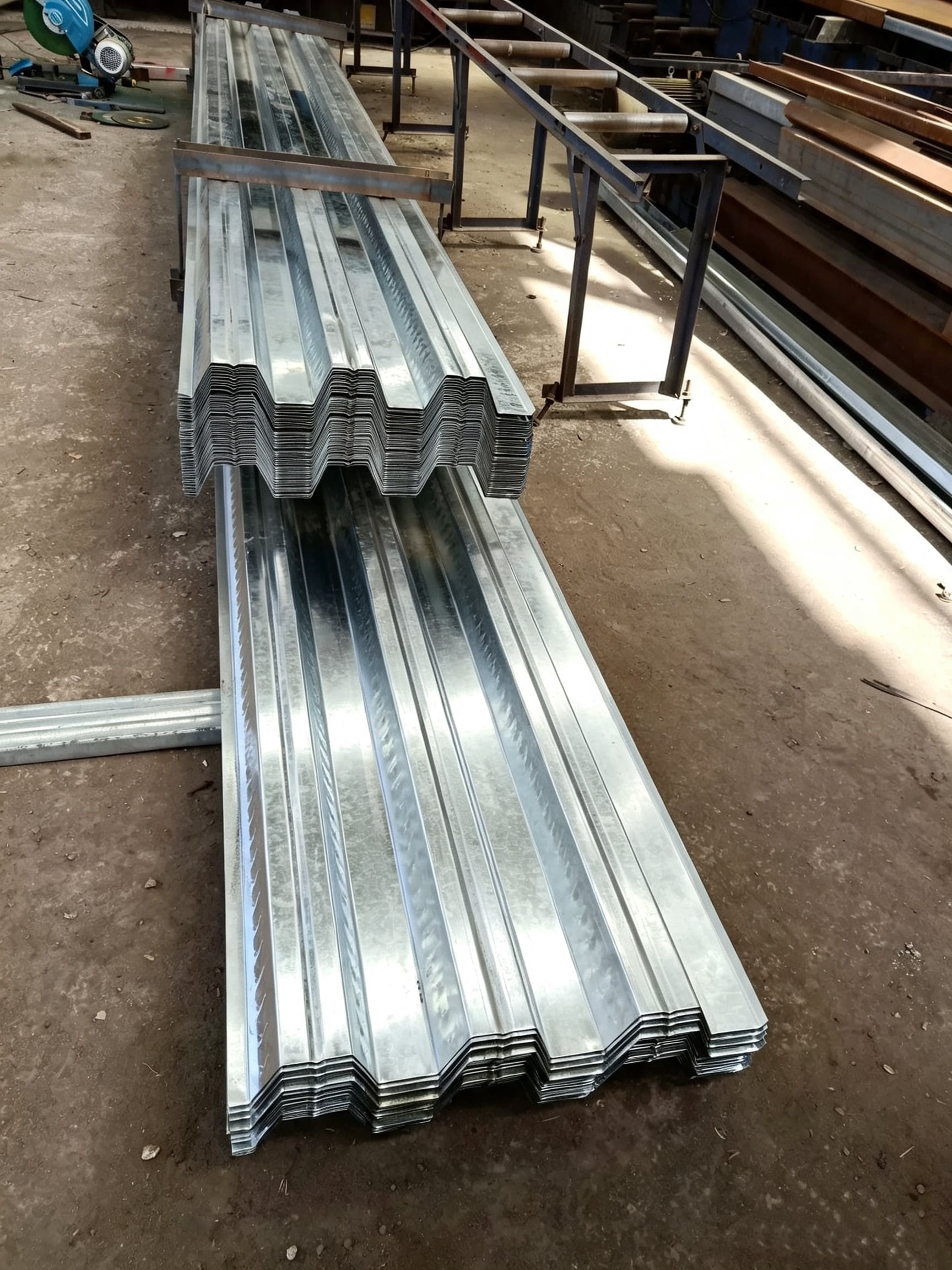
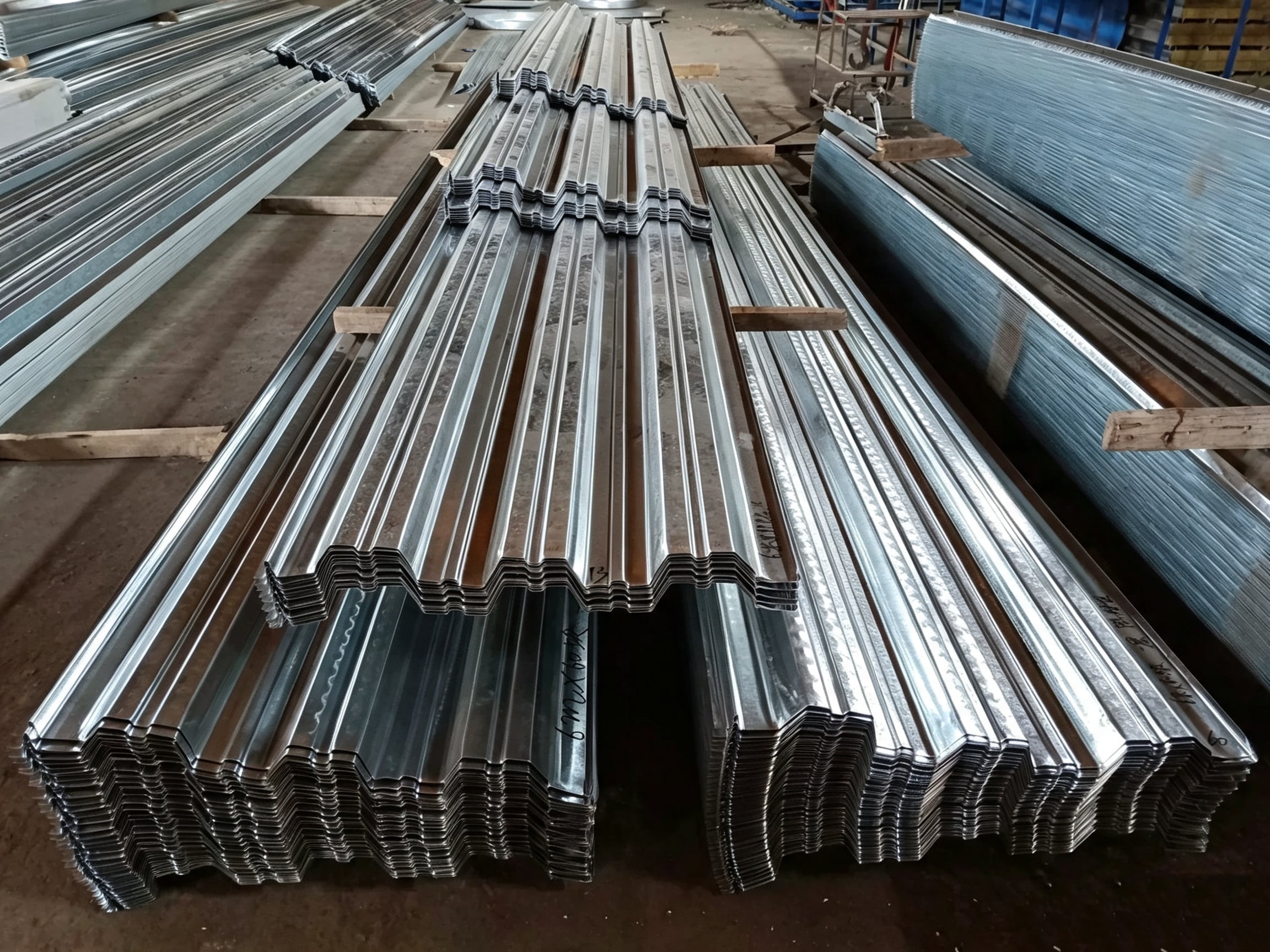
Galvanized  metal roofing is a  durable and  versatile  building material widely used in various  construction projects. It  consists of steel sheets  coated with  a layer of zinc to enhance corrosion  resistance and longevity. B2B buyers, such as purchasing  managers and project engineers, often seek galvanized metal roofing  for its strength, cost-effectiveness,  and  aesthetic appeal. This article will help  you understand how to choose  the right galvanized metal roofing for your project,  identify reliable suppliers, evaluate product quality,  address  common issues, and explore its applications  across  different industries.

Why choose Xingyuanxing galvanized metal roofing

Our Products

How to Choose the Right Galvanized Metal Roofing for Your Project

Selecting the appropriate  galvanized metal roofing involves understanding your specific project requirements, including climate, load-bearing needs, and design considerations. Key factors to  assess include:

Material Thickness: The gauge of the metal affects its durability and insulation properties. Thicker materials  (lower gauge numbers)  tend to provide better  strength and resistance to impacts.  For example, 24-gauge steel is commonly used for residential roofs, while 22-gauge may  be suitable for commercial applications. Additionally, the choice of a suitable Secondary steel structure can complement the roofing system.

Coating Type: The  zinc coating  can vary in thickness, which impacts corrosion resistance. Look for products with  a G90  coating for enhanced durability, especially in harsh environments.

Profile and Style: Galvanized metal roofing comes in various profiles  (corrugated, standing seam, etc.), each providing different aesthetic and functional benefits. Choose a profile that complements the architectural style of your building while meeting practical considerations.

Finish Options: Consider whether a pre-painted or bare finish is  more appropriate  for your  project.  Pre-painted options can offer additional protection and  aesthetic appeal, while  bare metal may be more cost-effective for certain applications.

Understanding these specifications will  help you select roofing that meets your project's  demands and performs well over time.

Frequently Asked Questions

Our Blog Posts

What Our Partners Say

Reliable Suppliers for Bulk Orders of Galvanized Metal Roofing

Reliable Suppliers for Bulk Orders of Galvanized Metal Roofing

When sourcing galvanized metal roofing in  bulk, identifying reliable suppliers is crucial for ensuring consistent quality and timely delivery.  Look for suppliers with:

Established Reputation: Consider companies with a solid track record in the  industry. Tianjin Xingyuanxing Color  Steel Structure Co., Ltd., for  instance,  has over 10 years of experience in the Beijing-Tianjin-Hebei region, known for their stable  quality  and efficient project services.

Production  Capabilities:  Assess the supplier's manufacturing capabilities, including their equipment, production capacity, and quality control processes. It’s  essential to choose a supplier  that can meet your volume requirements without  sacrificing quality.


Customization Options: Suppliers that offer customization can provide tailored solutions for specific project needs. Ensure they can accommodate various specifications, such as unique sizes or finishes.

Certifications: Verify whether the supplier has relevant certifications for quality assurance, which  can  be an indicator  of their commitment to maintaining industry  standards.

Engaging with trustworthy suppliers not only simplifies the  procurement process but also enhances the overall quality  of your project. For instance, selecting the right Factory building of steel structure can significantly impact the effectiveness of your roofing choice.

What to Look for in Galvanized Metal Roofing

What to Look for in Galvanized Metal Roofing

To ensure you are making a sound investment  in galvanized metal roofing, consider the following key aspects:

Durability and Longevity: Look for products that guarantee resistance to rust and corrosion. The lifespan  of galvanized  roofing can extend beyond 20  years when  properly installed  and maintained.

Warranty: A solid warranty from the manufacturer can provide peace of mind. Look for warranties that cover both material  defects and performance for a specified period.

Compatibility with Other Materials: Assess how the  galvanized roofing will interact  with other materials in your  building. For instance, ensure that the roofing material  is compatible with any insulation  or underlayment you plan to use.

Sustainability: Increasingly, buyers are considering  the sustainability of  building materials. Some galvanized roofing options may be made with recycled materials or promote energy efficiency, aligning with green building practices.

Aesthetic  Options: Depending on the project, consider the color and finish of the roofing. Aesthetic appeal  can  be crucial for  commercial buildings or residential homes where visual impact matters.

Evaluating these factors  thoroughly will  help you choose galvanized metal roofing that meets both functional and aesthetic requirements.

Common Problems with Galvanized Metal Roofing and Their Solutions

Common Problems with Galvanized Metal Roofing and Their Solutions

While galvanized metal roofing is known for its durability, it can present certain challenges. Here are some common problems  and their solutions:

Corrosion: Despite its zinc coating, galvanized roofing  can experience corrosion if damaged or improperly maintained. Regular inspections  and timely repairs  are essential. If you notice any scratches or dents, consider applying a touch-up paint to protect exposed areas.

Thermal Expansion:  Metal roofing expands and contracts  with  temperature changes,  which can lead to buckling or warping  if  not installed correctly.  Ensure that your roofing system includes appropriate fasteners and expansion provisions.

Leaking: Poor installation or damaged seals can  lead to leaks. Regularly inspect  seams and flashing, and conduct maintenance checks to ensure they remain watertight.

Noise:  Some may find that rain or hail can  create  noise on metal roofs. Installing soundproofing materials or  insulation beneath the roofing can  help  reduce this issue.

By proactively addressing these problems, you can maintain the integrity and performance of  your galvanized metal roofing.

Applications of Galvanized Metal Roofing in Various Industries

Galvanized metal roofing is versatile  and can be utilized across multiple sectors  due to its strength and weather resistance. Common applications include:

Agriculture: Many agricultural buildings, such as barns and storage facilities, utilize galvanized metal roofing for its durability and low maintenance. Its resistance to rust makes it ideal for environments exposed  to moisture.

Commercial Buildings:  Retail spaces and warehouses benefit from galvanized roofing's strength and aesthetic versatility. Its energy-efficient properties can also  contribute to  lower cooling costs.

Residential: Homeowners increasingly choose galvanized  metal roofing for its  longevity and modern appearance. It can enhance curb appeal  while  providing excellent  protection against  the  elements.

Industrial: Factories  and manufacturing facilities often employ galvanized roofing due to its resistance to  chemicals and harsh  conditions. This makes it suitable for environments where other materials might degrade.

Public Infrastructure: Schools, hospitals, and government buildings benefit from  the reliability and cost-effectiveness of galvanized metal roofing, ensuring that community structures remain safe and functional.

The wide range of applications highlights the adaptability of galvanized  metal roofing, making it a  preferred choice for various construction  needs.