Key Specifications for Quality Corrugated Metal

application/corrugated-metal, application/corrugated-metal, 
Inquiry
Inquiry

corrugated metal

Corrugated  metal is a versatile  building material known  for  its strength and durability,  making it a popular choice across  various  industries. As a B2B buyer, understanding  the specifications,  applications,  and quality considerations of corrugated metal is  crucial for making  informed  purchasing decisions. This article will guide  you through key specifications, selection criteria, reliable  suppliers,  quality evaluation,  and the diverse  applications of corrugated  metal, helping you ensure  that your projects meet the required standards.

Why choose Xingyuanxing corrugated metal

Our Products

Key Specifications for High-Quality Corrugated Metal Products

When evaluating corrugated  metal, several key specifications must be considered:

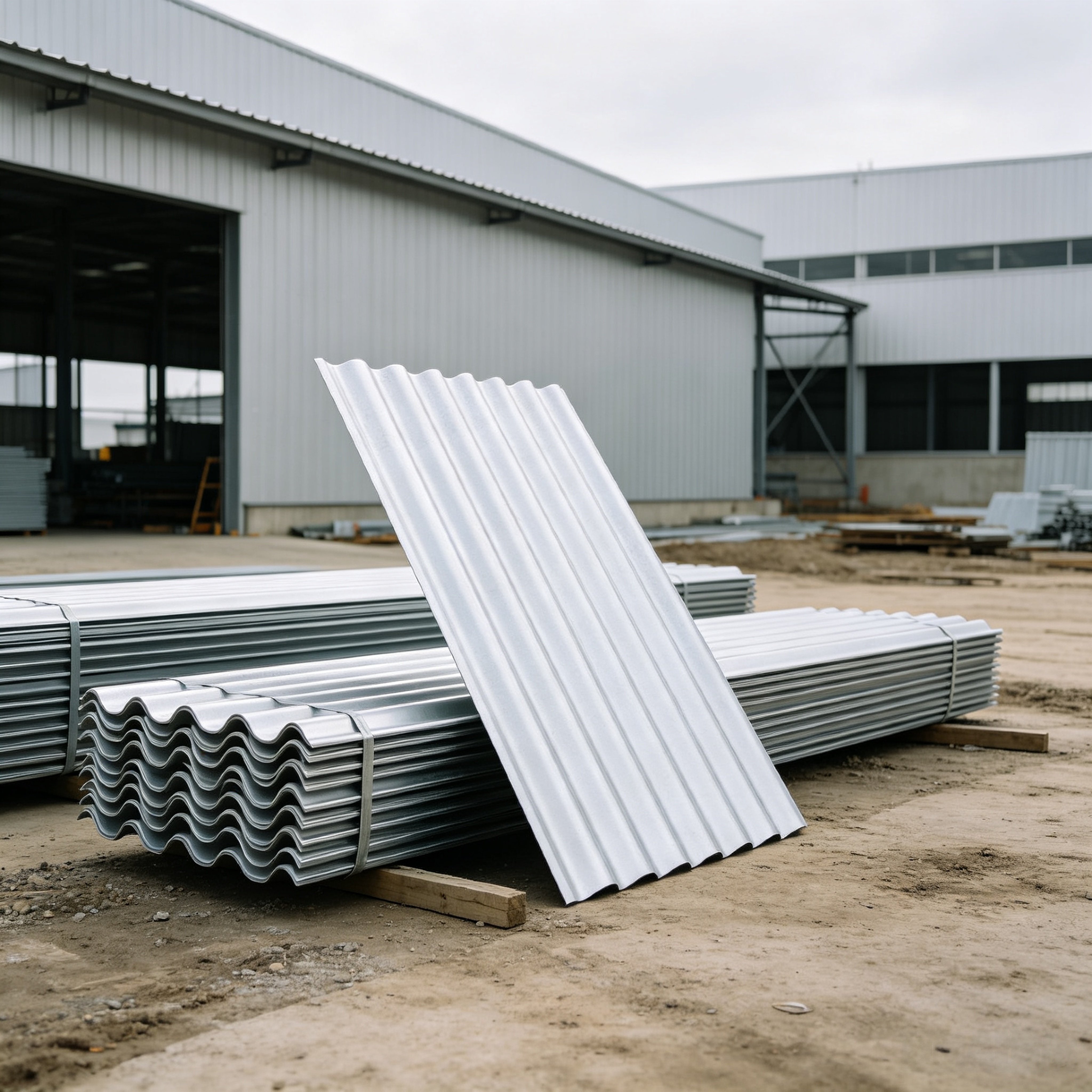
Material Type: Common  materials include galvanized steel, aluminum, and stainless steel. Each material has distinct  properties  that affect durability, corrosion resistance, and  weight. For instance, galvanized steel offers excellent corrosion resistance while being cost-effective, making it  suitable for many applications. For projects where enhanced strength is required, consider using Galvanized Several-Shaped Steel Profiles 50*70mm For Greenhouse Frames.

Thickness: The thickness of  corrugated metal is typically measured in gauge.  Thicker metal provides greater strength and durability, making it ideal for applications subjected to heavy loads or harsh conditions. Buyers should assess the project's structural requirements to determine the appropriate thickness.

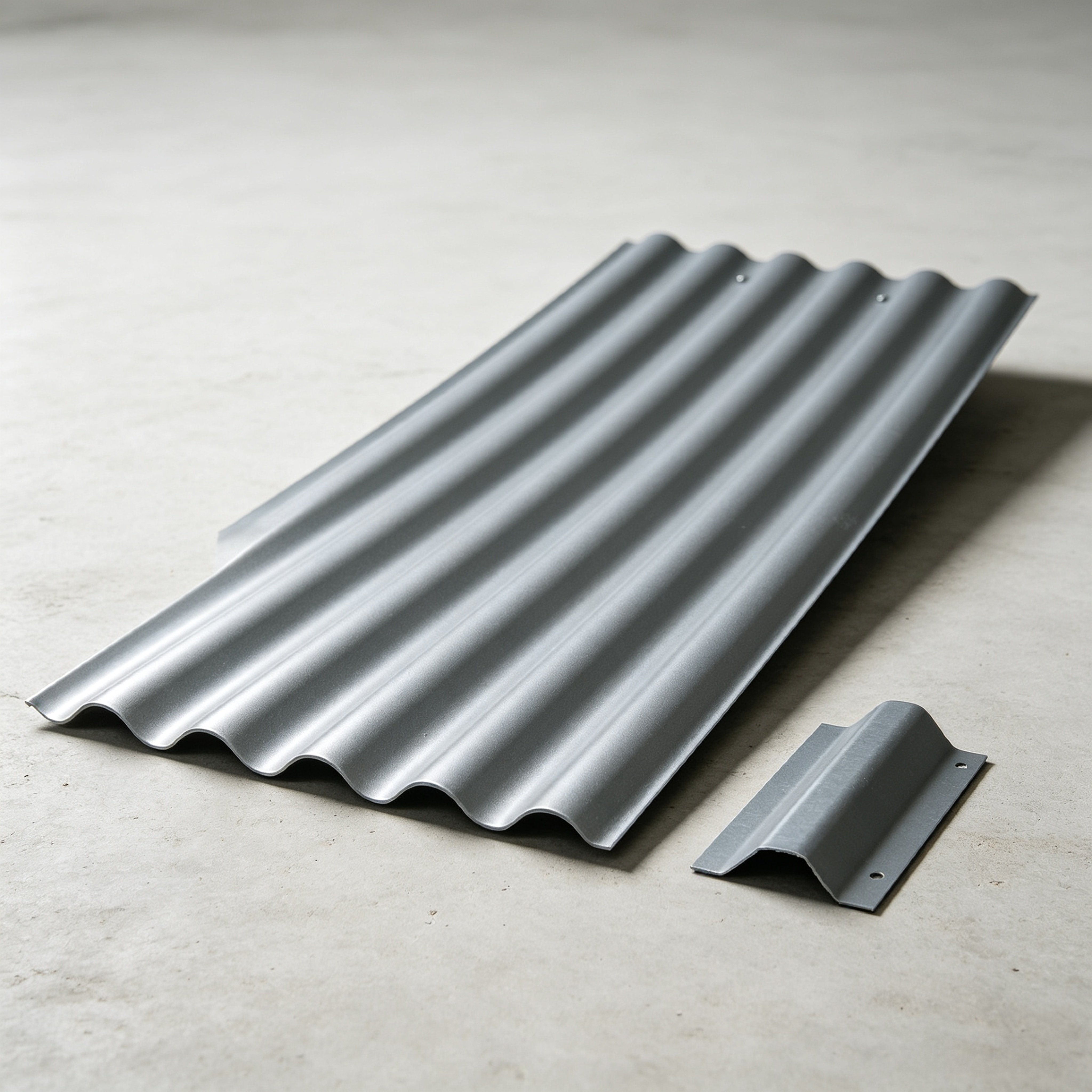
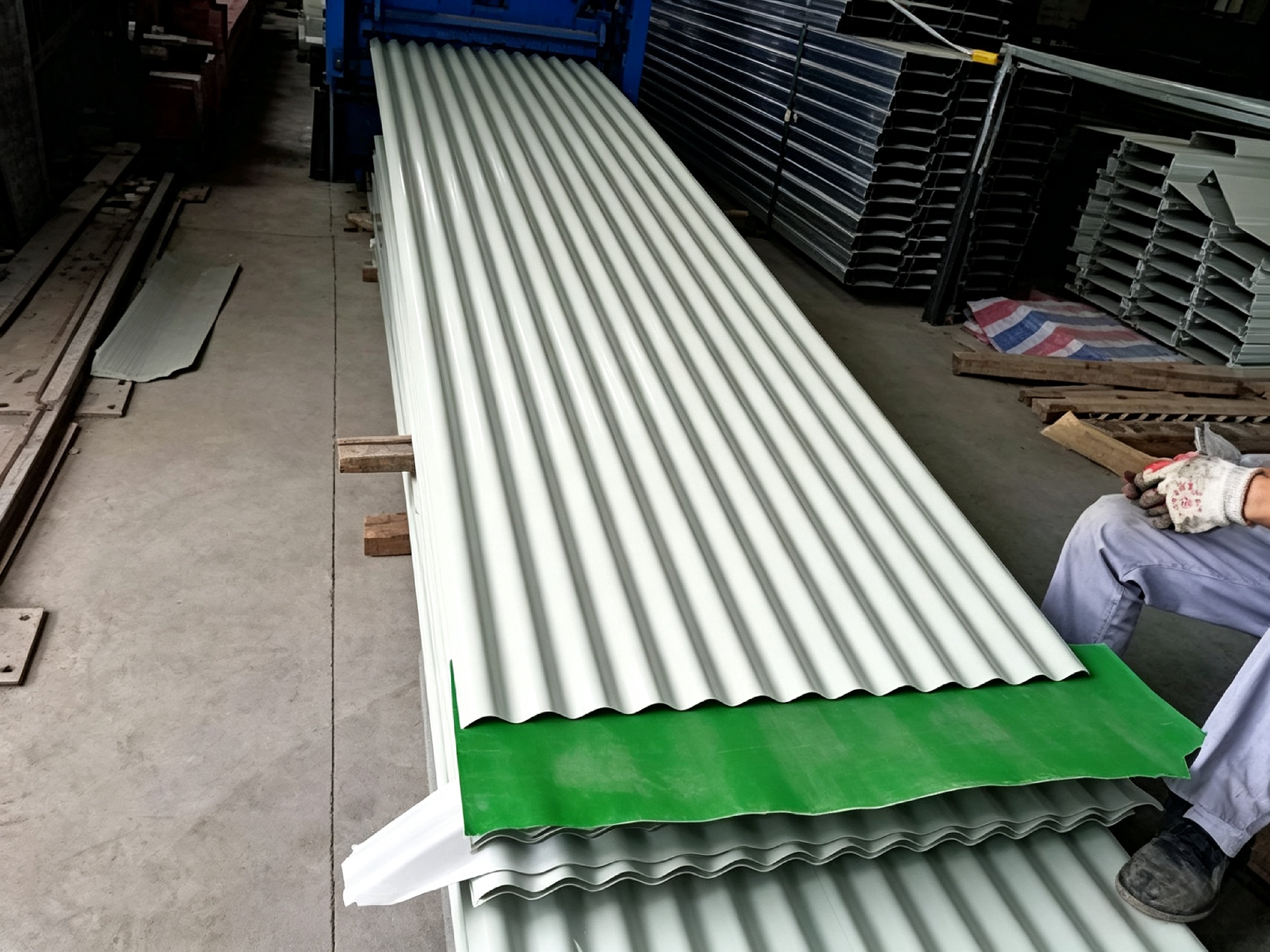
Profile  and Dimensions: Corrugated metal sheets come in various profiles and dimensions. Common profiles  include trapezoidal and sinusoidal shapes, which can affect the material’s strength and aesthetic appeal.  It’s essential to match the profile  with your project’s design and functional needs.

Coating and Finish: Surface treatments, such  as paint or galvanization, can enhance corrosion resistance and aesthetics. Buyers should specify coatings based on environmental exposure and desired lifespan.

Standard Compliance: Ensure that the corrugated metal products meet relevant industry standards  and certifications,  which can indicate quality and  reliability.

Frequently Asked Questions

Our Blog Posts

What Our Partners Say

How to Choose the Right Corrugated Metal for Your Project

How to Choose the Right Corrugated Metal for Your Project

Selecting  the right corrugated metal involves understanding your specific  project requirements.  Here are some factors  to consider:

Application Type: Different applications may require different types of corrugated metal. For roofing, lightweight and corrosion-resistant materials like aluminum may be preferred. For structural components, heavier galvanized steel  might be necessary.

Environmental Conditions: Consider the  environment where the corrugated  metal  will be used.  For coastal areas, materials with high corrosion  resistance are essential due to salt exposure.  In contrast, dry environments may allow for  lower-cost materials.

Load  Requirements: Assess  the load-bearing requirements  of your project. Thicker corrugated sheets will generally support  heavier loads and are less prone to deformation or damage.

Aesthetic Preferences: Depending on the project, the appearance of the corrugated metal may be a significant factor. Available  finishes and colors can greatly influence  the overall look of the final structure.

Cost Considerations: Factor in your budget constraints  while balancing quality and performance.  While cost-effective options are available, investing in higher-quality materials may lead to long-term savings through reduced maintenance and replacement needs.

Reliable Suppliers for Wholesale Corrugated Metal Solutions

Reliable Suppliers for Wholesale Corrugated Metal Solutions

Finding a reliable supplier is crucial for obtaining high-quality corrugated metal. Here  are  some tips for evaluating potential suppliers:

Experience  and Reputation: Look for suppliers with  a proven track record in the industry. A supplier like  Tianjin Xingyuanxing Color  Steel Structure  Co., Ltd., with 10 years of experience, can provide stability and  reliability.

Product Range: Ensure the supplier offers a range of corrugated metal  products that meet your specific needs, including  various materials, thicknesses, and coatings.

Customization Capabilities: Some projects may require  custom specifications. Verify that  the supplier can accommodate custom orders, including unique dimensions or specialized coatings.

Quality Assurance Processes: Inquire about the supplier’s quality  control procedures. A reputable supplier should have robust testing and  inspection processes in place to ensure  that  their products  meet industry standards.

Customer Support: Responsive  customer service  can greatly enhance your purchasing experience. Suppliers should be willing to assist with technical questions and provide support throughout the ordering process.

Evaluating the Quality of Corrugated Metal for Your Needs

Evaluating the Quality of Corrugated Metal for Your Needs

Quality evaluation  is essential before finalizing purchases.  Here  are key aspects to  assess:

Sample  Approval: Before mass  production, request samples to inspect for quality. Evaluate the sample  for dimensions, surface finish, and  structural integrity under actual operating conditions.

Certifications: Confirm  that the corrugated metal complies with relevant industry certifications.  This can provide assurance of quality and performance.

Visual Inspection: Look for any visible defects, such as dents, scratches, or  inconsistencies in coating. These can affect both the aesthetic and functional aspects of the metal.

Performance Testing: If applicable, conduct performance tests to ensure that the metal meets the required specifications for your project.

Supplier Documentation: Request documentation from  the  supplier regarding material  properties,  certifications, and test results. This will  help  substantiate  the quality claims made by the  supplier.

Applications of Corrugated Metal in Various Industries

Corrugated metal is utilized across numerous  industries due to its versatility and strength. Here are some common applications:

Construction: Used for roofing, siding, and structural  components, corrugated metal provides durability and aesthetic  appeal while being lightweight and  easy to install.

Agriculture: In agricultural settings, corrugated metal is often used for storage facilities, barns, and greenhouses, offering protection against the elements  while ensuring proper ventilation. For instance, Corrosion-Resistant Hot-Dip Galvanized Round Tube Q235B For Greenhouse Bracing is an effective choice for greenhouse structures.

Transportation: Corrugated metal is employed in the manufacturing of trailers and shipping containers, providing structural  integrity  and protection during transit.

Industrial: Many industrial  facilities use corrugated metal for safety  barriers,  ducting, and equipment enclosures, benefiting from its strength and  easy maintenance.

Retail  and Commercial: Retail spaces may use corrugated metal for decorative elements, enhancing the industrial aesthetic while providing  functional benefits.

By understanding the specifications,  selection criteria, quality evaluation processes, and diverse applications of corrugated metal, buyers can make more informed decisions that align with their project requirements. Engaging with reliable  suppliers who can provide high-quality products will  further  ensure  the success of your projects.