Key Specifications and Advantages of Corrugated Roof Tiles

application/corrugated-roof-tiles, application/corrugated-roof-tiles, 
Inquiry
Inquiry

corrugated roof tiles

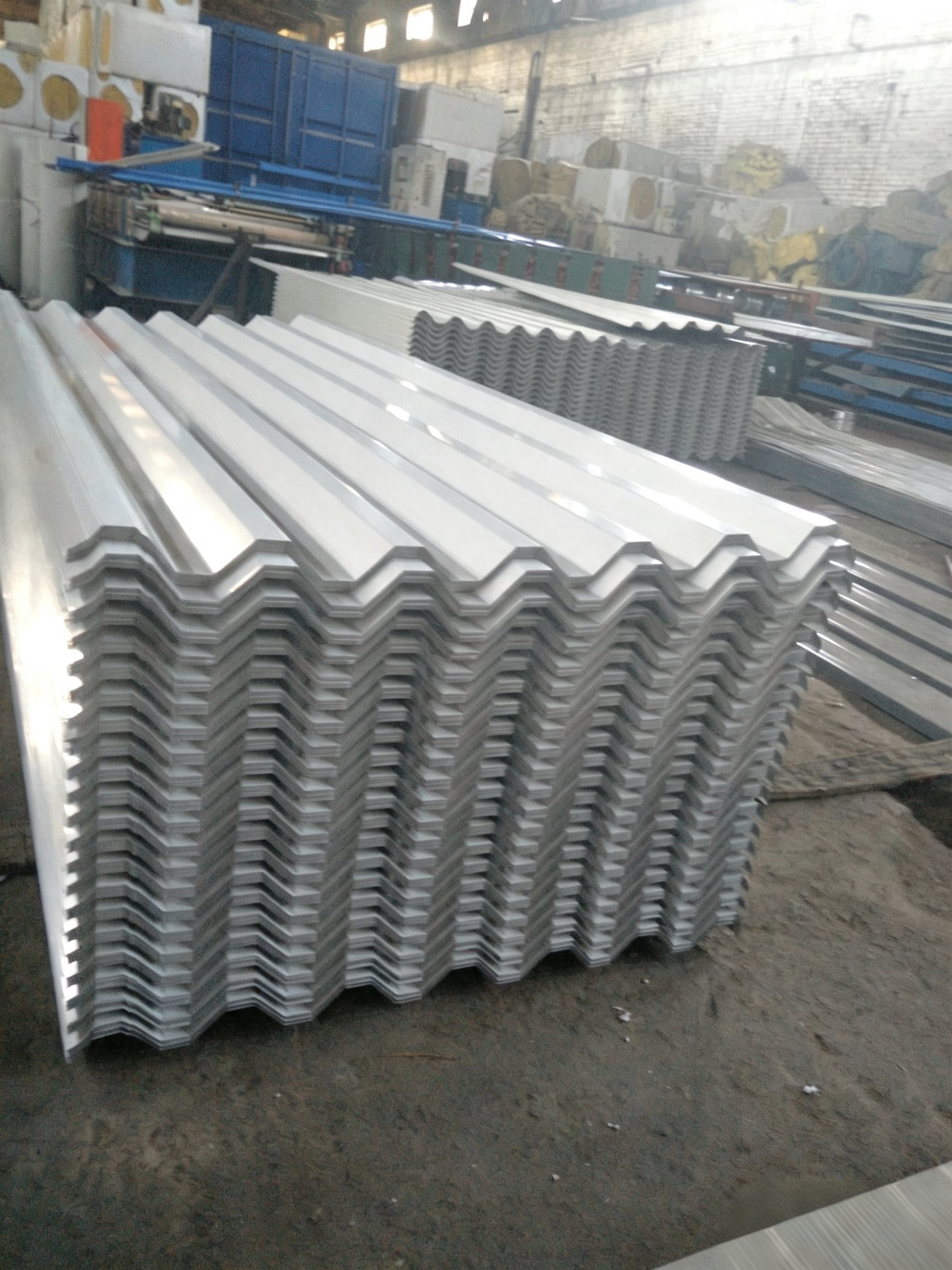
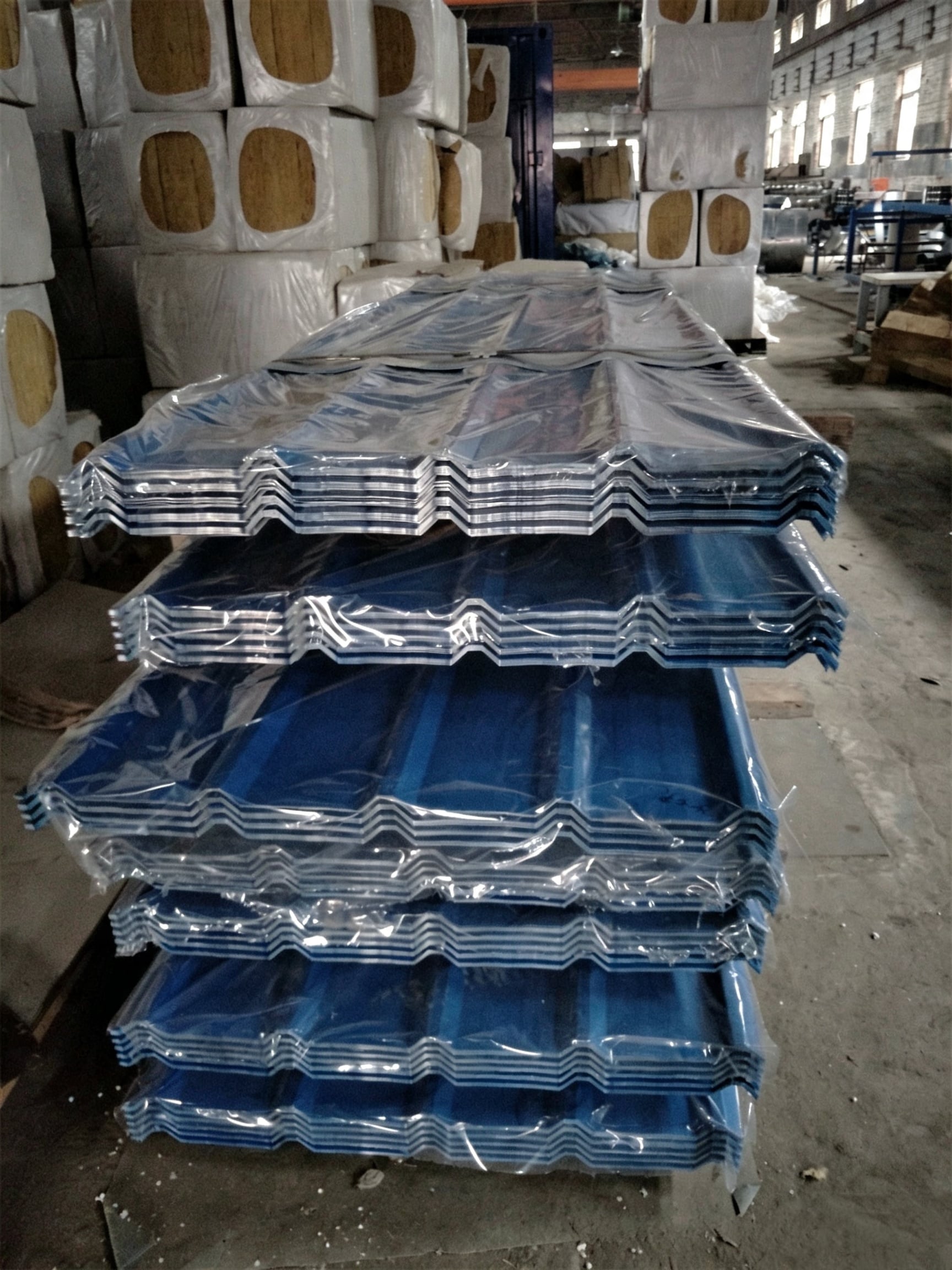
Corrugated roof  tiles are  a popular choice in the construction  and roofing  industries due to their durability,  versatility, and  cost-effectiveness. As a B2B buyer, understanding the specifications,  advantages, and sourcing options  for corrugated  roof tiles  is crucial for making informed  purchasing decisions. This article will guide you through key  specifications,  advantages,  reliable suppliers, sourcing options, and a comparison of different types of  corrugated roof tiles to  help  you  choose  the best fit for your  building projects.

Why choose Xingyuanxing corrugated roof tiles

Our Products

Key Specifications to Consider for Corrugated Roof Tiles

When selecting corrugated roof tiles, several  key specifications should be taken into account  to ensure their suitability for your application.

Material  Composition: Corrugated roof tiles are typically made from materials such as metal, concrete, or plastic. Metal tiles, often  galvanized or coated with protective layers, offer excellent durability and resistance to weather conditions. For example, Galvanized Several-Shaped Steel Profiles 50*70mm For Greenhouse Frames are a great option for those looking for strength. Concrete tiles provide strength and thermal insulation, while plastic tiles are lightweight and resistant to corrosion.  The choice of material directly affects the tiles' longevity, maintenance needs, and overall performance.

Thickness: The thickness of the tiles can impact their strength and insulation properties. Thicker tiles generally provide better insulation and  resistance to impact, making them suitable for harsher climates. Consider the local weather conditions when determining the appropriate thickness.


Dimensions: Standard sizes for  corrugated  roof tiles can vary, so it’s essential to confirm the dimensions that will best fit  your roofing  structure. This includes both the length and width of the tiles, as well as the corrugation depth. Proper dimensions ensure a good fit and reduce  material waste during installation.


Weight: The weight of the tiles affects the structural requirements of the building.  Lighter tiles may require less  robust support structures, while heavier tiles may necessitate additional reinforcement. Always consult with structural engineers to ensure compliance with building codes and safety regulations.

Coating and Finish: The surface treatment  of the  tiles can enhance their aesthetic appeal  and protective qualities. UV-resistant coatings can  prevent fading, and anti-corrosive  finishes provide added durability. Ensure that the finish aligns with your project's visual requirements and performance expectations.

Frequently Asked Questions

Our Blog Posts

What Our Partners Say

Top Advantages of Corrugated Roof Tiles for Building Projects

Top Advantages of Corrugated Roof Tiles for Building Projects

Corrugated roof tiles offer several advantages that make them an attractive option for various building  projects:

Durability: These tiles are designed  to  withstand harsh weather  conditions, including heavy rain, snow, and extreme temperatures. Their robust construction  ensures a long lifespan, reducing the frequency of  replacements.

Cost-Effectiveness: Corrugated roof tiles are often more affordable than traditional roofing materials. Their lightweight nature also reduces transportation and labor  costs during installation. Furthermore, using materials like Hot-Dip Galvanized I-beam Profiles 10# For Humid Industrial Workshops can further enhance cost efficiency.

Versatility: Available in a range of materials, colors, and styles, corrugated roof tiles can  be used for residential, commercial, and industrial  applications.  Their adaptability allows for creative architectural designs.

Ease  of Installation: The lightweight design  and  interlocking features of  corrugated roof  tiles simplify the  installation process,  saving time and labor costs. This can be particularly  beneficial for large-scale  projects.

Energy Efficiency: Certain materials used in corrugated roof tiles provide insulation benefits, helping to regulate indoor  temperatures and reduce energy consumption for heating and cooling.

Reliable Suppliers for Bulk Orders of Corrugated Roof Tiles

Reliable Suppliers for Bulk Orders of Corrugated Roof Tiles

When sourcing corrugated roof tiles, it’s essential  to partner with reliable suppliers who can meet  your bulk  order needs. Consider the following aspects when  evaluating potential  suppliers:

Experience and Reputation: Look for suppliers with a proven track record in the industry.  Companies like Tianjin Xingyuanxing  Color Steel  Structure Co., Ltd., with 10 years of experience in steel structure engineering and building material supply, are  typically more reliable.

Quality Assurance: Ensure that the  supplier has robust quality control processes in place. Certifications and adherence to industry standards  can indicate a commitment to producing high-quality products.

Manufacturing Capabilities: A supplier's manufacturing capabilities can affect  lead times and customization options. Evaluate their production equipment  and capacity to ensure they can handle your order volume.

Customer Service: Good communication and customer support are vital when placing bulk  orders.  A supplier that is  responsive and willing to assist with inquiries and concerns can  enhance your purchasing experience.

Logistics and Delivery: Assess the supplier's logistics capabilities, including their ability to meet  delivery schedules and manage  shipping logistics efficiently. This is crucial  for large projects with tight timelines.

Where to Source High-Quality Corrugated Roof Tiles for Your Needs

Where to Source High-Quality Corrugated Roof Tiles for Your Needs

Sourcing high-quality corrugated roof  tiles involves several steps:


Industry Trade Shows and  Expos: Attending industry-specific trade shows can provide direct access to manufacturers and  suppliers. This allows for personal interaction, discussions about product specifications, and  the opportunity to inspect samples.

Online Marketplaces: Platforms like  Alibaba and Made-in-China can  connect you with a variety of suppliers. However,  it’s essential to conduct  thorough research and verify the credibility of suppliers  before  making any commitments.

Local Distributors: Engaging with local distributors can simplify logistics and reduce shipping costs. They often have  established relationships with manufacturers and can provide valuable insights into product performance and suitability.

Manufacturer Websites: Visiting manufacturer websites  can provide comprehensive information about their product offerings, specifications, and customization options. Look  for companies that  provide detailed technical data  and customer support.

Recommendations: Seeking recommendations from industry  colleagues can lead you  to  reputable  suppliers. Personal experiences can provide insights into product performance and supplier reliability.

Comparing Different Types of Corrugated Roof Tiles for Contractors

When evaluating different types of corrugated roof tiles, contractors should consider several factors to make informed decisions:

Material Types: As mentioned earlier, the primary materials used in corrugated roof tiles include metal, concrete, and plastic. Each material has its unique properties, benefits, and costs. Metal tiles are often favored  for  their durability, while concrete  tiles are chosen for  their thermal insulation.

Cost Considerations: Pricing can vary significantly based on material, thickness,  and surface treatments. Contractors should balance upfront costs with long-term performance  and maintenance requirements.

Environmental Considerations: Some materials may offer better sustainability options. For instance, recycled  metal tiles can be an eco-friendly choice, while concrete tiles  can contribute to thermal  mass,  improving energy efficiency.

Performance Attributes: Evaluate the performance characteristics of each tile type, such as fire resistance, impact  resistance, and wind uplift ratings. Selecting tiles that meet the specific performance standards required for the project is essential.


Aesthetic Preferences: The visual  appeal of the tiles can also influence  decisions. Contractors should  consider  color options, finishes, and how the tiles will complement the overall design of the building.

By carefully considering these factors, contractors can select the appropriate corrugated  roof tiles that align  with  their project requirements  and client expectations.