Choosing Corrugated Roof Panels for Your Project

application/corrugated-roof-panels, application/corrugated-roof-panels, 
Inquiry
Inquiry

corrugated roof panels

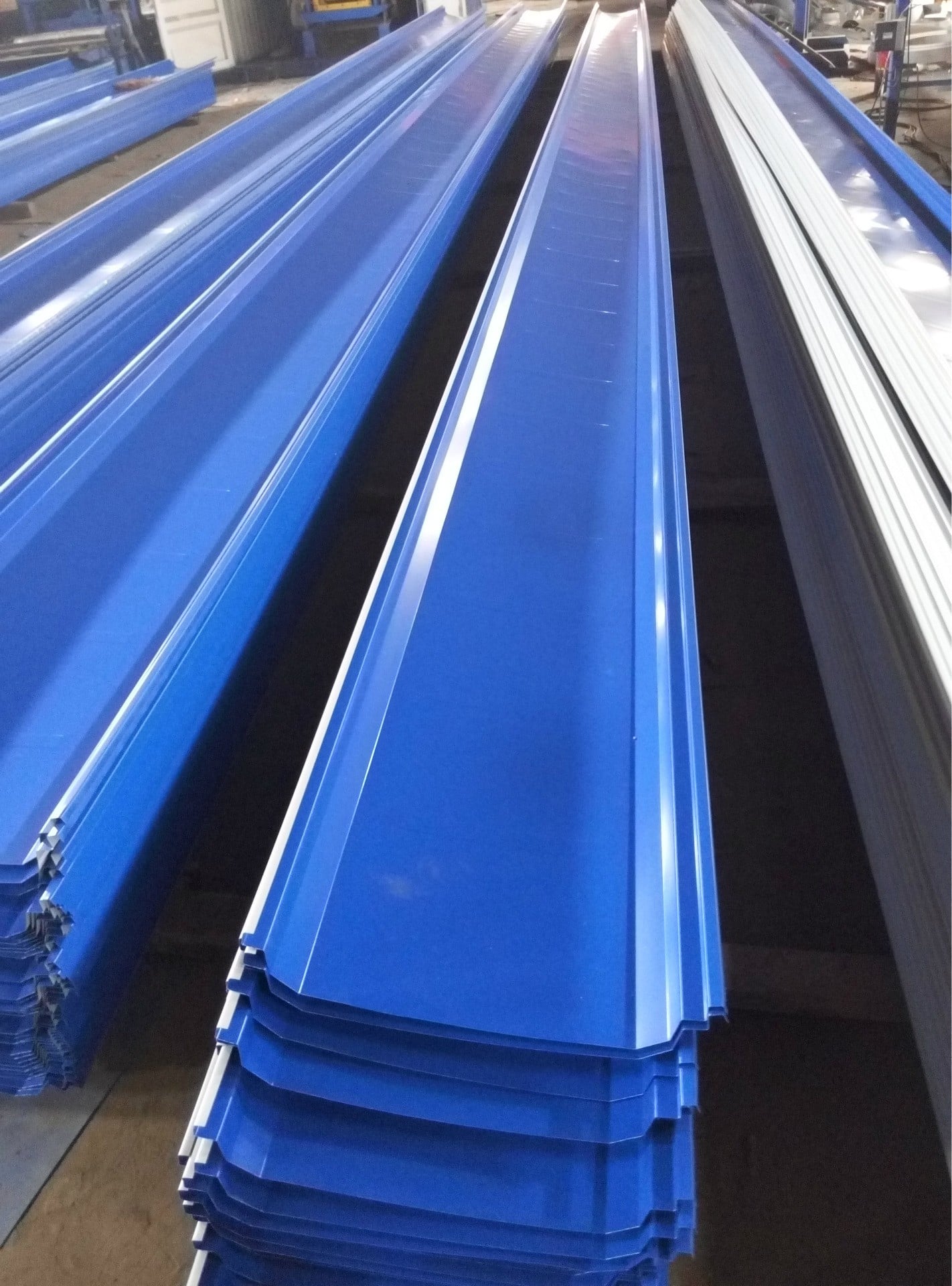
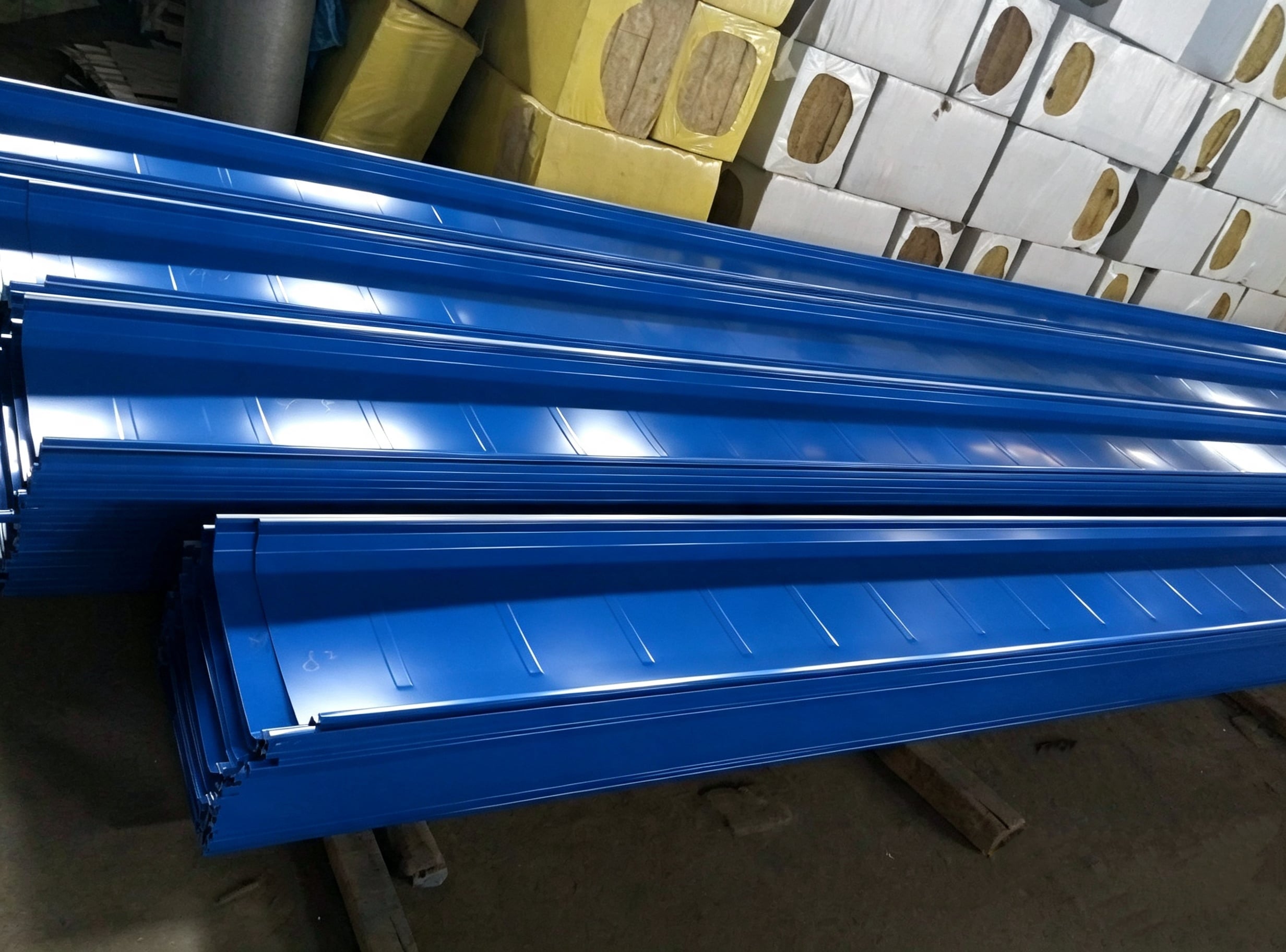
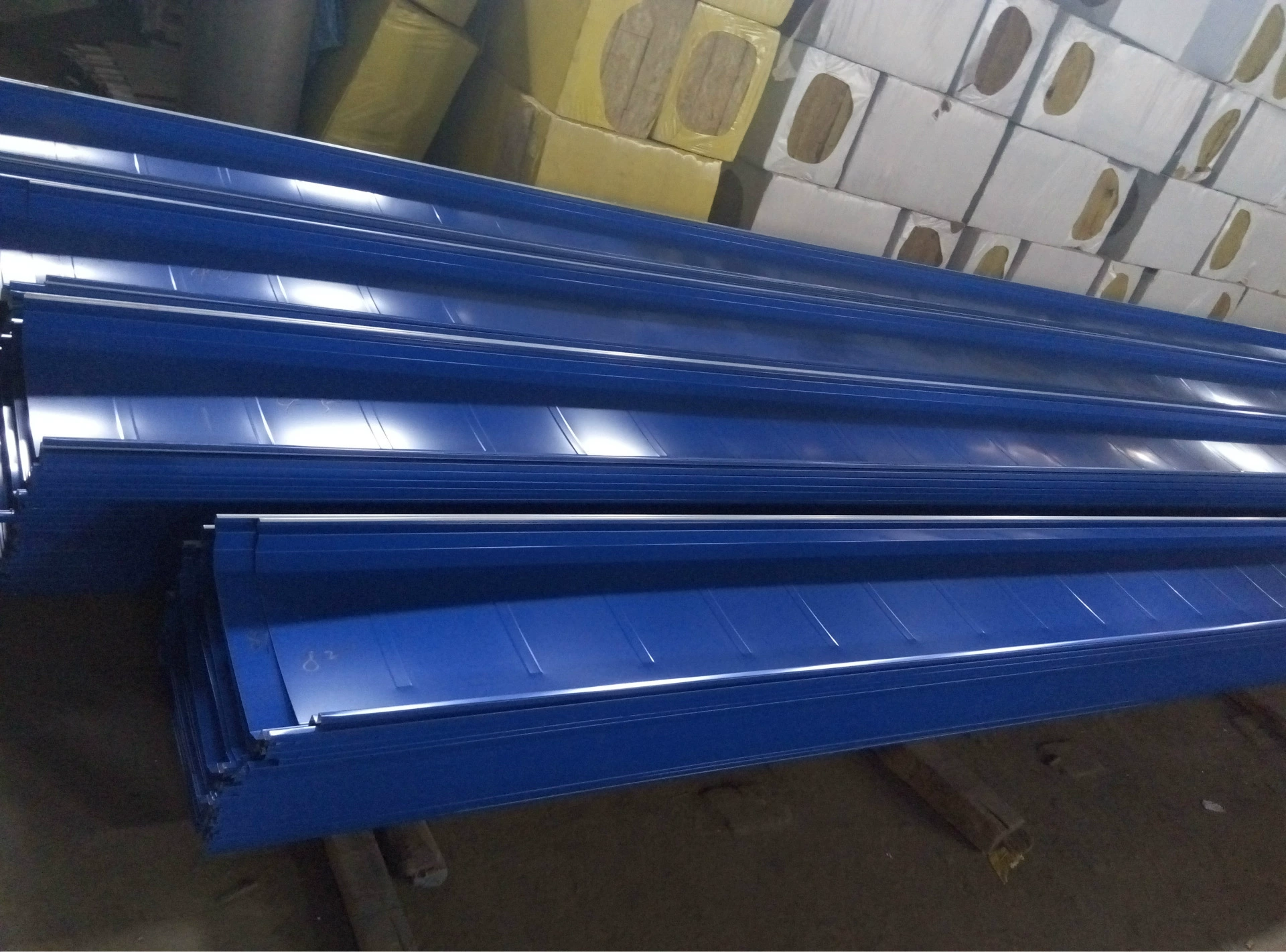
Corrugated  roof panels  are widely used in various construction  projects due  to their  durability, lightweight  nature, and cost-effectiveness. These panels are  designed  to provide structural support  and protect  buildings from environmental  elements.  For B2B buyers, understanding the specifics of corrugated roof panels is essential to  make informed  purchasing  decisions. This article will guide you  through critical considerations such as  choosing the right panels, evaluating  quality, sourcing suppliers, and understanding cost factors related to your  projects.


Why choose Xingyuanxing corrugated roof panels

Our Products

Choosing the Right Corrugated Roof Panels for Your Projec

Selecting  the appropriate  corrugated roof panels involves several important factors, starting with material choice. Common materials include galvanized steel, aluminum, and fiberglass, each offering unique advantages. For instance, galvanized steel is known for its strength and corrosion resistance, while fiberglass panels provide excellent transparency and light diffusion for applications requiring  natural lighting.

Next, consider the panel profile  and  thickness. The profile impacts  both aesthetics and structural performance. A  more pronounced wave  form can enhance rigidity, while thinner panels may be suitable for less demanding applications. Buyers  should  also evaluate the specific application environment, such as exposure to chemicals,  humidity, or extreme  temperatures, to ensure compatibility.

Finally,  the intended  use  of the building—whether industrial, agricultural, or commercial—will influence the selection  process. For example, agricultural buildings may require panels that can withstand heavy loads from  snow or  equipment, while  commercial structures might prioritize aesthetics and  energy efficiency.

Frequently Asked Questions

Our Blog Posts

What Our Partners Say

How to Evaluate the Quality of Corrugated Roof Panels

How to Evaluate the Quality of Corrugated Roof Panels

Quality evaluation of corrugated roof panels is critical for ensuring  longevity and performance. Key factors to consider include material thickness, surface  treatment, and certifications.

Material thickness is a  primary indicator of strength; panels that are too thin may not  withstand environmental stressors. A common standard for thickness is measured in  gauge, with lower gauges  indicating  thicker materials. It's advisable to  confirm the gauge with the supplier  and compare it against industry standards.

Surface treatments, such as galvanization or paint coatings, enhance corrosion resistance  and aesthetic appeal. Ask for information regarding  these treatments, including the type  of coating and  its expected lifespan. 

Moreover, certifications from recognized standards organizations can provide assurance of quality.  Buyers should look for  certifications that align with their specific industry requirements,  such as  ISO standards or  local building codes. Inspection of samples can also reveal  potential defects such as warping or inconsistent coatings, which could affect performance.

Where to Source Reliable Suppliers for Corrugated Roof Panels

Where to Source Reliable Suppliers for Corrugated Roof Panels

Finding reliable suppliers for corrugated roof panels is essential for ensuring consistent quality and service. Start by researching manufacturers with a proven  track record in the industry. Company experience, such  as that of  Tianjin Xingyuanxing Color Steel  Structure Co., Ltd., which has over 10 years of experience in engineering design and fabrication, can be a strong indicator of reliability.

Request quotes from multiple suppliers  and evaluate  them based on product specifications, lead times,  and customer  service.  It’s  beneficial  to consider suppliers  that offer customization  options to meet specific project requirements.


Additionally, attending industry trade shows or networking events can connect you with reputable suppliers  and enable you to  view their  products firsthand. Online forums and industry associations  can also provide insights  into supplier reputations and customer experiences.

 
Cost Factors to Consider When Purchasing Corrugated Roof Panels

Cost Factors to Consider When Purchasing Corrugated Roof Panels

When budgeting for corrugated roof panels, several cost factors must be taken into account. The  primary  components include  material costs, manufacturing processes,  and  shipping expenses.

Material costs will  vary  based on the type of metal or other materials used,  as well as market fluctuations. For example, galvanized steel may fluctuate  in price based on steel market conditions.


Manufacturing processes  can impact cost as well; custom panels or those  requiring special treatments may incur additional  charges.  It’s essential to clarify any customization requests upfront to avoid unexpected costs later in the process.

Shipping costs should also be included in the budget. Factors influencing shipping expenses include panel size,  weight,  and distance from the  supplier. Some suppliers may offer  bulk pricing, which  can  reduce overall costs if large quantities are ordered.

Technical Specifications of Corrugated Roof Panels You Should Know

Understanding the technical specifications of  corrugated roof  panels is crucial for  ensuring they meet your project requirements. Key specifications  include panel  size, profile shape, material type, and weight.

Panel size typically refers to  the length and width of the panel, which can vary significantly depending on the supplier. Standard widths might  range from 26 to 36 inches, while lengths can be customized to fit specific building dimensions.

The profile shape  affects both appearance and functionality.  Common profiles include sinusoidal, trapezoidal, and ribbed  designs, each providing different strengths  and aesthetic options.

Material types,  including steel, aluminum, and fiberglass, as previously mentioned,  should be selected based on the application’s environmental  demands.

Finally, the weight of the panel is an important consideration for structural support and installation. Heavier panels may require more robust supporting structures,  while lightweight  options can reduce overall building load.

In summary, proper evaluation of these specifications will ensure that the  corrugated  roof panels you choose will perform effectively in your  intended application. Buyers should always confirm specifications with the manufacturer and, if possible, request samples to evaluate before finalizing their order.