Choosing the Best Corrugated Roof Sheeting

application/corrugated-roof-sheeting, application/corrugated-roof-sheeting, 
Inquiry
Inquiry

corrugated roof sheeting

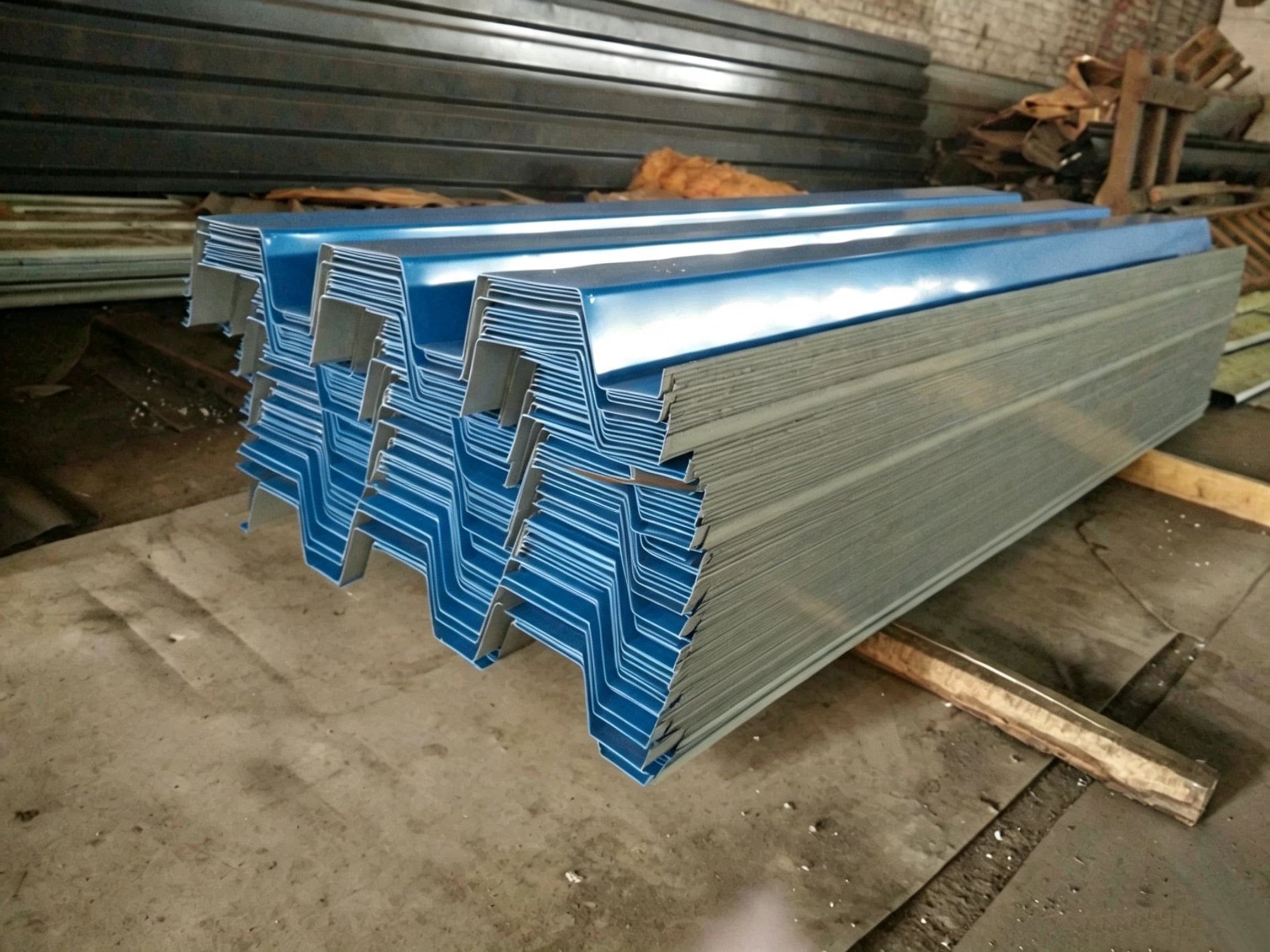
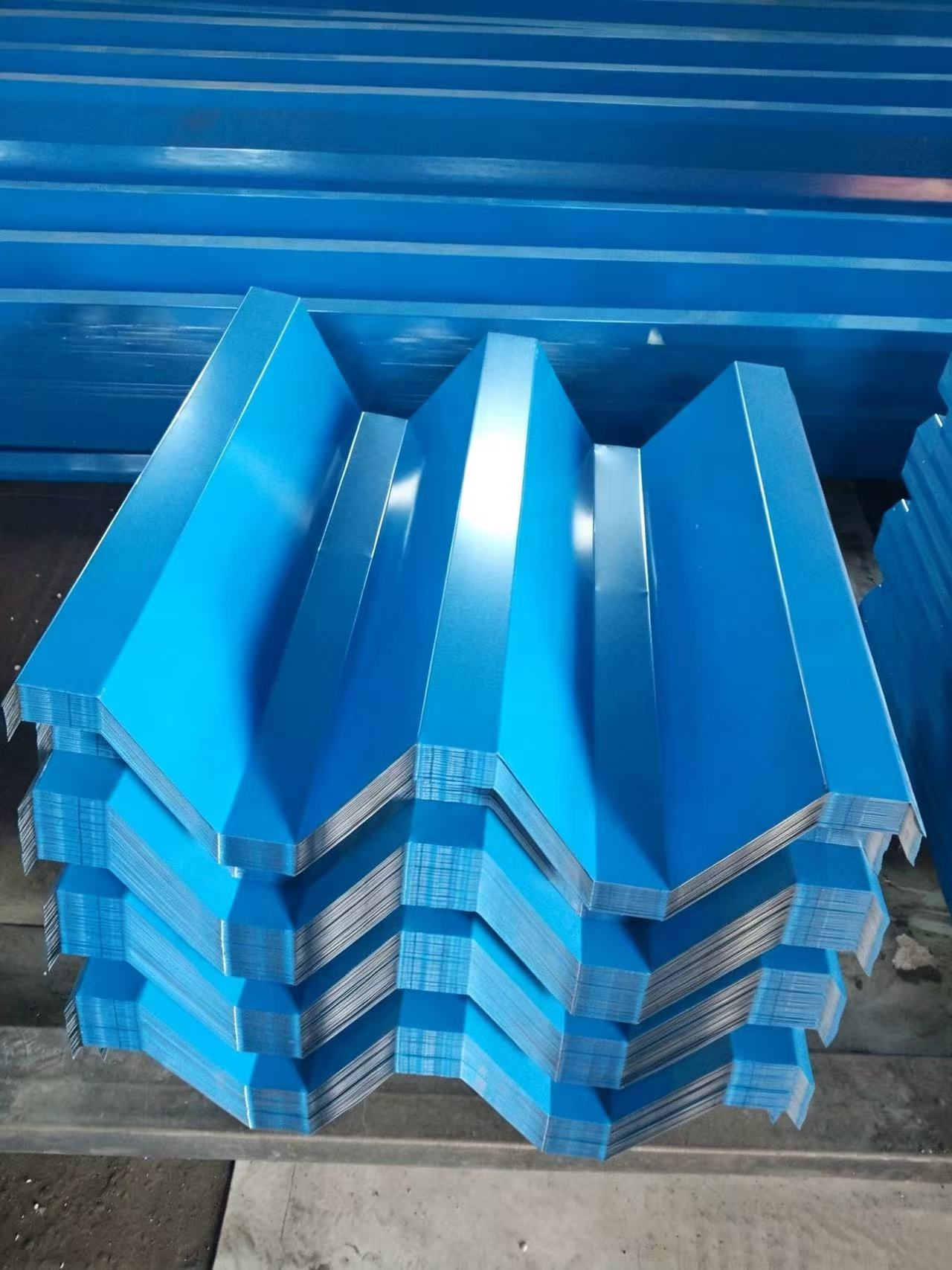
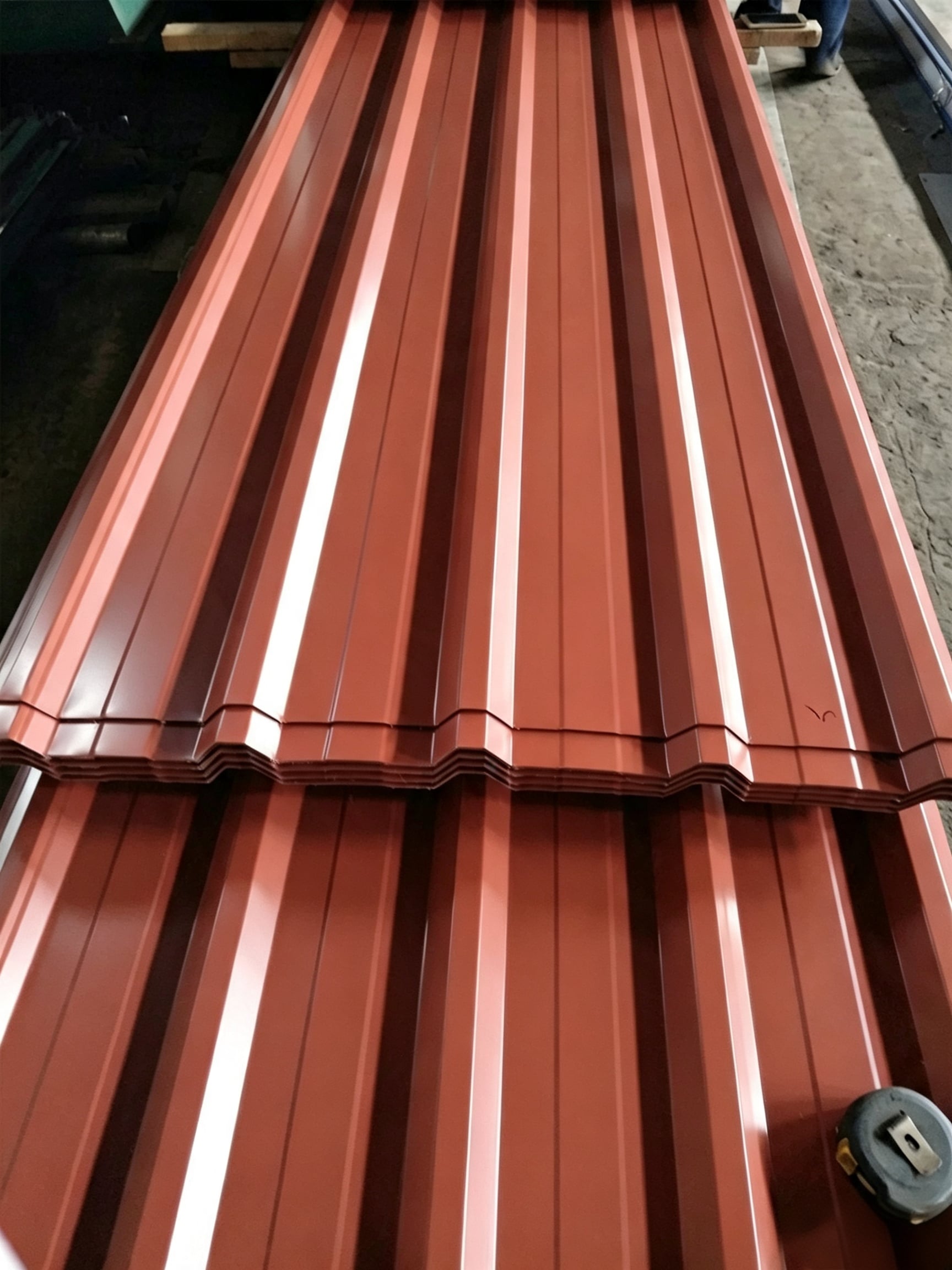
Corrugated roof sheeting  is a  popular  building material known for  its  durability,  lightweight properties, and versatility in various applications. As  a B2B buyer,  you  may have concerns about selecting the right type of corrugated roof  sheeting for  your project,  including material specifications,  suitability for purpose, and potential cost implications. This article will provide  you  with crucial insights into choosing, comparing, and  effectively utilizing corrugated roof sheeting,  ensuring  that  your procurement decisions are  informed and practical.

Why choose Xingyuanxing corrugated roof sheeting

Our Products

What to Consider When Choosing Corrugated Roof Sheeting for Projects

When selecting corrugated roof sheeting, several  factors play a critical role in ensuring it meets your project requirements. First, consider the material  from which the sheeting is made. Common materials include galvanized steel, aluminum, and fiberglass, each offering distinct advantages. For  instance,  galvanized steel is known  for its strength and resistance to rust, making it ideal for harsh environments.

Next, evaluate  the thickness and profile of the sheets. Thicker sheets typically provide better durability and insulation, while the profile affects the aesthetic  appeal and drainage capability. It’s essential to match the profile to the architectural style of the  building  and  the expected weather  conditions in the project location.

Additionally, consider the sheeting's coating. A high-quality coating enhances resistance to corrosion,  UV degradation,  and chalking. Look for  products with warranties that guarantee  their performance over time, which can indicate a manufacturer's confidence in their product quality.

Lastly,  confirm the dimensions and ensure they align  with your  architectural specifications.  The appropriate structure depends on the intended load-bearing capacity and installation method, so discussing  these details with your supplier can help avoid costly mistakes.

Frequently Asked Questions

Our Blog Posts

What Our Partners Say

Wholesale Options for Corrugated Roof Sheeting

Wholesale Options for Corrugated Roof Sheeting

For businesses looking to procure corrugated roof  sheeting in bulk, exploring wholesale options can be  beneficial. Suppliers like Tianjin Xingyuanxing Color Steel Structure Co., Ltd. offer competitive  pricing for large orders, which can  significantly reduce per-unit  costs. When considering  wholesale  purchases, it’s essential to  communicate  your specific  requirements, such as material type, thickness, and dimensions, to ensure  the supplier  can meet your needs.

Moreover, inquire about minimum order quantities (MOQ) and lead times, as these  factors can  affect your project  timeline. Many suppliers may also provide customizable options, allowing you to specify colors, coatings,  or dimensions tailored to  your project specifications. Engaging in open dialogue with  suppliers can facilitate better deals and ensure that your order is processed  smoothly.

 
How to Compare Different Types of Corrugated Roof Sheeting

How to Compare Different Types of Corrugated Roof Sheeting

Comparing different  types of corrugated roof sheeting requires attention to several key specifications. Start  by assessing the material properties, as they directly influence performance. For example, galvanized steel sheeting is often favored for its strength and  longevity, while aluminum sheeting is lighter and resistant to corrosion,  making it suitable for coastal applications.

Next, examine  the thickness of the sheets, usually measured in millimeters. Thicker sheets typically offer better resistance  to impacts and weather but may come at a  higher cost. Additionally,  look at the profile design,  which affects not only aesthetics but also water drainage and wind resistance.

Another important comparison point is the warranty and certification of the sheeting. Reliable manufacturers provide  warranties that cover specific periods,  indicating  their  commitment to quality. Certifications, such as ISO or local building codes, can  also provide peace of mind  regarding the  product's compliance with industry standards.

Lastly, consider the supplier’s reputation  and customer service. Engaging with previous customers or seeking testimonials  can give  you  insights into the supplier's reliability and the quality of their products.

Best Practices

Best Practices

To  ensure successful installation and long-term performance of corrugated roof sheeting, adhere  to best practices during both procurement and installation.  Start by reviewing samples  before placing a bulk order. A sample can reveal potential issues  related  to fit and  finish that may not be apparent in  product specifications alone.


During installation, ensure  that the sheeting is applied according to  manufacturer guidelines.  Pay attention  to proper fastening techniques and spacing, as inadequate installation can lead to  leaks and structural  weaknesses. Furthermore, consider the use of  appropriate sealants and flashings  to enhance waterproofing and prevent moisture ingress.

Regular maintenance is  also crucial. Inspect the roof periodically for signs of wear, damage, or corrosion. Early detection of issues can prevent costly repairs in the future. This proactive approach not only extends the lifespan of  the  roof but also maintains the integrity of the building.

Common Problems in Corrugated Roof Sheeting and Their Solutions

While corrugated roof sheeting  is generally robust, several common problems can arise. One  frequent issue is corrosion,  particularly  in environments with  high moisture or salt exposure. To combat this, choose materials with adequate protective coatings and plan for regular maintenance checks.

Another  common problem is improper installation leading to  leaks.  Ensure that all seams  and overlaps are adequately sealed, and use the recommended fastening methods to prevent wind uplift. If leaks occur,  investigate the source promptly and apply appropriate sealing  methods as prescribed by the manufacturer.

Lastly, buyers should be aware of thermal expansion and  contraction issues, which can  cause  warping  or buckling of the sheets. To mitigate this,  allow for expansion gaps during installation and choose materials that  can withstand temperature fluctuations in your region.

By understanding  these common challenges and their solutions, you can make informed decisions and maintain  the integrity and performance of your  corrugated roof sheeting over time.