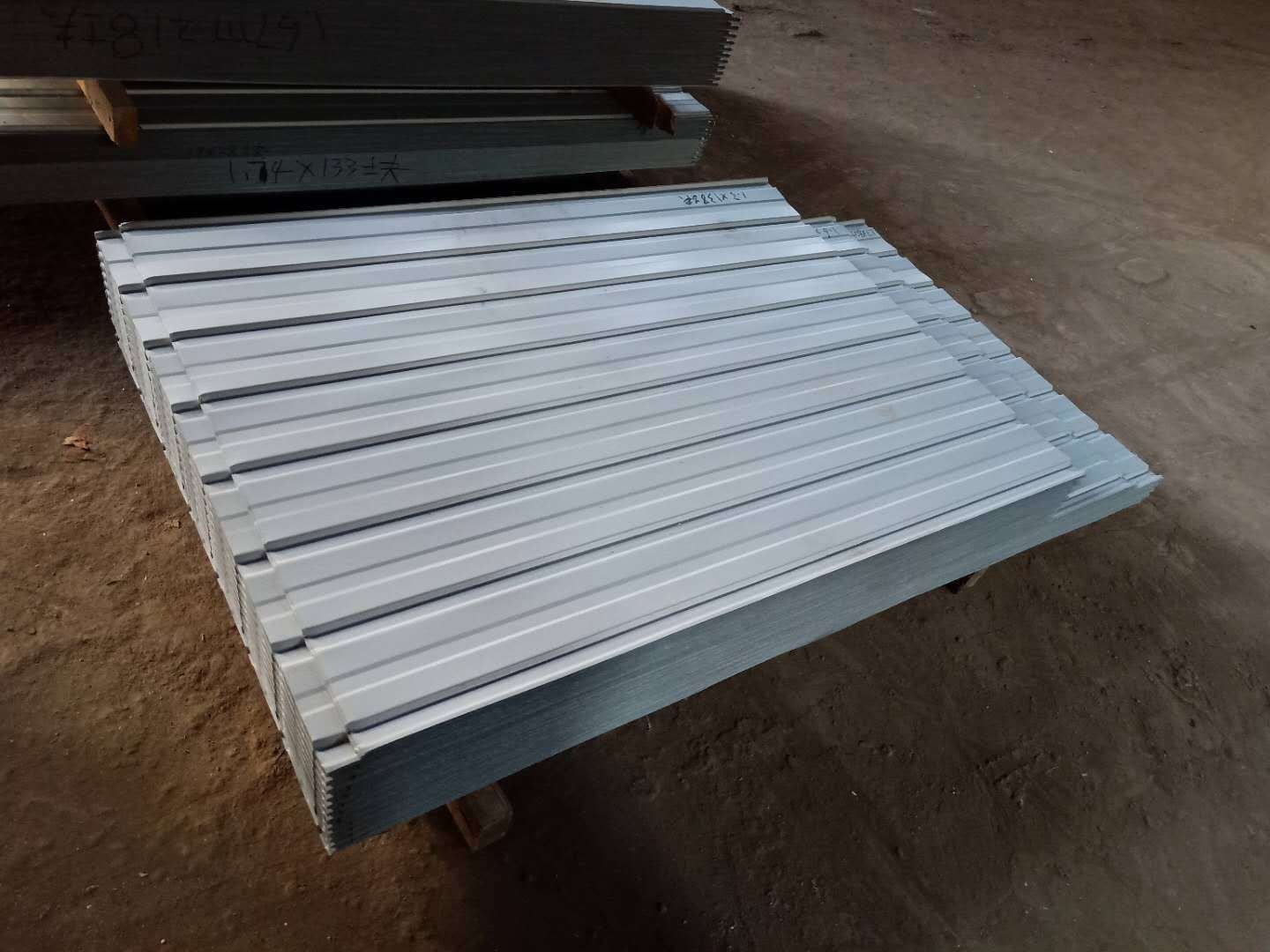
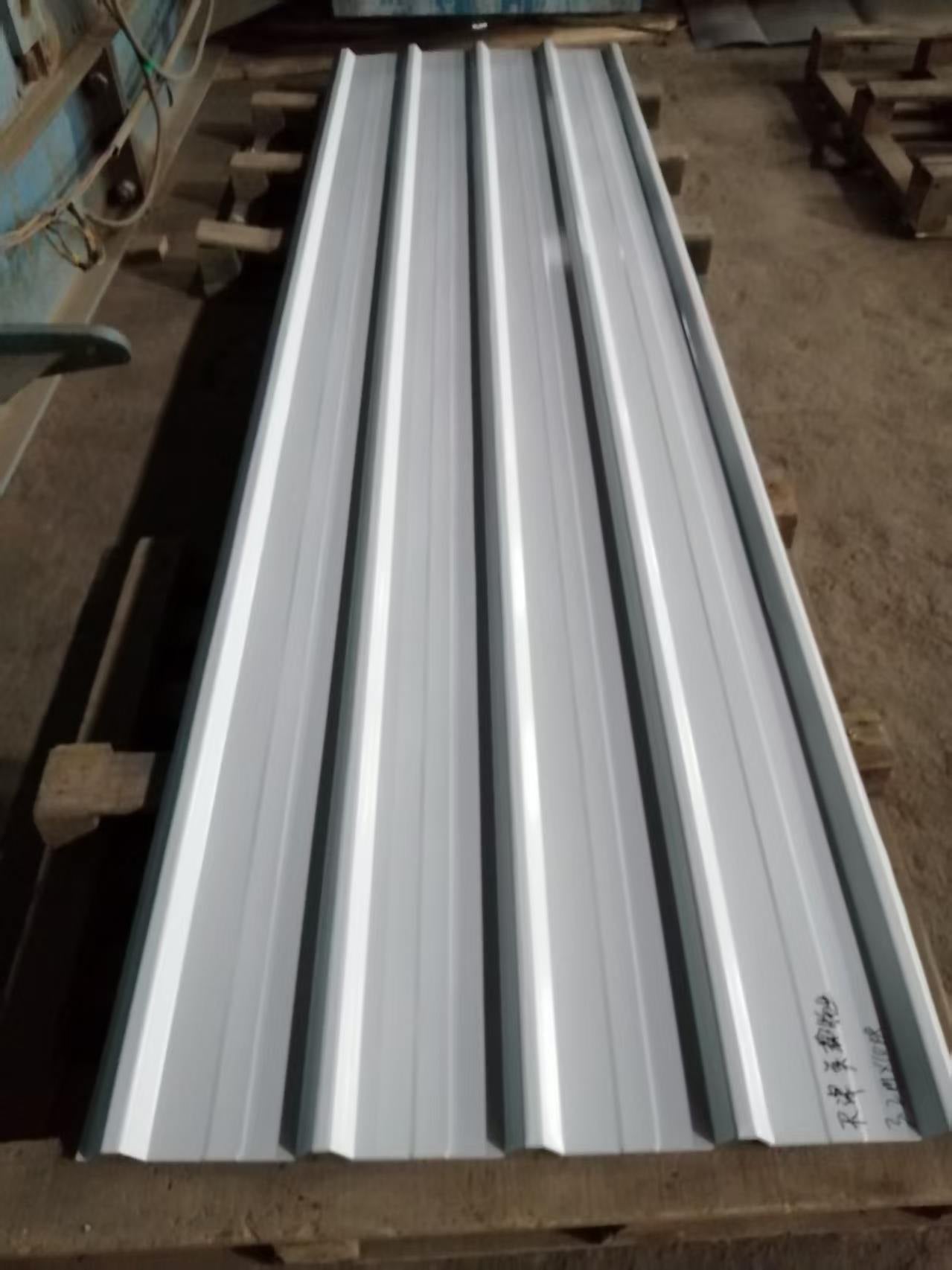
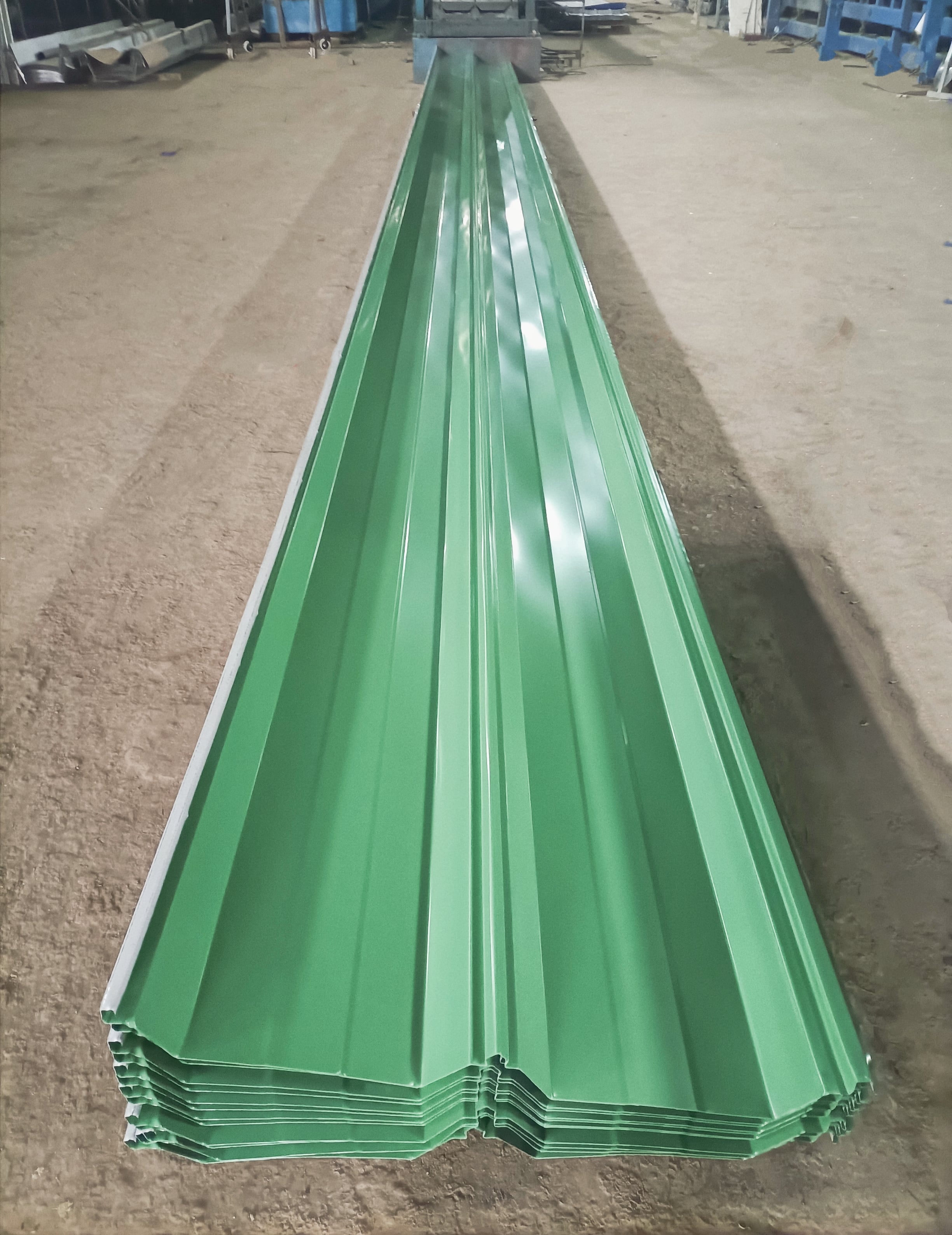
Evaluating Corrugated Roofing Sheets for Your Projects

application/corrugated-roofing-sheets, application/corrugated-roofing-sheets, 
Inquiry
Inquiry

corrugated roofing sheets

Corrugated roofing sheets are  a popular  choice in the construction and manufacturing  industries due to their  durability,  lightweight nature, and cost-effectiveness. As a  B2B buyer, understanding the quality, specifications, costs, and installation  challenges associated  with these sheets  is  essential for making  informed purchasing decisions. This article  will  help you evaluate corrugated roofing  sheets,  compare costs, address common installation  issues, and provide solutions  to potential problems,  enabling you to choose  the best option for your  projects.

Why choose Xingyuanxing corrugated roofing sheets

Our Products

How to Evaluate the Quality of Corrugated Roofing Sheets

When assessing  the quality of corrugated roofing sheets, several factors should be considered. First, examine the  material type, as common options include galvanized steel, aluminum, and fiberglass. Each material has its unique properties, such as corrosion resistance and weight,  which can affect durability and suitability for specific applications. Additionally, many of these roofing solutions can complement a robust Secondary steel structure design, enhancing overall durability.

Next, focus on  the thickness  of the sheets. A thicker sheet  typically  offers better strength and  longevity, but the optimal thickness depends on the intended use and environmental conditions. For instance, areas prone to heavy rainfall or snow may require thicker sheets for added support.

Additionally,  check for certifications and quality control processes employed by the manufacturer.  Reputable suppliers, like Tianjin Xingyuanxing  Color Steel  Structure Co., Ltd., typically adhere to  strict quality standards and undergo regular inspections to  ensure product consistency and reliability.  


Lastly, consider  the surface treatment applied to the sheets. A quality finish can  enhance  resistance to UV  rays and environmental conditions, prolonging  the lifespan of the product.

Frequently Asked Questions

Our Blog Posts

What Our Partners Say

Understanding Specifications for Corrugated Roofing Sheets

Understanding Specifications for Corrugated Roofing Sheets

Specifications for corrugated  roofing sheets encompass several technical parameters  that affect performance and suitability. Key specifications include:

Thickness: Generally measured in millimeters, thickness directly impacts durability. Thicker sheets provide increased strength, while  thinner options may  be  more cost-effective for less demanding applications.

Width and Length:  These dimensions vary based on  project requirements. Standard widths typically range from 600 to 1200 mm, while lengths can be  customized  according to specific needs.

Profile Type: Common profiles  include trapezoidal  and sinusoidal shapes.  The choice of profile can influence the aesthetic appeal and drainage capabilities of the roofing.

Material Properties: Understanding the corrosion resistance and thermal properties  of materials is crucial. For example,  galvanized  steel offers excellent corrosion protection, making it suitable for humid  environments.


Coating Options: Many sheets are available  with protective coatings that improve resistance to environmental damage, thus  extending their lifespan.

Confirming these specifications with your supplier ensures  that you select the most suitable product for your project.

Comparing Costs of Corrugated Roofing Sheets for Bulk Orders

Comparing Costs of Corrugated Roofing Sheets for Bulk Orders

When  sourcing corrugated roofing sheets, pricing is a critical consideration, especially for bulk orders. Costs can vary based on factors such as material choice, thickness, and  supplier. Here are some key  points to consider:

Material Costs:  Different materials have varying price  points. For example, aluminum sheets may be more expensive  than galvanized steel but offer  better corrosion resistance.

Customizations: Custom dimensions or finishes can  increase the overall cost. Ensure  you evaluate whether these customizations are necessary for your project.

Minimum Order Quantities  (MOQ): Suppliers  often have MOQs, which can  affect overall pricing. It’s essential to discuss these with potential suppliers to find a balance between quantity and cost-effectiveness.


Shipping and Handling: Consider additional costs associated with shipping, especially for large orders. Some suppliers may offer reduced shipping rates for bulk purchases.

Long-term Value:  While initial costs are important, consider  the long-term value of the roofing sheets. Investing in  higher-quality materials may lead to lower maintenance and replacement costs  over time.

By  comparing quotes from multiple suppliers and considering these cost factors, you can make informed decisions that  align with your budget and project  needs.

Common Installation Challenges with Corrugated Roofing Sheets

Common Installation Challenges with Corrugated Roofing Sheets

While corrugated roofing  sheets can be straightforward to install, various challenges may arise during the installation process. Common issues include:

Alignment and Fit: Ensuring proper alignment of the sheets is crucial for effective drainage and aesthetic appeal. Misalignment can  lead to water pooling and potential  leaks. It is advisable to use a level and guide during installation  to achieve proper alignment.

Sealing  and Fastening: Incorrect  sealing and fastening techniques  can  compromise the integrity of the roof. Using  the right fasteners and sealants designed for the specific material is essential to prevent leaks and ensure a secure fit.

Thermal Expansion: Corrugated sheets  may expand and contract with temperature fluctuations. Providing adequate spacing between sheets during installation can accommodate this movement and prevent  buckling.

Handling and Transportation: Care  must be taken when transporting and handling sheets to avoid scratches and  dents, which can  affect performance and appearance.  

Weather Conditions: Installing during adverse weather conditions can lead  to complications. It is best to choose  a dry  day for installation to ensure the best adhesion of sealants and  prevent slipping during the process.

By  anticipating these challenges and preparing accordingly, you can streamline the installation process and enhance the performance  of your corrugated roofing sheets.

Solutions to Common Problems with Corrugated Roofing Sheets

Despite their durability, corrugated roofing sheets can  encounter issues during their  lifecycle. Here are some common  problems and suggested solutions:

Rust and Corrosion: Over time, exposure  to moisture can lead to  rusting, particularly in  untreated metal sheets. To  mitigate this, ensure that sheets are coated with corrosion-resistant finishes. Regular inspections and maintenance can  also help identify early signs of rust.

Leaks: Leaks can occur due to improper installation or wear over time. Regular inspections should be performed to identify any  gaps or loose fasteners. Re-sealing seams with appropriate sealants can restore waterproofing.

Warping or Buckling: Extreme temperature  changes can cause sheets to warp. To prevent this, ensure proper installation techniques are followed, including leaving gaps for thermal expansion, and opt for  thicker materials that withstand temperature fluctuations better.

Impact Damage: Heavy debris or hail can cause  dents or punctures. In high-risk areas, consider using thicker or impact-resistant materials to minimize damage.

Fading and Discoloration: UV rays can lead to fading over time. Choosing sheets with UV-resistant coatings can help preserve color and  appearance, reducing the need for  replacement.

By understanding these common issues and their solutions, you can maintain the integrity of your corrugated roofing sheets, ensuring long-lasting performance and aesthetic appeal. Roof system solutions can also enhance the overall functionality of your roofing projects.

understanding the nuances of corrugated roofing  sheets—from evaluating quality  and specifications to addressing installation challenges and common problems—empowers  B2B buyers  to make informed decisions. By collaborating with reliable manufacturers and suppliers  like Tianjin Xingyuanxing Color Steel Structure Co., Ltd., you can ensure that your roofing solutions meet your  project’s demands effectively.