Colored Corrugated Metal Roofing Solutions

application/colored-corrugated-metal-roofing, application/colored-corrugated-metal-roofing, 
Inquiry
Inquiry

colored corrugated metal roofing

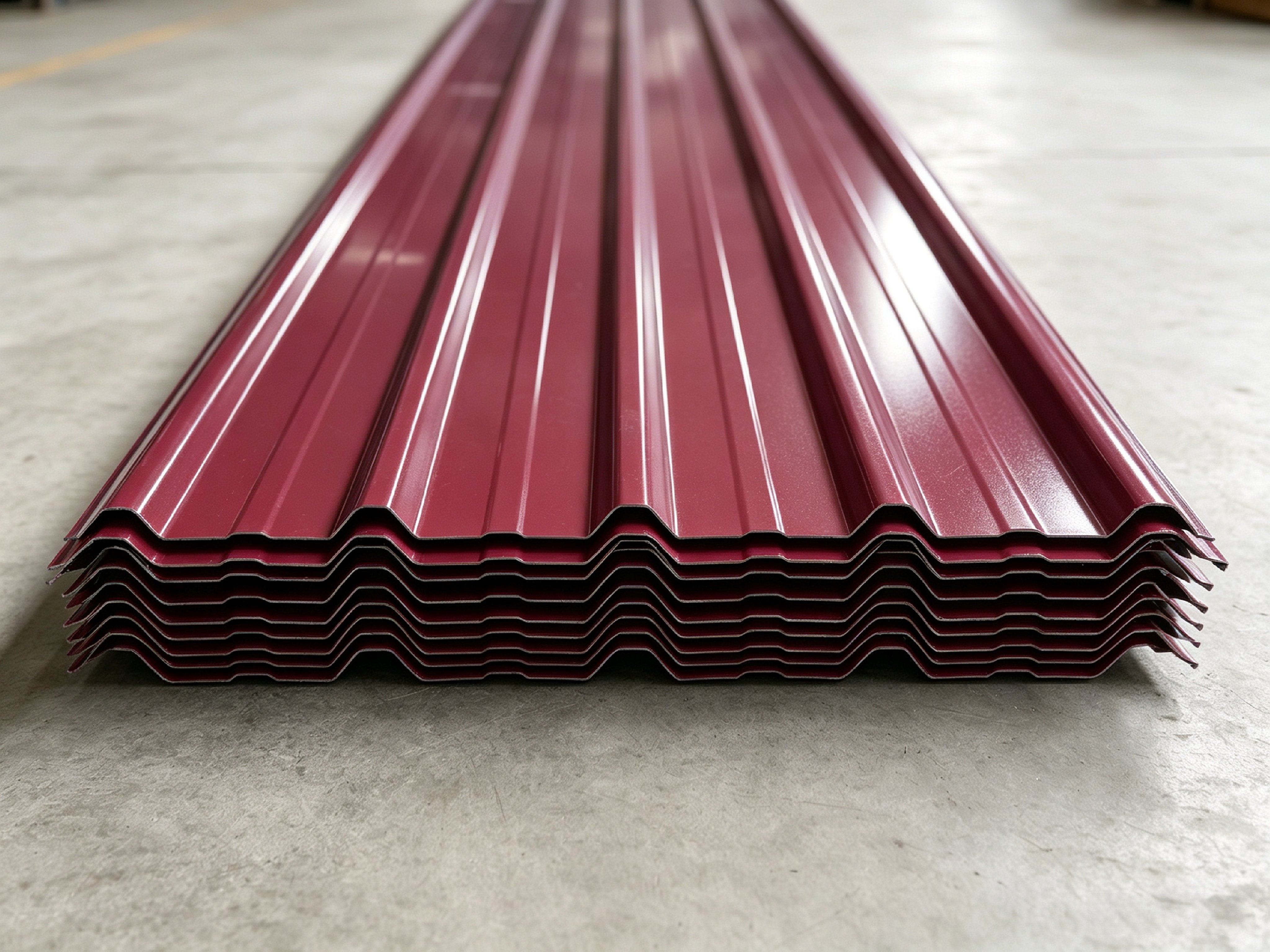
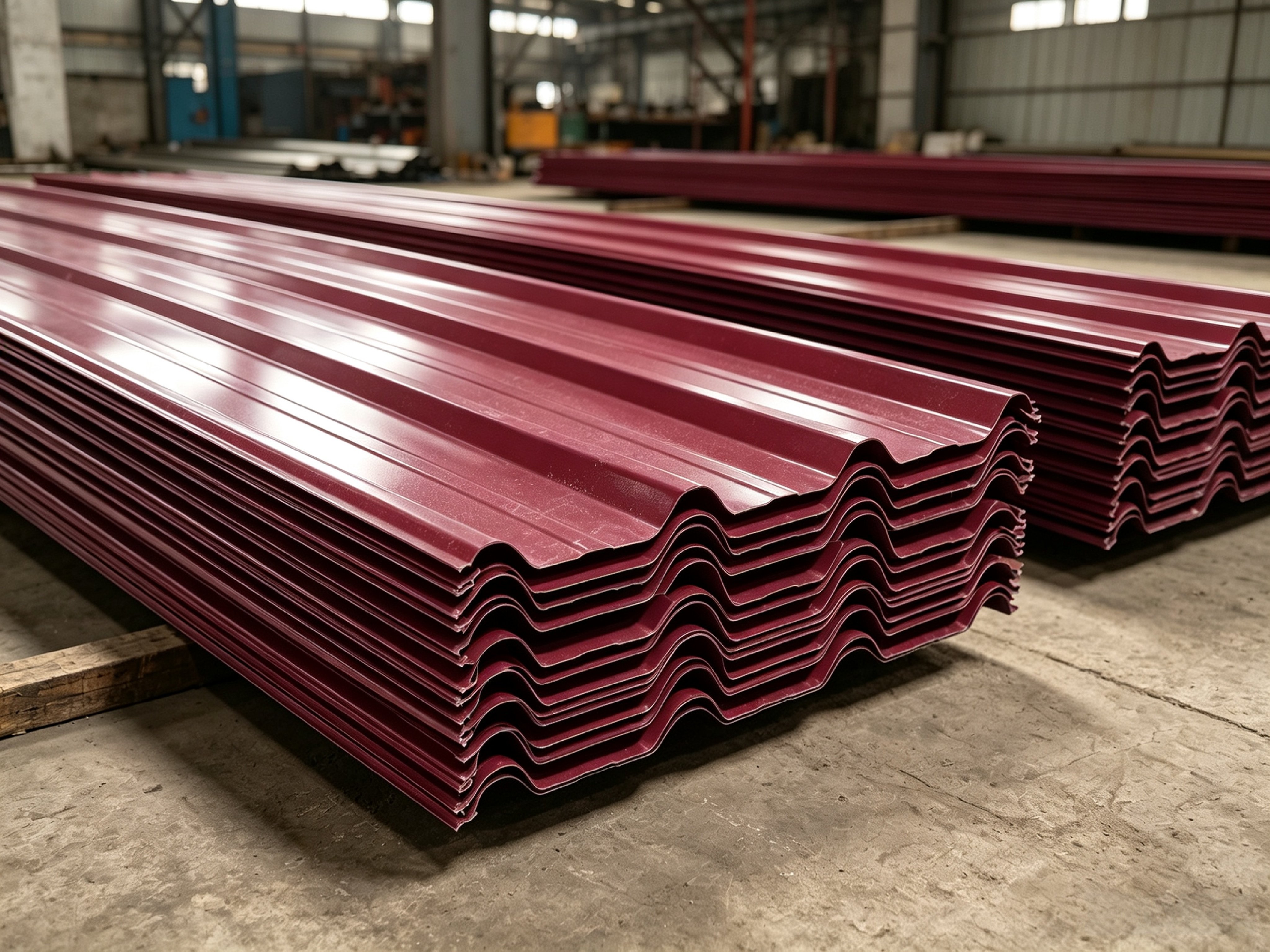
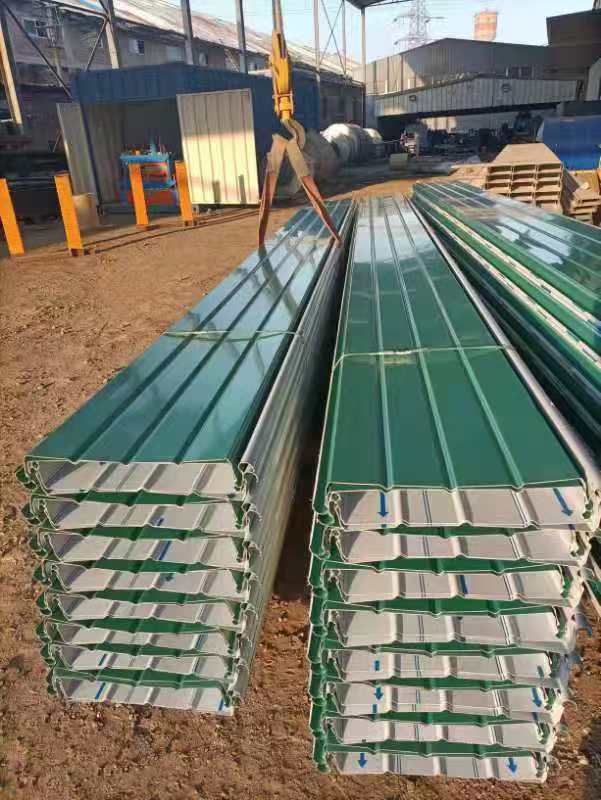
Colored corrugated metal  roofing is a  versatile and durable choice for  various construction projects, offering both  aesthetic appeal and functional  performance.  As a  purchasing manager or engineer, understanding  the specifics  of these materials is  essential for making  informed  decisions that align with your project requirements. This article will  cover key considerations such as  material selection,  installation guidance, cost factors, common issues,  and sourcing reliable  suppliers, ensuring  you have  the knowledge needed  to evaluate colored corrugated metal roofing effectively.

Why choose Xingyuanxing colored corrugated metal roofing

Our Products

What to Look for in Metal Roofing Materials

When selecting colored corrugated metal roofing, several critical factors must be considered to ensure the material meets your project's needs. First, the type of  metal is  essential; galvanized steel, aluminum, and zinc  are common choices. Each metal has its advantages and disadvantages regarding weight, corrosion resistance, and cost.  For instance, galvanized steel is often favored for its strength  and affordability, while aluminum offers superior corrosion resistance, making it suitable for coastal environments. Additionally, considering the appropriate Secondary steel structure can enhance the overall performance of your roofing system.

Next, consider the thickness and profile of the roofing panels.  The thickness  typically ranges from 0.4 mm to 0.7 mm, and thicker panels can provide better  durability and performance under stress. The profile, whether ribbed or smooth, affects not  only aesthetics but also the roofing's  ability to shed water and resist wind uplift.

Color and finish are also significant factors. The color should be  chosen based on the desired visual appeal and environmental considerations, as lighter colors can  reflect heat and improve energy efficiency. Additionally, coatings such as PVDF (polyvinylidene fluoride) or polyester  can enhance durability and provide longer-lasting color retention.

Lastly, ensure  that the materials comply with local building codes  and industry standards. Certifications for fire resistance,  wind resistance,  and thermal performance  can provide  confidence in the  roofing's suitability for your specific application.

Frequently Asked Questions

Our Blog Posts

What Our Partners Say

Installation Guidance for Colored Corrugated Metal Roofing Solutions

Installation Guidance for Colored Corrugated Metal Roofing Solutions

Proper  installation is crucial for the longevity and performance of colored corrugated metal roofing. Begin by assessing the building's structure to ensure it can support the roofing system. A professional evaluation may be necessary to confirm structural integrity  and  load-bearing capacity.

Before  installation, prepare the roof deck by ensuring it is clean, dry, and free  of any debris. Use an underlayment to provide an additional layer of protection against moisture.  This step is vital in prolonging the life of the roofing material.

During installation, ensure that panels are securely fastened to  prevent wind damage and leaks. Use appropriate fasteners and sealing methods, paying close attention to overlaps  and seams. Proper alignment of the panels is critical  for  both  aesthetics and functionality; misalignment can lead to  water  infiltration and structural issues.

Finally, after installation, conduct  thorough  inspections to identify any potential problems.  Check for correct panel  orientation, tightness of fasteners, and the integrity  of seals. Regular maintenance, such  as cleaning and inspections, will help prolong the lifespan of your colored corrugated metal roofing.

Understanding Cost Factors in Colored Corrugated Metal Roofing

Understanding Cost Factors in Colored Corrugated Metal Roofing

The cost of colored  corrugated metal roofing can vary significantly based on several factors. Material selection is the most significant determinant; aluminum is  typically more expensive than galvanized steel.  Additionally, the thickness of the  metal and the coating type can influence pricing.

Labor costs  also play a critical role in the overall  expense. Professional installation  is recommended, especially for large projects or complex roofs, and should  be factored into your budget. Installation costs may increase if the  roof requires additional structural support or if there are unique architectural features to  consider.

Another essential  aspect is the quantity of material needed, which can affect pricing. Bulk purchasing may lead to discounts, but be mindful of over-ordering, as excess  materials can  lead to increased waste and storage costs.

Transportation  costs  should also be considered, especially if sourcing from suppliers  outside your region. Shipping fees can add to the overall  cost, so it's advisable to source materials locally when possible.

Lastly, maintenance costs  should be factored into your long-term  budget. While colored corrugated metal roofing is relatively low-maintenance, periodic inspections and cleaning are necessary  to ensure optimal performance and longevity.

Common Problems with Colored Corrugated Metal Roofing and Solutions

Common Problems with Colored Corrugated Metal Roofing and Solutions

Despite their durability, colored corrugated metal roofing can experience several common issues. One of the most  prevalent problems is corrosion, particularly in environments  with high humidity or salt exposure. To mitigate this risk, select materials with proper coatings and regularly  inspect  for signs of rust.  If corrosion is detected, address it  promptly by cleaning and applying  a  protective coating.

Another issue is water infiltration,  which can  occur due to  improper installation or damaged panels. Regular inspections will  help identify leaks early, allowing for repairs before significant damage occurs. When  repairing, ensure that you  use compatible materials and sealants to maintain the integrity of  the roofing system.

Thermal expansion and contraction can also lead to problems, such as panel buckling or loosening fasteners. To mitigate  this, ensure that fasteners are not overtightened and that panels  are installed with sufficient room for expansion.

Finally, color fading can occur over time due to UV  exposure, especially in areas with  intense sunlight. Opt for high-quality coatings that offer UV resistance to prolong color retention and aesthetic appeal.

Where to Source Reliable Suppliers for Colored Corrugated Metal Roofing

Finding  a reliable  supplier for colored corrugated metal roofing is crucial for ensuring quality and consistency in your projects. Start by researching manufacturers with a solid reputation in the industry, such as Tianjin Xingyuanxing Color Steel Structure Co., Ltd., known  for its stable quality and efficient project services. Look for suppliers  with  significant experience in steel structure engineering, such as Factory building of steel structure, as they will have a deeper understanding of the materials and their applications.

When evaluating potential suppliers, consider their production capabilities and quality control processes. A supplier that employs stringent  quality  checks throughout manufacturing will likely provide more reliable products.  Certifications, such as ISO  or ASTM  compliance, can  also indicate a commitment to quality standards.

Request samples to assess the product firsthand before making a  bulk purchase. Pay attention to the materials' finish, thickness, and overall quality. Additionally, inquire about customization options, as  some projects may require specific colors, sizes, or finishes  that standard  products do not meet.

Lastly,  evaluate suppliers based on their customer service and support. A responsive supplier that offers  technical assistance,  installation guidance, and after-sales support can make a significant difference in the overall purchasing experience. Always  ask for client references or testimonials to gain insight into the supplier's  reliability and service quality.