How to Choose Colored Sheet Metal Roofing

application/colored-sheet-metal-roofing, application/colored-sheet-metal-roofing, 
Inquiry
Inquiry

colored sheet metal roofing

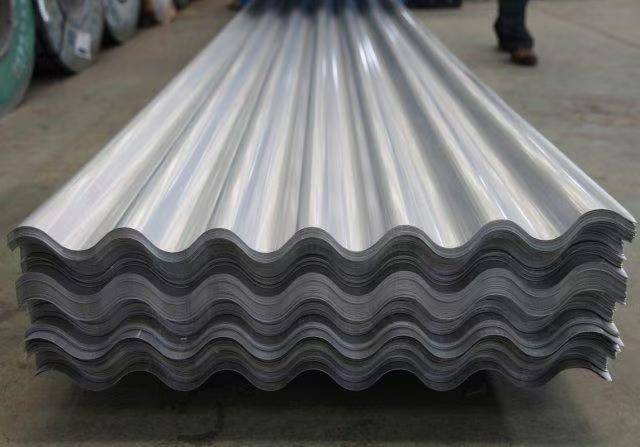
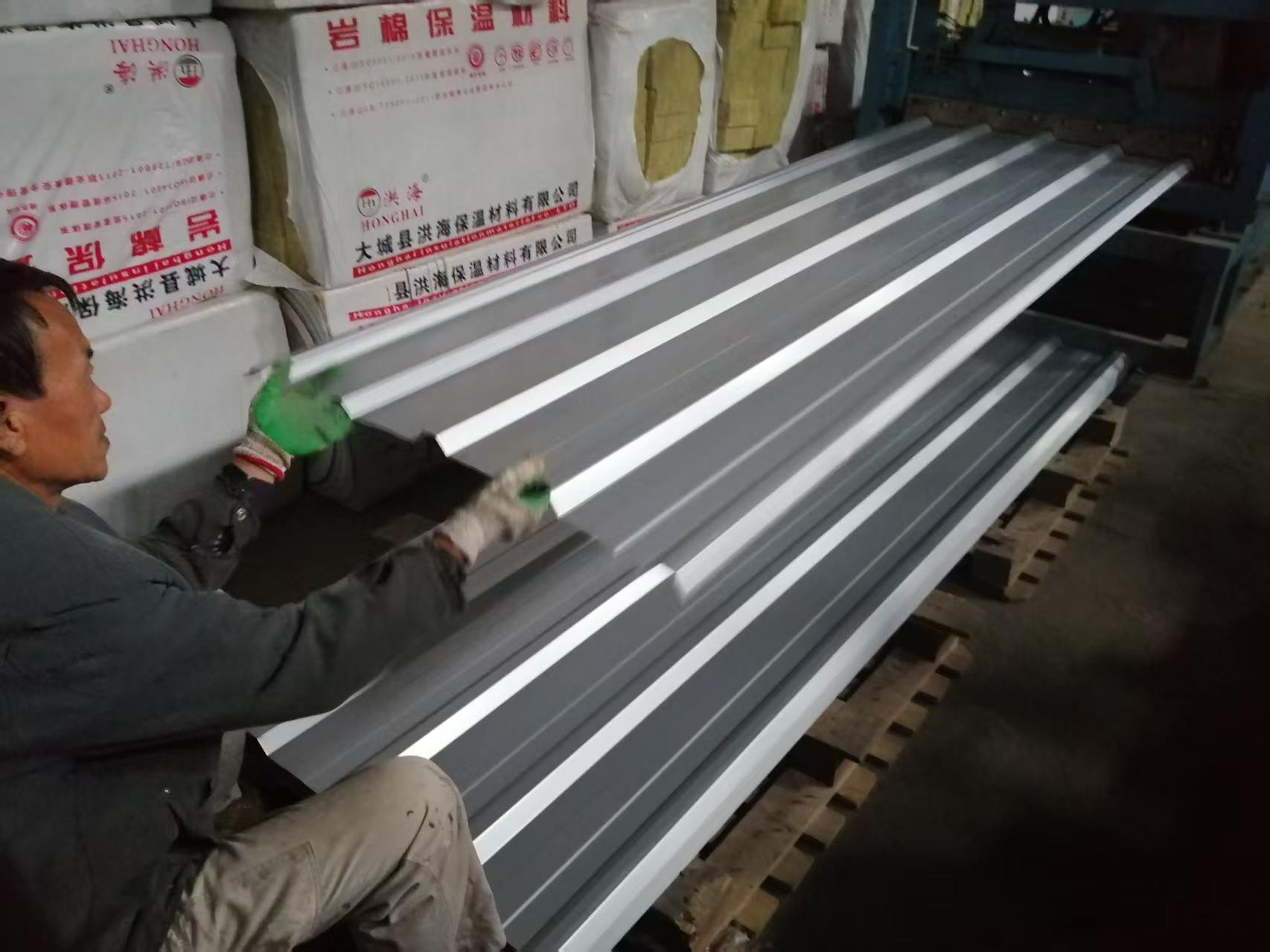
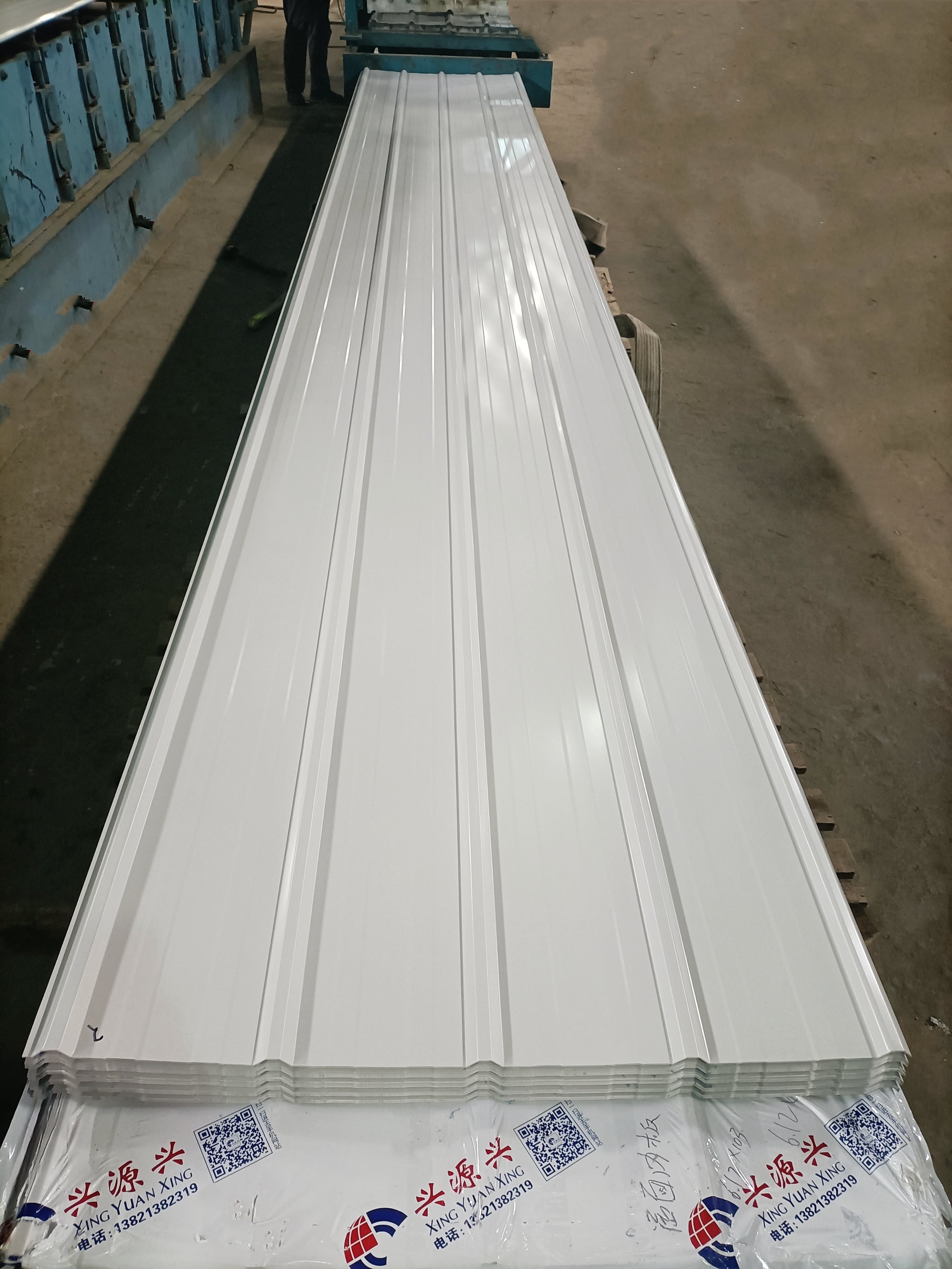
Colored sheet  metal roofing offers a versatile and durable solution for various construction projects,  providing aesthetic appeal  and  functional benefits.  As  a B2B buyer, your  main concerns typically  include material  quality, installation processes,  cost-effectiveness,  and  supplier reliability. This  article will guide  you through selecting the  right colored sheet  metal  roofing, understanding key specifications, addressing  installation challenges, sourcing suppliers,  and evaluating cost factors, all tailored to  your project's unique needs.

Why choose Xingyuanxing colored sheet metal roofing

Our Products

How to Choose the Right Colored Sheet Metal Roofing for Your Project

Selecting the appropriate colored sheet metal roofing starts with understanding the specific  requirements of your project.  Consider factors such as climate,  aesthetics, and structural integrity.

Material Type: Common materials include galvanized steel, aluminum, and  zinc-coated options. Each material offers  different levels of  corrosion  resistance, weight, and thermal performance, impacting longevity and maintenance  needs. For more information on different materials, you can check out our page on Secondary steel structure.


Thickness and Gauge: The thickness  of the sheet metal, usually measured in gauge, significantly affects durability and  performance. A lower gauge number indicates thicker  metal, which  provides better resistance to impact and weather conditions.

Coating and Finish: The type  of coating impacts both appearance  and performance. For example,  polyester coatings offer good UV resistance and color retention, while PVDF (polyvinylidene fluoride) coatings provide superior durability and are ideal for harsher  environments.

Color Selection: While aesthetics are important, consider how color impacts heat absorption and energy efficiency. Lighter colors can reflect more sunlight and keep buildings cooler, which is  crucial in warmer climates.

Compatibility  with Existing Structures: If you're replacing roofing or integrating new sections, ensure that the  new panels are compatible in terms of size and fastening systems with existing structures.

Frequently Asked Questions

Our Blog Posts

What Our Partners Say

Key Specifications of Colored Sheet Metal Roofing for Buyers

Key Specifications of Colored Sheet Metal Roofing for Buyers

When evaluating colored sheet  metal roofing,  focus on key specifications that directly  influence performance and suitability for your project:

Gauge: Typically ranging from 22 to 29, the gauge affects strength and  durability. For commercial applications, a gauge of 24 or lower  is  often recommended for added  strength.


Coating Thickness: Measured in microns, the coating  thickness impacts corrosion  resistance. A  thicker coating generally provides better longevity, especially in corrosive environments.

Thermal Performance: Look for thermal emissivity  ratings to understand how the roof  will perform in terms of heat retention and energy  efficiency.

Warranty and  Lifespan: Manufacturer warranties can indicate product reliability. A longer warranty often  reflects confidence in the product’s durability.

Fire Rating: Ensure that the roofing meets local  fire safety regulations, as different  materials have varying  fire resistance levels.

 
Common Installation Challenges with Colored Sheet Metal Roofing

Common Installation Challenges with Colored Sheet Metal Roofing

Installing  colored  sheet metal  roofing can present several challenges that require careful planning and execution:

Weather Conditions:  Installations should  ideally occur in dry conditions to prevent moisture-related issues. Rain or high humidity can affect the adhesion of  roofing materials and lead to complications down the line.

Thermal Expansion: Sheet metal  expands and contracts with temperature fluctuations. Properly spacing  and securing panels during installation is crucial to accommodate this movement and prevent damage.

Seaming  and Fastening: Ensure that seams are properly sealed and fasteners are correctly applied to avoid leaks. Misalignment during installation can  compromise the integrity of the roof.

Safety Concerns:  Implementing safety measures is critical during  installation, as working  at heights poses risks. Ensure that all workers are equipped with  the necessary safety gear  and training.

Material Handling: Damage can  occur if sheets are  not handled  properly during transportation and installation. Inspect materials before  installation to ensure they meet quality  standards.

Where to Source Reliable Suppliers for Colored Sheet Metal Roofing

Where to Source Reliable Suppliers for Colored Sheet Metal Roofing

Finding reliable suppliers for colored sheet  metal  roofing is essential to ensuring product  quality and service efficiency. Here are some tips:

Industry Networks and Trade Shows: Attend industry  events and trade shows to meet suppliers and manufacturers. This opportunity allows you to assess their products  firsthand and discuss your specific  needs.

Supplier Reviews and References: Research potential suppliers by  reading reviews and asking for references from previous clients. A supplier with a solid reputation in the industry is more likely to provide reliable  products  and services.

Certifications and Compliance: Verify that suppliers adhere to industry standards and regulations. Look for certifications  that indicate quality control  processes and material compliance.

Customization  Capabilities:  If your project requires specific  dimensions or  colors, ensure that suppliers can meet those requirements.  Discussing customization options upfront  can save time and  avoid issues later.

Lead Times and  Delivery Options: Understand the supplier's lead times and delivery capabilities. Timely delivery is crucial for maintaining project schedules, so choose suppliers who can meet  your timelines.

Cost Factors to Consider When Purchasing Colored Sheet Metal Roofing

Understanding the cost  factors associated with colored sheet metal roofing can help you make  informed purchasing decisions:

Material Costs: The type of metal,  coating, and gauge directly affect pricing. For example,  aluminum may be  priced higher than galvanized steel but offers superior corrosion resistance.

Customization Fees:  Custom colors or patterns may incur  additional costs. Always clarify  these fees upfront to avoid surprises  during the procurement process.

Quantity and  MOQ (Minimum Order Quantity): Larger orders may benefit from bulk pricing, but ensure that they  meet the supplier's MOQ. Assessing your project needs early can help optimize costs.


Shipping and Handling: Factor in  shipping costs, especially for large orders that require special  handling. Inquire about  delivery options and associated costs from your supplier to budget accurately.

Installation Costs: Don’t forget to consider installation costs, which  can vary significantly based on labor rates and installation complexity. It may be beneficial to work  with suppliers who offer installation services or can recommend  qualified contractors.

By understanding these aspects, you can select the right colored sheet metal roofing  that meets your project requirements, ensuring both quality and cost-effectiveness.