Key Specifications for Sourcing Carport Canopies

application/carport-canopy, application/carport-canopy, 
Inquiry
Inquiry

carport canopy

Carport canopies are essential  structures  designed to provide shelter for vehicles and outdoor  equipment from various weather conditions. In B2B purchasing, key  concerns  include  durability,  material quality, and suitability for specific applications. This article  will guide purchasing managers, distributors, and engineers  through  the critical specifications to consider  when sourcing  carport canopies, the expectations in the  procurement process,  best  practices,  applications across industries, and  what sets  these  canopies  apart from other options.

Why choose Xingyuanxing carport canopy

Our Products

Key Specifications to Consider When Sourcing Carport Canopies

When sourcing carport canopies, several  specifications should be prioritized  to ensure quality and performance. 

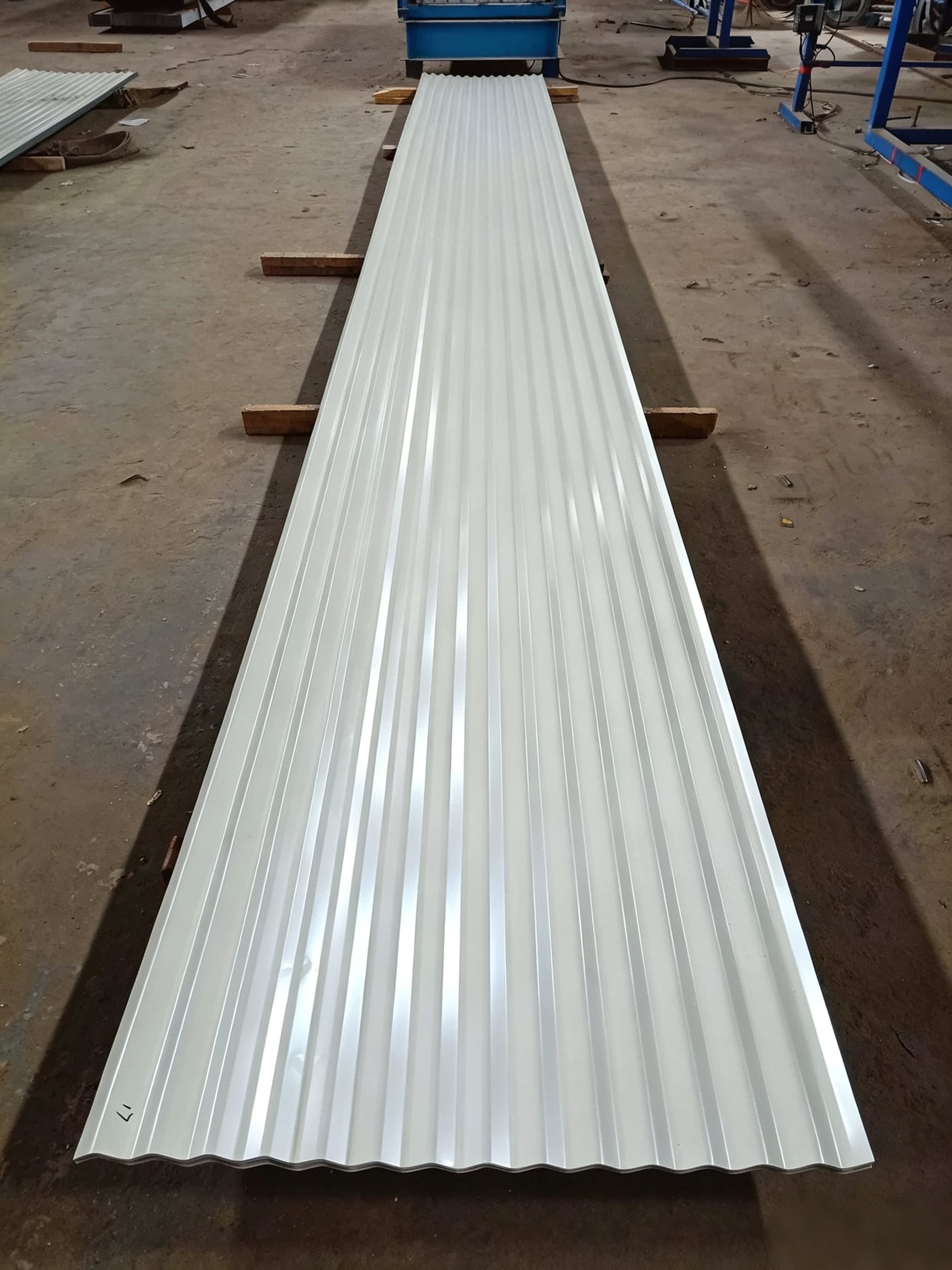
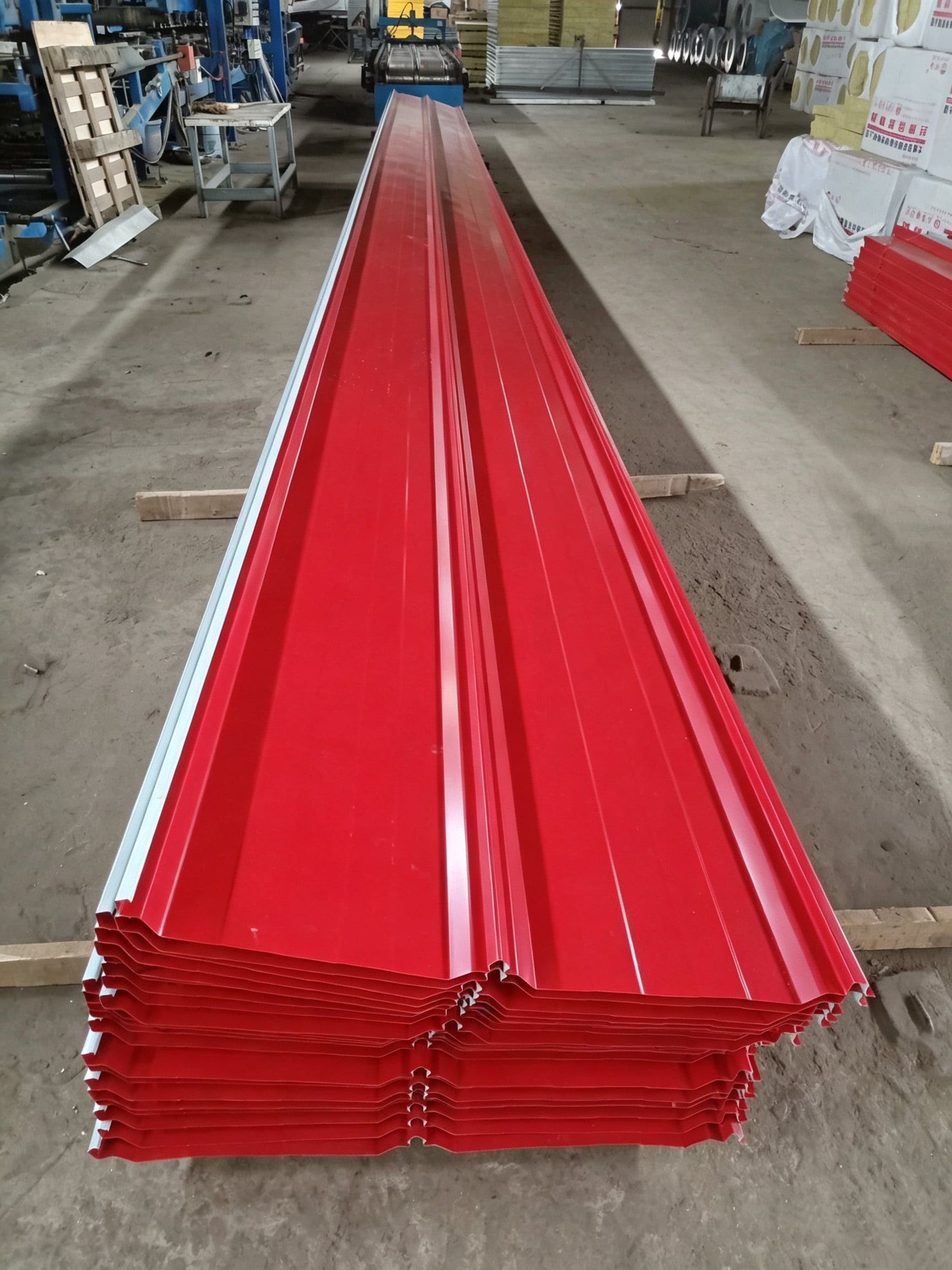
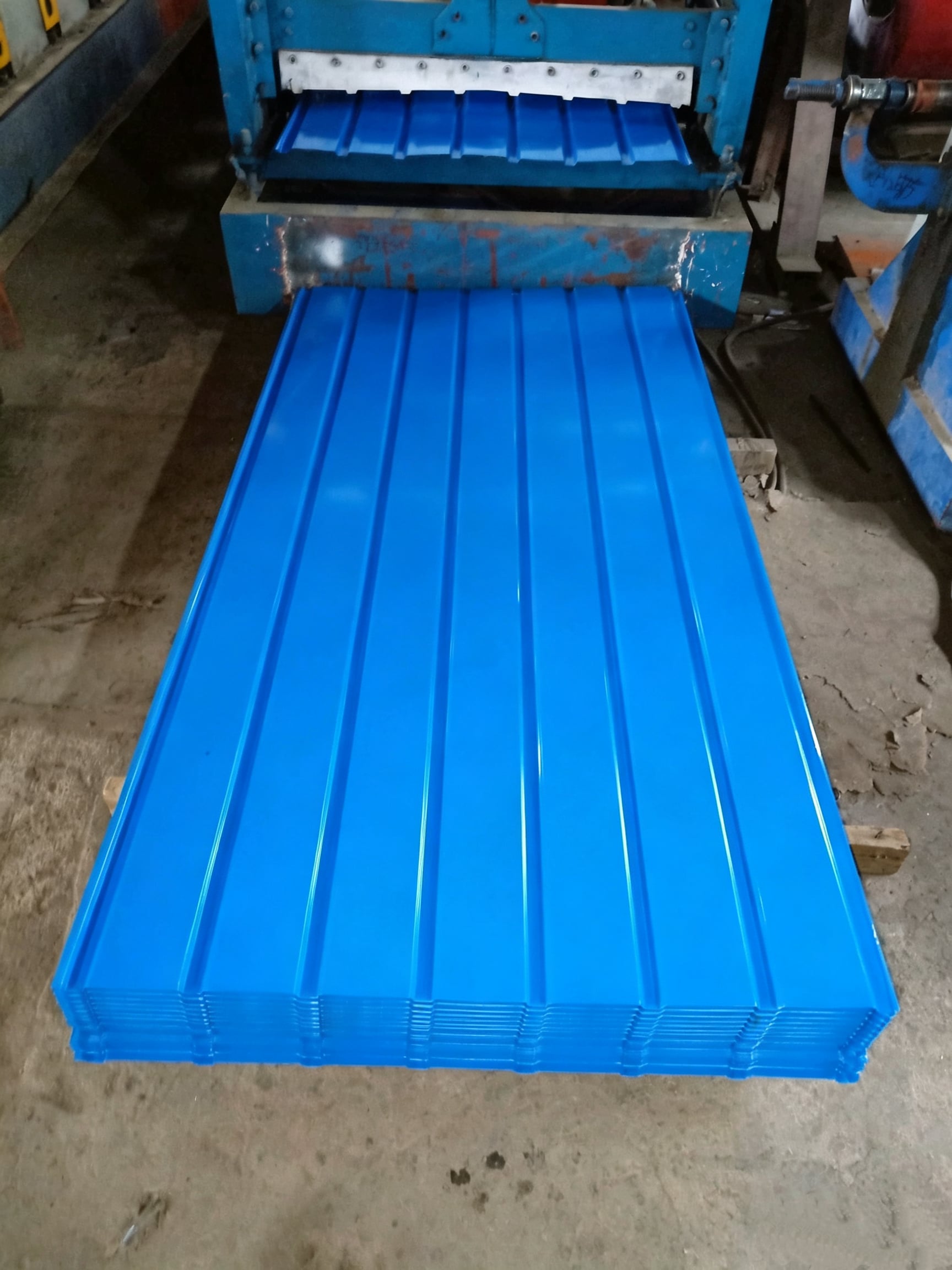
Materials: The choice of  material is critical, as it impacts durability, weather resistance, and aesthetic appeal. Common materials include galvanized steel for the frame, which offers strength and rust resistance, and polycarbonate or PVC for the canopy  cover, which provides UV protection and weather resistance. For enhanced durability, consider the Secondary steel structure as a material option.

Dimensions: Buyers must specify the required dimensions, including height, width, and length, to  ensure the canopy  meets the intended application,  whether for personal vehicles, commercial fleets, or outdoor equipment storage.

Load Capacity: The canopy's ability to withstand environmental stresses, such as  snow load or wind pressure, is  crucial. Buyers should verify the  load capacity specifications from the manufacturer, as inadequate support can lead to structural failure.


Manufacturing Process: Understanding the  fabrication methods, including welding techniques  and surface treatments, can provide insight into the product's longevity and performance. A reputable manufacturer, like  Tianjin  Xingyuanxing Color Steel Structure Co., Ltd., emphasizes quality in both design and production processes.

Customization Options: Many buyers require specific features, such as custom  sizes,  colors, or additional accessories like side walls or drainage systems. Confirming the manufacturer’s capabilities in  this  area is essential. Additionally, consider the various Accessories that can enhance the functionality of your carport canopies.

Frequently Asked Questions

Our Blog Posts

What Our Partners Say

What to Expec

What to Expec

The procurement process for carport canopies involves several stages, and buyers should be prepared for each.

Quotations: When requesting a quotation, provide detailed specifications, including dimensions, materials, and any customization needs. The more information provided, the  more accurate the quote will be.

Lead Times:  Understand that lead times can  vary based  on material availability  and manufacturing capacity. It’s  advisable to ask  for estimated timelines early in  the discussions to plan accordingly.

Sample Approval: Before full  production, buyers should request a sample or prototype to evaluate material quality,  fit,  and overall appearance. This step helps prevent costly mistakes during mass  production.

Quality Control:  Inquire about the quality inspection processes in place. A reliable manufacturer will have  stringent checks throughout production to ensure  that the final  product meets the required specifications.

Shipping and Packaging:  Consider the  packaging methods for transport, as well as shipping logistics. Proper  packaging is crucial to prevent damage during  transit.

Best Practices

Best Practices

To ensure a smooth procurement process for carport canopies, buyers should follow these best practices:

Research Suppliers:  Evaluate potential suppliers based  on their experience,  quality control systems, and customer feedback. Companies like Tianjin Xingyuanxing  Color Steel Structure  Co., Ltd. have a decade of experience, which can be a testament to their reliability.

Detailed Requests:  When  issuing a Request for Quotation (RFQ), be as specific  as possible about your needs. Include  technical drawings, if available, to clarify your requirements.

Performance Testing:  If possible, conduct performance testing on samples. For instance, expose  samples to weather conditions similar to those they will face in use to evaluate their durability and performance.

Contract Clarity: Ensure that  contracts clearly outline terms regarding lead times, payment schedules,  and quality guarantees.  This clarity  helps  mitigate  misunderstandings  later.

Post-Purchase Support: Assess the  manufacturer's post-purchase support, including warranty provisions and customer service availability, to ensure ongoing assistance if issues  arise.

Applications of Carport Canopies in Various Industries

Applications of Carport Canopies in Various Industries

Carport canopies are versatile  structures  that  find applications across numerous sectors:

Automotive Industry: Carports provide essential shelter  for  vehicles, protecting  them from  the  elements, which is  vital for dealerships and individual car owners alike.

Agricultural Sector:  Farmers use carport canopies to shield equipment  and livestock from  harsh weather,  promoting longevity and  protecting investments.

Retail and Commercial Spaces: Businesses often use  canopies in parking lots or outdoor  display areas to enhance customer experience  and protect vehicles.

Event Management: Temporary carport canopies are frequently  employed at outdoor events to provide shelter for  attendees, equipment, and displays.

Residential Use: Homeowners utilize carport canopies  for personal vehicles, bicycles, or outdoor recreational equipment, enhancing property value and utility.

What Sets Them Apart

Several  factors distinguish carport canopies from other shelter solutions:

Design Flexibility: Carport canopies can  be  customized to various shapes and sizes, accommodating different applications and aesthetic  preferences.  This customization allows them to blend seamlessly with existing architecture.

Durability: High-quality materials and manufacturing processes contribute to the longevity of carport  canopies. For instance, galvanized steel frames resist corrosion, while UV-resistant covers prevent fading and  degradation.

Cost-Effectiveness: Compared  to fully enclosed structures, carport canopies often represent a more  budget-friendly option for providing  vehicle  protection without sacrificing quality.


Ease of Installation: Many carports come with straightforward assembly instructions, enabling quicker installation times compared to traditional  garages.


Environmental Resistance: Advanced materials used in carport  canopies are designed to withstand various  environmental conditions, including heavy rain, snow, and intense sunlight, making them a reliable choice for diverse  climates.

By understanding these specifications and considerations, buyers can make informed decisions when sourcing  carport  canopies, ensuring  they invest in quality solutions that meet their needs.