Choosing Metal Sheets for Roofing Projects

application/roof-with-metal-sheets, application/roof-with-metal-sheets, 
Inquiry
Inquiry

roof with metal sheets

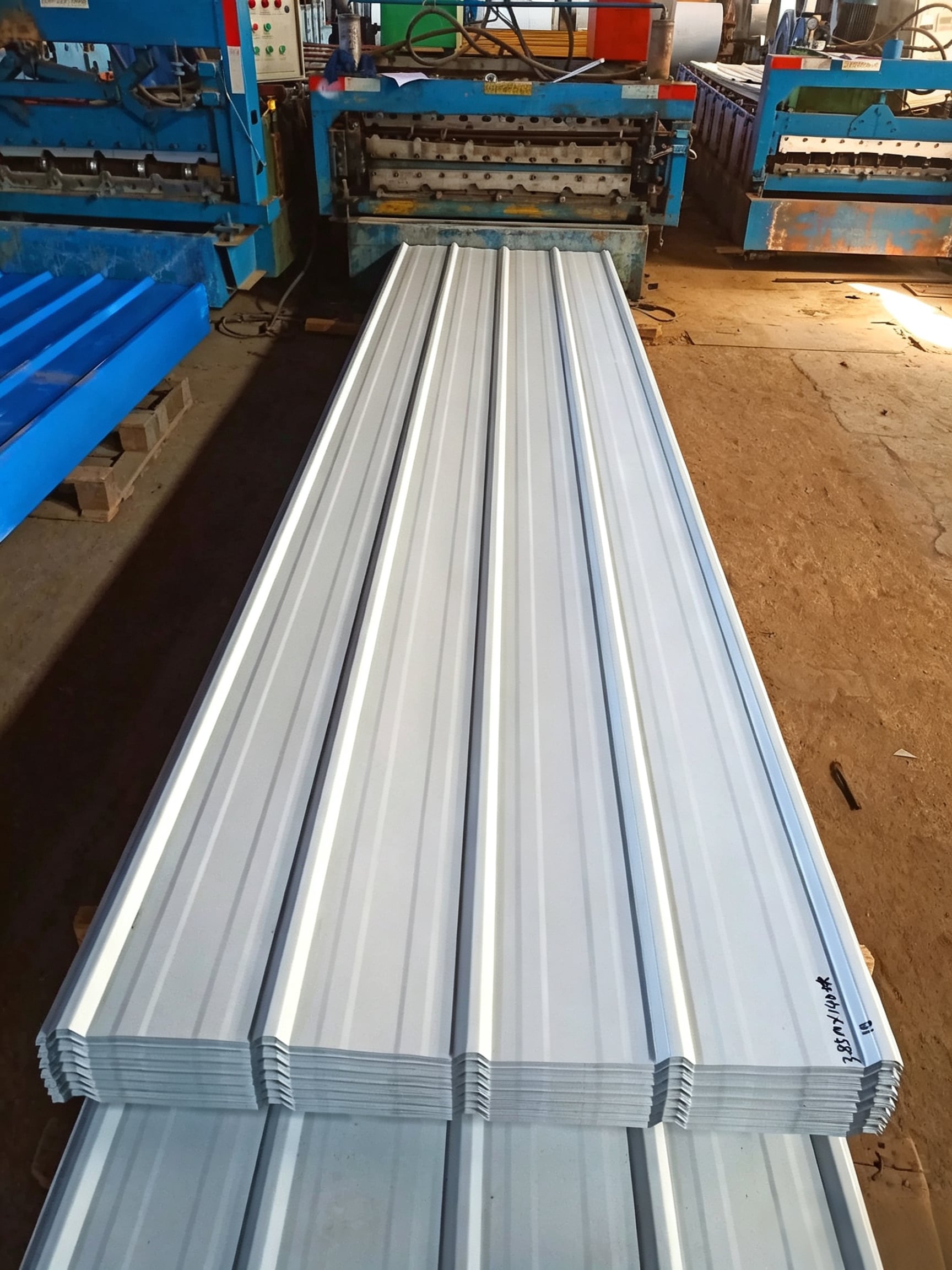
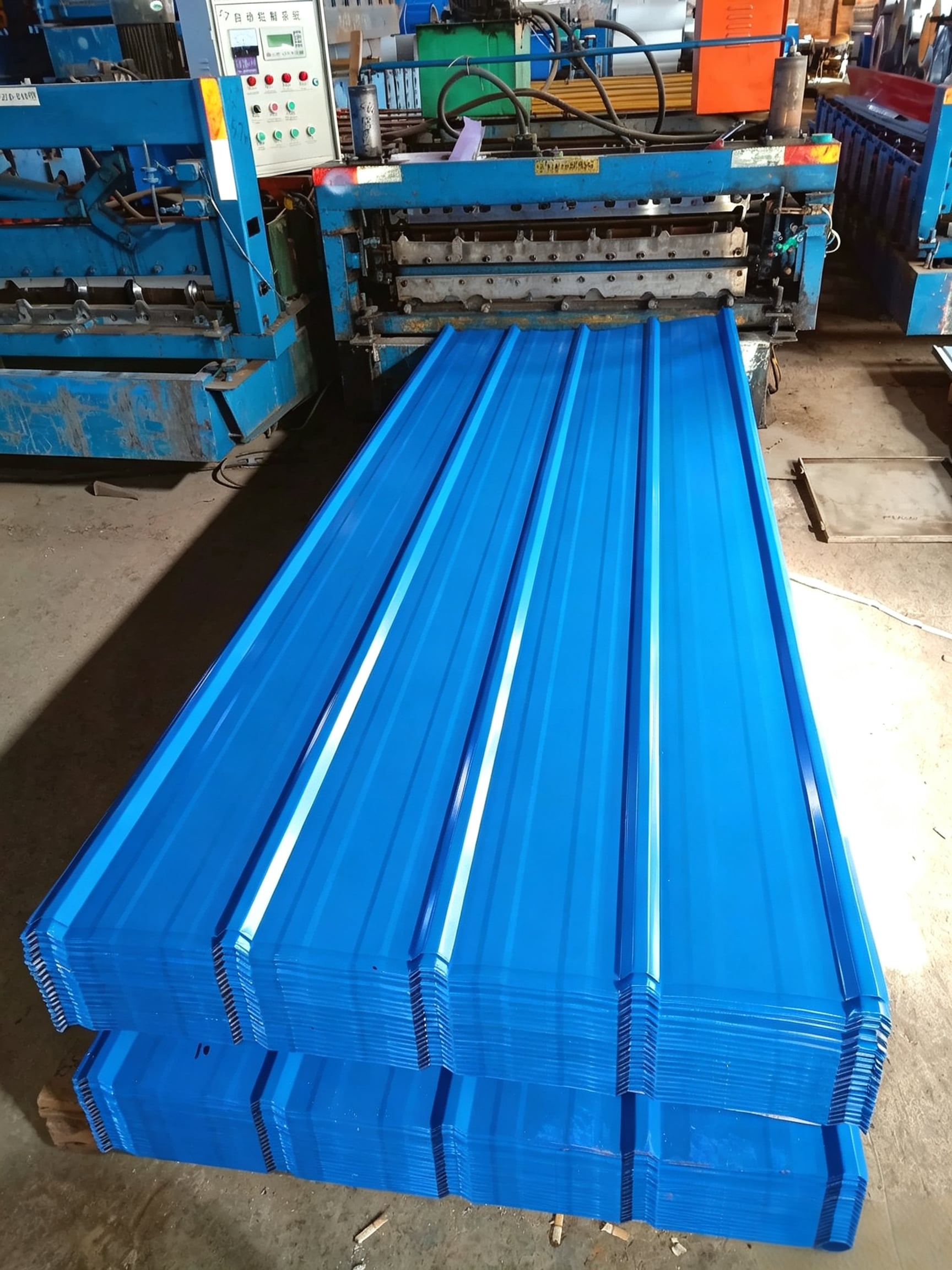
Metal sheet roofing, known for  its durability and versatility,  is an  excellent choice for various construction  projects. When  considering  a  roof with  metal sheets, B2B buyers often prioritize factors such as material  quality,  cost-effectiveness, installation processes,  and long-term  performance. This article  aims to provide insights  into selecting the right metal sheet  roofing, finding reliable suppliers, best practices for installation and maintenance, common issues to watch for,  and  the unique advantages  this  roofing type offers.


Why choose Xingyuanxing roof with metal sheets

Our Products

What to Consider When Choosing Metal Sheet Roofing for Projects

When selecting metal sheet roofing, several critical specifications must be  considered.  First, the material type—commonly steel, aluminum, or copper—affects durability,  weight, and corrosion resistance. Steel, for example, is strong and cost-effective  but may require a protective coating to prevent rust, especially in coastal areas. In addition to the material, understanding the importance of the Secondary steel structure can enhance the overall performance of the roofing system.

Thickness is another essential specification,  influencing  both weight and insulation properties.  Common thicknesses range from  26  to 29 gauge, with thicker sheets providing better durability but at a higher cost.  Additionally, consider the design  of the sheets, such as standing  seam or corrugated styles, which can affect installation and water drainage.

Buyers should also  evaluate  the local climate and environmental conditions when selecting a  roofing type. For instance, metal roofs can be highly reflective, contributing to  energy efficiency in  warmer climates. Understanding these factors not  only aids in  choosing the right product but also helps in preventing future issues  like leaks or excessive wear.

Frequently Asked Questions

Our Blog Posts

What Our Partners Say

Finding Trusted Sources for Metal Roofing

Finding Trusted Sources for Metal Roofing

Identifying reliable manufacturers and suppliers is crucial for ensuring the quality of the metal sheet roofing. Look for companies with a solid track record,  such as Tianjin Xingyuanxing Color Steel Structure Co., Ltd., known for  its expertise in steel structure engineering and color steel production. 

When evaluating  potential suppliers, consider their certifications and quality control processes. A  reputable manufacturer should have a documented quality assurance system, ensuring that each  batch  of  roofing meets specified standards. Additionally,  inquire about their manufacturing capabilities, including  production equipment and customization options, which  can be vital for specific  project requirements.Factory building of steel structure solutions are also worth exploring for comprehensive projects.

Requesting samples before  committing  to a large order is  advisable.  This allows you to assess the quality,  finish,  and  specifications to ensure they align with your project's needs. It's also  beneficial to review their previous projects or case studies to gauge their experience in similar applications.

Best Practices

Best Practices

To maximize the  performance and lifespan of metal sheet roofing, adhering  to  best  practices during installation and maintenance is essential. Before installation, ensure  that the roof structure  is adequately prepared, with proper insulation and ventilation. This step is crucial as it prevents moisture buildup, which can lead to rust or structural damage over time.

During installation, follow  the manufacturer's guidelines closely  regarding fasteners and  overlaps. Proper sealing and  fastening  are vital to  prevent leaks and ensure the roof's integrity under various weather conditions. Hiring  experienced contractors familiar with metal roofing installation can also mitigate common errors that lead to future problems.

Maintenance is equally important.  Regular inspections should be  conducted, focusing on  areas prone to rust and  damage, such as seams and flashings. Cleaning the roof periodically will help remove debris and prevent corrosion. Establishing a maintenance schedule can  extend  the roof's lifespan  significantly.

Common Problems with Metal Roofs and Effective Solutions

Common Problems with Metal Roofs and Effective Solutions

While metal sheet roofs are generally robust, they  are not without potential issues. One  common problem is rust formation,  particularly in  uncoated steel roofs.  To mitigate  this, a protective coating should be applied during manufacturing. Buyers should  verify the type of finish used and its  suitability  for their  specific environment.

Another issue may  arise from improper installation, leading to leaks. Ensuring that contractors follow the correct installation procedures can  prevent these problems. Additionally,  buyers should pay attention to the thermal expansion of metal sheets, which can cause buckling if not properly accommodated in the design.

If problems occur, timely intervention is crucial. For example, any signs  of rust  should be addressed immediately with appropriate rust treatment and repainting.  Regular maintenance checks  can help  catch these issues  early, saving time and costs related  to extensive repairs.

Where Metal Sheet Roofing Excels

Metal sheet  roofing excels in various applications due to its unique properties. One of its primary advantages is its lightweight nature, which reduces the structural load on buildings compared  to traditional  roofing materials. This characteristic is particularly beneficial for structures with limited load-bearing capabilities.

Additionally, metal roofs offer superior durability and can withstand severe weather conditions, including high winds and heavy snowfall. Their longevity—often exceeding 50 years—makes them a cost-effective  solution in the long run. Moreover, the energy efficiency of metal roofing systems can lead to reduced heating and  cooling costs, appealing  to environmentally conscious buyers.


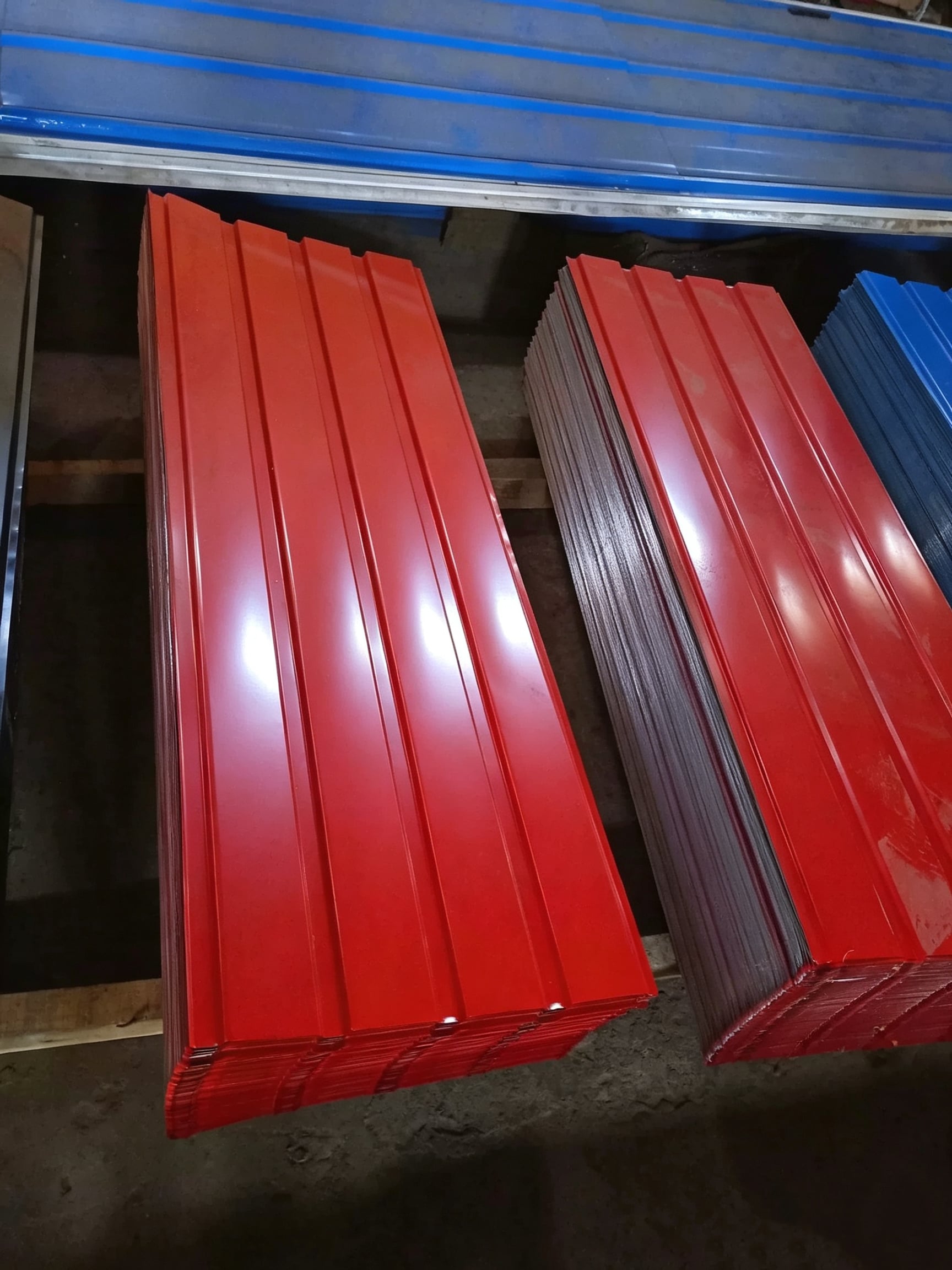
Metal sheet roofing also allows for a high  degree of customization in terms of color, finish, and design, enabling it to blend seamlessly with various architectural styles. This versatility  makes  it a preferred  choice in both commercial and residential sectors, catering to a broad range of aesthetic preferences and functional requirements.Wall system integration can also enhance the overall aesthetic and functional appeal.

In summary, understanding  these key aspects of metal  sheet  roofing can significantly  enhance  the  purchasing process for B2B buyers. By considering  material specifications, selecting trusted  suppliers, adhering to best practices, and being aware of common problems and solutions, buyers can ensure that their investment in  metal roofing meets their project requirements effectively.