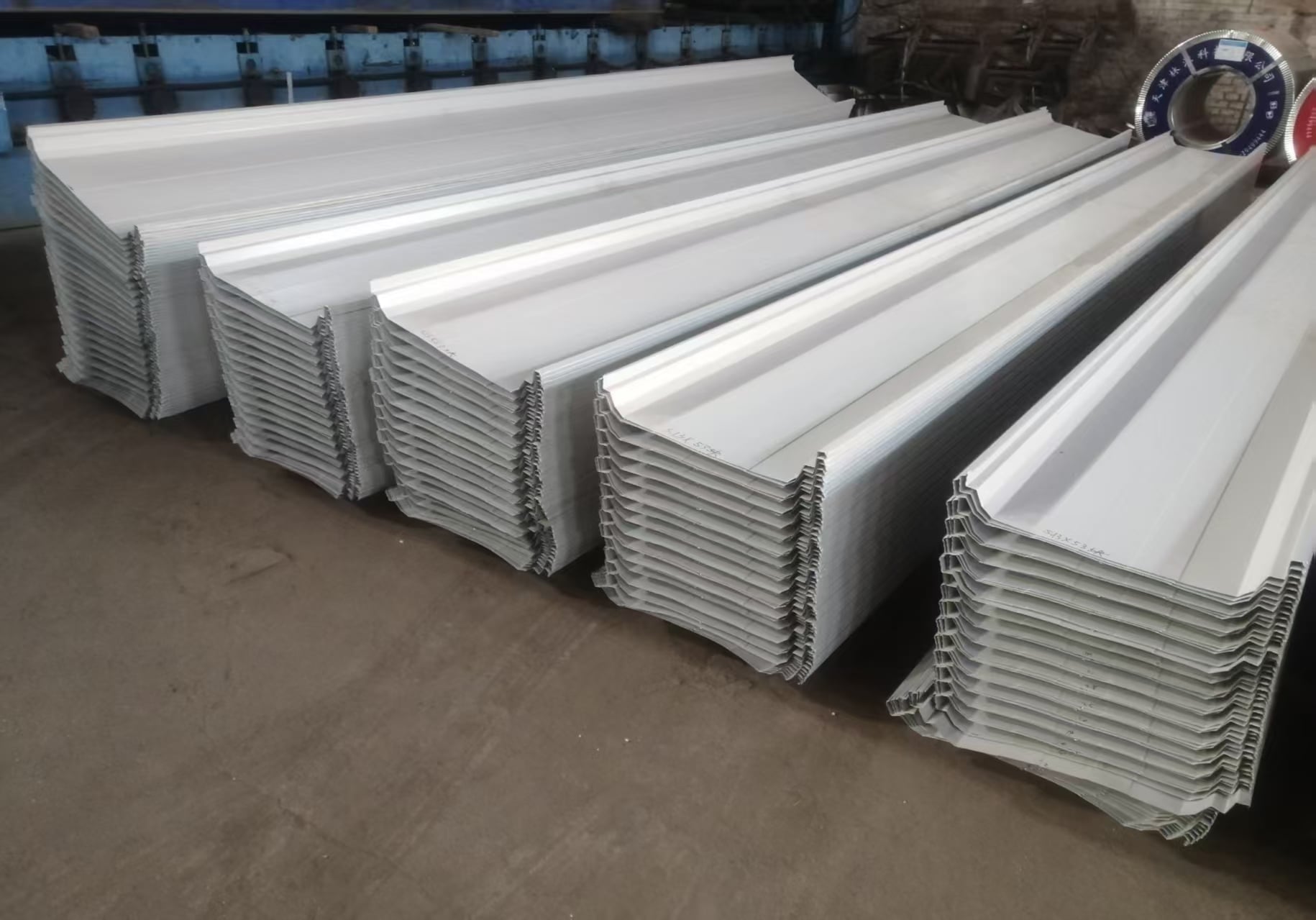
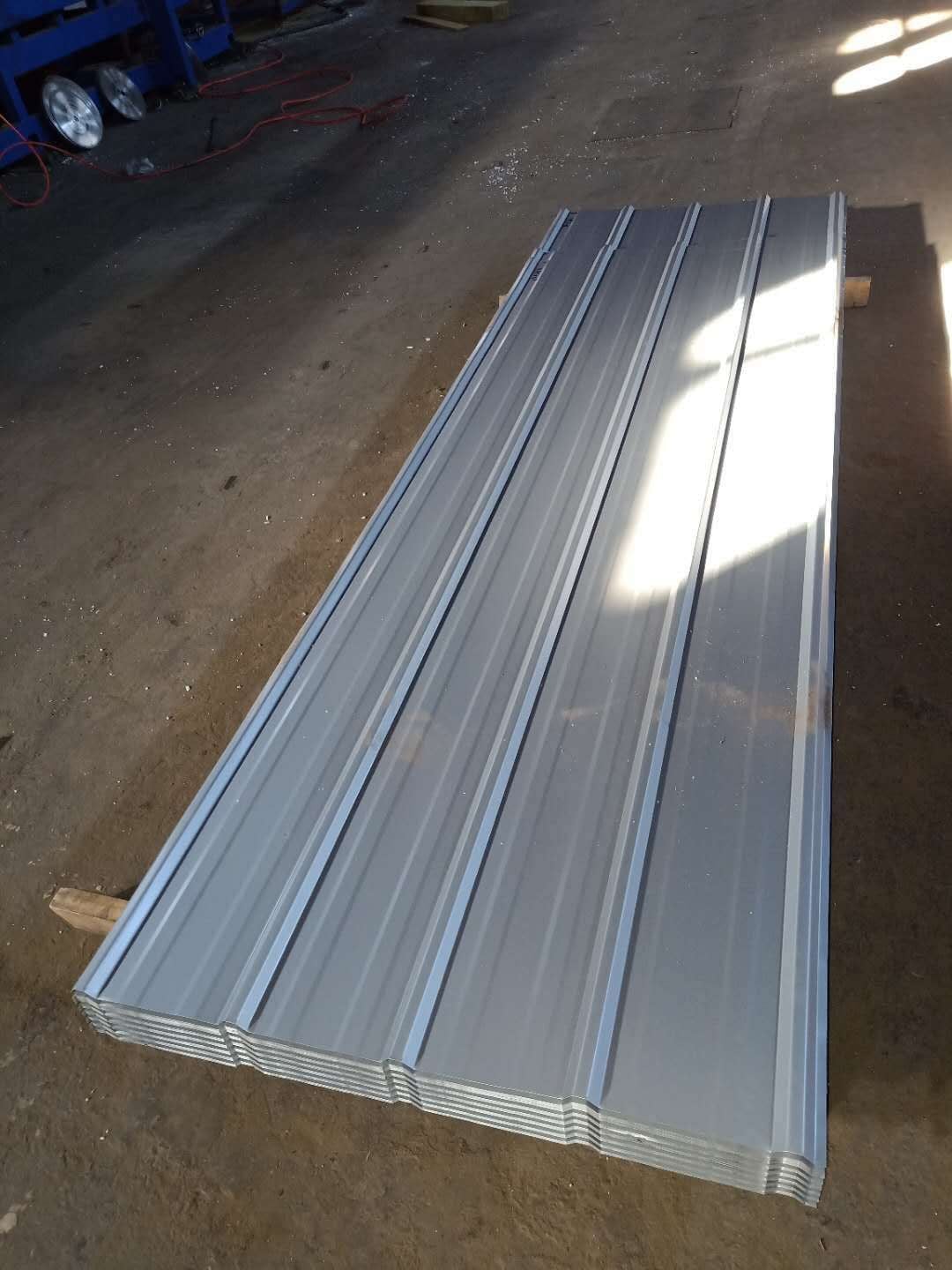
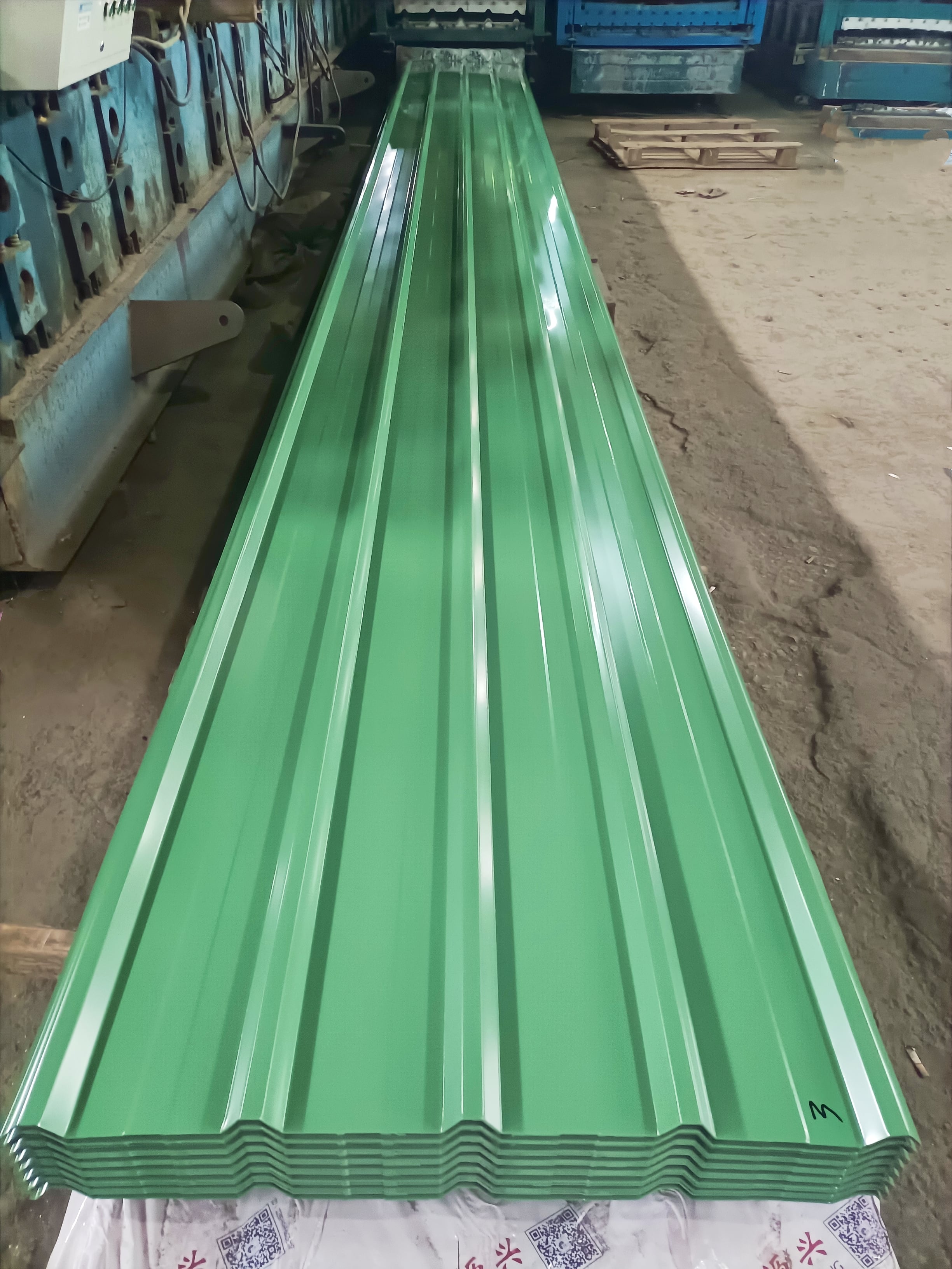
Quality Roof Sheets for Sale - Compare Specifications

application/roof-sheets-for-sale, application/roof-sheets-for-sale, 
Inquiry
Inquiry

roof sheets for sale

Roof  sheets are essential  building materials used in  various construction projects, providing protection and durability to structures. When  searching for roof sheets  for sale,  purchasing  managers,  engineers, and  project managers often face concerns  regarding  material  quality, specifications, and suitability  for specific applications. This article will help you  navigate  the complexities of roof sheets, from  comparing specifications to identifying common problems  and solutions, ensuring you make  informed purchasing decisions.


Why choose Xingyuanxing roof sheets for sale

Our Products

Compare Roof Sheet Specifications for Optimal Performance and Value

When evaluating roof sheets, understanding specifications is critical to ensuring optimal performance and value.  Key specifications include thickness, material type, coating, and dimensions. For instance, if you are considering options for a secondary steel structure, understanding these specifications becomes even more crucial.


Thickness:  Roof sheet  thickness typically ranges from 0.3 mm to 1.2 mm. A thicker sheet offers better durability and resistance to environmental factors, making it suitable for areas prone to severe weather. However, a thicker sheet may also increase costs, so it’s essential to balance durability with budget considerations.

Material Type: Common materials for roof sheets include galvanized steel, aluminum, and color-coated steel. Galvanized steel provides excellent  strength and  corrosion  resistance, while aluminum is lightweight and highly resistant  to rust. Color-coated steel offers aesthetic appeal and additional protection  against the elements. Each material has  its benefits, and the choice should depend on the specific environmental conditions and longevity requirements.

Coating: The type of coating can significantly  affect the longevity  and maintenance of roof sheets. Polyester and PVDF coatings  provide excellent weather resistance and UV protection, extending the lifespan  of the sheets. Buyers should consider the long-term maintenance costs associated with different coatings when making a selection.


Dimensions: The dimensions of  roof sheets  should be tailored to the project requirements. Standard lengths range from 2 to 12 meters, and sheet widths  typically vary between  0.8 to 1.2 meters. Ensuring the correct dimensions can minimize waste and reduce installation time.

Understanding these specifications allows buyers to choose the right roof sheets that meet  both performance and budgetary requirements.

Frequently Asked Questions

Our Blog Posts

What Our Partners Say

Cost Factors to Consider When Purchasing Roof Sheets Wholesale

Cost Factors to Consider When Purchasing Roof Sheets Wholesale

When purchasing roof sheets wholesale, several cost factors come into play that can affect the overall budget. These include material costs, transportation, volume  discounts, and market fluctuations.


Material Costs: The  cost of raw materials can fluctuate based on market  demand, availability, and global  economic conditions.  For example, steel prices can be volatile, impacting the final cost of galvanized or color-coated sheets.  Buyers should stay informed  about market trends to negotiate better prices.

Transportation Costs: The distance  between the supplier and the construction site can significantly affect transportation  costs. Bulk orders  may qualify for lower per-unit  shipping rates, but buyers should factor in logistics when placing orders.

Volume Discounts: Many  suppliers offer discounts for bulk purchases. Understanding the minimum order  quantities (MOQ) required  for these  discounts can help buyers save significantly on large projects. It's advisable to assess current and future project needs to  maximize purchasing efficiency.

Customizations: Custom sizes or specific coatings  may increase  costs. Buyers should evaluate whether customization is necessary for their application or if standard options will suffice, which  can save money.

By considering these factors, purchasing managers can better forecast expenses and negotiate effectively with suppliers.

Common Problems with Roof Sheets and Effective Solutions

Common Problems with Roof Sheets and Effective Solutions

Despite their durability, roof sheets can encounter common issues  that may affect performance. Recognizing these  problems early allows for effective solutions.

Corrosion: One of the most frequent problems with  roof sheets, particularly those  made from steel, is corrosion due to moisture exposure. To mitigate this risk, it’s essential to  select sheets with appropriate coatings, such as galvanized  or color-coated options. Regular maintenance, including  inspections and cleaning, can also help prevent corrosion.

Leakage: Poor installation or damaged seals  can  lead to water leaks, compromising the integrity of the structure. Ensuring proper installation techniques and using high-quality sealants  can help prevent leaks. It’s  advisable for buyers to verify the supplier’s installation  guidelines and best practices.

Thermal Expansion: Roof sheets can expand and contract with temperature changes, potentially leading to warping or buckling. To address this,  buyers should choose sheets designed to withstand thermal fluctuations and ensure they are installed with appropriate allowances for expansion.

Punctures and Dents: Heavy impacts  from hail or falling debris can cause punctures or dents in roof sheets. Selecting  thicker  sheets  can provide additional protection  against such impacts. Moreover, regular maintenance checks can help identify and address any damage promptly.

By understanding these common issues  and their solutions, buyers can make informed decisions that enhance the longevity and  performance of their roof sheets.

Suitable Uses for Various Industries

Suitable Uses for Various Industries

Roof sheets are versatile and suitable for a range of industries, including  construction, agriculture,  and manufacturing. Each industry has specific needs  that roof sheets can fulfill.

Construction: In commercial and residential construction, roof  sheets provide essential  protection and aesthetic  appeal. They  are often used in warehouses, factories, and residential  homes, where durability and cost-effectiveness are paramount. The factory building of steel structure is one such application where these sheets excel.

Agriculture:  In agricultural settings, roof sheets are commonly used for barns and storage facilities. Their weather-resistant properties protect crops and equipment from the elements, and their lightweight  nature allows for easy  installation.

Manufacturing: Manufacturing facilities often require robust  roofing  solutions to withstand heavy machinery and environmental stressors. Roof sheets made from galvanized steel are  popular due to their strength and resistance to corrosion.

Infrastructure: For infrastructure projects like bridges and tunnels, roof sheets  can provide protective coverings that ensure longevity in harsh  environments. The ability to customize sizes  and coatings allows for tailored solutions for these  specific applications.

Understanding the suitable uses of roof sheets across different  industries helps buyers select the right  product for their specific needs.

Where to Buy High-Quality Roof Sheets for Your Construction Projects

Finding a reliable supplier for high-quality roof sheets  is crucial for ensuring project success. Here are some tips on where  to source these materials effectively.

Manufacturer Direct:  Purchasing directly from manufacturers,  such as Tianjin Xingyuanxing Color Steel Structure  Co., Ltd., can provide benefits like better pricing,  customization options, and direct access  to technical support. Established manufacturers often have the experience and capacity to meet specific  project requirements.

Wholesale Distributors: Wholesalers can offer a  wide range of roof sheets from various manufacturers. This option may provide access to different brands and products, allowing buyers to compare quality and pricing. When selecting a distributor, consider their reputation, customer service, and inventory availability.

Online Marketplaces: Many  suppliers list their products on B2B marketplaces, providing  a convenient way to compare  prices and specifications from multiple vendors.  However, buyers should verify  the  credibility of  suppliers and check for customer reviews before making a purchase.

Local Supply Stores: For smaller projects or immediate needs, local  building supply stores can be a  quick solution. While they may offer limited selections compared to wholesalers or manufacturers, they can provide timely access to necessary materials.

By exploring these  options, buyers can find high-quality roof  sheets that meet their project specifications while ensuring a smooth purchasing process.