Essential Guide to Steel Roof Panels for B2B Buyers

application/steel-roof-panels, application/steel-roof-panels, 
Inquiry
Inquiry

steel roof panels

Steel roof panels are a popular  choice for  various construction projects  due to  their durability,  cost-effectiveness, and  versatility. When considering steel  roof panels, B2B buyers typically focus  on specifications, quality  standards, installation  challenges, and application  suitability. This article will provide essential insights into  these  aspects, helping  purchasing managers, engineers,  and  project managers make  informed decisions about sourcing  steel  roof panels.

Why choose Xingyuanxing steel roof panels

Our Products

Understanding Steel Roof Panel Specifications and Quality Standards

Steel roof panels come with a range of specifications that dictate their performance, durability, and suitability for different applications. Key  specifications  include thickness, material type, coating, and dimensions.

Thickness: The thickness of  the steel panel affects its strength and load-bearing capacity. Common thicknesses range  from 26 to  29 gauge, with thicker panels offering better durability and resistance to impacts or extreme weather conditions.

Material: Steel roof panels are typically made from galvanized or galvalume steel, offering different levels of corrosion resistance. Galvanized steel is coated with zinc, while galvalume features a combination of aluminum and zinc, providing superior  protection against  rust and  corrosion.

Coating: The type of coating applied can also impact the panel's  longevity and aesthetic appeal.  Common coatings include polyester or silicone-modified  polyester, which enhance weather  resistance and color retention.

Dimensions: Standard widths for steel roof panels can vary, but they  typically range from 24 to 36 inches,  with custom lengths available upon request.  Buyers should confirm the appropriate dimensions based on their specific project needs to ensure a proper fit.

Quality  standards are essential to ensure that steel roof panels meet performance expectations. Look for products that comply with  industry standards such as ASTM  A653 for galvanized steel and ASTM A792 for galvalume. Certifications from recognized  industry bodies can also indicate adherence to quality and safety standards. Additionally, understanding the role of the Secondary steel structure can further enhance the integrity of the overall construction.

Frequently Asked Questions

Our Blog Posts

What Our Partners Say

Cost Factors to Consider When Buying Steel Roof Panels in Bulk

Cost Factors to Consider When Buying Steel Roof Panels in Bulk

When purchasing steel roof panels in bulk, several cost factors come  into play. Understanding these can help buyers make more informed decisions and manage  budgets effectively.

Material Costs: The type of steel and coating chosen will significantly impact the overall cost. For instance, galvalume panels may have a higher upfront cost compared to galvanized steel but offer better long-term value due to lower maintenance needs.

Quantity: Bulk  purchases  often come with discounts, but buyers  should also consider minimum order quantities  (MOQ) and how this affects pricing. Suppliers  may require a minimum order to ensure  cost-effectiveness.

Shipping and Handling: Transportation costs can vary based on the distance from the manufacturing facility to the  project  site. Buyers  should obtain shipping quotes to factor these costs into  their overall budget.

Customization: Custom sizes or features may incur additional costs.  Buyers should clearly outline  their requirements when requesting quotes to avoid unexpected charges.

Lead  Time: Longer lead times may impact project schedules. Buyers should  discuss production timelines with suppliers to ensure timely delivery, especially for projects  with tight deadlines.

Common Installation Challenges with Steel Roof Panels and Solutions

Common Installation Challenges with Steel Roof Panels and Solutions

Steel roof panel  installation can present several challenges that require careful planning and  execution. Common issues include:

Alignment and  Fit: Ensuring panels  fit together correctly  can  be a challenge, particularly on sloped roofs. To mitigate  this,  precise measurements should be taken, and installation should follow manufacturer guidelines closely.

Thermal Expansion: Steel expands and contracts with temperature changes, which  can lead to warping or buckling. To  address this, installers should leave adequate space for thermal movement and utilize appropriate fasteners that allow for movement without compromising the integrity of the roof.

Water  Infiltration: Proper sealing is crucial to prevent water leaks. Installers should  use high-quality sealants and ensure that overlaps are installed correctly to direct water away from seams.

Wind Uplift: Steel panels  can be susceptible to wind uplift  if  not  anchored properly. Buyers should consult with structural engineers to determine the necessary fastening patterns  and materials based on  local wind load requirements.

By preemptively addressing these challenges and following best practices, installation can proceed more smoothly, reducing  the risk of costly repairs down the line.

Exploring Applications of Steel Roof Panels in Various Industries

Exploring Applications of Steel Roof Panels in Various Industries

Steel roof panels are versatile  and suitable for a range of applications across different industries. Some notable examples include:

Commercial Buildings: Many commercial structures, such  as  warehouses  and  retail spaces, utilize steel roof panels due to  their durability and low  maintenance requirements. They  can support large spans and heavy loads, making them ideal for industrial applications. Moreover, integrating a reliable Wall system can optimize the overall structure.

Agricultural Facilities: Steel roof panels  are widely used  in agricultural buildings, including  barns and storage facilities. Their resistance  to harsh  weather conditions and pests makes them a reliable choice for farmers.

Residential Homes:  Increasingly, homeowners are opting for steel roofs because of  their longevity and energy efficiency. Steel panels can be designed to mimic traditional roofing materials, offering aesthetic flexibility without sacrificing performance.

Institutional Structures:  Schools and hospitals benefit from steel  roof panels' fire resistance and longevity,  ensuring minimal disruption due to maintenance or replacement.

Understanding the diverse applications can help buyers  select the appropriate panel type and specifications for their specific needs.

Comparing Different Types of Steel Roof Panels for Your Projects

When selecting steel roof panels, various types are available, each  with distinct characteristics. Buyers should consider the following options:

Standing Seam Panels: These  panels feature raised seams that interlock, providing excellent weather resistance and  a sleek appearance. They are ideal for high-performance applications where water tightness is critical.

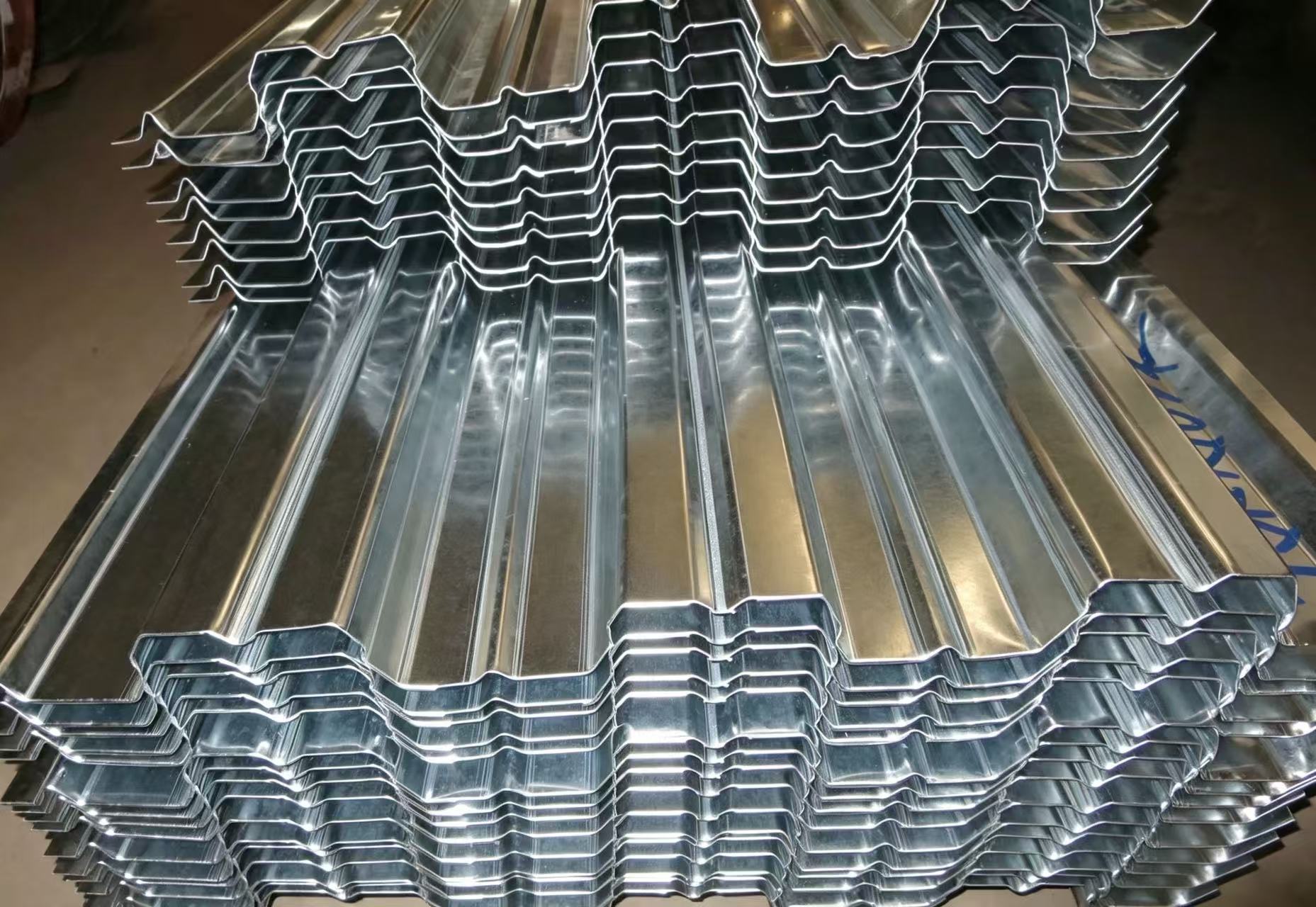
Corrugated Panels:  Known for their ribbed design, corrugated panels are lightweight and easy to install. They offer good strength and are often used in agricultural and industrial settings.

Flat Panels: Flat panels provide  a modern look and are often used in commercial buildings. While they may require additional waterproofing measures, they offer flexibility in design and installation.

Tile-Style Panels: Mimicking traditional  tile roofs, these panels  offer aesthetic appeal along with the durability of steel. They  are popular in residential applications where appearance is a priority.

When comparing these options, buyers should  consider factors such as installation costs, aesthetic preferences,  and long-term performance requirements. Each type has its advantages,  and the right choice will depend on  the  specific needs  of the project.

By  understanding the specifications, cost  factors, installation challenges, applications, and types of steel roof panels, B2B buyers  can make informed decisions that align with their project goals and requirements.