Choosing Steel Roof Tiles: A Comprehensive Guide

application/roof-tiles-steel, application/roof-tiles-steel, 
Inquiry
Inquiry

roof tiles steel

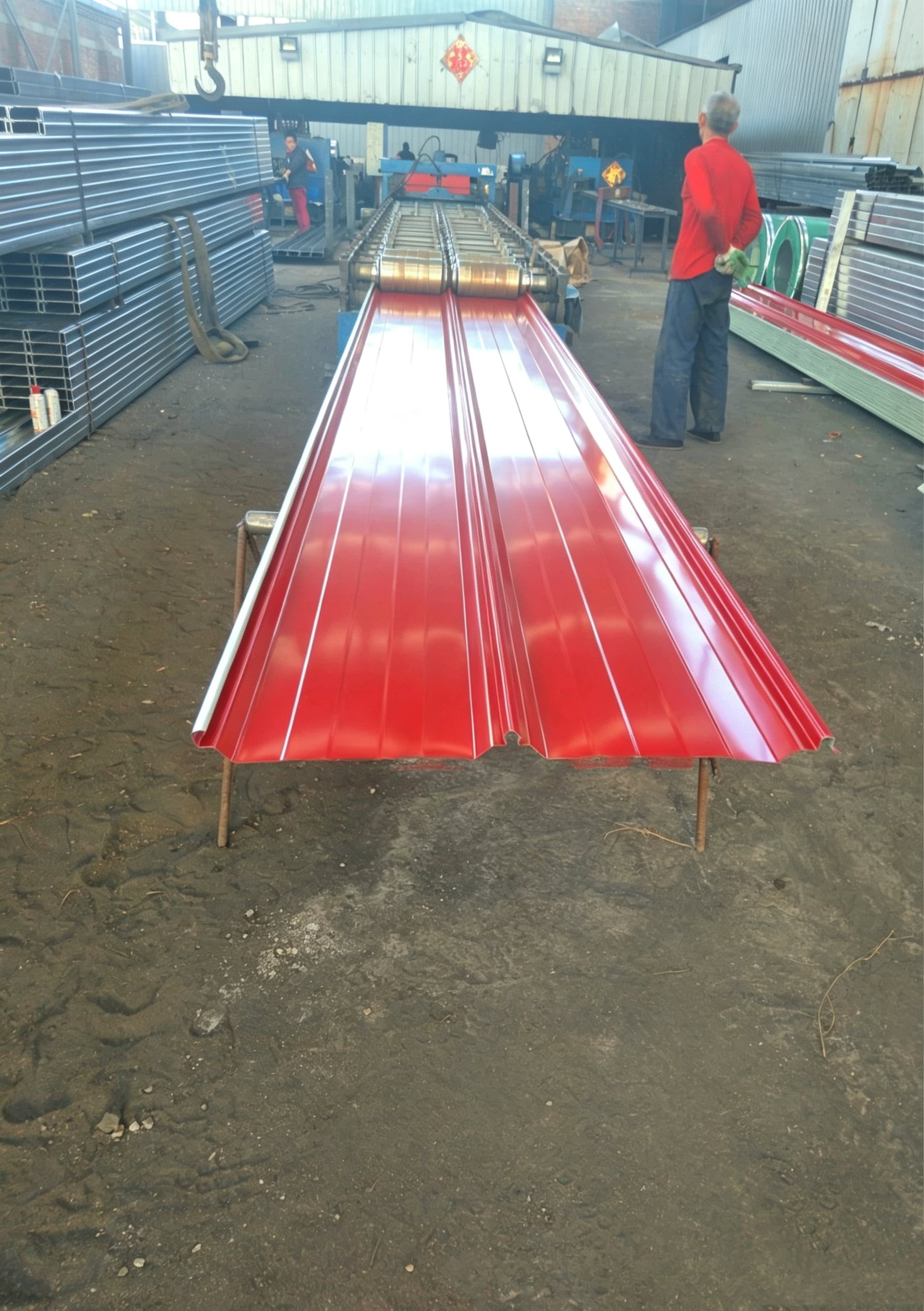
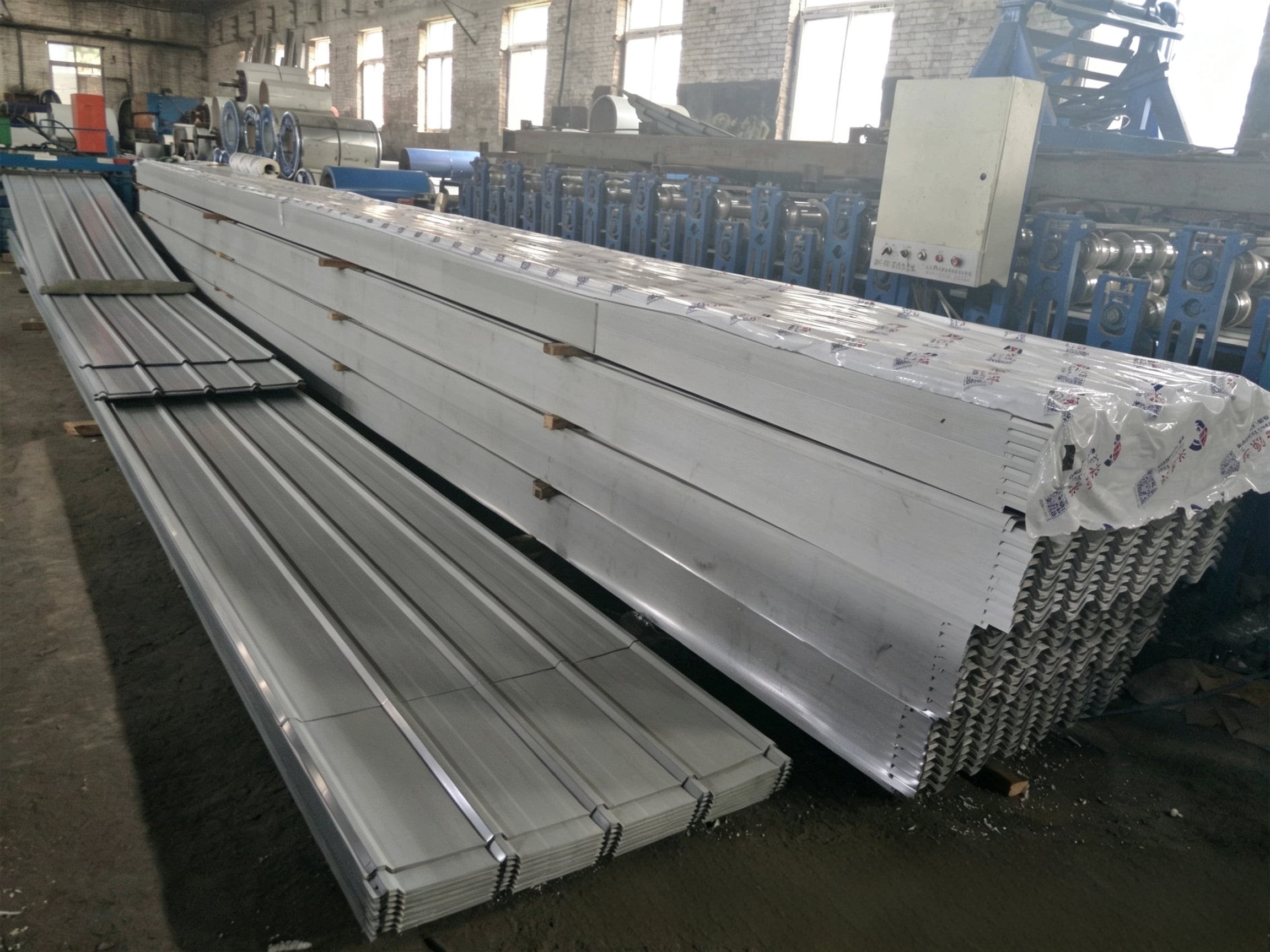
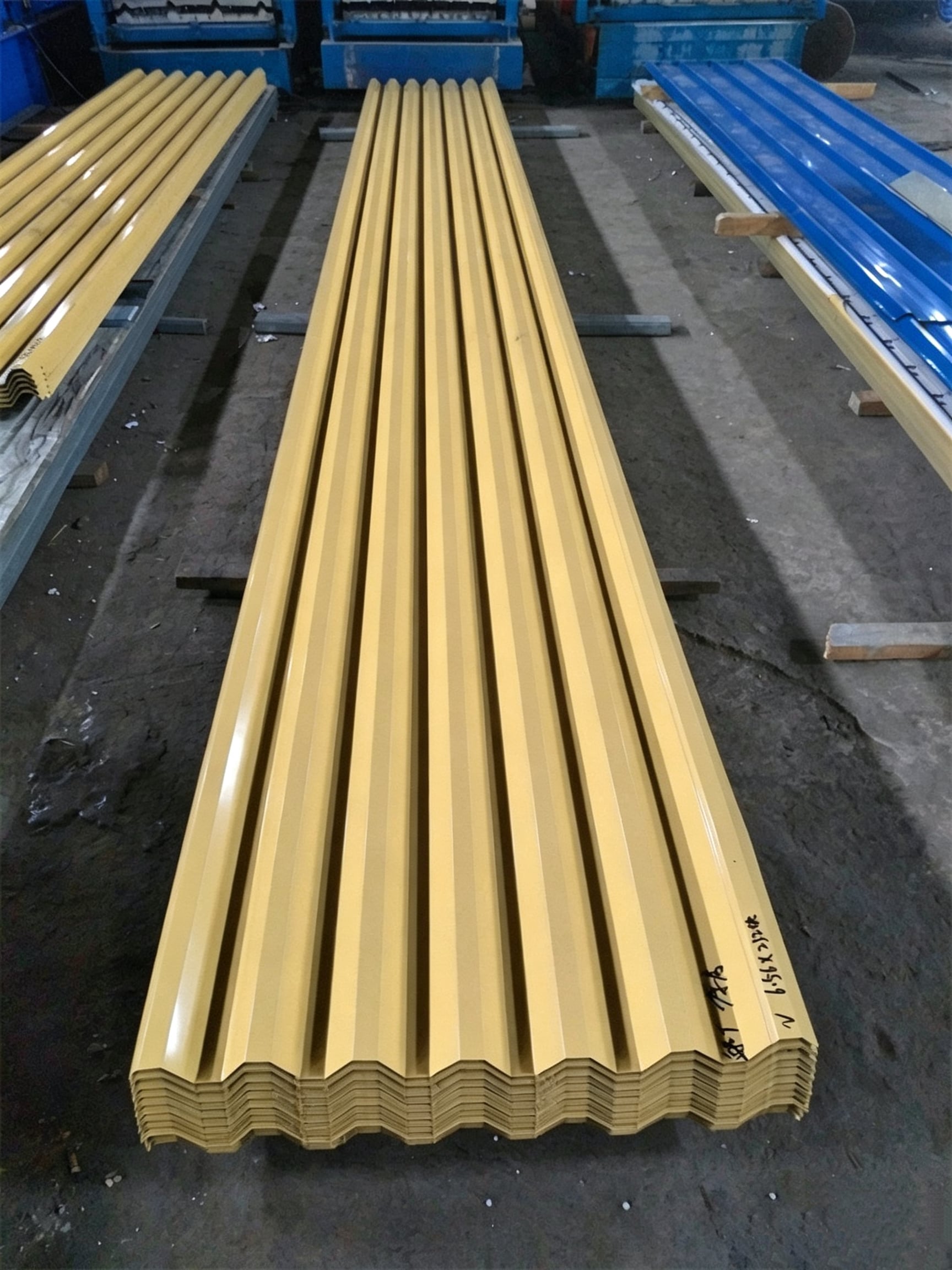
Steel roof  tiles have emerged  as a popular choice for construction  projects due to their durability, aesthetic  appeal, and  energy efficiency. When considering steel roof tiles, B2B  buyers, including  purchasing managers  and project engineers, often  have  concerns  about material specifications,  installation  methods, and long-term performance. This article aims to provide  a comprehensive guide on what to  consider when selecting steel roof  tiles, highlighting key specifications and common challenges, while showcasing the advantages of  this material  over traditional  roofing  options.

Why choose Xingyuanxing roof tiles steel

Our Products

What to Consider When Choosing Steel Roof Tiles for Projects

When selecting steel roof tiles for any project, several  critical factors come into play. First, consider the climate and environmental conditions of the installation site. Steel roof tiles can be  a suitable choice for areas prone to heavy rainfall,  snow,  or extreme temperatures, as  they can withstand  various  weather conditions without  warping or  cracking.

Next, assess the building structure. The weight of the roofing material matters; steel roof tiles  are lighter than traditional  materials like clay or concrete, which can influence the overall load-bearing  requirements of the structure. Additionally, think about the  building design and aesthetics. Steel  roof tiles come in various colors and finishes, allowing  for greater design flexibility. For instance, using Galvanized Several-Shaped Steel Profiles 50*70mm For Greenhouse Frames can enhance the overall design.

Finally, consider the long-term maintenance  requirements. Steel roofs are generally low-maintenance; however, they should be treated to resist corrosion and rust, especially in humid environments. Confirming the warranty and  lifespan  of the  product is also essential to ensure durability  over time.

Frequently Asked Questions

Our Blog Posts

What Our Partners Say

Key Specifications of High-Quality Steel Roof Tiles You Should Know

Key Specifications of High-Quality Steel Roof Tiles You Should Know

When evaluating steel roof tiles, several specifications are vital to understanding their performance and suitability for  your project:

Material Thickness: The  thickness of steel  roof tiles typically ranges from 0.4 mm to 0.7 mm. Thicker tiles provide better durability and resistance to impact,  making them ideal for areas  with severe weather  conditions.

Coating Type: Steel tiles are often coated with materials such  as zinc  or aluminum to enhance corrosion resistance. The most common coatings include Galvalume and galvanized finishes,  which can significantly extend the lifespan of the roof.

Weight: The  weight of steel roof tiles can vary based on thickness and design. Lighter  tiles can ease the structural load,  while heavier options may offer increased durability but require additional structural support.

Interlocking System: A good interlocking system is crucial for preventing water infiltration. Steel roof tiles with  a robust interlocking design can enhance  waterproofing and wind resistance.

Fire Rating: Steel is non-combustible, providing excellent fire resistance. It’s essential to verify the fire rating if  your project requires compliance with specific building codes.

Energy Efficiency: Many steel roof tiles come with reflective coatings that can improve energy efficiency by reducing heat absorption, which  is  particularly beneficial in hot climates.

Understanding these specifications will  help  buyers make informed choices that align with their project needs and performance  expectations.

A Buying Guide

A Buying Guide

When preparing to purchase steel roof tiles, consider the following steps:

Determine Your  Requirements:  Clearly define the  project requirements, including  tile dimensions, colors, and any specific performance characteristics needed for your application.

Request Samples: Before placing a large order, obtain samples of the tiles to assess their appearance, weight, and quality. This allows for a better understanding of how they  will  look and perform  in real conditions.

Evaluate the Supplier: Research potential suppliers. Check their manufacturing capabilities, quality control processes, and customer  reviews. A reliable supplier, like Tianjin Xingyuanxing Color  Steel Structure Co., Ltd.,  known for its  stable quality and efficient project services, can be a valuable partner. They might offer products like Hot-Rolled U-Shaped Channel Steel Q235B For Industrial Equipment Base Support as part of their offerings.

Confirm Specifications: Ensure that the  specifications match your  requirements.  This includes verifying coating types, thickness, and any necessary certifications.

Discuss Customization Options: If your project requires custom colors or  sizes,  discuss these options with the supplier early in the process. Customization can enhance the fit with your project’s design.

Understand Pricing Factors: Discuss pricing in relation to the complexity of the order, including customizations and the quantity. Be aware that bulk orders may qualify for discounts.

Plan for Delivery and Installation: Confirm lead times for production and delivery. Additionally, discuss installation requirements and  whether  the supplier provides  support or  guidance during this process.

Common Problems with Steel Roof Tiles and Effective Solutions

Common Problems with Steel Roof Tiles and Effective Solutions

While steel roof tiles offer many benefits, there are  common issues buyers may  encounter:

Corrosion:  If not properly coated, steel tiles can  corrode over time.  To mitigate this risk, choose high-quality coatings and ensure proper installation to prevent water accumulation.

Denting: Steel can dent under heavy impact. Opt for  thicker  tiles for areas prone to hail or falling debris. Additionally, ensure proper handling during transportation and installation  to minimize damage.


Noises:  During  heavy  rain or hail, steel roofs can be noisier than other materials. To reduce noise, consider adding insulation or soundproofing materials beneath the roofing system.

Thermal Expansion: Steel expands and contracts with temperature changes, which can lead to warping or  damage. Ensure proper installation techniques are used  to  accommodate thermal movement, such as using appropriate fasteners and leaving expansion  gaps.


Installation Errors: Incorrect installation can lead to leaks or structural issues. Ensure that installers are experienced with steel  roofing systems and follow all guidelines provided by the manufacturer.

By being aware of these  potential problems and implementing effective solutions, buyers can  enhance the longevity and performance of their steel roof tiles.

Advantages of Steel Roof Tiles Over Traditional Roofing Materials

Steel roof  tiles provide several advantages compared to traditional roofing materials such as asphalt shingles, clay, or  concrete tiles:

Durability: Steel roofs are highly durable, often lasting 40 years or more  with proper maintenance. They are resistant to extreme weather conditions, including high winds, heavy snow, and fire.

Lightweight: Steel  roof  tiles are significantly lighter than traditional  materials, reducing the structural load on buildings and  allowing for easier installation.

Energy Efficiency: Reflective coatings available for steel tiles can reduce heat absorption, leading  to lower  cooling costs in warm climates.

Aesthetic Versatility: Steel roof tiles are available in various  colors and styles, allowing for greater design flexibility to match different architectural styles.

Eco-Friendliness: Steel is recyclable, making it a more environmentally friendly option  compared to traditional materials.  Additionally, its longevity reduces the need for frequent replacements, further minimizing environmental impact.

Low Maintenance: Steel roof tiles require  minimal maintenance, which can lead to cost savings  over time.

By understanding  these advantages, B2B buyers can make  informed decisions when selecting roofing materials for their projects, ensuring  they choose  a solution that meets  their performance  and aesthetic needs effectively.