Metal Tiles for Roofing: Specifications and Advantages

application/metal-tiles-for-roof, application/metal-tiles-for-roof, 
Inquiry
Inquiry

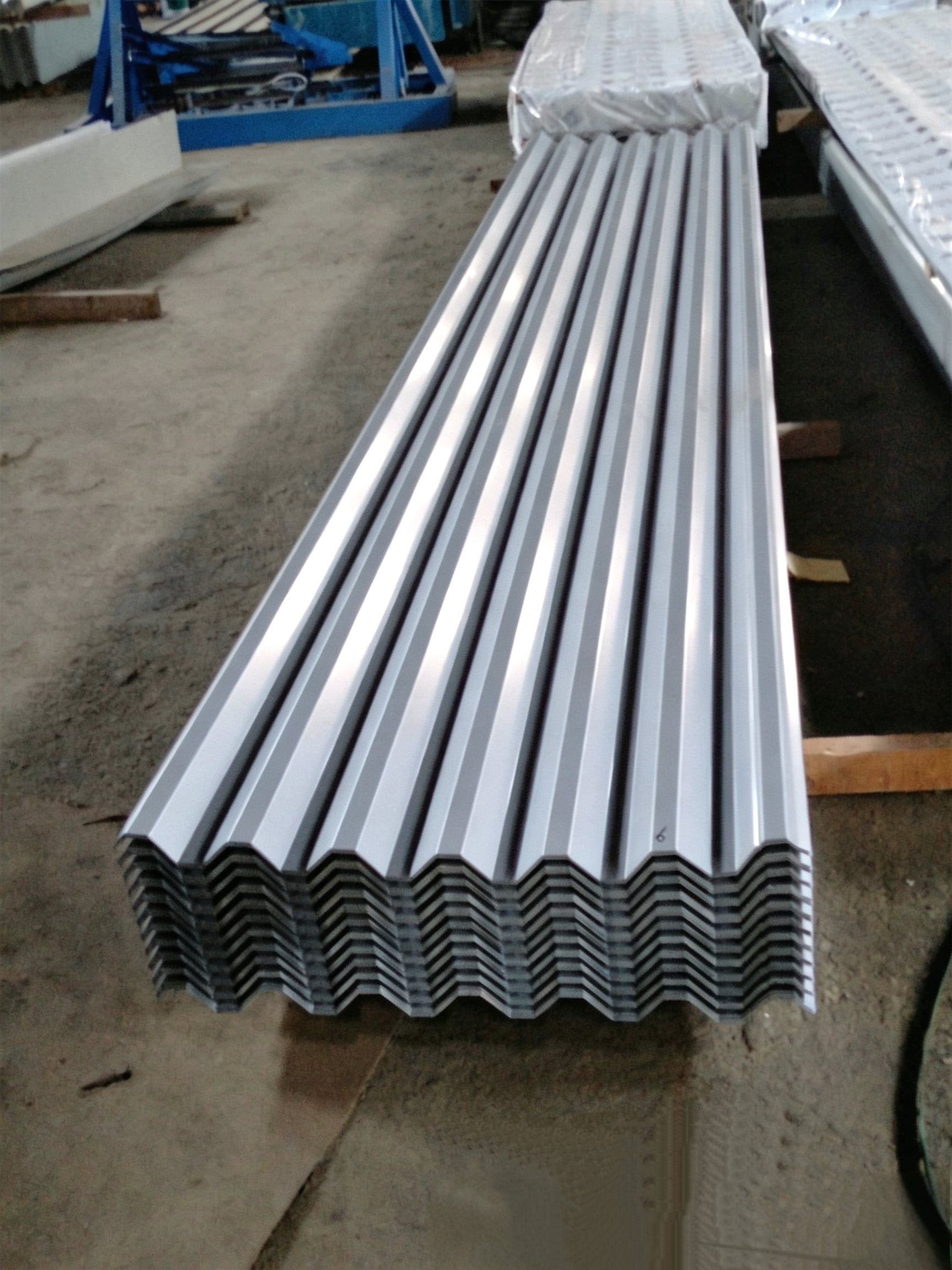
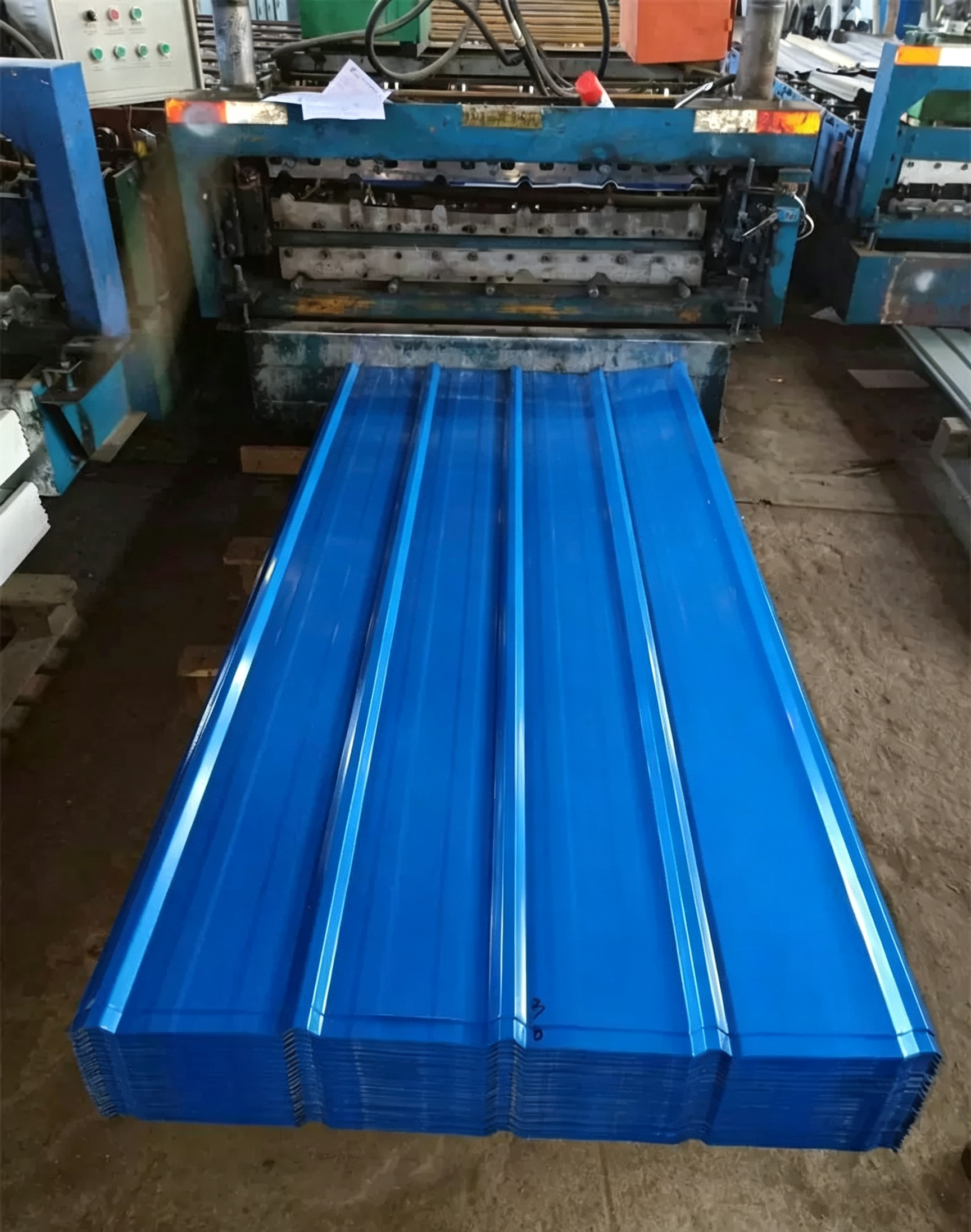
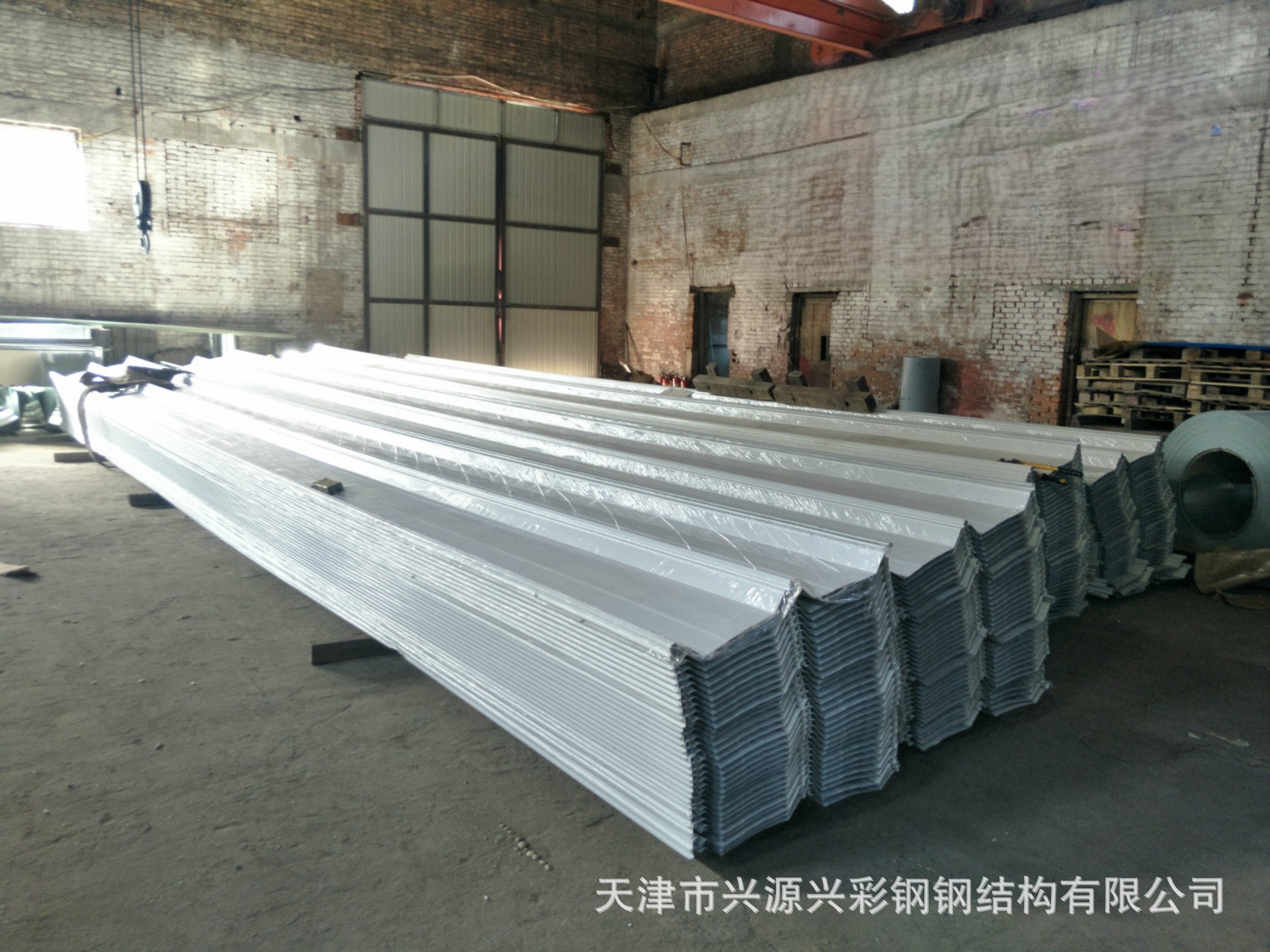
metal tiles for roof

Metal tiles for roofing represent a robust and versatile solution for various construction projects. As a B2B buyer, you may be looking for information that helps you navigate product specifications, costs, and quality factors to ensure a successful purchase. This article will provide in-depth insights into metal tiles, including their specifications, cost considerations, best practices, quality evaluations, and the advantages they offer for roofing projects.

Why choose Xingyuanxing metal tiles for roof

Our Products

Comparing Metal Tile Specifications for Your Project Needs

When selecting metal tiles for roofing, understanding the specifications is crucial. Key specifications include thickness, material type, coating, and dimensions.

Thickness: Common thicknesses range from 0.4mm to 0.7mm. Thicker tiles generally offer better durability and resistance to weathering, which is important for regions with extreme conditions. Material Type: Metal tiles can be made from galvanized steel, aluminum, or copper. Each material has distinct properties; for instance, aluminum is lightweight and resistant to corrosion, while galvanized steel is cost-effective and strong. Coating: A high-quality coating can enhance the lifespan of metal tiles by providing additional protection against rust and UV exposure. Look for tiles with a PVDF or polyester finish for improved durability. Dimensions: Standard sizes vary, but common dimensions include 1m x 1m tiles, which can be customized to fit specific architectural needs. Additionally, you may want to explore options related to Secondary steel structure to complement your roofing project.

Understanding these factors will help you choose the right specifications that align with your project's goals and requirements.

Frequently Asked Questions

Our Blog Posts

What Our Partners Say

Understanding the Cost Factors of Metal Roof Tiles

Understanding the Cost Factors of Metal Roof Tiles

The cost of metal roof tiles can vary significantly based on several factors. Here are some key considerations:

Material Costs: The choice of material has a direct impact on pricing. For example, copper tiles are usually more expensive than galvanized steel due to the higher material costs and their long-term lifespan. Manufacturing Processes: Tiles that undergo additional processes such as painting or special coatings will incur higher costs. Ensure to include these processes in your budget estimates. Order Quantity: Bulk orders typically reduce the per-unit cost. Understanding the minimum order quantities (MOQ) can help with budgeting and planning. Transportation and Installation: Don’t overlook logistics costs. The weight and dimensions of the tiles can affect shipping costs, while installation complexity can influence labor expenses.

By factoring in these elements, you can create a more accurate budget for your roofing project.

Best Practices and Tips

Best Practices and Tips

To ensure a successful purchase and installation of metal tiles, consider the following best practices:

  Sample Approval: Always request a sample before finalizing your order. This allows you to assess the tile's quality, appearance, and compatibility with your project needs. Installation Guidelines: Familiarize yourself with proper installation techniques, as incorrect installation can lead to issues like leaks or reduced longevity. It’s advisable to engage experienced installers familiar with metal roofing systems. Weather Considerations: Assess the environmental conditions of your project site. Different coatings and materials may perform better in specific climates, so choose accordingly. Compare Suppliers: When sourcing metal tiles, compare multiple suppliers based on their production capabilities, lead times, and quality assurance processes. Ensure that the supplier can meet your specific project requirements. You might also want to investigate the Factory building of steel structure for additional insights.

By adhering to these best practices, you can mitigate common pitfalls associated with metal tile purchases and installations.

 
Evaluating the Quality of Metal Tiles for Long-Term Use

Evaluating the Quality of Metal Tiles for Long-Term Use

Quality evaluation is vital when selecting metal tiles. Here are some aspects to consider:

Certifications: Look for products that meet industry standards and certifications. This ensures that the tiles have undergone rigorous testing for durability and performance. Warranty: A robust warranty can indicate the manufacturer’s confidence in their product. Check the warranty terms for coverage periods and conditions. Quality Control Processes: Inquire about the manufacturer's quality control measures. A reliable manufacturer should have processes in place to monitor production consistency and product quality. Performance Testing: Ask for performance data related to factors such as wind uplift resistance, thermal expansion, and impact resistance. This data can be crucial for projects in areas prone to extreme weather.

By focusing on these quality indicators, you can make a more informed decision that will benefit your project in the long run.

The Advantages of Using Metal Tiles for Roofing Projects

Metal tiles offer several advantages that make them an attractive choice for roofing projects:

Durability: Metal roofing is known for its longevity, often lasting 40 years or more. Resistance to weather elements such as rain, snow, and UV radiation makes metal tiles a reliable option. Energy Efficiency: Many metal tiles come with reflective coatings that can reduce heat absorption, leading to lower cooling costs in warm climates. Aesthetic Variety: Metal tiles are available in various styles and colors, allowing for creative architectural designs that enhance the building's appearance. Environmentally Friendly: Metal roofing materials are often recyclable, contributing to sustainable building practices. Additionally, their energy-efficient properties can lower a building's carbon footprint.

Understanding these advantages can help you articulate the value of metal tiles to stakeholders and justify your purchasing decisions.

By considering specifications, costs, best practices, quality evaluations, and advantages, you can confidently navigate the process of sourcing metal tiles for your roofing project. With the right information and preparation, you will enhance your project's success and ensure a durable, high-quality roof solution.