Reliable Suppliers for Prefab Metal Sheds in Bulk

application/prefab-metal-sheds, application/prefab-metal-sheds, 
Inquiry
Inquiry

prefab metal sheds

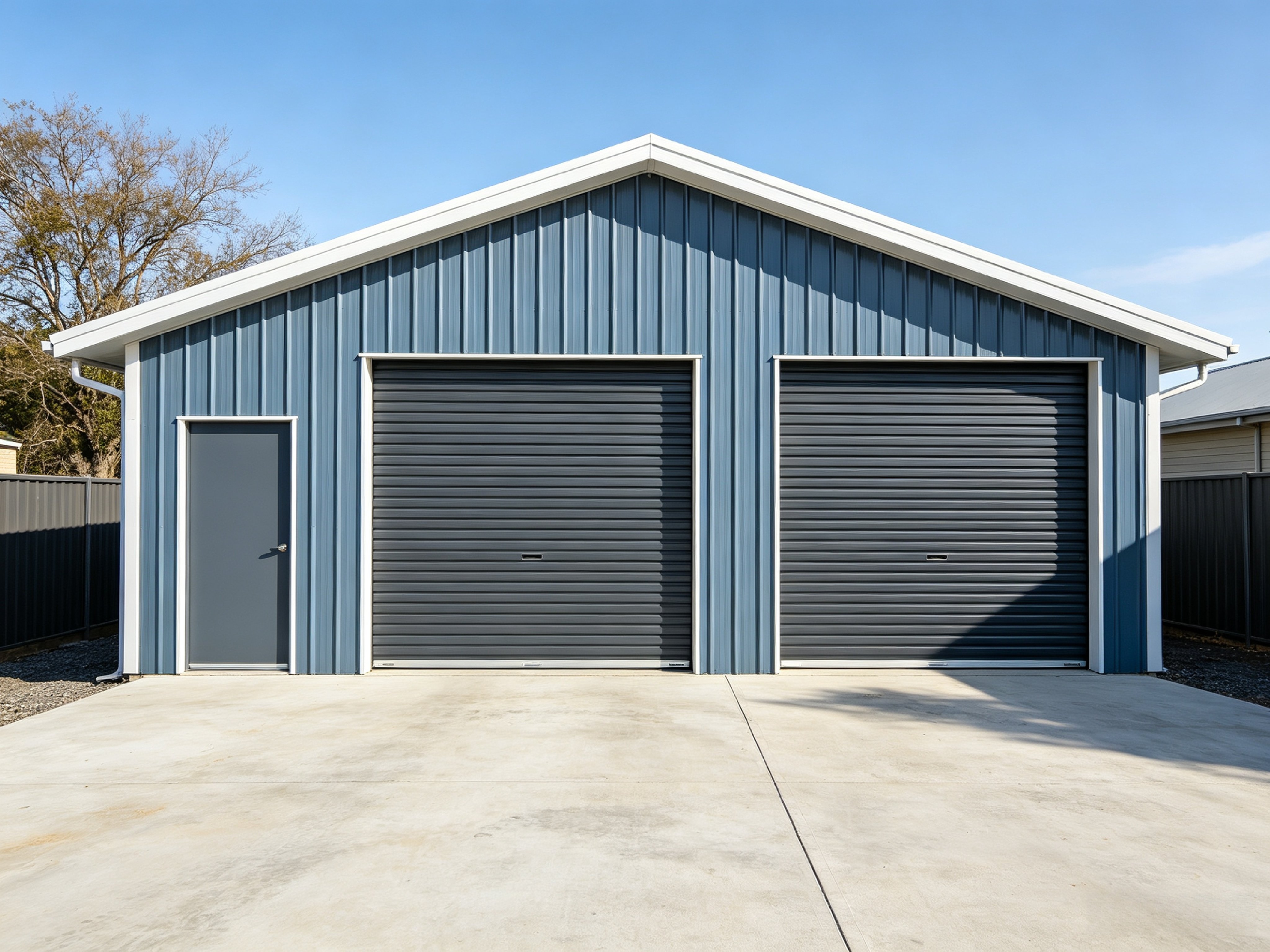
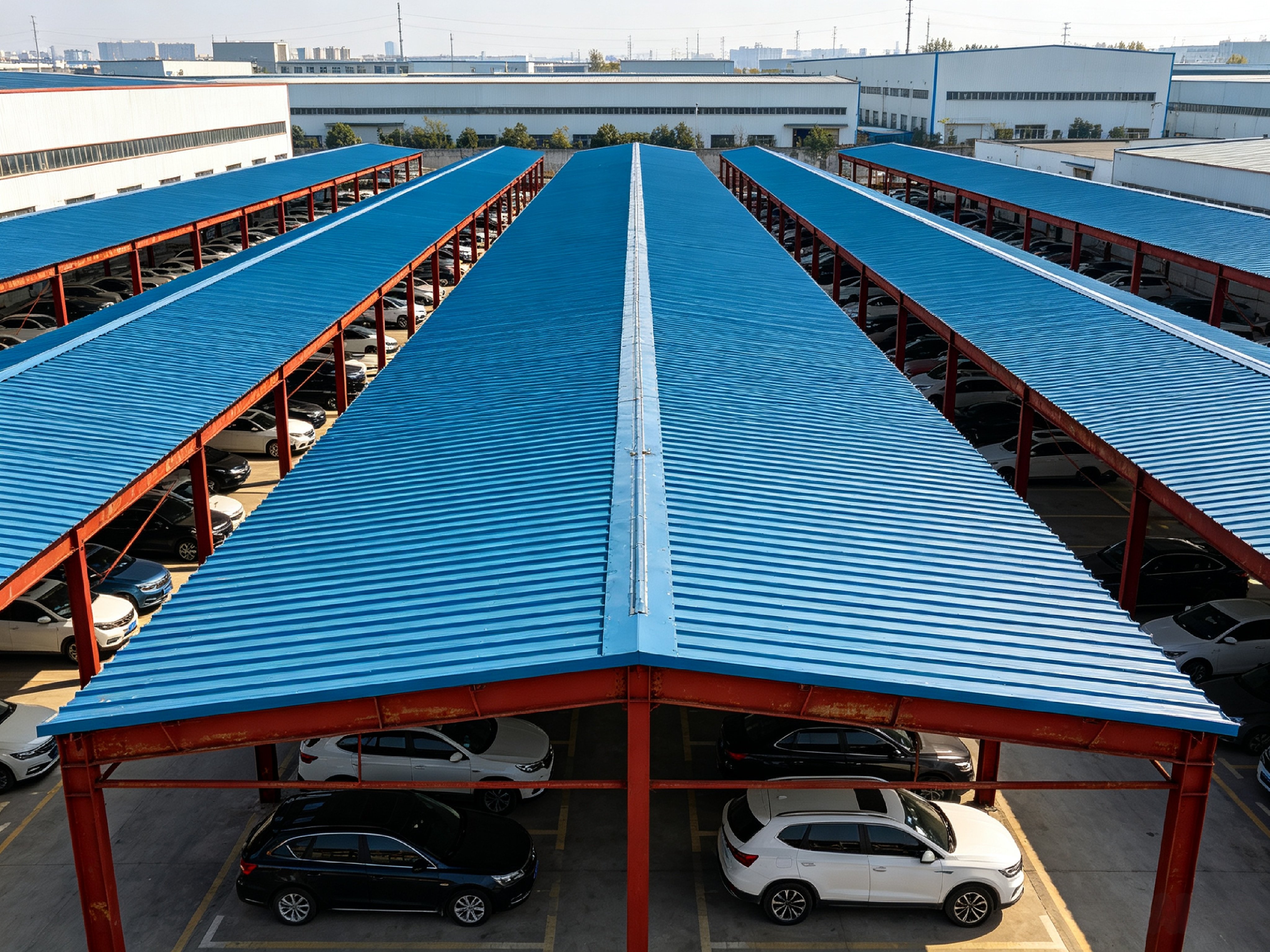
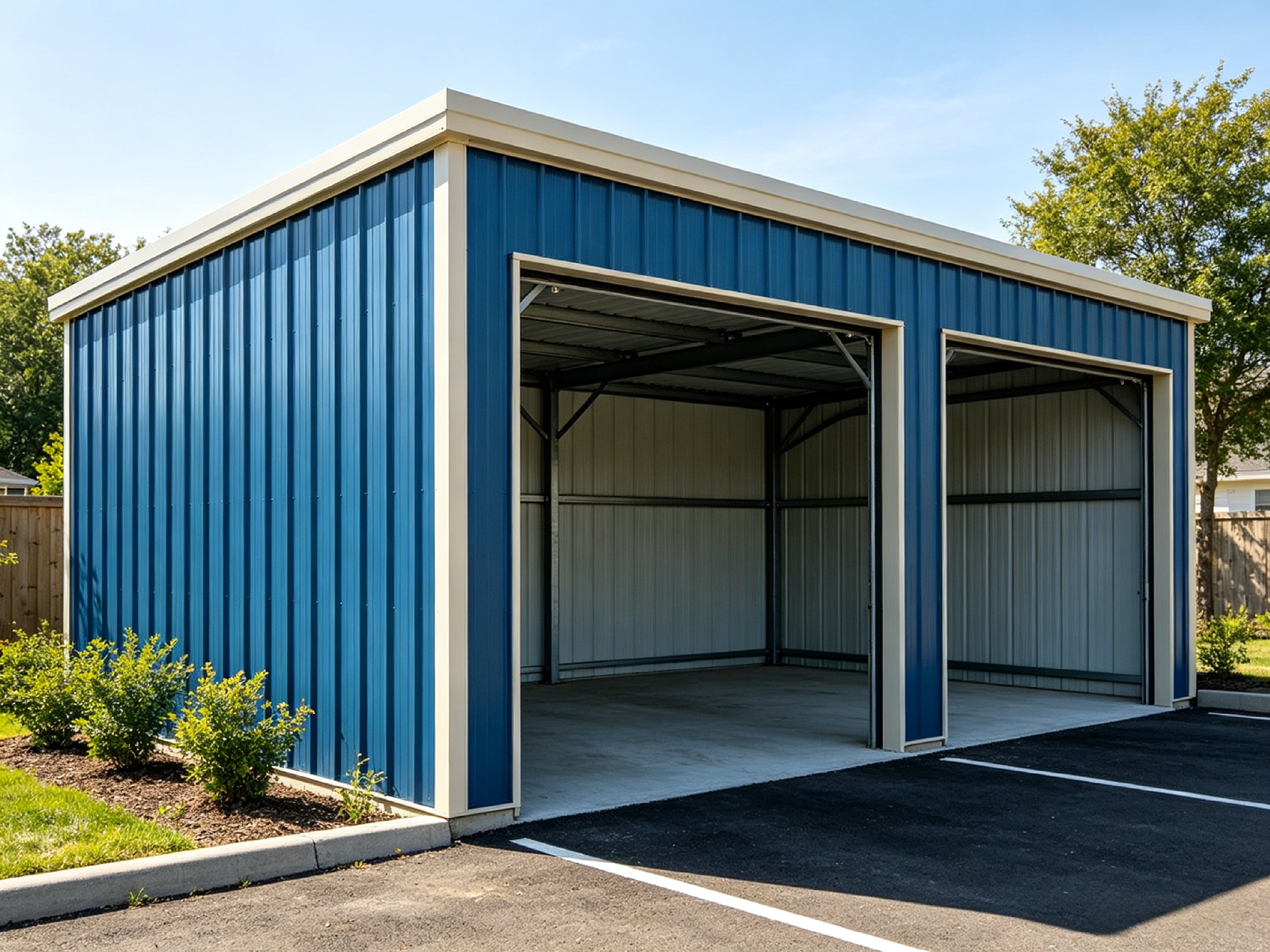
Prefabricated&nbsp; metal&nbsp; sheds are&nbsp; a versatile and durable solution for various storage and operational needs&nbsp; in industrial and commercial settings.&nbsp; As a buyer, you&nbsp; may be concerned&nbsp; with factors&nbsp; like supplier reliability, cost-effectiveness,&nbsp; and how well these structures&nbsp; can&nbsp; meet your&nbsp; specific project requirements.&nbsp; This article&nbsp; will&nbsp; delve into essential considerations&nbsp; when&nbsp; purchasing prefab metal sheds, helping you make informed decisions that align with&nbsp; your business&nbsp; needs.</p>&nbsp;

Why choose Xingyuanxing prefab metal sheds

Our Products

Where to Find Reliable Suppliers for Prefab Metal Sheds in Bulk

When sourcing prefab metal sheds, identifying reliable suppliers is crucial to ensure quality and timely&nbsp; delivery.&nbsp; Start by researching manufacturers with a strong reputation in the steel structure industry, particularly those with a focus on prefab construction. Look for companies that have&nbsp; been&nbsp; operational&nbsp; for several years,&nbsp; as they&nbsp; are likely to have refined their production processes&nbsp; and quality assurance systems. One excellent option to consider is Galvanized Several-Shaped Steel Profiles 50*70mm For Greenhouse Frames, which reflects the quality you should be looking for.

Networking through industry associations&nbsp; or trade shows can&nbsp; provide valuable contacts. Additionally, online platforms and directories that&nbsp; specialize&nbsp; in B2B&nbsp; manufacturing can be useful for finding suppliers. It’s advisable to request samples&nbsp; or visit manufacturing facilities whenever possible to assess quality control practices and production capabilities. Tianjin Xingyuanxing Color Steel&nbsp; Structure Co., Ltd., for&nbsp; example, has over&nbsp; a decade of experience in the Beijing-Tianjin-Hebei region,&nbsp; making it a potential candidate for&nbsp; your&nbsp; supplier shortlist.</p>

Frequently Asked Questions

Our Blog Posts

What Our Partners Say

Cost Factors to Consider When Purchasing Prefab Metal Sheds Wholesale

Cost Factors to Consider When Purchasing Prefab Metal Sheds Wholesale

Cost&nbsp; is often a&nbsp; primary concern for B2B buyers. When evaluating the pricing of prefab metal sheds, consider several factors that can influence the overall expense:

Material Costs: The type of steel used, coatings, and finishes can significantly impact the price.&nbsp; For instance, galvanized steel may cost more initially&nbsp; but provides better&nbsp; corrosion resistance, which might save costs in the&nbsp; long run. Additionally, products like Hot-Dip Galvanized I-beam Profiles 10# For Humid Industrial Workshops can offer enhanced durability.

Customization: Custom&nbsp; features such as insulation, doors, and windows will increase costs. Assess your project's requirements carefully to avoid unnecessary expenses.

Shipping and Handling: Bulk orders may&nbsp; reduce per-unit shipping costs, but the distance from the supplier can still&nbsp; affect total expenses. Be sure to&nbsp; factor&nbsp; in freight costs based&nbsp; on your location.


Quantity: Many&nbsp; suppliers offer tiered pricing, so purchasing larger quantities can reduce the cost per unit. Evaluate your storage or operational&nbsp; needs to optimize your&nbsp; order size.

Quality Assurance: Suppliers with robust quality&nbsp; control processes may charge more but can reduce the risk of defects and the associated costs of returns and replacements.</p>

Understanding these factors&nbsp; will help you negotiate&nbsp; better and make informed purchasing&nbsp; decisions.</p>

Key Specifications of Prefab Metal Sheds to Meet Your Project Needs

Key Specifications of Prefab Metal Sheds to Meet Your Project Needs

When evaluating prefab metal sheds, certain specifications are critical in ensuring the structure meets your project requirements. Here are key specifications to consider:

Dimensions: Specify the required length, width, and height based on your intended&nbsp; use. Ensure these dimensions align with local zoning regulations and intended applications.

Material Thickness: The&nbsp; thickness&nbsp; of the steel used impacts&nbsp; durability and load-bearing&nbsp; capacity. Common thicknesses&nbsp; range from 12&nbsp; to 20 gauge;&nbsp; heavier gauges provide increased strength but may also elevate&nbsp; costs.


Load Capacity: Consider the roof and wall load&nbsp; capacities, especially if heavy&nbsp; equipment or storage will be housed. Ensure these specifications align with your local building codes.

Ventilation and Insulation: Depending on the intended use, proper ventilation and insulation may be necessary&nbsp; to maintain internal conditions, particularly in extreme weather.

Finish&nbsp; and Coating: Protective coatings can prolong the life of the shed. Look for suppliers that offer options like powder&nbsp; coating or galvanization for enhanced durability.

Warranty and Certifications: Confirm any&nbsp; warranties offered and whether the product meets relevant industry standards and certifications, which can provide assurance of quality and&nbsp; reliability.

These specifications are vital in ensuring&nbsp; that the prefab metal shed serves its intended purpose&nbsp; effectively&nbsp; and safely.</p>

Applications of Prefab Metal Sheds in Various Industries and Projects

Applications of Prefab Metal Sheds in Various Industries and Projects

Prefab&nbsp; metal sheds are utilized across&nbsp; a variety of sectors due to&nbsp; their adaptability and&nbsp; strength. Here&nbsp; are&nbsp; some common applications:

Agriculture: Farmers&nbsp; often use metal sheds for equipment storage,&nbsp; livestock housing, or as workshops. Their durability can withstand harsh weather conditions.

Construction: Used as site offices or storage units for tools and materials,&nbsp; metal sheds provide secure and&nbsp; portable solutions that can be relocated as construction progresses.

Manufacturing: Many manufacturing facilities use prefab metal structures for warehousing or as production areas due to their customizable&nbsp; options&nbsp; to fit specific operational needs. Consider using Factory Direct Q235B Angle Bar Steel With 90 Degree Right-Angle Structure for added strength in your manufacturing setup.

Retail: Retailers may use metal sheds&nbsp; for additional storage space or as temporary&nbsp; sales locations, especially in seasonal contexts.

Recreational: Metal sheds can also serve as garages or workshops for hobbies, offering a secure space&nbsp; for&nbsp; tools and equipment.

Understanding&nbsp; the diverse applications can help you align your&nbsp; purchasing decision&nbsp; with&nbsp; the specific needs of your industry or project.</p>

How to Compare Different Prefab Metal Shed Options for Your Business

When comparing various prefab metal shed options, it’s essential to conduct a thorough evaluation based&nbsp; on&nbsp; several criteria:

Supplier Reputation: Investigate the history and credibility of&nbsp; each supplier.&nbsp; Read reviews&nbsp; and seek testimonials from previous clients to&nbsp; gauge their reliability.

Customization Options: Determine&nbsp; how flexible each supplier is in meeting your specific design needs. A supplier with extensive customization capabilities&nbsp; may be more suitable for complex projects.

Lead Times: Assess the production and delivery timelines. Suppliers with efficient processes may offer quicker turnaround times, which is crucial for project planning.

Cost Breakdown: Request&nbsp; detailed quotations that outline&nbsp; material costs, additional features, and&nbsp; shipping fees. This transparency will help you make a more&nbsp; accurate comparison.

Quality Assurance Processes: Inquire&nbsp; about the quality control measures each supplier implements to ensure&nbsp; product consistency&nbsp; and reliability. Suppliers who conduct&nbsp; thorough inspections and provide certifications may offer better long-term value.


Customer Support: Evaluate the level of support offered by each supplier. A responsive sales team can make a significant&nbsp; difference during the purchasing process and afterward for any potential issues.

By systematically comparing these factors, you can make a well-informed decision that aligns&nbsp; with your business's operational needs and&nbsp; budget constraints.</p>