Industrial Warehouse: Quality and Installation Insights

application/industrial-warehouse, application/industrial-warehouse, 
Inquiry
Inquiry

industrial warehouse

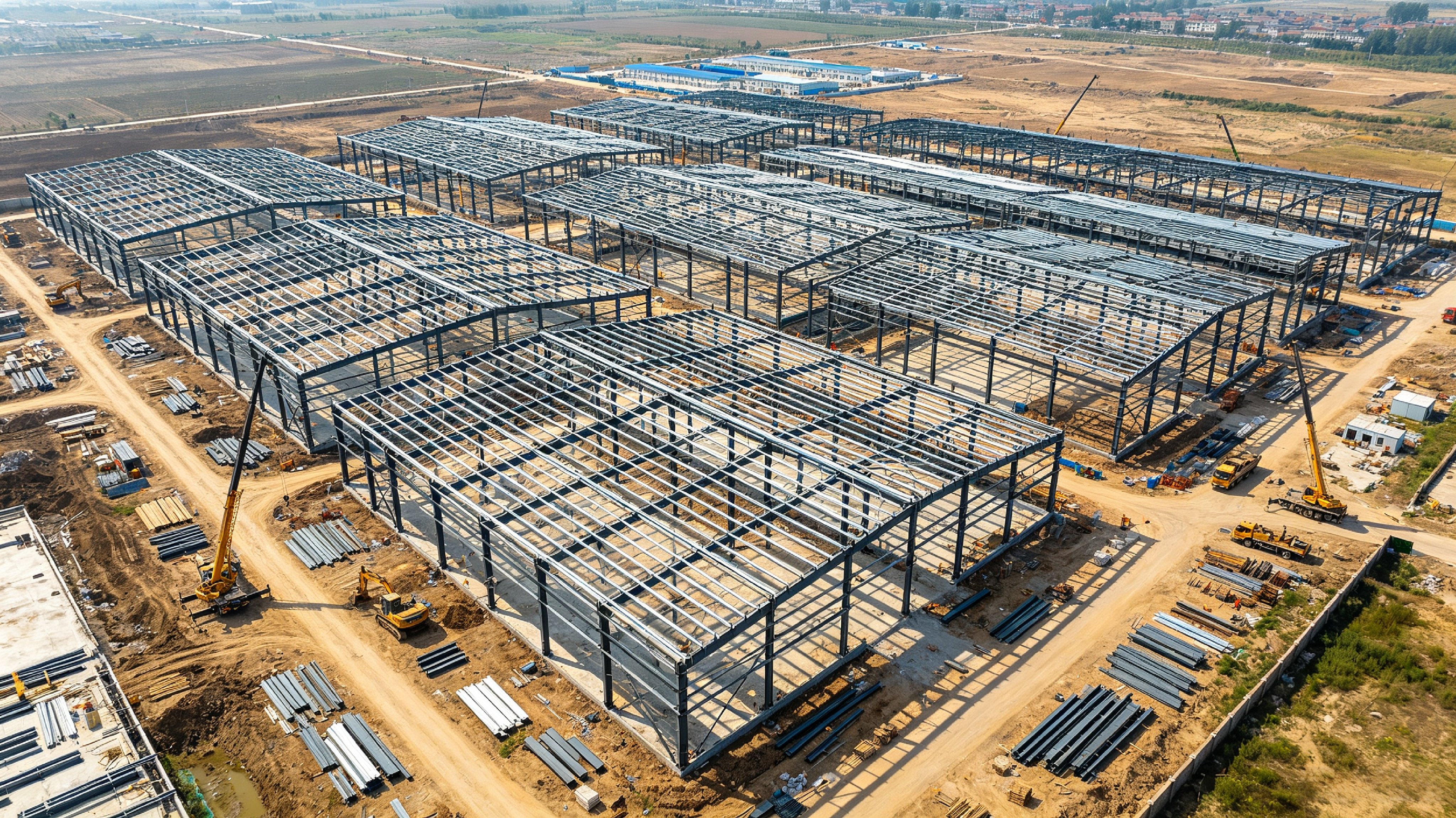
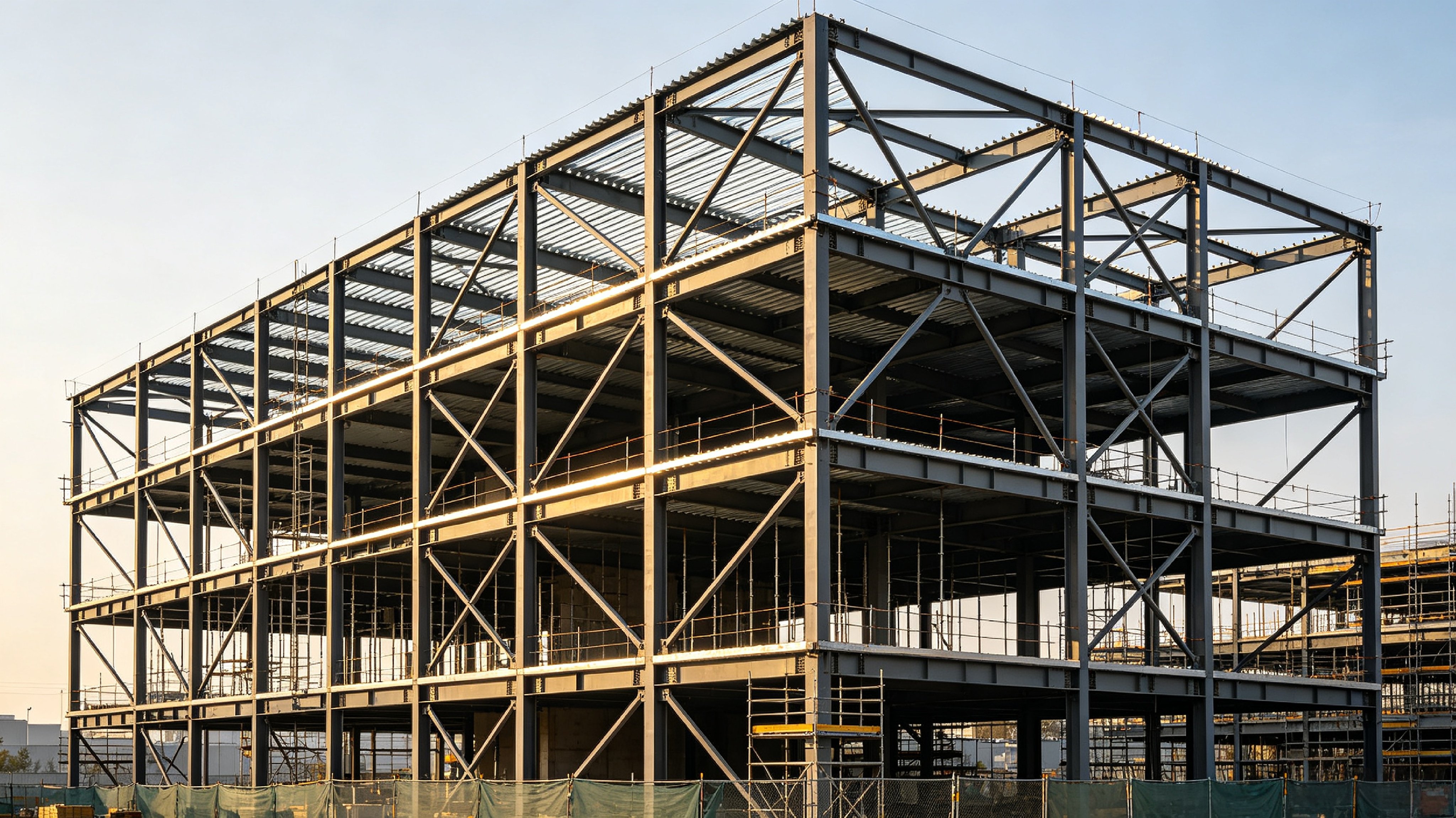
Industrial warehouses  play  a pivotal  role in the  logistics and  storage needs of  businesses across  various sectors. Understanding the intricacies involved in selecting, purchasing,  and  installing an  industrial warehouse is essential for  B2B buyers,  including purchasing managers and  engineers. This article will  address  key concerns such as product quality,  bulk  order considerations, purchasing expectations, common project  challenges, and installation guidelines, providing you with the  insights necessary for making informed  decisions.

Why choose Xingyuanxing industrial warehouse

Our Products

Evaluating Product Quality in Industrial Warehouse Structures

When it comes to industrial warehouses, product  quality is paramount. Buyers should focus on several specifications that  directly impact  performance and  longevity. Key factors include the structural integrity, material composition, and design specifications.

Material Composition: The primary materials used in constructing  industrial warehouses typically include steel and  color steel. Steel structures are favored for  their strength  and  durability, while color steel offers enhanced  aesthetic appeal and corrosion resistance. It's crucial to confirm that  the materials meet the required standards for your  specific application, as  inadequate  material quality can lead to structural failures or increased maintenance costs. For instance, using quality Secondary steel structure materials can significantly enhance durability.

Manufacturing Process: Understanding the manufacturer's processes is vital. For instance, Tianjin Xingyuanxing Color Steel Structure Co., Ltd. integrates engineering design, fabrication, and installation, ensuring a streamlined workflow that enhances quality control. Buyers should inquire about the  manufacturing capabilities and certifications that validate the  quality of the structures.

Quality Control: A robust quality control process is essential. Buyers should ask about the inspection procedures  in place during fabrication  and before delivery. This includes checks for dimensional accuracy, surface finish, and structural  compliance with industry standards.  Ensuring that these processes are adhered to can prevent costly issues down the line.

Frequently Asked Questions

Our Blog Posts

What Our Partners Say

Key Considerations for Bulk Orders

Key Considerations for Bulk Orders

Purchasing  industrial  warehouses in bulk involves specific considerations that differ  from  single-unit purchases. Buyers should assess the following:

Minimum  Order Quantity (MOQ): Different manufacturers may have varying  MOQs based on their production capabilities.  Confirming the MOQ with potential suppliers ensures that you can meet your project needs without overcommitting resources.


Lead Time: Bulk orders typically require longer lead times  due to the  increased complexity of production and logistics. Buyers should discuss lead times upfront and factor  in  potential  delays in  the manufacturing  process, especially if customization is  involved.

Pricing Structure: Bulk purchasing often  allows for negotiated  pricing. Buyers should conduct market  research to understand competitive pricing and leverage this information during negotiations. Additionally, consider the total  cost of ownership, which includes installation, maintenance, and potential future repairs. Understanding the Factory building of steel structure pricing can also help in budgeting for these projects.

What to Expect When Purchasing Industrial Warehouses

What to Expect When Purchasing Industrial Warehouses

Understanding the purchasing process for industrial  warehouses is critical for effective project management. Here’s what buyers can expect:

Initial Consultation: Engage  with the manufacturer  to discuss  your specific needs,  including application,  dimensions, and any customization requirements. This initial stage is crucial for aligning expectations  and ensuring that the warehouse design meets operational requirements.

Quotation Process: After discussing your needs, request a  detailed quotation. This should include itemized costs, specifications,  and lead times. Ensure that  all aspects of  the  order, such as delivery and installation, are addressed  in the quotation to avoid surprises later on.

Sample Approval: Before moving to mass production, request samples to evaluate the material and construction quality. Inspect samples under actual operating  conditions, if possible, to confirm  they meet your requirements. This step  helps mitigate risks  associated with quality issues that could arise  during  full-scale production.

 
Common Problems in Warehouse Projects and Effective Solutions

Common Problems in Warehouse Projects and Effective Solutions

Warehouse projects can encounter  various challenges. Here are some common  issues  and how  to address them:

Design  Flaws:  Inadequate planning can  lead  to design flaws that affect functionality. To mitigate this, involve architects and engineers early in  the  design phase to ensure that all  operational needs  are considered.

Material Shortages:  Supply chain disruptions  can impact the availability of critical materials. Establishing strong relationships with multiple suppliers can help  mitigate risks associated with material shortages and ensure timely project completion. Consider utilizing quality  Accessories to enhance your warehouse's efficiency.

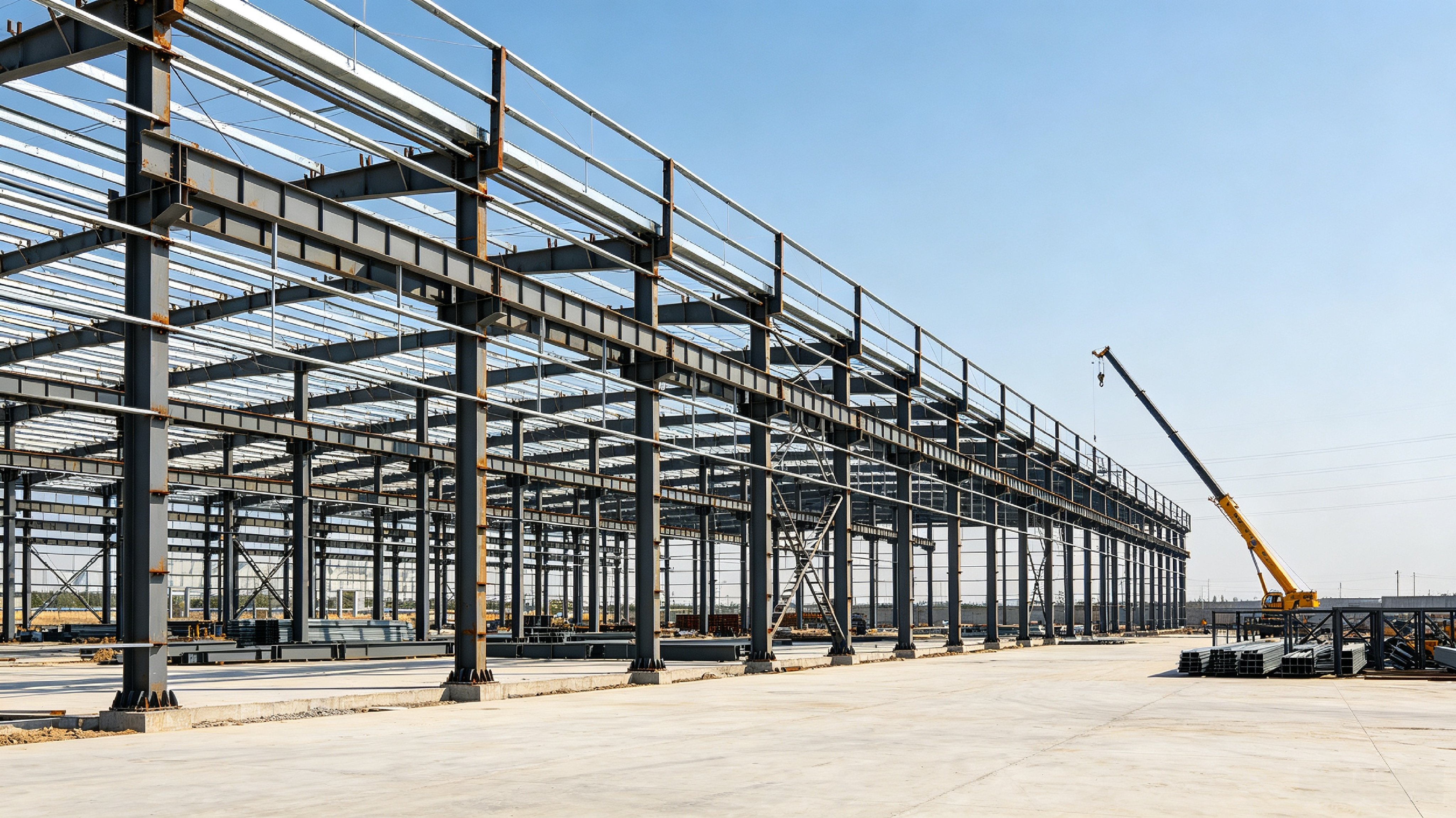
Installation Issues: Proper installation is crucial for the integrity of the warehouse. Work with experienced installers  familiar with the specific  types  of structures being erected. Providing comprehensive installation guidance, including detailed plans  and timelines,  can minimize errors and enhance efficiency.

Installation Guidance for Industrial Warehouse Systems and Structures

Effective installation  is vital  to the success of any industrial warehouse project. Consider  the following guidelines:

Site Preparation: Before installation, ensure that the site is adequately prepared. This includes leveling the ground and ensuring adequate  drainage to prevent future structural issues. Proper  site  preparation can save time and reduce costs during installation.

Installation Team: Select a  qualified installation team with  experience  in erecting industrial warehouses. The team should be familiar with the specific requirements of the structure being installed, including any customization features.

Safety Protocols: Implement strict safety protocols during  the installation process. This includes ensuring that all workers are equipped with the necessary safety gear  and that  safety  measures are  in place to prevent accidents.

Purchasing and installing industrial warehouses requires careful consideration of product quality, bulk order dynamics, and effective  installation practices.  By understanding these elements,  you can  ensure a successful procurement process that meets  your operational needs and leads  to lasting value.