Choosing Steel Warehouse Buildings for Your Needs

application/steel-warehouse-buildings, application/steel-warehouse-buildings, 
Inquiry
Inquiry

steel warehouse buildings

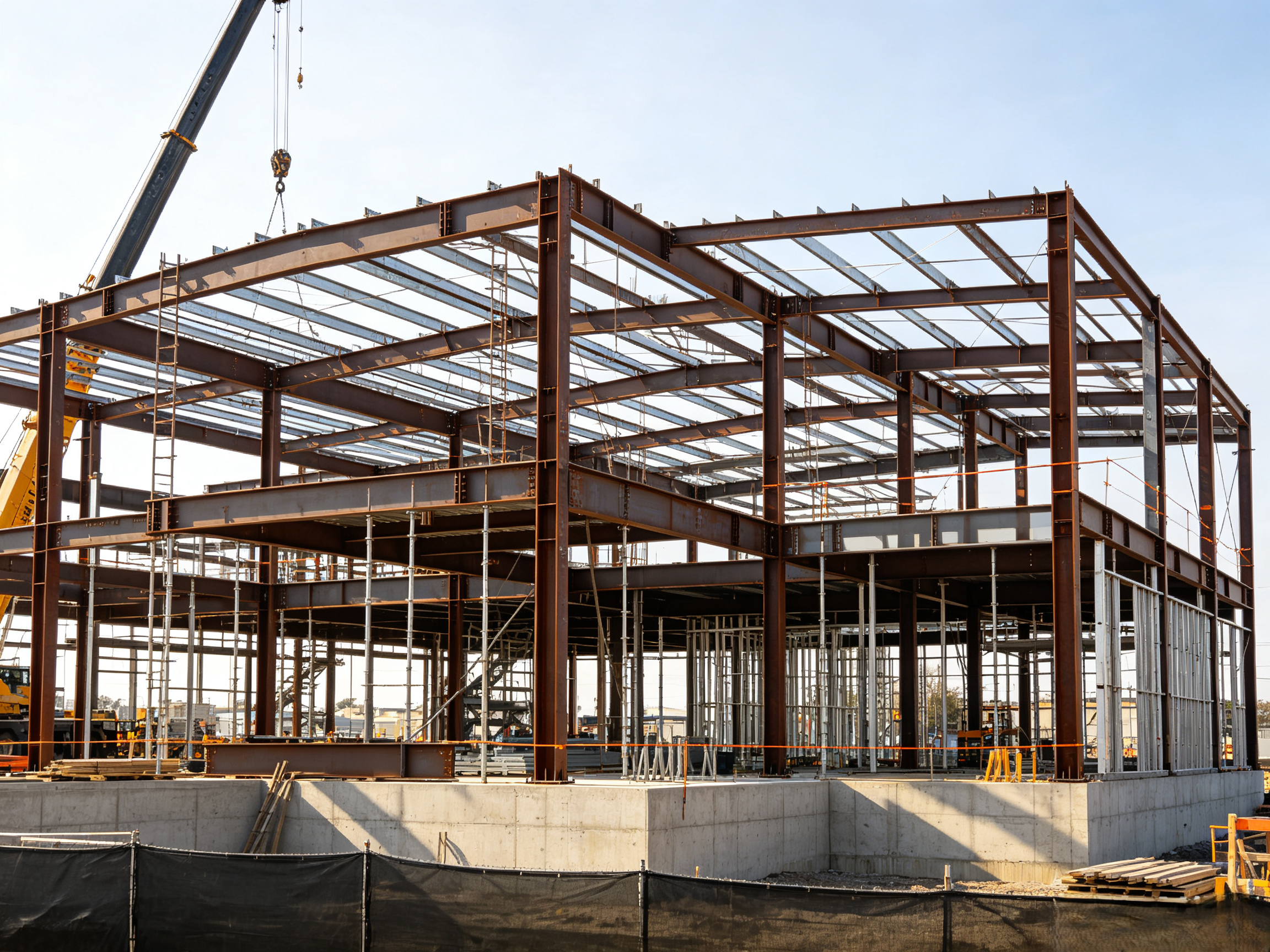
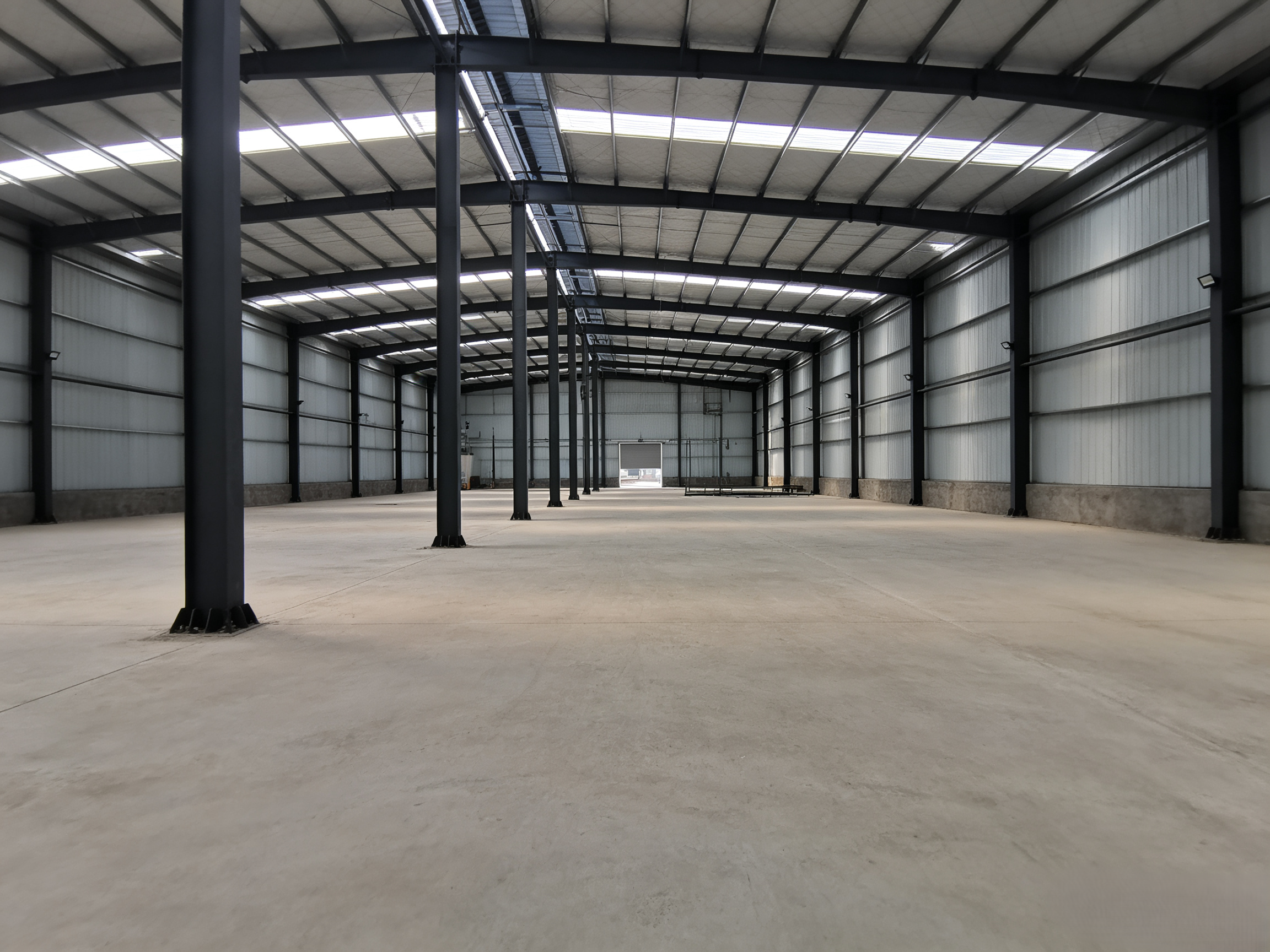
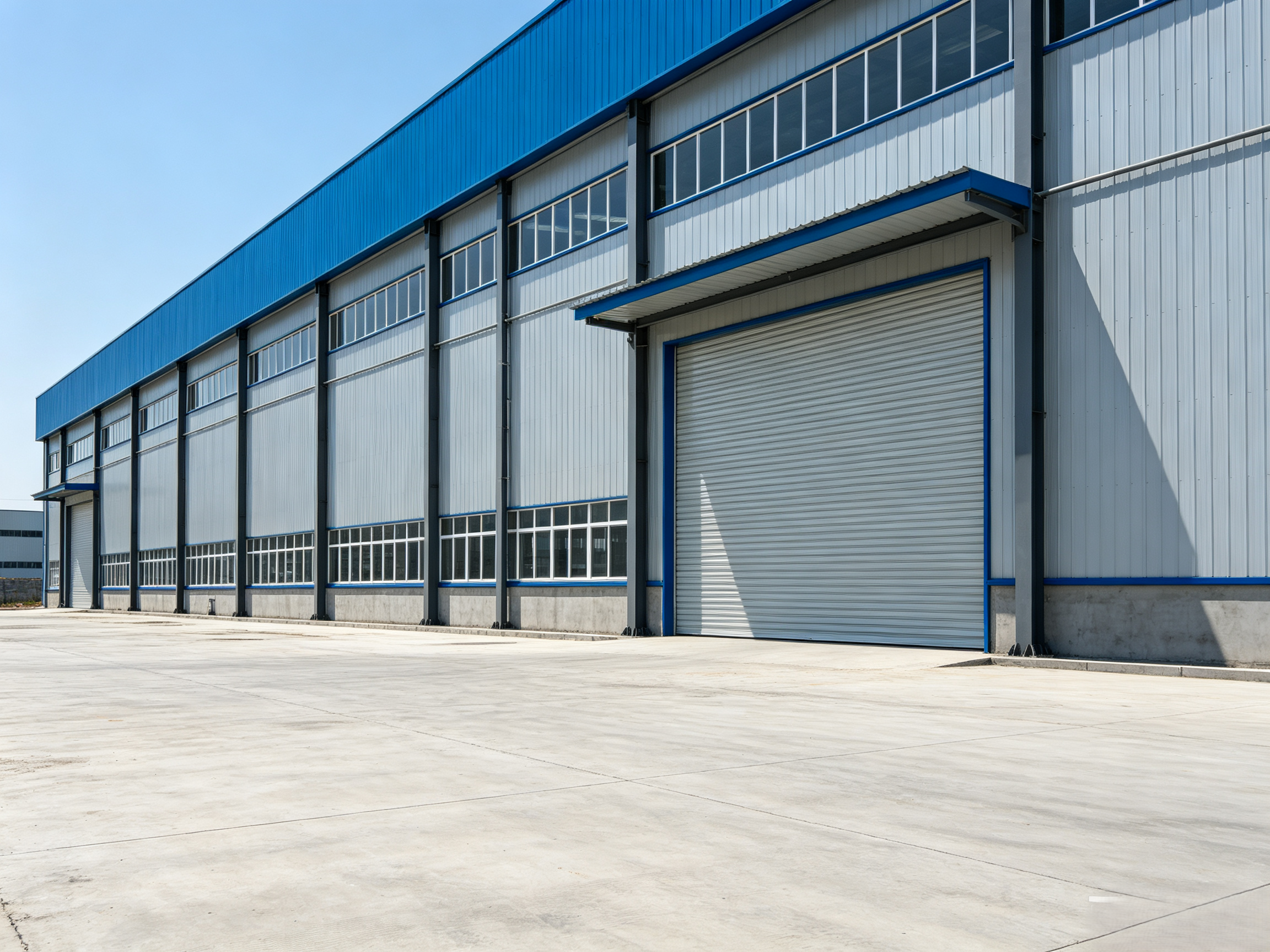
Steel warehouse  buildings are a vital solution for  businesses seeking efficient,  durable, and flexible storage options. These structures  offer a  range of benefits, including cost-effectiveness, quick  assembly, and adaptability to  various industrial needs. As a purchasing  manager  or engineer,  your main concerns may include  the building's specifications, suitability for your application, and how to ensure  a  reliable supply  chain. This  article will  guide you through essential considerations when  selecting steel  warehouse buildings,  helping  you make informed purchasing decisions.

Why choose Xingyuanxing steel warehouse buildings

Our Products

Choosing the Right Steel Warehouse Buildings for Your Project Needs

Selecting the right steel warehouse building begins with understanding your specific  project  requirements. Consider  the intended use of the building—whether for storage, manufacturing, or distribution—as this will influence design and material choices. Evaluate factors  such as:


Dimensions  and Layout: Determine the size of the warehouse needed based on your inventory levels  and operational processes. A well-planned  layout can enhance workflow and maximize space utilization.

Load Requirements: Understand the weight and type of materials that will be stored. This impacts the design,  including  the  structural integrity and the foundation needed to support the building.

Environmental Factors: Consider local climate conditions, such as snow load, wind speed, and seismic activity. These factors  will dictate the material specifications and structural design  for the warehouse. For instance, using corrosion-resistant materials can enhance durability in harsh environments.

Future Expansion:  Plan for  potential business growth by considering  designs  that allow  for future expansions. Modular designs can facilitate  easy scaling without  significant disruptions.

Frequently Asked Questions

Our Blog Posts

What Our Partners Say

Key Specifications to Consider When Sourcing Steel Warehouse Buildings

Key Specifications to Consider When Sourcing Steel Warehouse Buildings

When sourcing steel warehouse buildings,  several key specifications should be evaluated to ensure you receive a high-quality product:


Material  Quality: Steel grades and coatings can significantly affect durability and maintenance  needs. Look for high-strength  steel with protective coatings to  withstand corrosion and other environmental factors, such as those found in humid industrial settings.

Building Codes and Certifications: Verify  that the structure complies with local building codes and industry standards. Certifications from recognized organizations can  provide  assurance of quality and safety.

Insulation  and Energy Efficiency: Insulation is critical for temperature control and energy efficiency.  Evaluate the insulation materials used  and their R-value, which measures  thermal resistance.

Roofing Systems: The choice of roofing system  can impact durability and maintenance.  Options like standing seam metal roofs  provide excellent weather resistance and longevity.

Foundation Requirements: A proper  foundation is crucial for the long-term stability of  the structure.  Discuss foundation options with your supplier to ensure compatibility with your site  conditions.

How to Compare Steel Warehouse Buildings for Wholesale Purchases

How to Compare Steel Warehouse Buildings for Wholesale Purchases

Comparing steel warehouse buildings requires a systematic approach to ensure you make the best choice for your business. Consider the following steps:

Get Multiple Quotes: Request quotations  from several suppliers,  ensuring they  include detailed  specifications, pricing, and lead times. This will  give  you a clearer picture of the market.

Review Specifications: Compare the specifications  of each  building, focusing on materials, dimensions, and structural integrity. Pay attention to any differences that may affect performance and compliance.

Evaluate Customization Options: If your project has unique needs, inquire about  customization capabilities. A  supplier with  experience in tailored solutions may  offer the flexibility  you require.

Assess Supplier Reputation:  Research the supplier's track  record in  the  industry. Look for reviews, testimonials, and case  studies that highlight their reliability and quality of service.

Consider After-Sales Support:  A good supplier should provide support even after the purchase. Verify what kind of maintenance services or  warranties are included with the building.

Best Practices

Best Practices

To maximize the  value of your steel warehouse  building investment, follow these best practices:

Conduct Site Assessments: Before finalizing your order, conduct a site assessment to  identify any potential obstacles  or requirements specific to your location.

Engage  in Detailed  Planning:  Collaborate with your design and engineering teams to  ensure all aspects of the project  are  considered, including electrical and plumbing needs.

Communicate Clearly with Suppliers: Provide detailed information about  your  project  requirements and expectations. Clear communication can  prevent misunderstandings and ensure timely delivery.

Verify Samples and Prototypes: If  possible, review samples or  prototypes of materials before mass production. This can help confirm that the quality meets your expectations.

Plan for Installation: Coordinate installation logistics well in  advance.  Ensure  that your team is trained and aware  of the building's specifications for proper assembly.

Common Problems with Steel Warehouse Buildings and Their Solutions

Despite their advantages, steel warehouse buildings can present challenges. Here are  some common problems and their solutions:

Corrosion: If not properly treated, steel  can suffer from corrosion over time. Ensure you  choose  a supplier that uses high-quality protective coatings and offers maintenance guidance.

Structural Deficiencies: Poor design or material choice can lead to structural issues. Work  closely with  your supplier to ensure all specifications meet your operational needs and local building codes.

Insufficient Insulation:  Inadequate insulation can affect temperature  control and energy  efficiency. Evaluate insulation options during  the design phase to ensure comfort and cost savings.

Site-Specific Challenges: Uneven terrain or difficult access can  complicate construction.  Conduct thorough site assessments  and work with your supplier to  address any particular challenges.

Compliance Issues: Always verify that your building meets local regulations. Non-compliance can lead to costly penalties and delays. Engage with local authorities early in  the process to ensure all requirements are met.

By understanding these considerations  and challenges, you can navigate the purchasing process for  steel warehouse buildings  more effectively. Whether you are looking for  a standard design or a customized solution, thorough research and strategic planning will lead to a  successful investment in your business's future.