Steel Construction Warehouse Solutions for Industries

application/steel-construction-warehouse, application/steel-construction-warehouse, 
Inquiry
Inquiry

steel construction warehouse

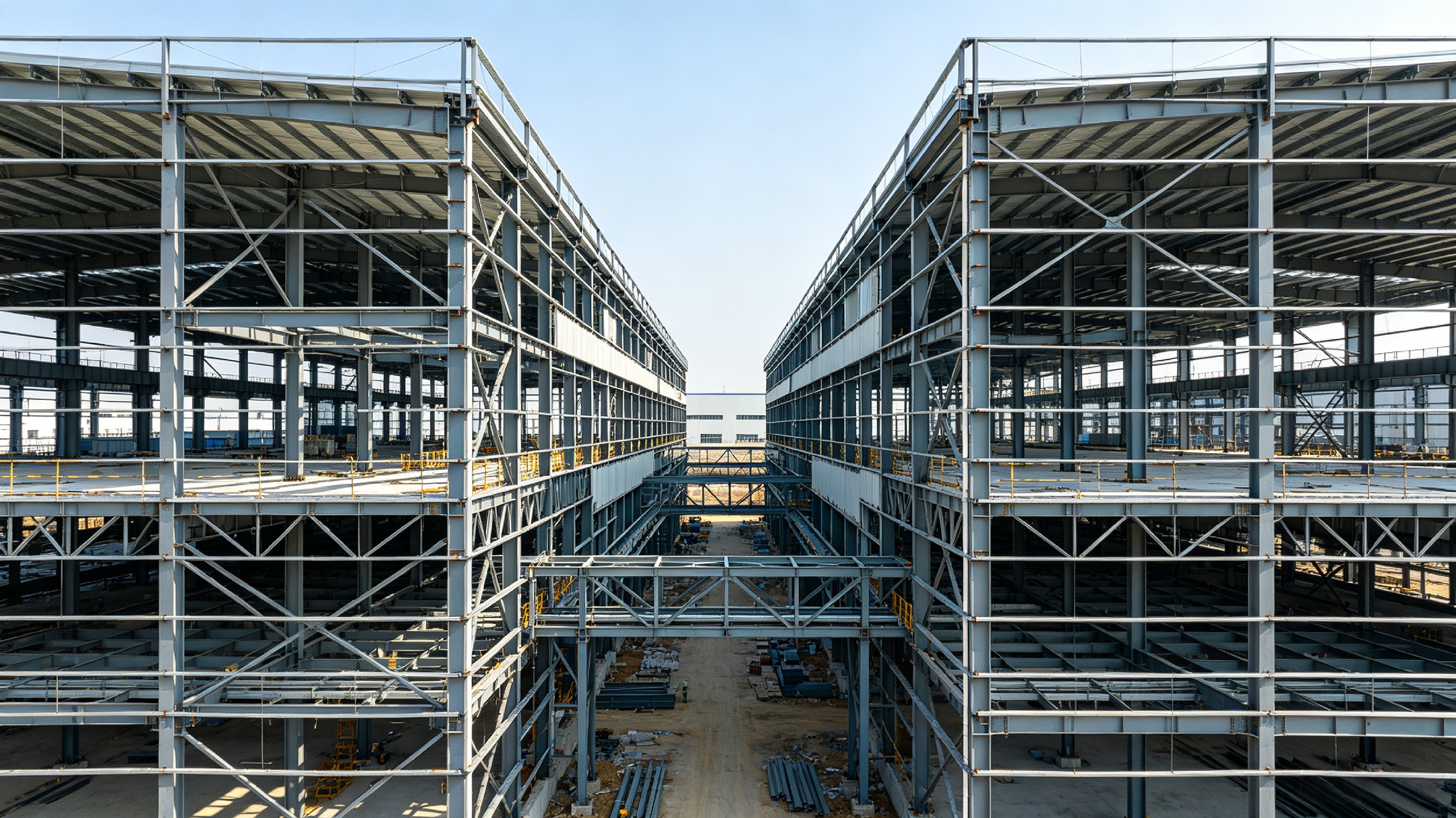
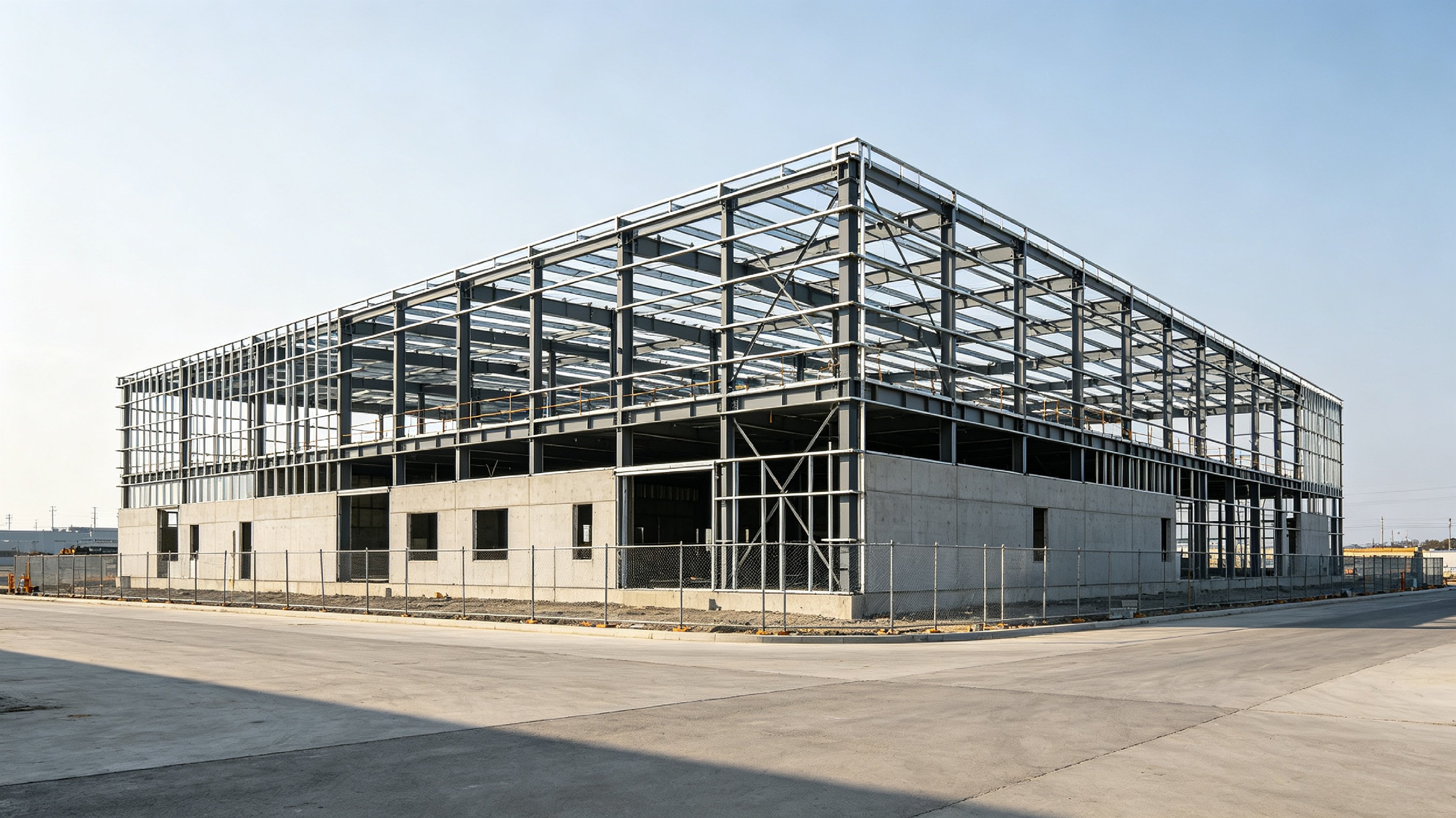
A steel construction warehouse  is a specialized facility designed for  efficient storage and management of goods, typically constructed with  a robust steel  frame and  high-performance  materials.  As  B2B buyers, particularly purchasing managers and engineers,  consider options for  steel  construction warehouses, key concerns often include  durability, cost-effectiveness, and customization to fit  specific  operational needs. This article will explore  the  various applications, specifications, installation  guidance, key  industrial uses, and valuable purchasing tips related to steel  construction  warehouses. For instance, the inclusion of a secondary steel structure can enhance the overall design and utility of these warehouses.

Why choose Xingyuanxing steel construction warehouse

Our Products

Understanding Steel Construction Warehouse Applications for Your Projects

Steel construction warehouses are versatile structures that serve multiple purposes across various industries.  They  are particularly well-suited for manufacturing, logistics,  retail, and  distribution sectors. These warehouses can function as storage spaces for raw materials, finished goods,  or as distribution centers that facilitate  the efficient movement of products.  Incorporating a roof system that is energy-efficient can also significantly improve the performance of these structures.

One of the primary advantages of steel construction warehouses is their scalability. Depending on your requirements, these  structures can be designed to accommodate a wide range of sizes and layouts, making them ideal  for companies  looking to expand their operations. Additionally, the  inherent strength of steel allows  for larger spans without the need for numerous supporting columns, maximizing  usable  floor space.

For projects requiring  environmental  sustainability, many steel  construction warehouses can incorporate energy-efficient designs and  materials, such as  insulated  panels and solar roofing options, which can significantly  reduce operational costs over time.  The choice of appropriate wall system can also play a key role in achieving these sustainability goals.

Frequently Asked Questions

Our Blog Posts

What Our Partners Say

Specifications for High-Quality Steel Construction Warehouse Solutions

Specifications for High-Quality Steel Construction Warehouse Solutions

When evaluating the specifications for steel construction warehouses, certain key factors should be considered:

Material Quality: The steel used  in construction must meet specific standards for tensile strength and corrosion  resistance.  Common grades  include  ASTM A36 for structural steel and galvanized steel for enhanced durability.

Dimensions: Dimensions should be tailored to your storage needs and site  conditions. Typical  clear heights may range from 25 to 40 feet, allowing for efficient utilization of vertical space.

Load-Bearing Capacity: Understanding  the load requirements for the warehouse is crucial.  The design should accommodate  both static loads  (like shelving and stored materials) and dynamic loads (like moving vehicles).

Thermal Performance: Insulation values (R-values) are critical to  maintaining temperature control. Insulated panels can help  manage heating and cooling costs, especially in climate-sensitive regions.

Building Codes and Regulations: Compliance with  local building codes is mandatory. Ensuring that your warehouse meets these regulations avoids costly modifications down the line.  Buyers should work  closely with manufacturers  to confirm that specifications align with their  unique needs and  operational requirements before finalizing  decisions.

Installation Guidance for Efficient Steel Construction Warehouses

Installation Guidance for Efficient Steel Construction Warehouses

Proper installation of a steel construction warehouse  is key to its longevity and functionality. Here are  essential steps to consider:

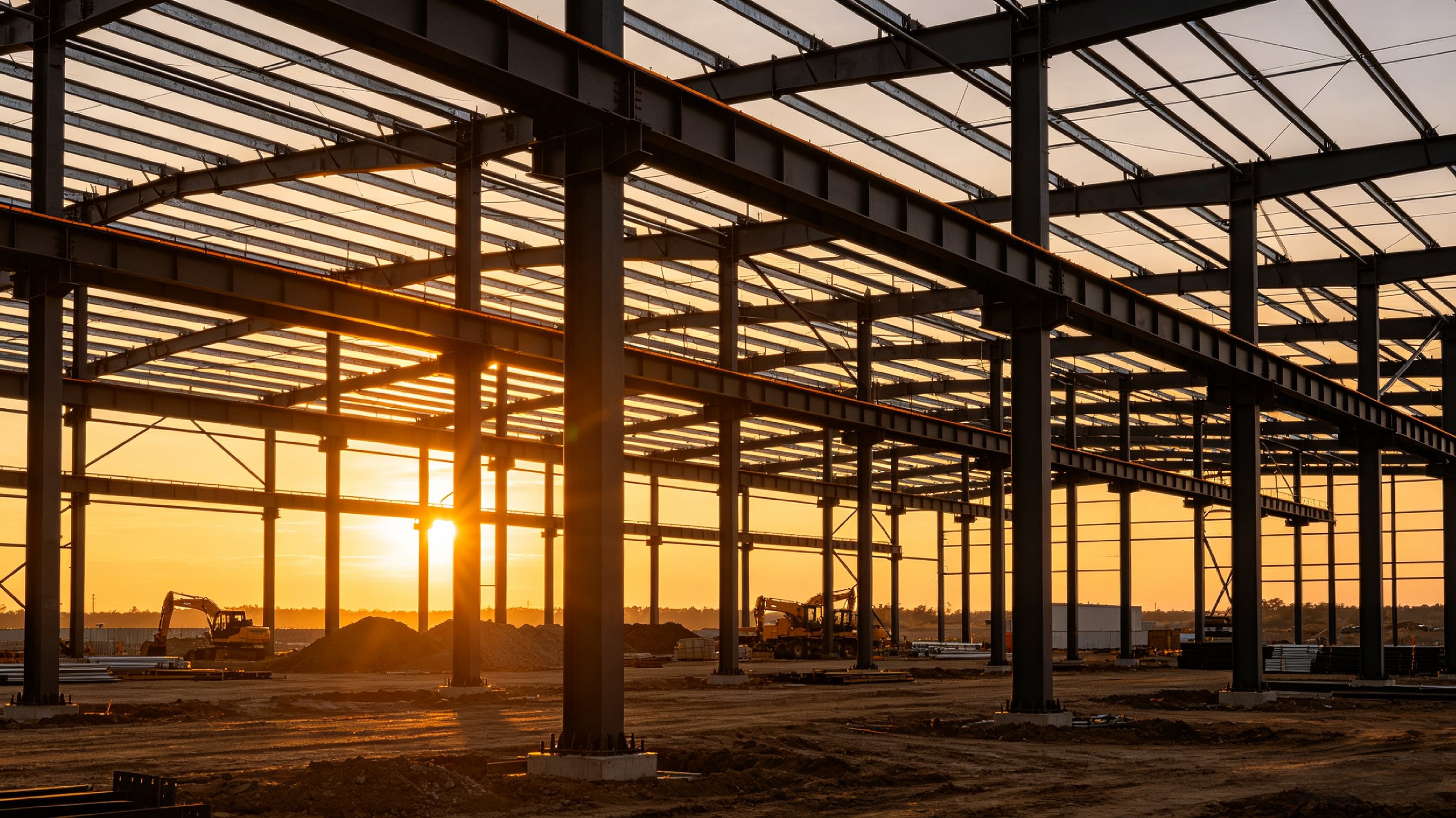
Site Preparation: A  solid foundation is vital.  Ensure that  the site is leveled and prepared according  to engineering  specifications. The foundation should be designed to support the weight  of the structure and  any potential loads.

Assembly Process:  Engage experienced  contractors familiar  with steel  structures. They should follow the manufacturer's assembly guidelines closely to prevent misalignment and ensure structural integrity.

Quality Control Checks: Implementing quality control measures throughout the installation  process can prevent future issues. Regular inspections of welds, connections,  and alignment are crucial.

Safety  Protocols: Safety measures should be in place throughout the  construction process. This includes proper training for workers  and adherence  to safety regulations to minimize accidents.

Final Inspection: Before the warehouse is operational, a  comprehensive final inspection should be conducted to assess the structure's integrity and compliance with specifications.

Key Applications of Steel Construction Warehouses in Industry

Key Applications of Steel Construction Warehouses in Industry

Steel construction warehouses are widely utilized across various industries due to their  adaptability and robust performance.  Here are some key applications:

Manufacturing: These warehouses  serve as essential storage areas for raw materials and finished goods, often incorporating specialized sections for machinery and  equipment.

Logistics  and Distribution: Companies in this sector  rely on steel warehouses for efficient inventory management, facilitating quick access to products and optimizing supply chain  operations.

Retail:  Retailers utilize  steel construction  warehouses for bulk storage, allowing for streamlined distribution to retail outlets and  reduced lead time for stock replenishment.

Agriculture: Steel  warehouses can be designed to accommodate agricultural products, providing secure storage solutions for  grains, machinery,  and  equipment.

Cold Storage: With proper insulation and refrigeration systems, steel construction warehouses can also function as cold storage  facilities, crucial  for industries dealing with perishable goods.

Each of these  applications requires a tailored design approach to ensure that the warehouse  meets specific operational  needs and safety standards.

Wholesale Purchasing Tips for Steel Construction Warehouse Buyers

When purchasing a steel construction warehouse,  B2B buyers should consider several factors to ensure they make the best decision:


Research  Suppliers: Look for  manufacturers with  a proven track record in steel construction. Evaluate their production capabilities, experience, and customer reviews.

Request Detailed Quotes: When requesting quotations, provide as much information as possible, including dimensions, material specifications, and  intended  use. This  helps suppliers deliver accurate pricing  and lead times.

Examine Customization Options:  Determine if the manufacturer provides customization options  to meet specific project requirements. Discuss potential design variations that may enhance functionality.

Lead Times: Inquire about lead times for production and delivery. This will  help you plan your project timeline effectively.

Quality Assurance: Ask about the manufacturer's  quality control processes.  Understanding  how they ensure material quality and construction standards can help mitigate potential issues.


Site Visits:  If feasible, visit existing projects completed by the supplier. This can provide insights into the quality of their work  and design  capabilities.


By following these tips, buyers can make informed decisions that align with their project goals and operational needs.