Choosing the Right Metal Warehouse for Your Needs

application/the-metal-warehouse, application/the-metal-warehouse, 
Inquiry
Inquiry

the metal warehouse

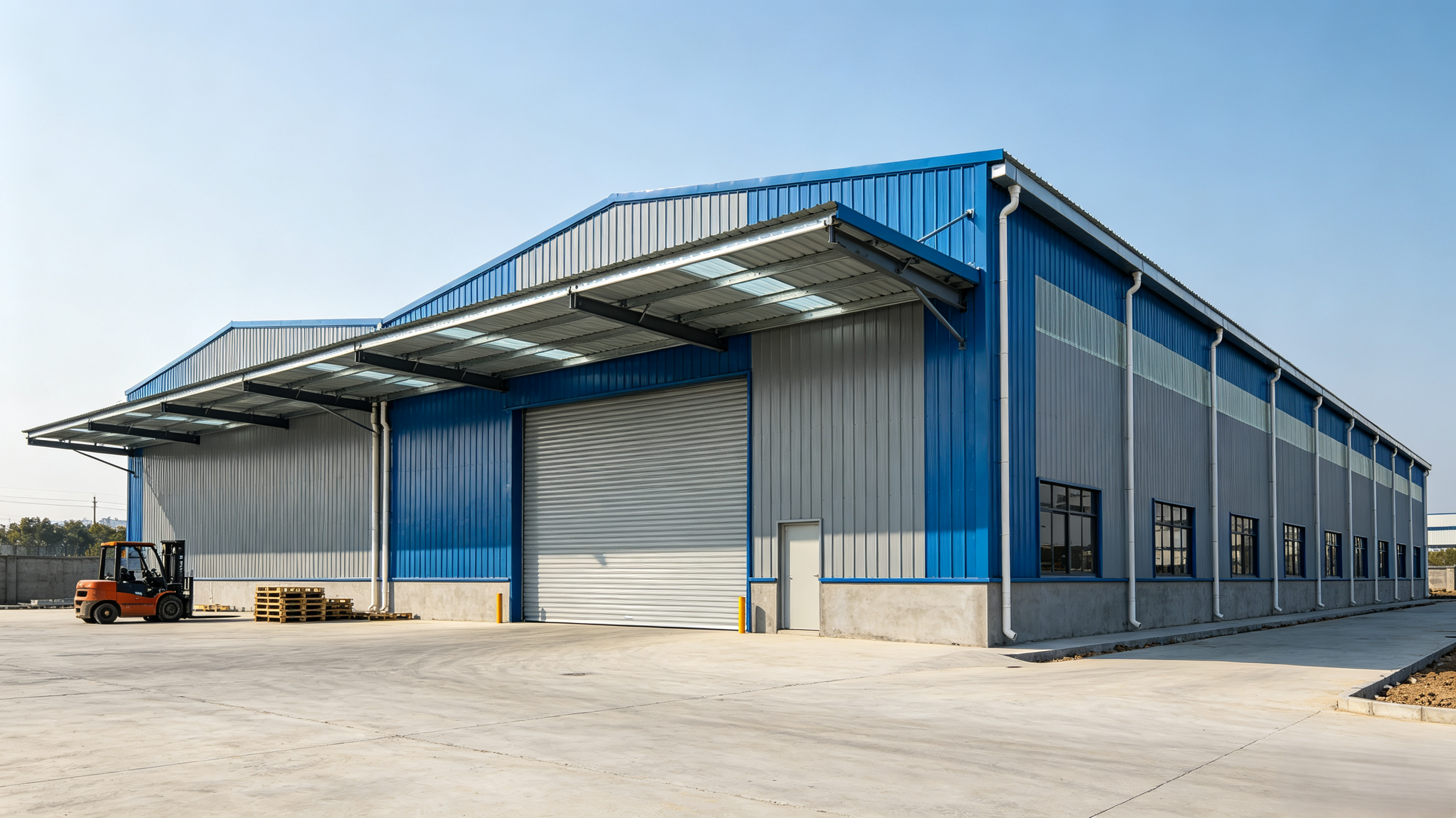
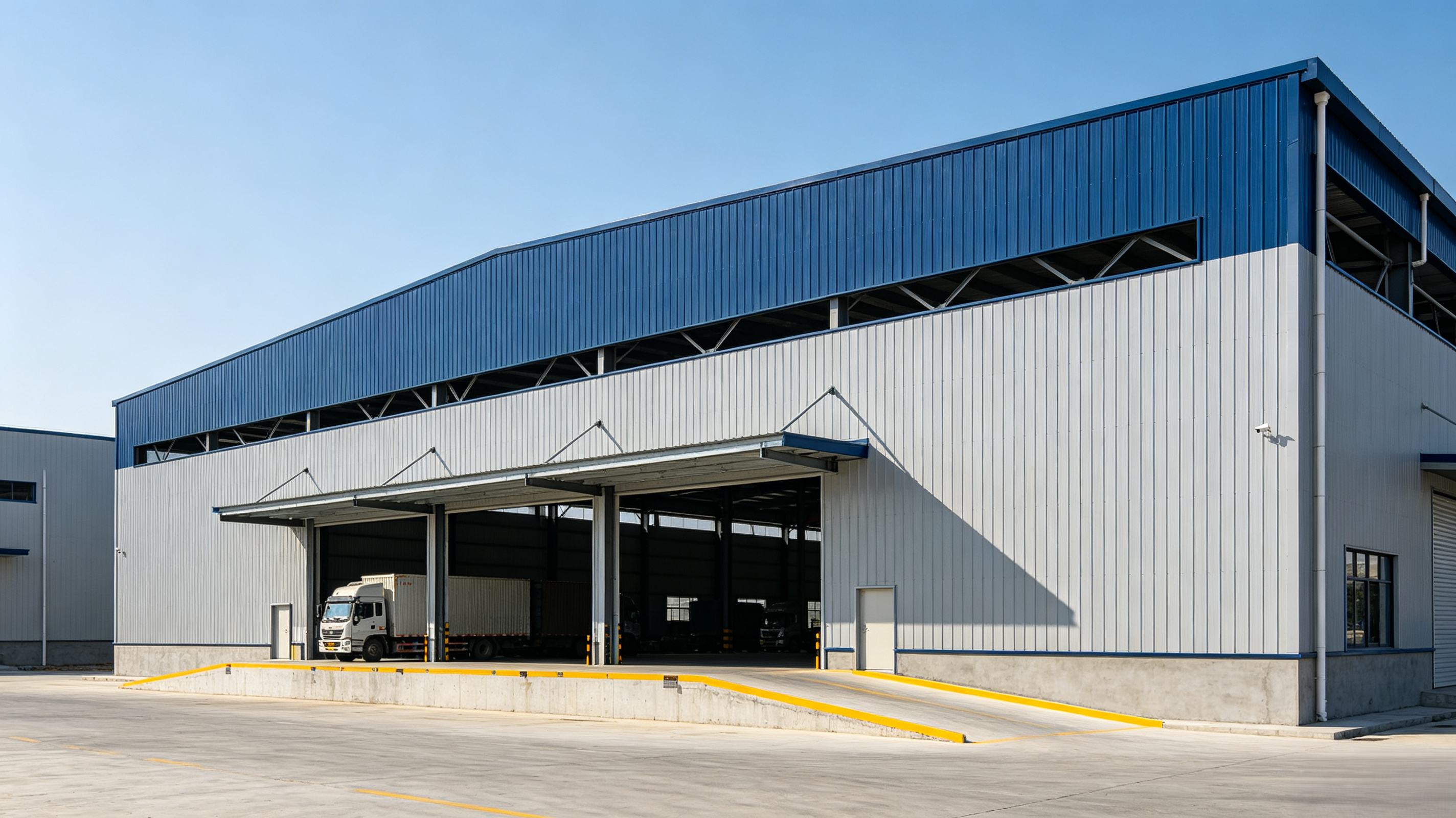
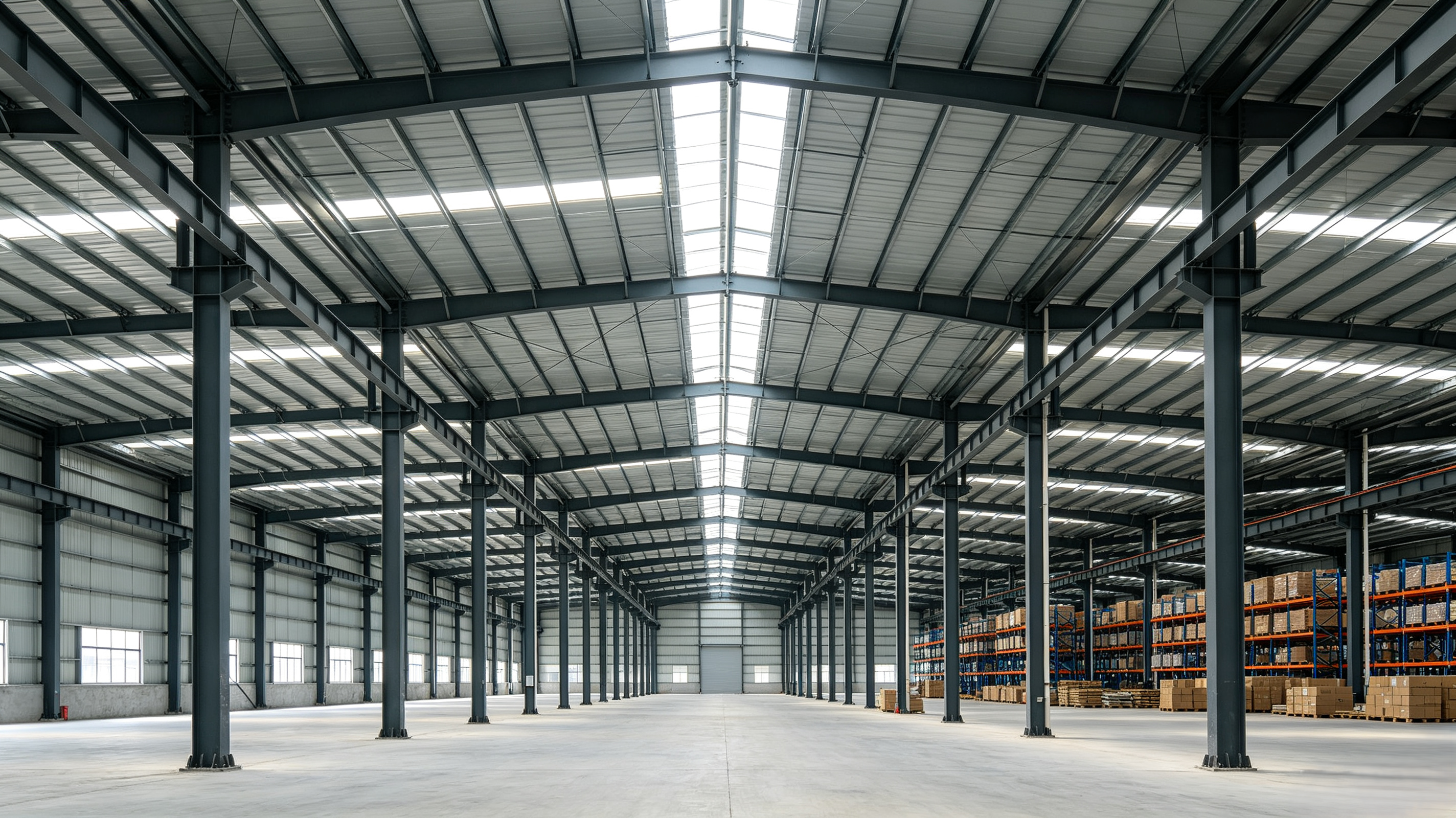
When  considering  the acquisition of a metal warehouse,  it’s essential to  understand the various  factors that influence your decision. A  metal warehouse  serves as a storage solution that not only maximizes  space but also enhances organization and  accessibility for your  inventory.  As  a  B2B buyer,  your main concerns may include  the durability of materials, the cost-effectiveness of bulk orders, and the efficiency  of the installation process. This article will guide you through the critical aspects of selecting the right metal warehouse, understanding  cost factors, installation guidance,  material advantages, and practical applications in  construction projects.


Why choose Xingyuanxing the metal warehouse

Our Products

Choosing the Right Metal Warehouse for Your Wholesale Needs

Selecting the right metal  warehouse involves evaluating your  specific storage  requirements, including the type and volume of materials you need  to store. Consider factors such as dimensions, weight capacity, and  structural integrity. Metal warehouses come in various configurations and materials, which can significantly impact their functionality and cost.

For instance, galvanized  steel structures offer excellent corrosion resistance, making them ideal for outdoor applications  or environments with high moisture. Alternatively, powder-coated steel can provide an additional  layer of protection while offering aesthetic flexibility.  When assessing potential suppliers, inquire about customization options  to ensure that your metal warehouse meets specific  operational needs,  such as shelving  configurations  or access points.

Additionally, understanding  your operational workflow is crucial.  A well-designed layout can enhance  accessibility and  streamline inventory management. Collaborating with a supplier  that has experience in designing metal warehouses can  help maximize your storage efficiency.


Frequently Asked Questions

Our Blog Posts

What Our Partners Say

Understanding the Cost Factors of Bulk Orders from Metal Warehouses

Understanding the Cost Factors of Bulk Orders from Metal Warehouses

When  considering  bulk orders from metal warehouses, it's essential to factor in the total cost of ownership, which extends beyond the initial purchase  price. Key cost considerations include material selection, manufacturing complexity, and transportation  expenses.

Material  choice is  pivotal;  for  example,  while aluminum may be  lighter and resistant to rust, it often comes at  a  higher price point compared to steel. Ensure that the material chosen aligns with your budget while meeting  performance  requirements. Additionally, the complexity of the design and any customization can affect  production time and costs.


Transportation also plays a significant role. Consider the logistics of shipping large metal components, as this can impact lead times and overall  costs. Request detailed quotations  from suppliers that break down  these costs, ensuring you understand the  pricing structure and any potential additional fees that may arise.

Installation Guidance for Products Sourced from Metal Warehouses

Installation Guidance for Products Sourced from Metal Warehouses

Proper installation is critical to the  longevity and performance of  your metal  warehouse. Before installation,  verify that all  components are present  and intact. It is advisable to conduct a thorough inspection of the  structural elements to ensure they meet the specified safety and quality standards.

Installation procedures  can vary based on the design  and  complexity of the warehouse. Typically, it involves assembling the frame, securing joints, and integrating any additional features such  as insulation  or shelving. Suppliers often provide installation manuals or can offer professional installation services.  If you  opt for  self-installation, ensure that your team  possesses the necessary skills  and tools to execute the project efficiently.

Furthermore, adhere to  local building codes  and regulations during installation to avoid compliance issues. Engaging with  a manufacturer experienced in metal structures can provide valuable insights and assistance throughout this process.

 
Exploring the Advantages of Various Metal Materials for Buyers

Exploring the Advantages of Various Metal Materials for Buyers

The choice of metal material  significantly influences the performance and application  of  your warehouse. Common materials include  steel, aluminum,  and galvanized options, each presenting distinct  advantages.

Steel is renowned for its strength and durability, making  it suitable for heavy-duty applications. It is also cost-effective and widely available. However, it  may require additional treatment to resist  corrosion,  especially  in humid  environments.

Aluminum, while generally lighter and resistant  to  rust, can be more expensive. Its properties make it a good  choice for applications where weight is a concern,  such as in mobile units or areas with  weight restrictions.


Galvanized steel combines the strength of steel with a protective zinc coating that enhances its resistance to corrosion. This makes it ideal for  outdoor storage solutions or areas exposed to harsh weather conditions. When selecting a material, consider the environmental conditions,  expected load, and specific application requirements to ensure optimal performance.

Best Applications for Metal Products in Construction Projects

Metal  warehouses are versatile structures that can be applied in various construction contexts. They  serve as  storage for construction materials, tools, and equipment, ensuring that essentials are readily available and organized on-site. This enhances workflow  efficiency and  minimizes delays due to material shortages.

Additionally, metal warehouses can be  adapted for use as temporary or permanent job sites, providing  shelter for workers and protecting materials from  the elements. Their robust design allows them to withstand harsh conditions, making them  suitable  for both urban and remote construction sites.

In  industrial settings, metal warehouses are often utilized for inventory management and processing  operations. Their modular designs allow for easy expansion and reconfiguration as  business needs evolve. By understanding the specific applications within your industry, you can more effectively leverage the advantages  of metal products to improve operational  efficiency and reduce  downtime.

In summary, when selecting a metal warehouse, it’s crucial to consider  the specific  needs of your operation, including material choice, cost factors, and installation requirements. Understanding these elements will enable you  to make informed decisions that optimize your investment and streamline  your storage solutions.