Choosing the Right Metal Warehouse for Your Needs

application/metal-warehouse, application/metal-warehouse, 
Inquiry
Inquiry

metal warehouse

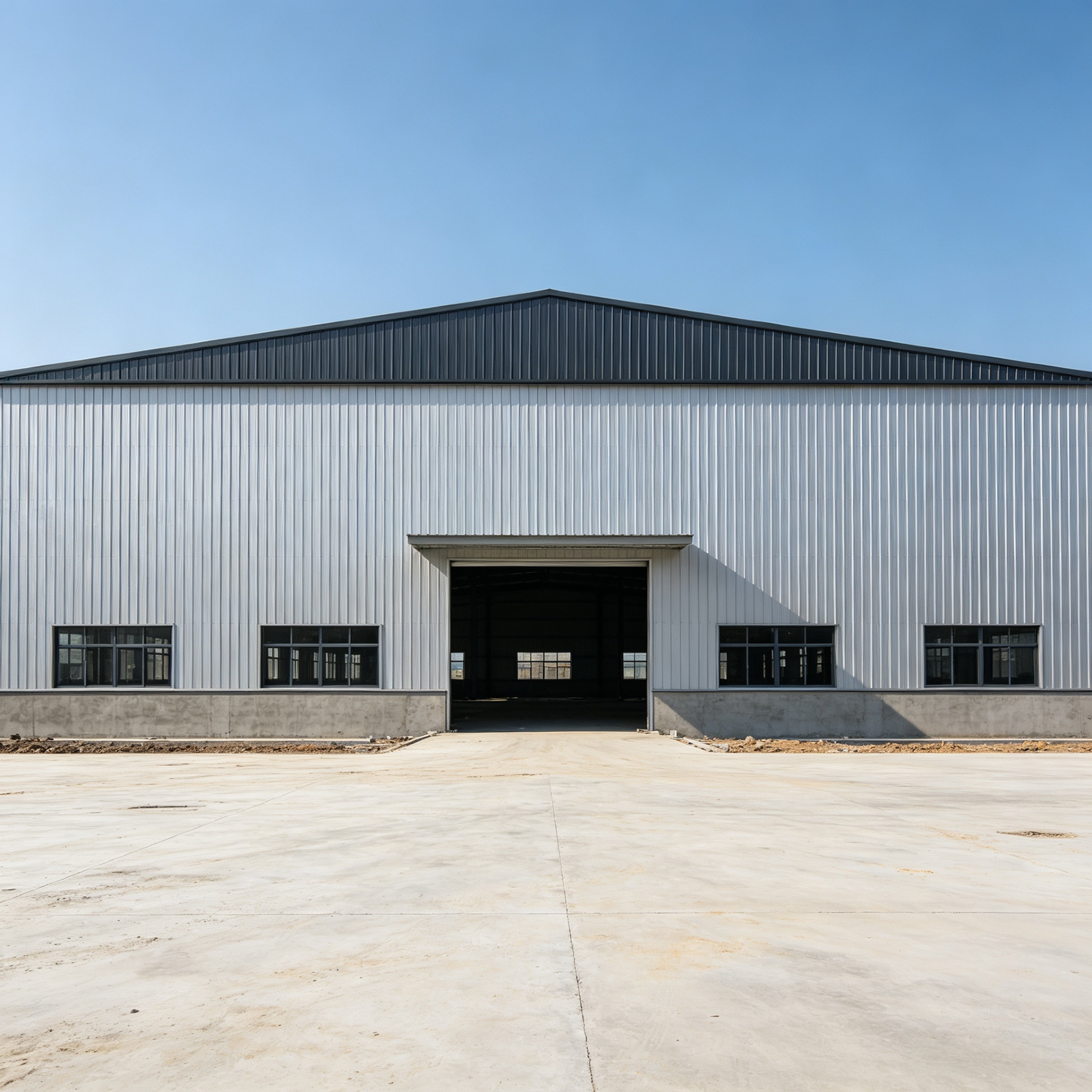
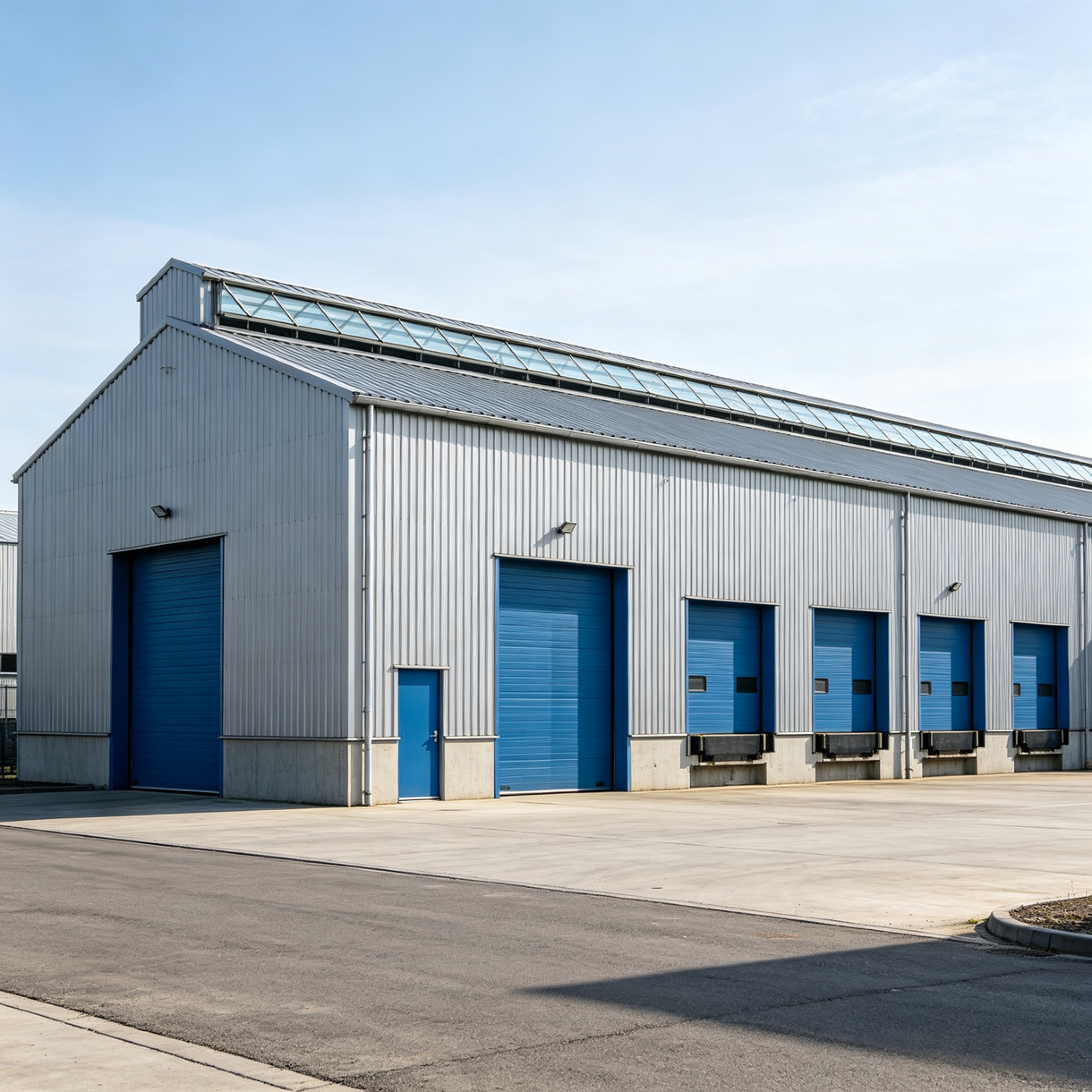
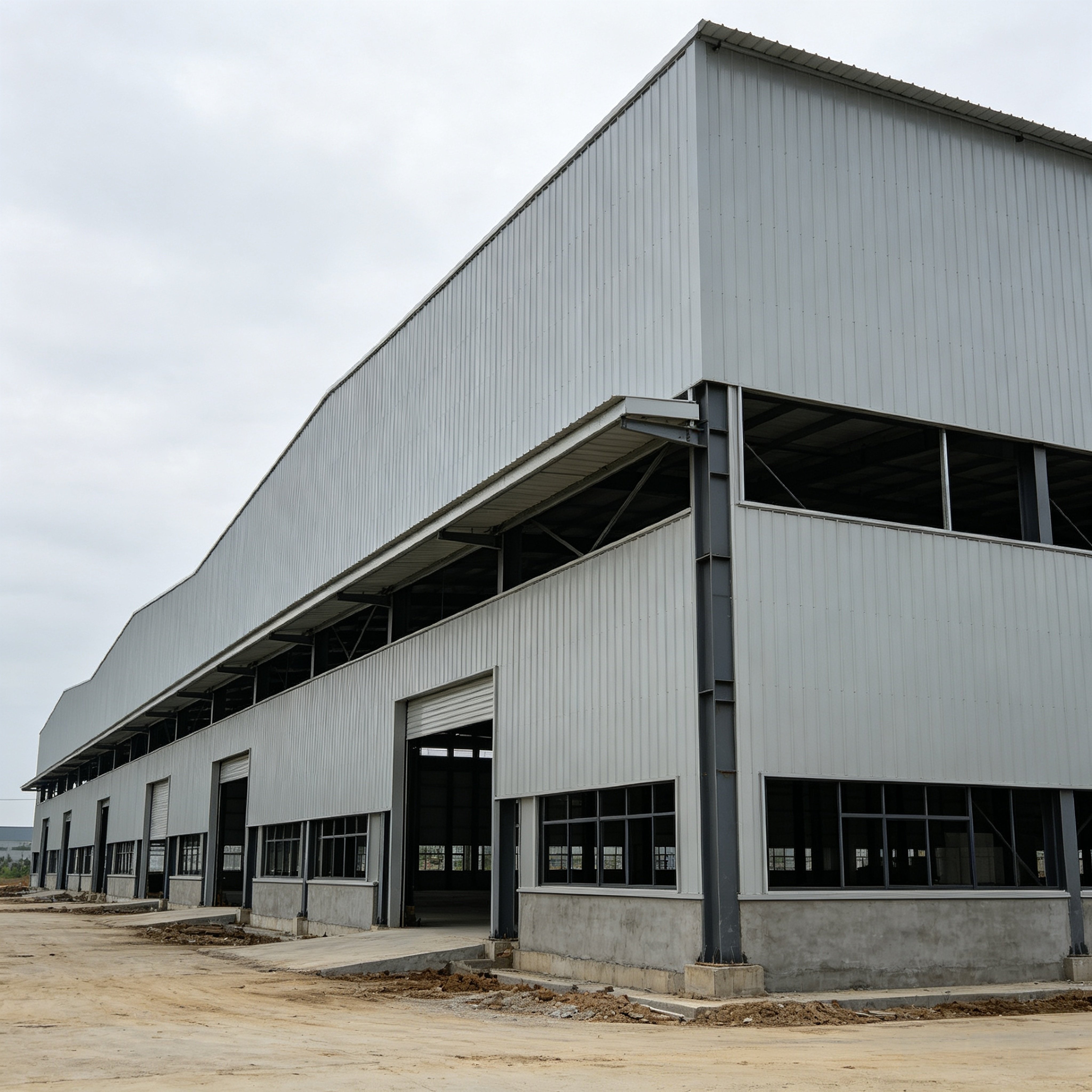
Metal  warehouses  are specialized  storage structures designed  to  accommodate bulk materials, equipment, and  goods efficiently. For B2B buyers,  this often involves concerns about the  warehouse's durability, capacity, and  the overall  cost  of  ownership. This article will cover critical aspects of  selecting metal warehouses,  including supplier  evaluation, cost factors, common  issues,  and the diverse applications of metal warehouses  across  various  industries.

Why choose Xingyuanxing metal warehouse

Our Products

Comparing Metal Warehouse Options for Bulk Purchasing

When  considering metal warehouses for bulk purchasing, it's essential to evaluate different options based on specific criteria. Start by  assessing the warehouse's dimensions,  load-bearing capacity,  and material specifications. Common materials include  galvanized  steel, which offers corrosion resistance and durability, and pre-painted  steel, which provides aesthetic benefits and additional protection.

Buyers should also consider customization  options,  such as the ability  to modify the layout or add features like insulation and ventilation. The choice between modular and traditional designs can  significantly impact cost and installation time,  with modular options often  providing quicker setup and lower labor costs. Additionally, the choice of Secondary steel structure can affect overall design flexibility.

Additionally, the manufacturer’s production capabilities and lead times are vital. A supplier  with a robust manufacturing process can  typically deliver customized solutions more efficiently, reducing the time between order and installation. Finally, check the company’s reputation  for quality and service  in the industry, as this can  affect your long-term satisfaction with the warehouse.

Frequently Asked Questions

Our Blog Posts

What Our Partners Say

How to Evaluate Metal Warehouse Suppliers Effectively

How to Evaluate Metal Warehouse Suppliers Effectively

Evaluating metal warehouse suppliers requires a systematic approach to ensure you partner with a  reputable manufacturer. Start by reviewing their experience in the industry, particularly in your  specific market region. Tianjin  Xingyuanxing Color Steel  Structure Co., Ltd., for example, has over ten  years  of experience in the Beijing-Tianjin-Hebei area, underscoring  their familiarity  with local standards and practices.

Next, assess the supplier's  quality control processes. Inquire about their  certifications, production methods, and how they manage defects  or customer complaints. A reliable supplier should provide clear documentation of their quality assurance practices.

It’s also  advisable to request references or case  studies from previous clients. This feedback can provide insights into  the supplier’s capabilities and customer service. Finally,  ensure the supplier can  meet  your customization needs, as flexibility in  design and features can be crucial for  meeting specific operational requirements.

Understanding the Cost Factors for Metal Warehouse Purchases

Understanding the Cost Factors for Metal Warehouse Purchases

Several cost  factors influence the  pricing  of metal warehouses, and understanding these can help buyers make  informed decisions. Key elements include  the choice of materials, size, and design  complexity. For instance, warehouses constructed from high-grade steel may have a higher initial cost but offer  better long-term durability and lower  maintenance expenses.

Transportation and installation costs also play a significant role. Consider whether the supplier includes these in their quotes or if  they  are additional expenses. Additionally, assess any required site preparation or foundation  work that may impact overall costs.

Another factor is the volume  of the order. Many suppliers, including  those like Tianjin Xingyuanxing, may offer  discounts for bulk purchases or repeat orders. Understanding  your minimum order  quantity (MOQ) and its relation to pricing is essential. By working closely with the  supplier to clarify all cost  components, buyers can avoid unexpected  expenses and ensure  budget compliance.

Common Problems with Metal Warehouses and Their Solutions

Common Problems with Metal Warehouses and Their Solutions

While metal warehouses are generally robust, they can  experience several  common issues. Rust and corrosion are  prevalent  concerns, especially  in  harsh environments. To mitigate this, choose  warehouses constructed  with galvanized steel or those with protective coatings. Regular maintenance checks can also help identify and address potential problems before they escalate.

Another issue  is structural  integrity, particularly if the warehouse is subjected to unexpected loads or environmental  conditions.  Ensure that your warehouse  is designed to meet local building codes and  can accommodate the  specific load requirements of your operations. Consulting with a structural engineer during the design  phase can  help prevent future complications.

Lastly, improper installation can  lead to alignment and accessibility issues. Engaging experienced professionals for the installation process is critical. A  reputable supplier should provide support throughout the installation phase to ensure that the warehouse meets all operational  needs.

Applications of Metal Warehouses in Various Industries

Metal warehouses serve a diverse range of industries,  each with  unique requirements. In the construction sector, they are used for storing  materials like  steel beams, concrete blocks, and heavy machinery. Their durability and weather resistance make them suitable for outdoor storage.  The inclusion of a well-designed Roof system can enhance the functionality of these warehouses.

In logistics and distribution, metal warehouses provide efficient storage solutions for inventory management. Their customizable designs allow  for optimal organization  and easy access  to goods, essential for quick turnaround times.

Manufacturing industries also  benefit from metal warehouses, using them for raw material storage and as assembly areas. The ability to create modular spaces allows manufacturers to adapt the  warehouse  layout according to production  needs.

In agriculture,  metal warehouses can serve  as storage for equipment and supplies,  protecting them from the elements  and ensuring they remain in good working condition. The versatility of metal warehouses makes them an ideal solution across multiple  sectors, promoting efficient operation and cost-effectiveness.

Understanding the intricacies of metal warehouses, from  selection to  supplier evaluation and cost  considerations, empowers B2B buyers to make informed decisions. By leveraging the experience and expertise of established manufacturers like Tianjin Xingyuanxing Color Steel Structure Co., Ltd., buyers can secure a warehouse solution that meets  their operational needs effectively.