Choosing Factory Steel Buildings for Your Needs

application/factory-steel-buildings, application/factory-steel-buildings, 
Inquiry
Inquiry

factory steel buildings

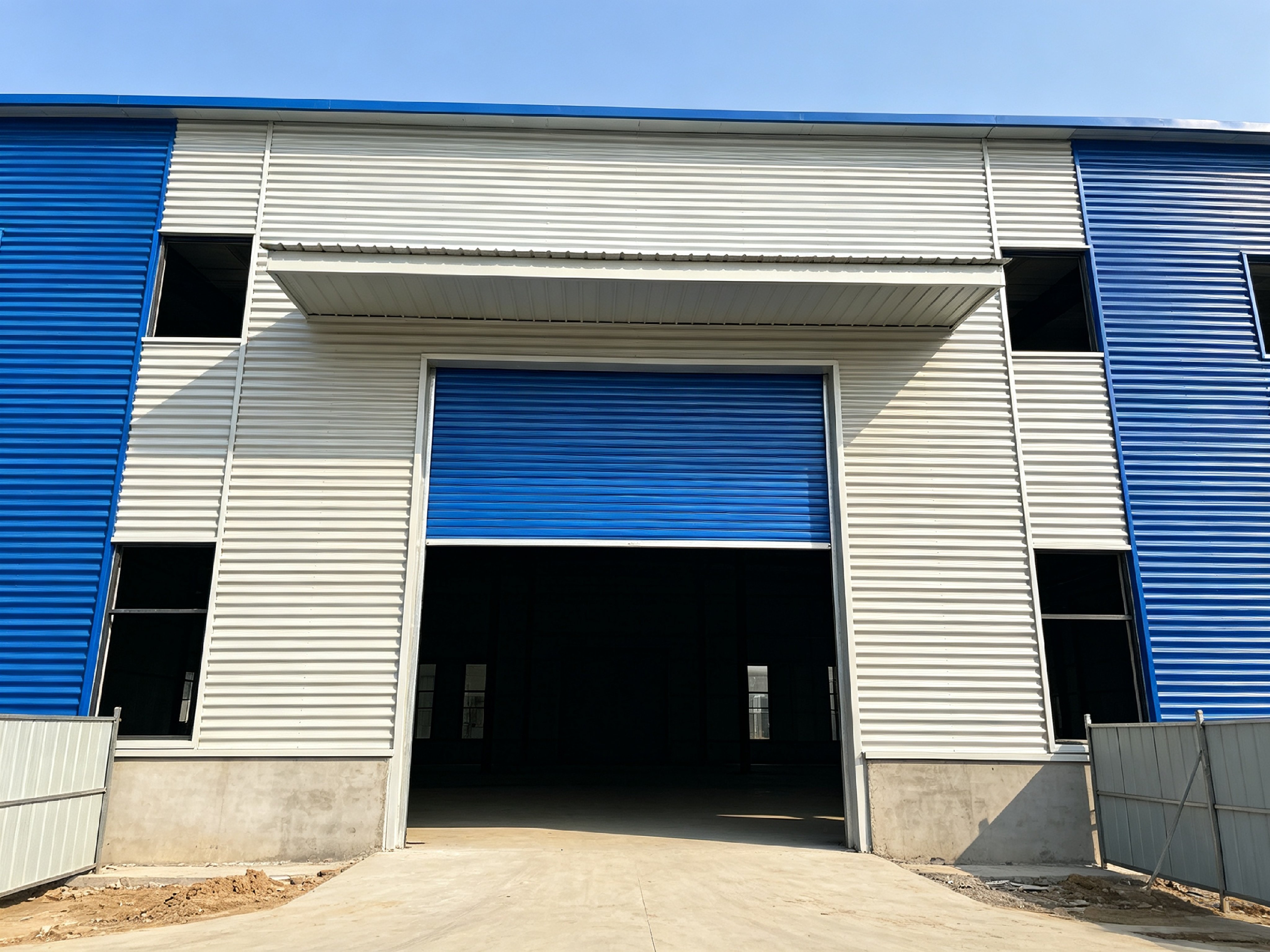
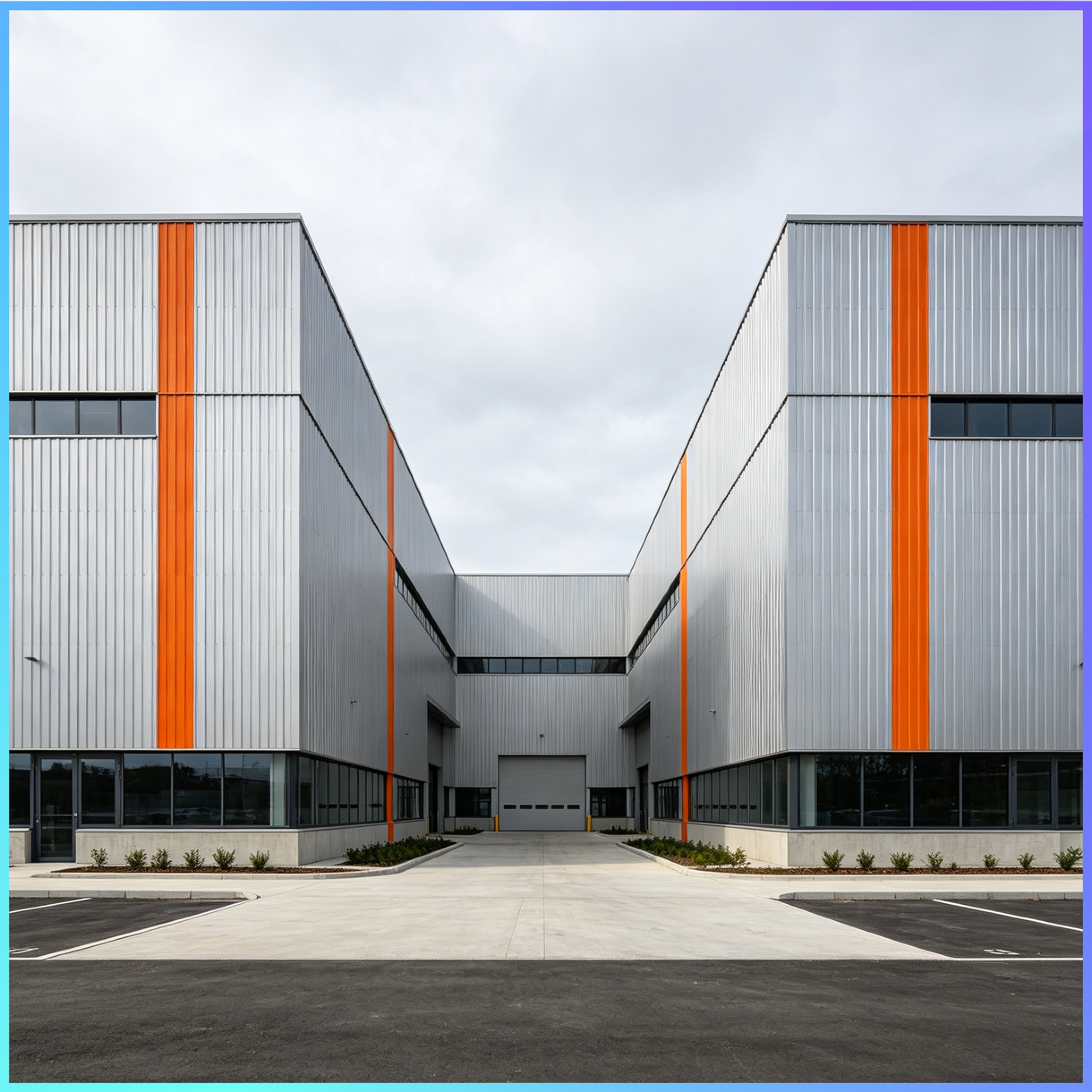
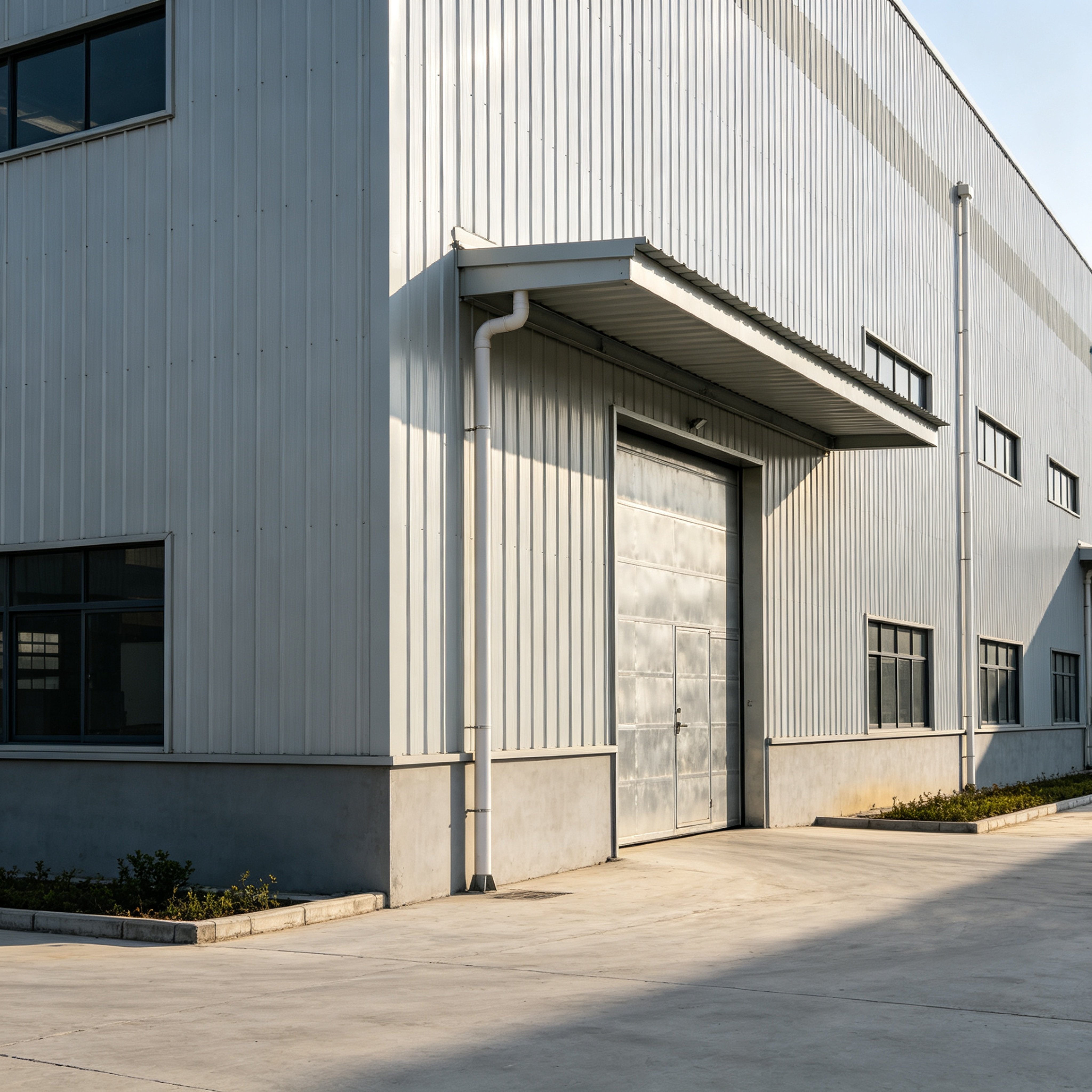
Factory  steel buildings  are  engineered structures designed for  various industrial applications,  offering  durability  and  efficiency in construction. B2B  buyers often seek solutions that balance  cost, quality, and functionality while addressing specific  operational needs. This article will delve into essential  considerations  when selecting factory  steel  buildings,  reliable suppliers, cost  factors, common issues, and diverse applications,  providing  you with the insights necessary for informed  purchasing decisions.

Why choose Xingyuanxing factory steel buildings

Our Products

How to Choose the Right Factory Steel Buildings for Your Project

When selecting a factory steel building, several critical factors should be considered. First,  assess the  intended use of the structure. Will it serve as a manufacturing facility, warehouse, or a  combination of both? This will influence the required specifications such  as size, layout, and  load-bearing  capacity. 

Next, evaluate the material specifications. Most factory steel buildings are made  from high-strength steel, which  offers considerable benefits such as  resistance to corrosion and longevity. It’s essential to verify the steel grade and gauge used  in the construction, as these factors directly impact the  building's structural integrity and maintenance requirements. For instance, options like Hot-Dip Galvanized I-beam Profiles 10# For Humid Industrial Workshops can enhance durability.

Additionally, consider customization options. Many manufacturers, like Tianjin Xingyuanxing Color Steel Structure Co., Ltd., offer tailored solutions  that can accommodate specific  operational needs. Ensure  you discuss with your  supplier  the possibility of incorporating features such as insulation, doors, windows,  and additional structural supports for equipment  or storage.  Furthermore, solutions like Galvanized Several-Shaped Steel Profiles 50*70mm For Greenhouse Frames can also provide unique structural advantages.

Lastly, verify compliance with local building codes and regulations. This is crucial to avoid costly delays or modifications  during the construction process.

Frequently Asked Questions

Our Blog Posts

What Our Partners Say

Where to Find Reliable Suppliers of Factory Steel Buildings

Where to Find Reliable Suppliers of Factory Steel Buildings

Finding a reliable supplier for  factory steel buildings involves  thorough research and evaluation.  Start by seeking manufacturers with a solid  track record in the industry. Companies with  extensive experience, like Tianjin Xingyuanxing Color Steel Structure Co., Ltd., often  have a portfolio showcasing previous  projects,  which can provide  insight into their capabilities  and  quality standards.

Online directories and industry trade  shows can be valuable resources for finding potential suppliers. Look for manufacturers who exhibit their products and have testimonials from previous clients. Engaging in industry forums  or networking groups can also yield recommendations from peers who have firsthand experience with various suppliers.

Once you identify potential suppliers,  request  quotes and  detailed specifications. Evaluate their  production capabilities, turnaround times, and  customer  service  responsiveness. A trustworthy supplier should be willing to provide references and detailed information about their quality control processes.

Understanding the Cost Factors for Factory Steel Buildings

Understanding the Cost Factors for Factory Steel Buildings

The cost of factory steel buildings can vary significantly based on several factors. First,  the  size and complexity of the design will directly influence the overall  price. Larger structures with complex layouts will generally require more materials and  labor, resulting in higher costs.

Materials  play a significant role in pricing as well.  The gauge of steel, additional treatments (such as galvanization for corrosion resistance),  and insulation options can all affect  the final cost. It’s advisable to discuss  these specifications in detail with your supplier to understand how  each  choice impacts  the budget. For example, using No-Concrete Galvanized Steel Floor Deck Q235B For Rapid Mezzanine Construction can be a cost-effective solution.

Labor costs can also vary based on location and the  complexity  of the installation process. In regions with skilled labor  shortages, you  may encounter higher installation  costs.

Lastly, consider the long-term operational costs associated with the building,  such as maintenance, energy efficiency, and potential expansion needs. These factors can  significantly influence the overall investment in  a factory steel building.

Common Problems with Factory Steel Buildings and Their Solutions

Common Problems with Factory Steel Buildings and Their Solutions

While factory steel  buildings are designed for  durability, several common issues can arise during their lifespan. One prevalent problem is corrosion, especially  in environments with  high  humidity  or exposure to harsh chemicals. To mitigate this, select high-quality steel with appropriate protective coatings and ensure regular maintenance checks.

Another issue  is structural integrity related to poor  design or incorrect  installation. It’s crucial to work with experienced manufacturers  and installers who  understand the engineering requirements for your  specific application. Always request a detailed installation manual and  ensure that the construction adheres to the outlined specifications.  Buyers should also be aware of potential issues with insulation and energy efficiency. Inadequate insulation can lead to increased heating and cooling costs.  Discuss insulation options with your supplier to  find  solutions that meet both thermal performance and budget considerations.

Lastly, ensure that your building is designed for  flexibility. Industries  often experience changes in operational needs, and a building that can adapt  to these changes will save costs in the long run.

Applications of Factory Steel Buildings in Various Industries

Factory  steel buildings offer versatile applications across  numerous industries. In manufacturing, they are commonly used for production facilities, assembly plants, and warehouses. Their strong structural properties allow them to accommodate heavy machinery and large inventories.

In the  agricultural sector, steel buildings are often utilized for storage, processing facilities, and even livestock housing. Their  durability and low maintenance requirements  make them an ideal choice for farms that require  reliable structures.

Retail businesses may also benefit from factory  steel buildings, particularly for distribution centers and showrooms. The customizable nature of  these buildings enables retailers to design spaces that align with their brand image and operational needs.

Additionally, the energy sector utilizes factory steel buildings for  maintenance facilities and operational hubs due to their capacity to withstand harsh conditions. 

By understanding the diverse applications  of factory  steel buildings, you  can identify how they can best serve your industry needs and  contribute to operational  efficiency.

Investing in  factory  steel buildings requires careful consideration of various factors  such as design, materials, and supplier  reliability. By leveraging the insights, you can navigate the decision-making process effectively and choose a solution that aligns with your operational objectives.