Choosing the Right Industrial Factory Building Supplier

application/industrial-factory-building, application/industrial-factory-building, 
Inquiry
Inquiry

industrial factory building

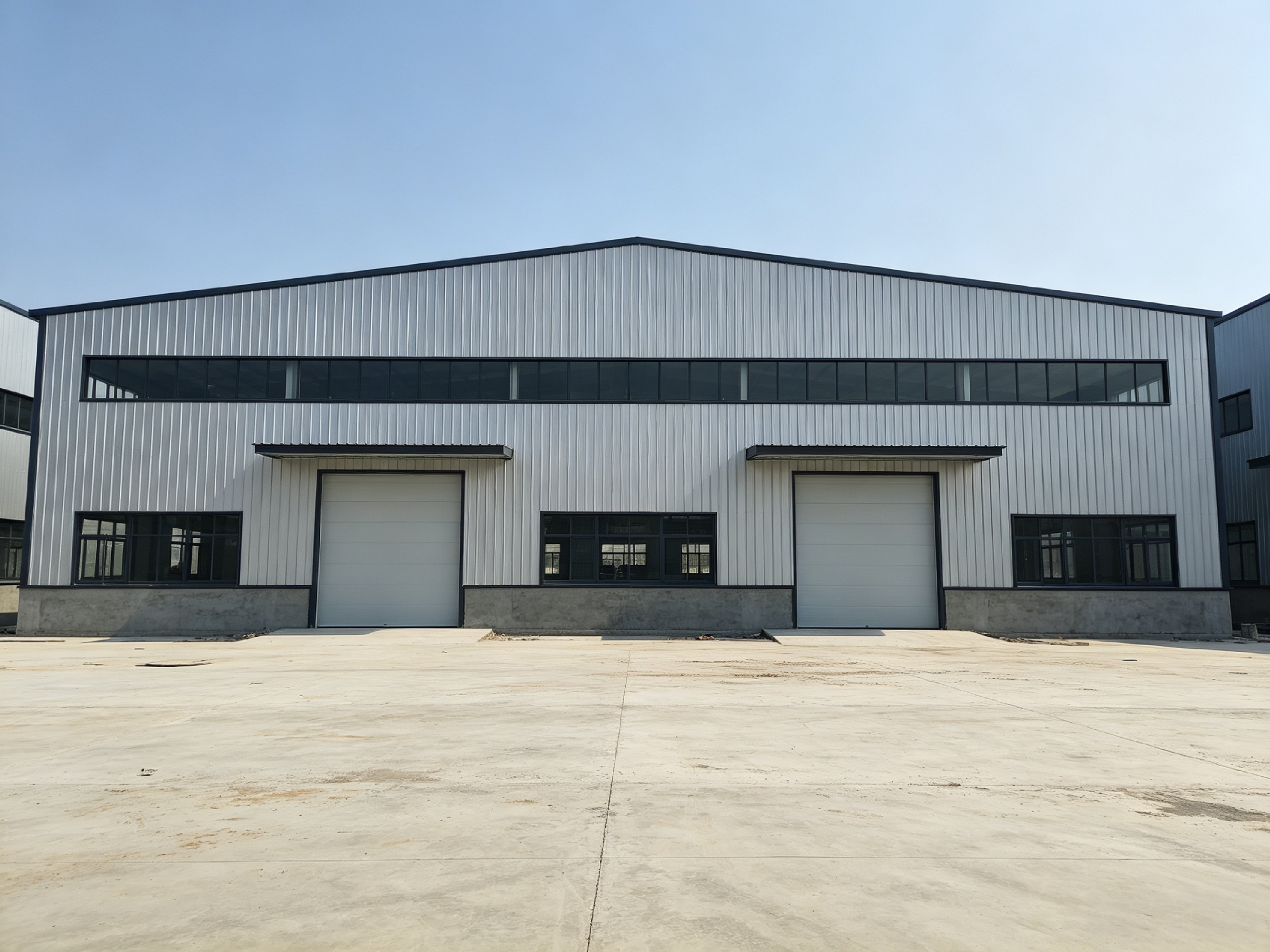
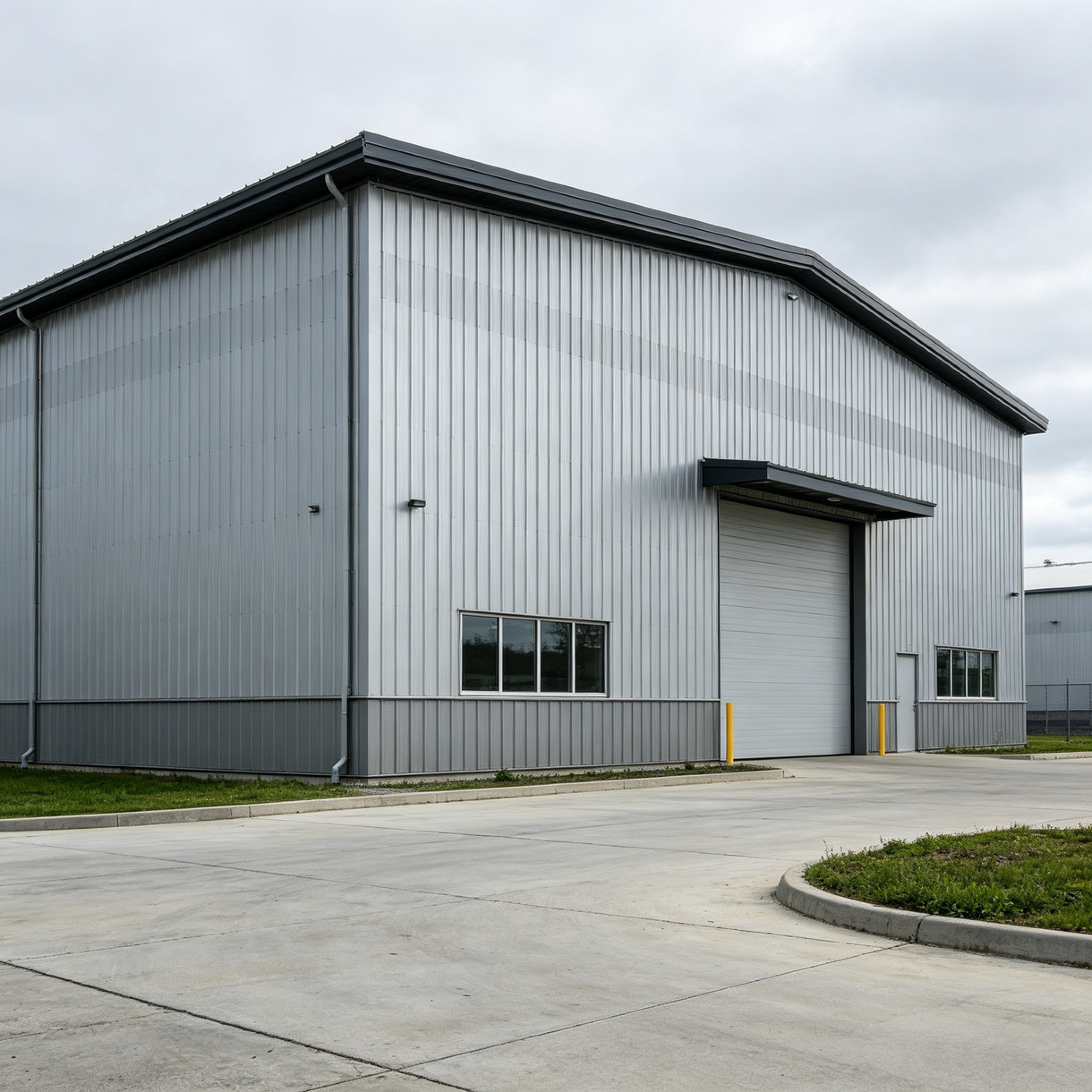
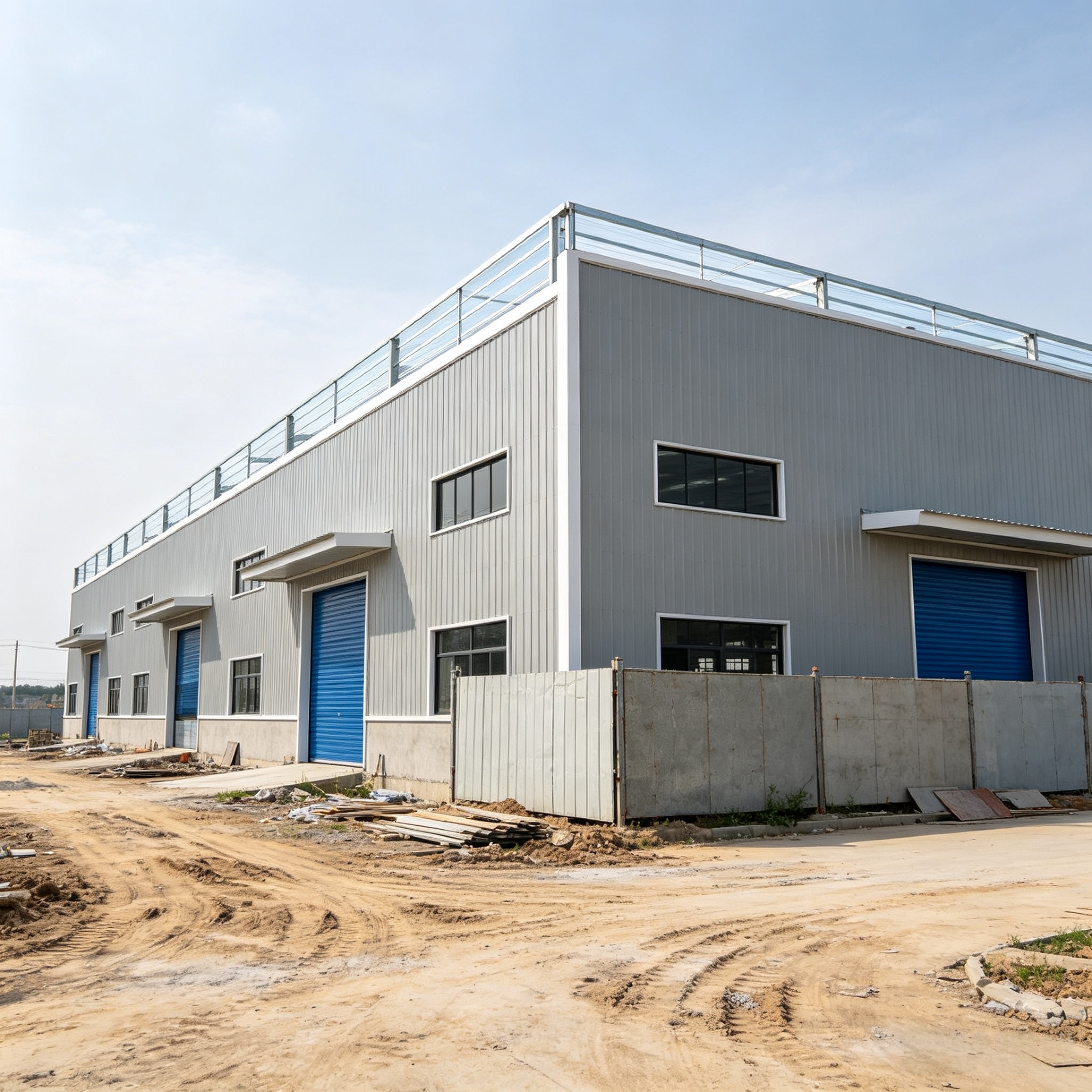
When selecting an industrial factory building, the choice of supplier is  critical for  ensuring  quality,  efficiency, and  cost-effectiveness. Industrial factory buildings are essential structures  for  manufacturing and  production activities, and the  right supplier  can significantly influence project  success. This article  will  guide  you through key considerations when choosing a  supplier for industrial factory buildings, evaluating component  quality, understanding specifications for durable  color steel structures,  sourcing reliable materials,  and comparing different  suppliers effectively.

Why choose Xingyuanxing industrial factory building

Our Products

What to Consider When Choosing an Industrial Factory Building Supplier

When selecting a supplier  for your  industrial factory building, several factors are crucial  to ensure that  you receive a  product that meets your specific requirements. First, consider the supplier's experience in the industry. A  supplier like Tianjin Xingyuanxing Color Steel Structure Co., Ltd., with 10 years  of experience in the Beijing-Tianjin-Hebei region, typically offers insights into local regulations, design standards,  and  construction practices that can be beneficial for your project. Utilizing high-quality materials such as Galvanized Several-Shaped Steel Profiles 50*70mm For Greenhouse Frames can further enhance the durability of your building.

Next, evaluate the  supplier's manufacturing capabilities. This includes their production  equipment, technology, and processes. A supplier  with advanced fabrication capabilities can provide higher precision and quality in steel structure components, which is integral to the overall durability of  your building.

Additionally, consider the supplier's quality control processes. Look for certifications or quality assurance measures that  demonstrate  their commitment to maintaining high standards throughout the manufacturing process. This can  help mitigate risks  associated with structural integrity and compliance with safety regulations.

Lastly, assess the supplier's  ability to customize solutions based on your specific needs. A flexible supplier can accommodate various specifications, design modifications, and timelines, which is vital in  today’s dynamic  manufacturing environment.

Frequently Asked Questions

Our Blog Posts

What Our Partners Say

How to Evaluate the Quality of Steel Structure Components

How to Evaluate the Quality of Steel Structure Components

Evaluating  the quality of steel structure components is essential to ensure that your industrial factory building will withstand operational demands. Start by examining the material specifications, including the type of steel, thickness, and grade. The steel  should meet relevant industry standards, such  as ASTM or ISO  certifications, which indicate its suitability for construction.

Conduct visual inspections of  the  components to check for manufacturing defects such as rust, weld quality, and dimensional accuracy.  Poorly welded joints can lead to  structural weaknesses, so ensuring that welds  are performed to high standards is critical.

Additionally, inquire about the supplier's quality assurance  processes. A reputable supplier will have  rigorous testing protocols in place, including tensile strength  tests and fatigue tests, to confirm that components can handle expected loads and conditions. The use of High Tensile Strength Steel Tie Rod Q235B Carbon Structural Steel For Steel can further ensure the stability of your structure.

Lastly, consider requesting test reports or  independent certifications from third-party laboratories  to validate the quality  of  the steel structure components. This due diligence will help ensure that the materials used in  your factory building are  reliable  and  robust.

Specifications for Durable Color Steel Structures in Manufacturing

Specifications for Durable Color Steel Structures in Manufacturing

Color steel structures are increasingly popular  in industrial applications due to their aesthetic appeal and durability. When specifying a  color steel  structure, pay attention to key parameters such as coating thickness, corrosion  resistance, and  insulation properties.

The coating thickness  is vital  as it affects the longevity of the color finish. A minimum of 25 microns is typically recommended for outdoor applications  to withstand environmental factors. Additionally, consider the type of coating—polyester, silicon-modified polyester, or PVDF—which can influence both the durability and appearance  of the structure.

Corrosion resistance  is  another critical factor. Ensure that the steel has adequate galvanization or protective  treatments to prevent  rust, especially  in areas  where moisture exposure is high.

Insulation properties should also be specified based on your manufacturing environment.  Insulated panels can help regulate internal temperatures, reduce energy  costs, and improve  overall working conditions.

Lastly, structural dimensions, load-bearing capacities, and compliance with local building codes should be confirmed before finalizing specifications. This attention to detail  will  ensure that the color steel structure meets your operational requirements effectively.

Where to Source Reliable Steel Structure Materials for Your Projects

Where to Source Reliable Steel Structure Materials for Your Projects

Sourcing reliable steel structure materials is  fundamental for the success of your industrial factory  building project. Begin by establishing relationships with reputable suppliers known for their  quality and consistency. Suppliers with a solid reputation, such as Tianjin Xingyuanxing, can provide materials that meet necessary  industry standards and offer reliable delivery timelines.

Consider local  suppliers for better logistics and reduced lead times.  Proximity can facilitate more frequent quality inspections and easier communication, which is  especially important during  the procurement  process.

Additionally, look into  suppliers that offer a comprehensive range of materials beyond  just steel, such as insulation, roofing, and finishing materials. This can simplify the  procurement  process, allowing for  better  coordination and  potentially reducing costs.

When evaluating suppliers, ask for references  or case studies from previous projects. This will give you insight into their reliability and quality of service. Online reviews and  industry forums can also provide valuable feedback about suppliers'  reputations.

How to Compare Different Suppliers for Industrial Building Needs

Comparing suppliers for your industrial building needs involves several critical factors to  ensure you make an informed decision. Start with pricing, but be  cautious about opting for the lowest  bid. Evaluate  the total cost of ownership, which includes not just  the initial  purchase price but also potential long-term maintenance and operational costs.

Next, consider the supplier's delivery timelines. A supplier's ability to meet project  deadlines is crucial to avoid delays in construction and  associated  costs. Request clear timelines for production and  shipping to gauge their reliability.

Assess the  level  of customer support offered by each supplier. A supplier that  provides comprehensive technical support and assistance during the design and installation phases can significantly  ease the  project execution process.

Finally, review the terms of warranty and after-sales service. A supplier that stands behind their products with robust warranty offerings demonstrates confidence in their  quality and can provide peace  of mind for your investment.

By systematically evaluating  these  aspects, you can identify the best supplier who aligns with your specific industrial building requirements.