Choosing the Right Prefab Warehouse Supplier

application/prefab-warehouse, application/prefab-warehouse, 
Inquiry
Inquiry

prefab warehouse

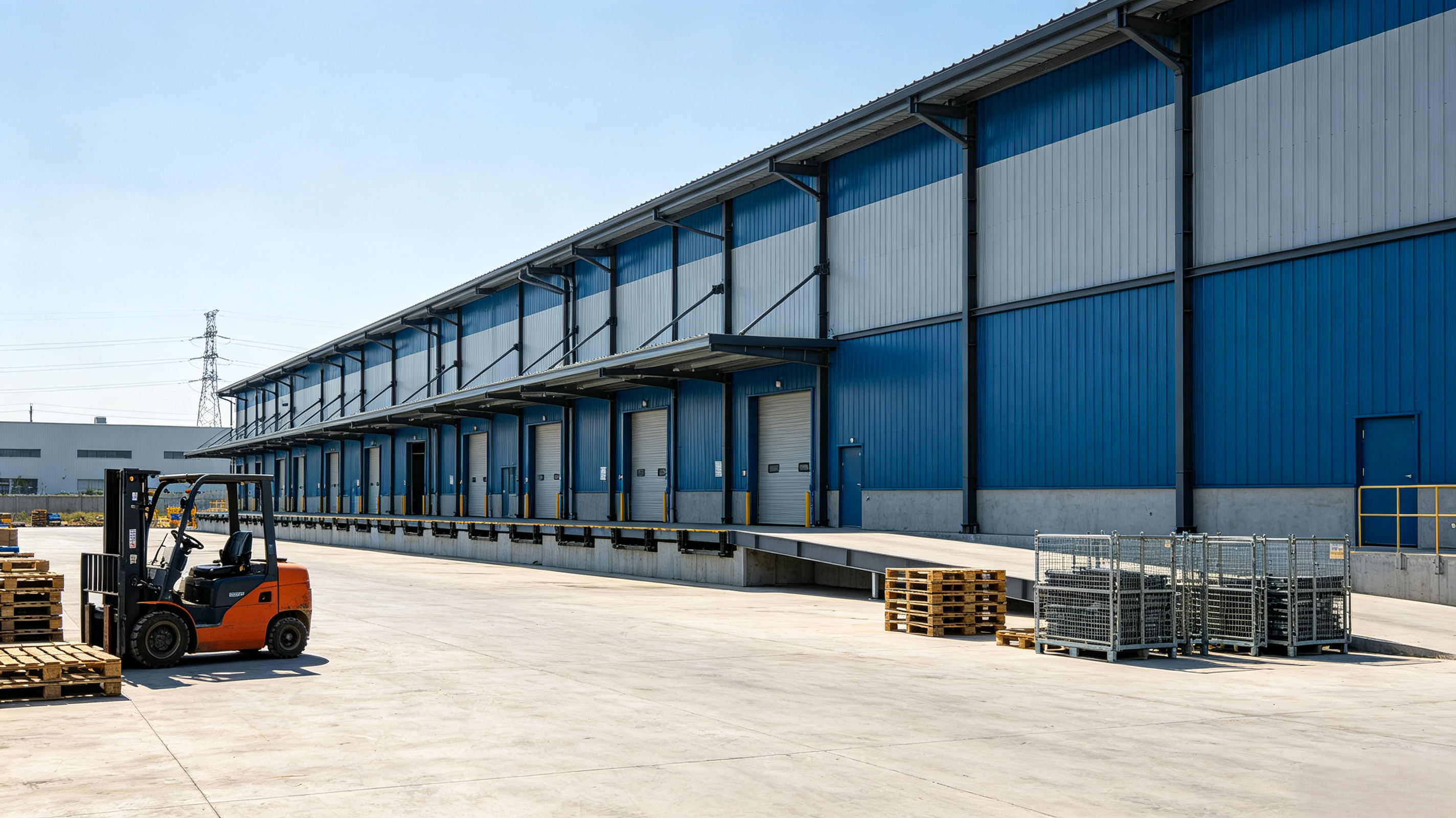
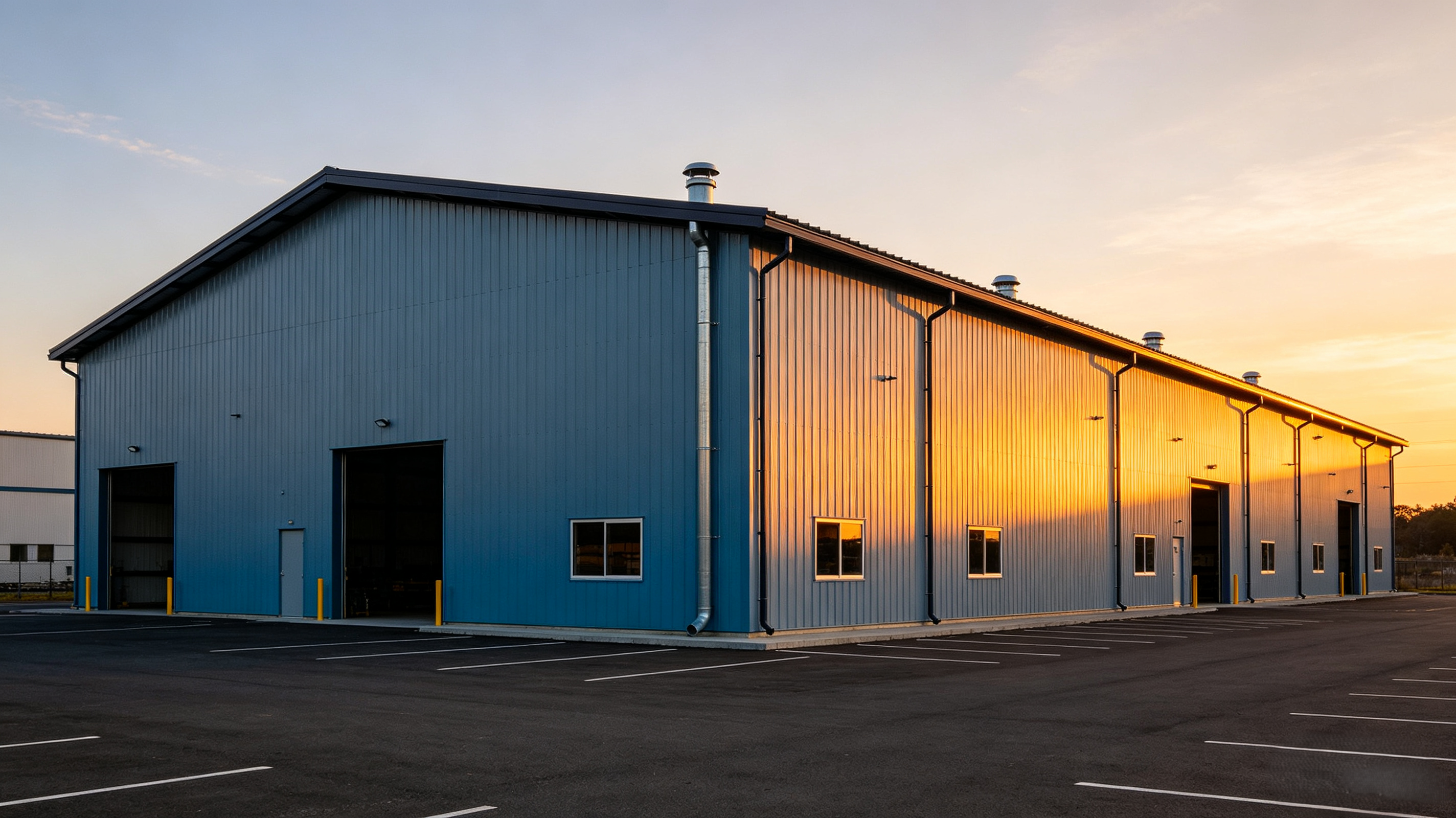
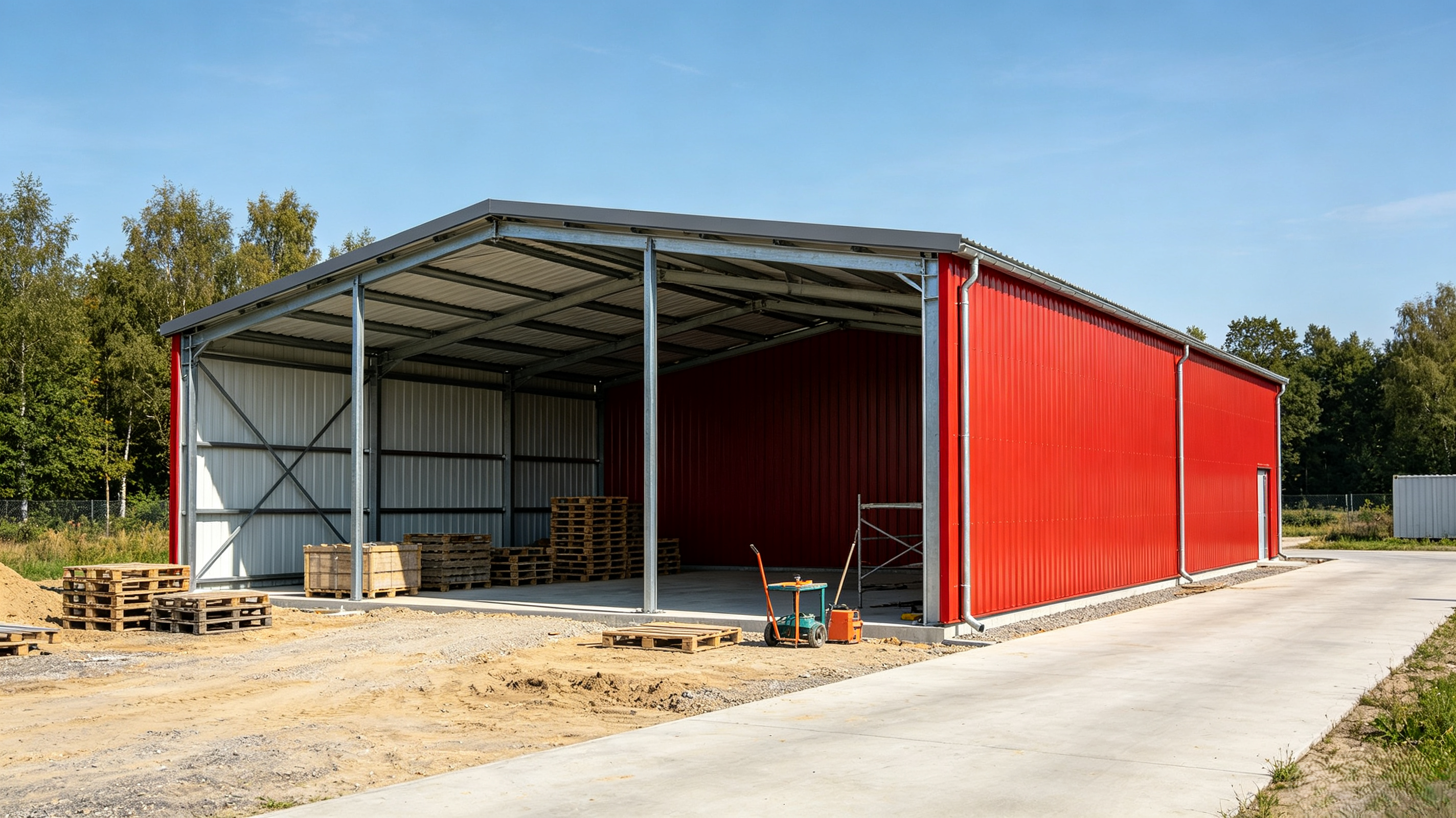
When considering  a prefab warehouse, buyers often seek  reliable  suppliers who can  deliver quality  structures efficiently. A prefab warehouse,  constructed from pre-manufactured  components, offers  flexibility, cost savings, and quick assembly time, making it an attractive  option for  businesses looking  to expand their storage capabilities. This article will guide you through essential  factors  in  selecting a prefab  warehouse supplier,  the  specifications  to look for, cost  evaluation tips, sourcing  reliable manufacturers, and the benefits of purchasing prefab warehouses in bulk.

Why choose Xingyuanxing prefab warehouse

Our Products

What to Consider When Choosing a Prefab Warehouse Supplier

Selecting the right supplier for a prefab warehouse  is crucial for ensuring the quality and efficiency of  your  project. Start by evaluating the supplier's experience  and reputation in the industry.  Look for companies with a  proven track record, particularly in your region,  as local suppliers  may better understand the specific regulations and  environmental factors.

Quality control processes are essential; inquire about  the supplier's quality assurance measures.  A reputable  manufacturer should have a clear outline of their inspection processes throughout manufacturing  to ensure that each component meets rigorous standards. Additionally, consider their customization capabilities. Your project may require unique specifications that not  all suppliers can accommodate, so ensure they can tailor solutions to your needs. For instance, if you require a specific Secondary steel structure for enhanced durability, confirm that the supplier can provide such options.

Lastly, assess the  supplier's  support  services, including installation assistance and after-sales support.  A supplier that offers comprehensive service can  ease the  process of project execution and provide peace of mind regarding future maintenance.

Frequently Asked Questions

Our Blog Posts

What Our Partners Say

Key Specifications for High-Quality Prefab Warehouses

Key Specifications for High-Quality Prefab Warehouses

When evaluating prefab warehouses, certain specifications directly impact their overall performance and suitability  for your application. Here  are some key  specifications to consider:

Materials: The structural integrity of a  prefab  warehouse largely depends on the materials used.  Common materials include steel, which offers durability and strength, and color-coated steel, which enhances aesthetics and weather resistance. Ensure the materials meet your operational needs, especially concerning load-bearing capacities and environmental conditions.

Dimensions: Determine the required dimensions based  on your storage needs. The height, width, and length should align with the types of goods being stored  and any machinery that may be used within  the warehouse.  Custom dimensions may be necessary for specific applications, so confirm the supplier’s ability to accommodate these requests.

Insulation and Weather  Resistance:  Insulation is critical for maintaining temperature control  and energy efficiency. Ensure the  prefab warehouse is designed to withstand local climate conditions, including rain, snow, and extreme temperatures. Inquire about the insulation materials and their R-value, which indicates thermal resistance.

Load-Bearing Capacity: Evaluate the load-bearing capacity of the warehouse  structure. This is particularly important if heavy machinery or large quantities of goods will be stored.  Confirm that the  design meets local building codes and  industry standards.

Understanding these  specifications will help you align your requirements with  what the supplier can deliver, ensuring that the final product meets your operational needs.

How to Evaluate the Cost of Prefab Warehouse Solutions

How to Evaluate the Cost of Prefab Warehouse Solutions

Cost evaluation for prefab warehouses involves several factors beyond just the initial  purchase price. Here are some considerations to keep in mind:

Material  Costs: The choice of materials significantly influences the overall cost. Higher-quality materials may come  at a premium but  can save on maintenance and replacement costs in the long run.

Customization  Needs: Custom features will increase the cost. Clearly articulate your requirements to the  supplier to get an accurate quote that reflects your needs.

Installation and Delivery Fees: Don't  overlook the costs  associated with installation and transportation. Some suppliers may include these  in  their  pricing, while others may  charge  separately, affecting your overall budget.

Long-Term Operating Costs: Factor in long-term costs such as energy consumption and maintenance.  A more energy-efficient design may incur a higher upfront cost but can  lead to  savings over time.

By considering these  factors, you  can develop a comprehensive understanding of the total cost of ownership for your prefab  warehouse solution, allowing you to make a more informed purchasing decision.

Where to Source Reliable Prefab Warehouse Manufacturers

Where to Source Reliable Prefab Warehouse Manufacturers

Finding  reliable manufacturers for  prefab warehouses  requires thorough research. Start by asking for referrals from industry contacts or trade associations, which  can provide  insights into reputable suppliers. Online platforms and industry-specific directories can  also be valuable resources for identifying potential manufacturers.

Once you have a  list of candidates, assess their websites and  product catalogs for information  about their capabilities, certifications, and previous projects. Look for  manufacturers that showcase their work and provide case studies or testimonials from past  clients, as  this can  indicate  their reliability and quality.

Finally, don’t hesitate to reach out to potential  suppliers to discuss your project  requirements and  gauge their responsiveness. A supplier that communicates openly  and promptly is often more trustworthy and easier to work  with throughout  the project lifecycle.

Benefits of Prefab Warehouses for Bulk Purchasing

Purchasing prefab warehouses in bulk can offer several advantages, particularly for businesses looking  to expand their storage capabilities  across multiple sites. Here are some key benefits:

Cost Savings:  Bulk purchasing typically leads  to  lower unit costs. Manufacturers often provide discounts  for large orders,  making it  a financially prudent choice  for businesses  planning significant  expansion.

Consistency in Quality: Ordering multiple units  from the same supplier ensures consistent quality  across all warehouses. This is particularly important if  you need to maintain uniform standards across various locations.

Streamlined Logistics: Coordinating  the delivery of multiple prefab warehouses can simplify logistics. A single supplier can manage the production  and transportation, reducing the complexity often involved in  sourcing from multiple manufacturers.

Faster Turnaround Times: Suppliers may prioritize bulk orders, allowing for quicker production and delivery times. This can  be  crucial for businesses needing to scale  operations rapidly.

By leveraging these benefits, businesses can enhance their operational efficiency while ensuring they receive high-quality prefab warehouses tailored to their needs. Additionally, consider the role of essential components like the Roof system and Wall system in your warehouse design to maximize functionality.