Choosing the Right Prefabricated Metal Warehouse

application/prefabricated-metal-warehouse, application/prefabricated-metal-warehouse, 
Inquiry
Inquiry

prefabricated metal warehouse

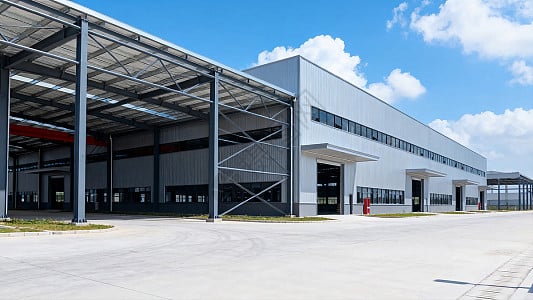
Prefabricated metal warehouses are engineered  structures designed  for  efficient storage, manufacturing, and distribution, combining strength and  flexibility. As  businesses look for scalable solutions to meet their operational needs,  understanding the key considerations in  selecting a prefabricated metal warehouse becomes critical. This article  addresses  common buyer concerns  such as specifications,  pricing,  installation, and applications,  offering  practical  insights  to help  purchasing  managers and decision-makers  make informed  choices.

Why choose Xingyuanxing prefabricated metal warehouse

Our Products

What to Consider When Choosing a Prefabricated Metal Warehouse

When selecting a prefabricated metal warehouse, several factors should be assessed to ensure  the structure meets operational requirements. First, consider  the size and layout. The dimensions should align  with the intended use, factoring in storage needs, workflow, and any future expansions. Additionally, the building's height can impact storage capacity, especially if vertical space is utilized with shelving systems. Furthermore, integrating a robust secondary steel structure can enhance overall stability and functionality.

Next, evaluate the materials used in construction. The choice between different steel grades and coatings will affect durability and  resistance to environmental  factors such as corrosion or extreme  temperatures. For instance, galvanized steel offers enhanced protection  against rust, making it suitable  for areas with  high moisture levels.


Another critical aspect is the design and engineering specifications. This includes load-bearing capabilities, insulation, and ventilation options. Effective insulation  can reduce energy costs, while proper ventilation ensures a comfortable working environment. Buyers should also verify compliance with local building codes and regulations, as these  can dictate certain structural requirements.

Lastly, assess the supplier's  reputation and  support  services. A manufacturer like Tianjin Xingyuanxing Color Steel Structure Co.,  Ltd., with a decade of experience in the  Beijing-Tianjin-Hebei region, may offer  a reliable partnership that ensures quality  and timely project  execution. This includes providing essential accessories that enhance the functionality of the warehouse.

Frequently Asked Questions

Our Blog Posts

What Our Partners Say

Key Specifications for Prefabricated Metal Warehouse Structures

Key Specifications for Prefabricated Metal Warehouse Structures

Understanding the essential specifications for prefabricated metal warehouses  is vital for buyers. Key factors include:

Material Thickness: The gauge of the steel impacts its strength and durability. Common thicknesses range from 14 to 20 gauge, with thicker materials providing greater longevity  and resistance to impacts.

Span Width: This refers to the distance between structural supports. Wider spans can create open floor spaces and reduce the need for interior  columns,  enhancing  usability.

Wind and Snow Load Ratings: These ratings are critical for ensuring the structure  can withstand local weather conditions. Buyers must consult local codes to determine  the  required ratings for their area.

Foundation Requirements: Depending on the warehouse size  and local soil  conditions, foundation specifications  may vary. Proper foundation design is crucial for stability and longevity.


Certification and  Compliance: Verify that the warehouse  meets  industry standards and local regulations,  which may include ISO certifications or  other compliance markers.

By understanding these specifications, buyers can ensure their prefabricated metal warehouse suits their specific operational needs  and adheres to  safety standards.

 
Understanding Pricing for Prefabricated Metal Warehouses

Understanding Pricing for Prefabricated Metal Warehouses

Pricing for prefabricated metal warehouses varies based on several factors. Material choice significantly influences cost;  for  example, opting  for higher-grade steel or additional protective coatings will increase expenses. The size and complexity of the design also  play a role, as  larger or custom-built warehouses typically incur higher costs.

Additional factors include:

Customization Needs: Custom designs  will generally incur additional fees. Buyers should determine their specific requirements early to obtain accurate quotes.

Shipping and Installation: Costs  related to  transporting  the structure and site installation  should be factored into the  overall budget. Some manufacturers may offer bundled  pricing, which can simplify  budgeting.


Lead Time:  Rush orders often come with premium pricing. Planning  and allowing adequate time for manufacturing can help manage costs.

Market Conditions: Fluctuations in steel prices  due to market demand can  affect  overall pricing. Buyers should stay informed about market trends when planning their purchase.

By  understanding these pricing factors, buyers can better navigate their budget and make informed purchasing decisions.

Installation Guidance for Efficient Prefabricated Metal Warehouse Setup

Installation Guidance for Efficient Prefabricated Metal Warehouse Setup

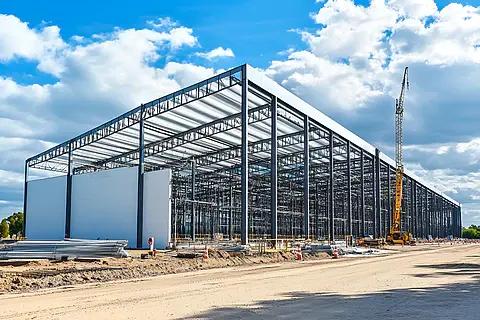
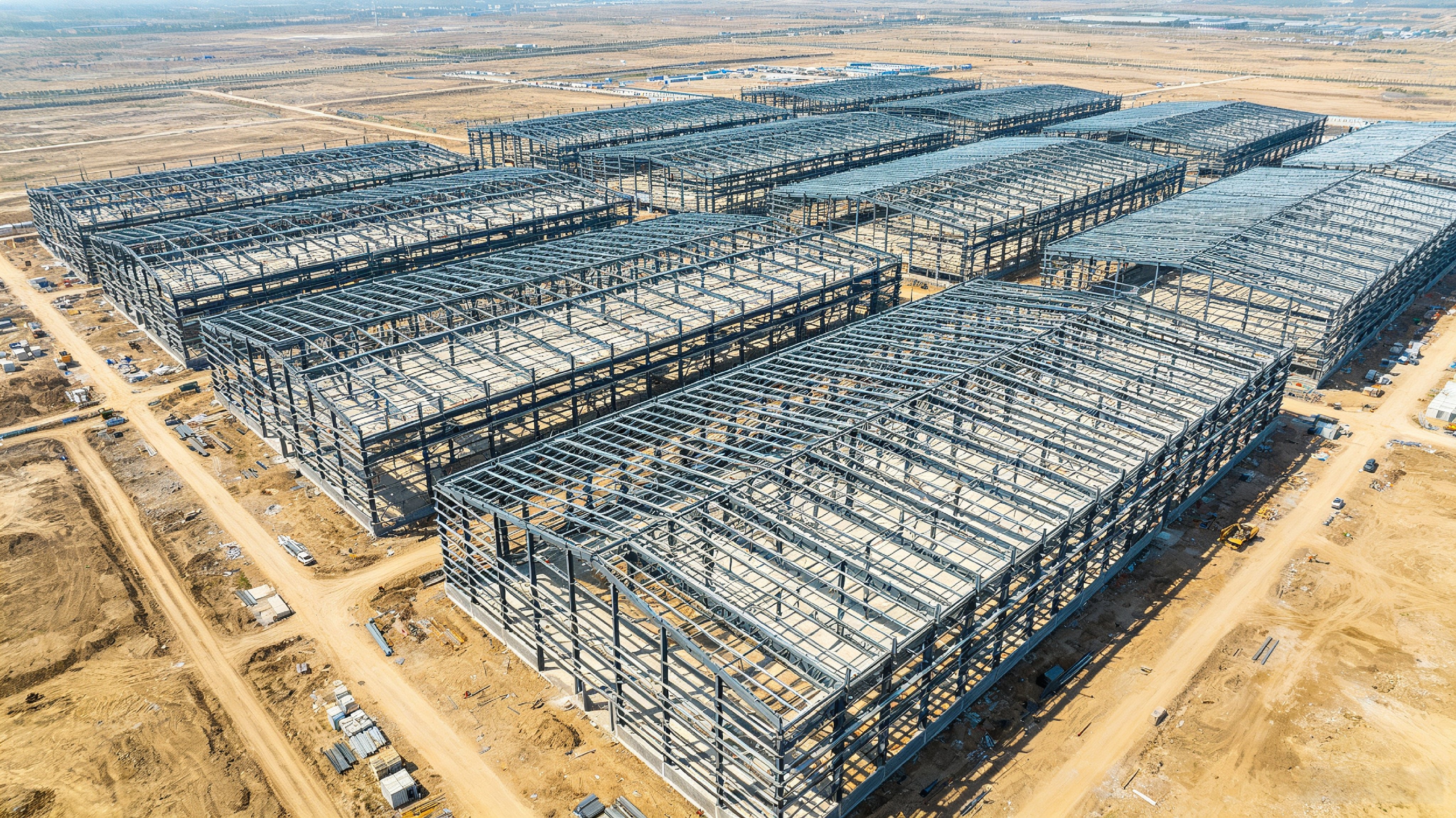
Proper installation  is crucial to  maximize the efficiency and longevity of a prefabricated metal warehouse. Here are  key considerations for the  installation process:

Site Preparation: Ensure  the site is level and free from debris. Adequate drainage should  be  in place to prevent water accumulation that could  undermine the foundation.

Assembly Process: Familiarize yourself with the assembly instructions  provided by the manufacturer. It’s advisable to have experienced personnel to oversee or conduct  the installation  to ensure all components fit correctly and securely.

Quality Checks: Throughout the installation, conduct regular  inspections to confirm that all structural connections are  secure and that the assembly aligns with the approved specifications. This  is particularly important for joints and load-bearing connections.

Safety Protocols: Follow all safety protocols during installation. This includes using appropriate personal protective equipment (PPE) and adhering to local safety regulations.


Final Inspection:  Once installation is complete, a thorough inspection should be conducted to ensure the warehouse is ready for use.  This includes checking for any defects and confirming that all components meet the required specifications.

By following these guidelines,  buyers can ensure a smooth installation  process that enhances the operational effectiveness of  their prefabricated metal warehouse.

Applications of Prefabricated Metal Warehouses in Various Industries

Prefabricated metal warehouses are  versatile and find applications across numerous industries due to their  customizable nature and durability. Some common applications  include:


Manufacturing: These warehouses can serve as production facilities,  providing ample space for equipment and storage of raw materials. Their customizable  layouts allow for efficient workflow design.

Distribution and Logistics: Prefabricated metal warehouses are ideal for distribution centers,  offering easy  access for large vehicles  and  the ability to expand as business needs grow.


Retail: Many retail operations utilize these structures for storage and inventory management. Their quick assembly and adaptability make them suitable  for  seasonal inventory fluctuations.

Agriculture: In agricultural  settings, prefabricated metal warehouses can be  used for equipment storage or as shelters for livestock. Their durability  ensures protection against weather elements.

Construction: Construction companies often use  these structures as  temporary storage or office spaces on job sites due to their portability  and ease of assembly.

By understanding the diverse  applications of prefabricated metal warehouses, buyers can better align their purchasing decisions with industry-specific needs and operational goals.