Key Features of Prefabricated Warehouses

application/prefabricated-warehouse, application/prefabricated-warehouse, 
Inquiry
Inquiry

prefabricated warehouse

Prefabricated warehouses  are  increasingly  being  utilized in various  industrial  sectors due  to their efficiency  and cost-effectiveness. These structures are manufactured off-site and then assembled  on  location, allowing for rapid deployment and minimal on-site construction time. For  B2B buyers, key concerns typically include material quality,  customization options, pricing, and the overall suitability of the design for their specific  needs. This  article will provide valuable insights  into the  essential specifications,  cost evaluations, common challenges, advantages, and considerations  for  bulk purchasing  of prefabricated warehouses.

Why choose Xingyuanxing prefabricated warehouse

Our Products

Key Specifications for High-Quality Prefabricated Warehouses

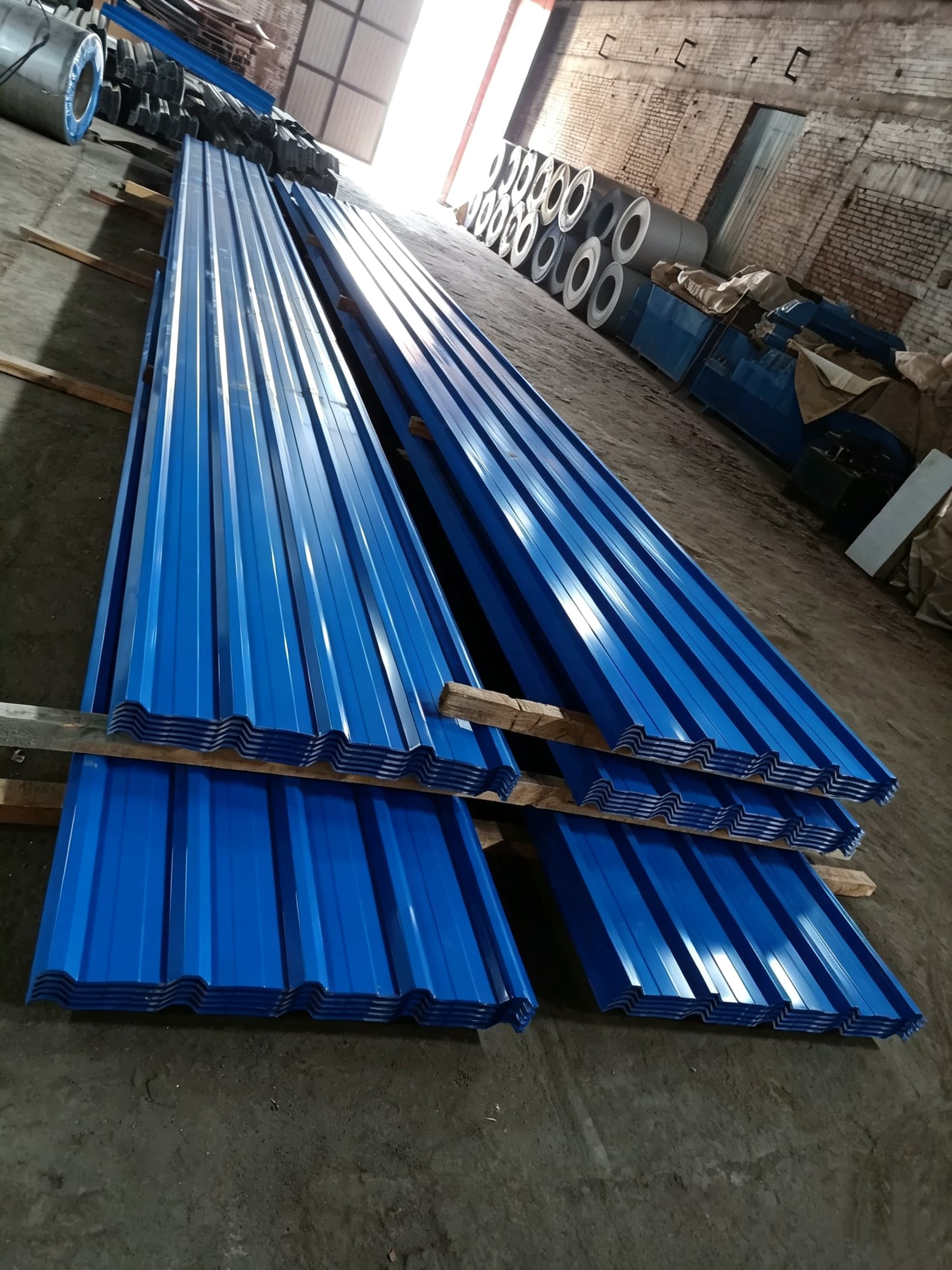
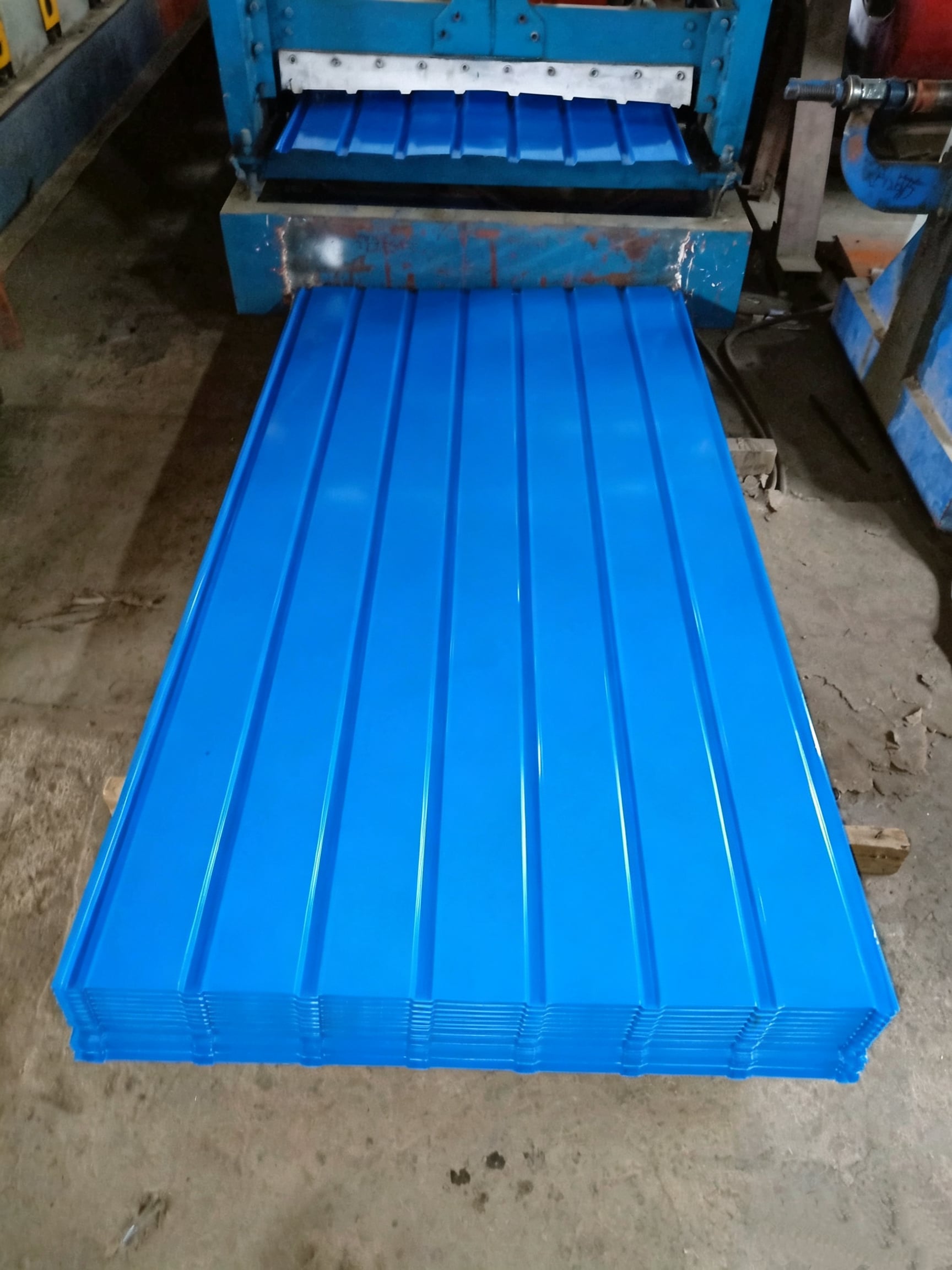
When evaluating prefabricated warehouses, several key specifications must be considered  to ensure the structure meets operational requirements. Materials are crucial; typically,  high-quality steel is used for the  structural framework due to its strength and durability. The thickness  of steel panels  can significantly affect the building’s resistance to environmental factors such as wind and snow loads, which should be tailored to the specific location of the  warehouse. Additionally, the choice of Secondary steel structure can enhance the overall durability and functionality of the warehouse.

Dimensions are equally important, as the  warehouse must accommodate the intended operations, including storage space  and movement of goods. Buyers should  specify the height, width, and length based on their inventory needs and the types  of machinery that will  be used inside. Additionally, insulation properties must be assessed, as  this impacts  energy efficiency and temperature control, especially  in climates with extreme  temperatures.

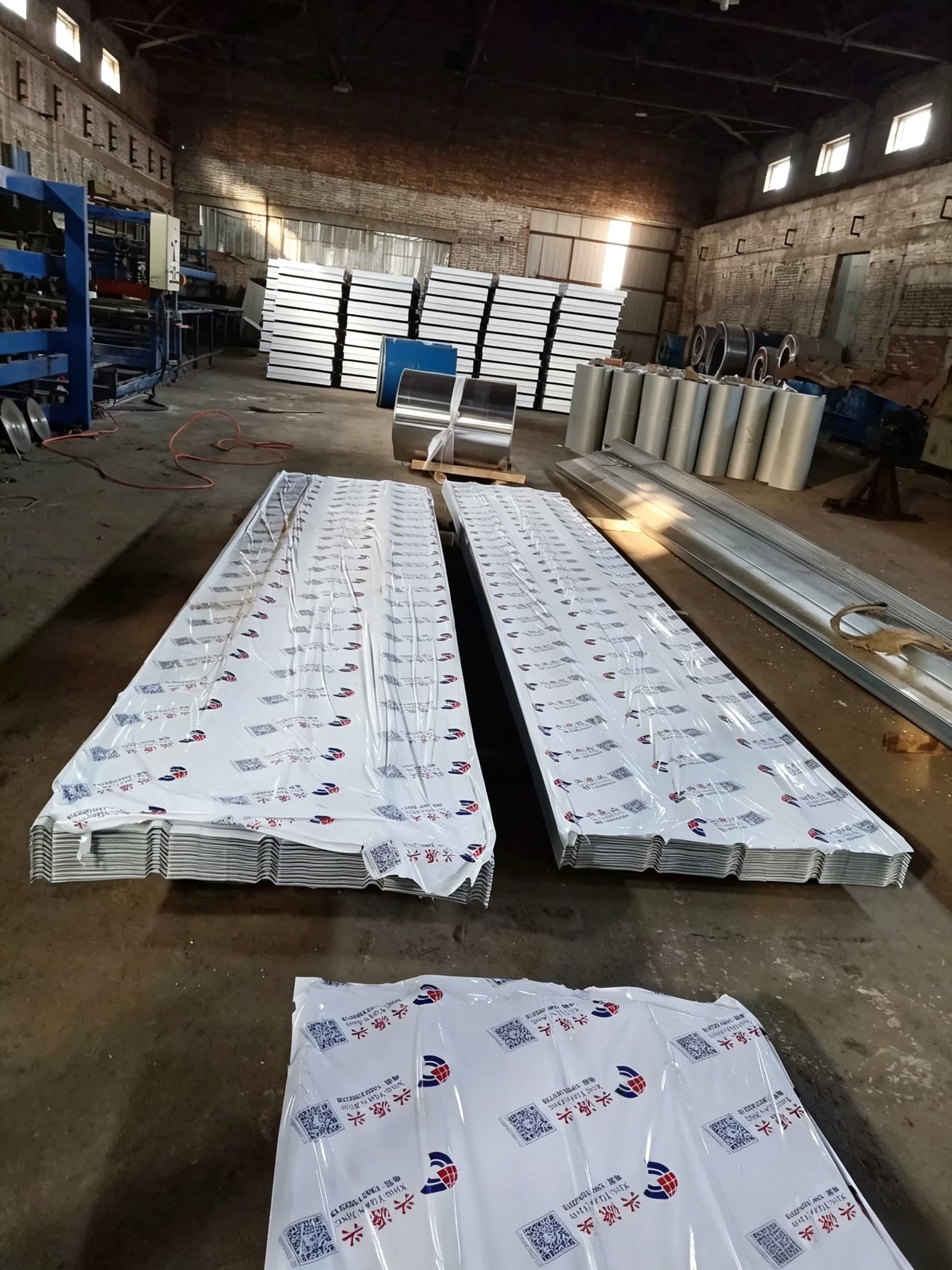
Quality control processes during manufacturing are vital to ensure that the prefabricated components meet industry standards.  Certifications such as ISO can indicate adherence to  quality management  systems, providing confidence  in the  product's reliability.

Frequently Asked Questions

Our Blog Posts

What Our Partners Say

How to Evaluate the Cost of Prefabricated Warehouse Solutions

How to Evaluate the Cost of Prefabricated Warehouse Solutions

Evaluating the  cost of prefabricated warehouse solutions involves several factors beyond the initial  purchase price. Material  costs will vary based on the specifications required,  including the type and  thickness of steel used, insulation materials, and additional features like doors or windows. Factory building of steel structure can also influence the overall cost structure.

Customization is another significant factor; the more tailored the  design, the  higher the price may be. Buyers  should consider options like layout adjustments, specialized  loading  docks, or climate control  systems, which can add  to the overall cost.

It's also important to factor in shipping and assembly costs.  While  prefabricated warehouses can  reduce on-site  construction time, there might be additional expenses related  to transportation of components and  assembly labor.

To gain a comprehensive view of costs, buyers should request detailed quotations from suppliers that include all potential expenses,  ensuring transparency and enabling accurate  budget planning.

Common Problems with Prefabricated Warehouses and Solutions

Common Problems with Prefabricated Warehouses and Solutions

While prefabricated warehouses  offer numerous advantages, several common issues can arise during the purchasing  and installation process. One frequent concern is misalignment during assembly, which can lead to  structural weaknesses. To mitigate this, ensure that  the manufacturer provides detailed assembly instructions  and consider hiring experienced installers who are  familiar with prefabricated structures.

Another issue may  be related to weather-related delays during transportation  or assembly. To address this,  it's advisable to establish a clear timeline  with the supplier  and include buffer periods for unforeseen  delays in the purchase agreement. 

Quality control lapses can also lead  to  problems. Buyers should conduct thorough inspections of  components  upon delivery and before assembly, verifying that they meet the  specified standards. Implementing a robust quality assurance process  can help  catch potential issues early.

Benefits of Using Prefabricated Warehouses in Your Projects

Benefits of Using Prefabricated Warehouses in Your Projects

Prefabricated warehouses provide a range  of  benefits that make them an attractive option  for businesses. One significant advantage is  speed of  construction; these  structures  can  be assembled much faster than traditional warehouses,  enabling companies to begin operations sooner.  This can be crucial in industries  where time-to-market is a competitive advantage.


Cost efficiency is another notable benefit. Prefabricated warehouses often require  less  labor and can minimize  waste during construction, leading to overall savings. Additionally, they can be designed for energy efficiency, utilizing insulation and  energy-efficient materials that reduce operational costs over  time.

Flexibility in design is another compelling reason to choose prefabricated warehouses. They can be easily customized to meet specific business needs, such as expansion for future growth or modification  for different operational requirements.  This adaptability makes them suitable for a variety of industries, including logistics, manufacturing, and  retail.

Comparing Prefabricated Warehouse Options for Bulk Orders

When considering bulk orders  of prefabricated warehouses,  it's essential to compare various options to ensure  the best fit  for your business. Customization capabilities should be evaluated; some manufacturers offer extensive options for design modifications that can tailor the warehouse to specific operational needs, while others may have a more limited scope.

Production capacity is another critical factor—ensure the manufacturer can meet  your  timeline and  volume requirements. It  is beneficial to inquire about their production schedules  and lead times for bulk  orders.

Buyers should also assess the reputation of the  supplier. Look for  manufacturers with a proven  track record in the industry,  such as Tianjin Xingyuanxing Color Steel Structure Co., Ltd., known for their reliable project services and  quality materials. Requesting references or case studies can provide insights  into their capabilities and customer  satisfaction.

Lastly,  consider after-sales support and warranty options. A robust support system can be invaluable in addressing any issues that may arise after installation, ensuring long-term satisfaction  with the purchase.

By focusing on these aspects,  B2B buyers can make informed decisions when selecting prefabricated warehouse options that align with their operational goals and budget constraints.