Essential Guide to Rockwool Sandwich Panels

application/rockwool-sandwich-panel, application/rockwool-sandwich-panel, 
Inquiry
Inquiry

rockwool sandwich panel

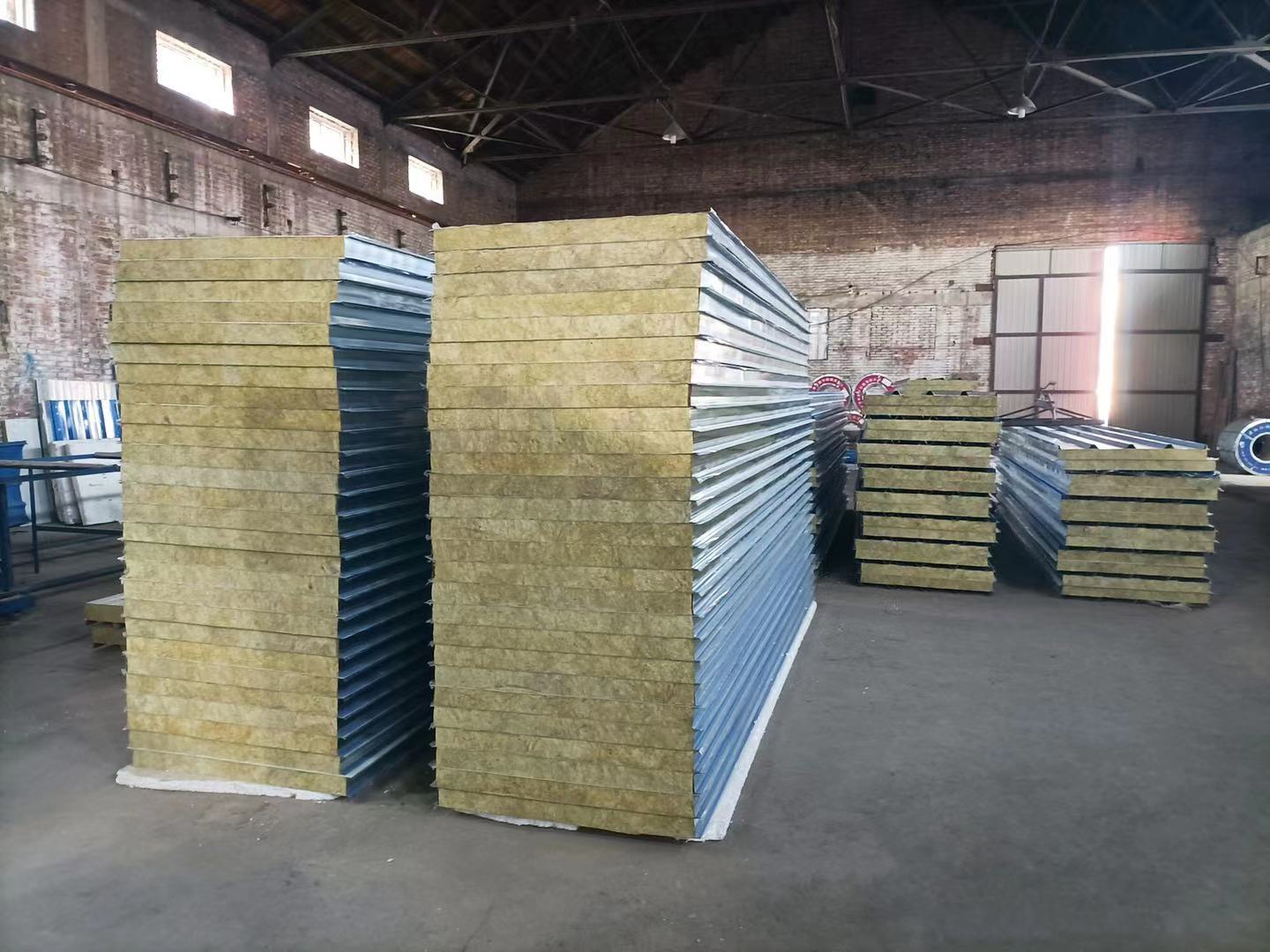
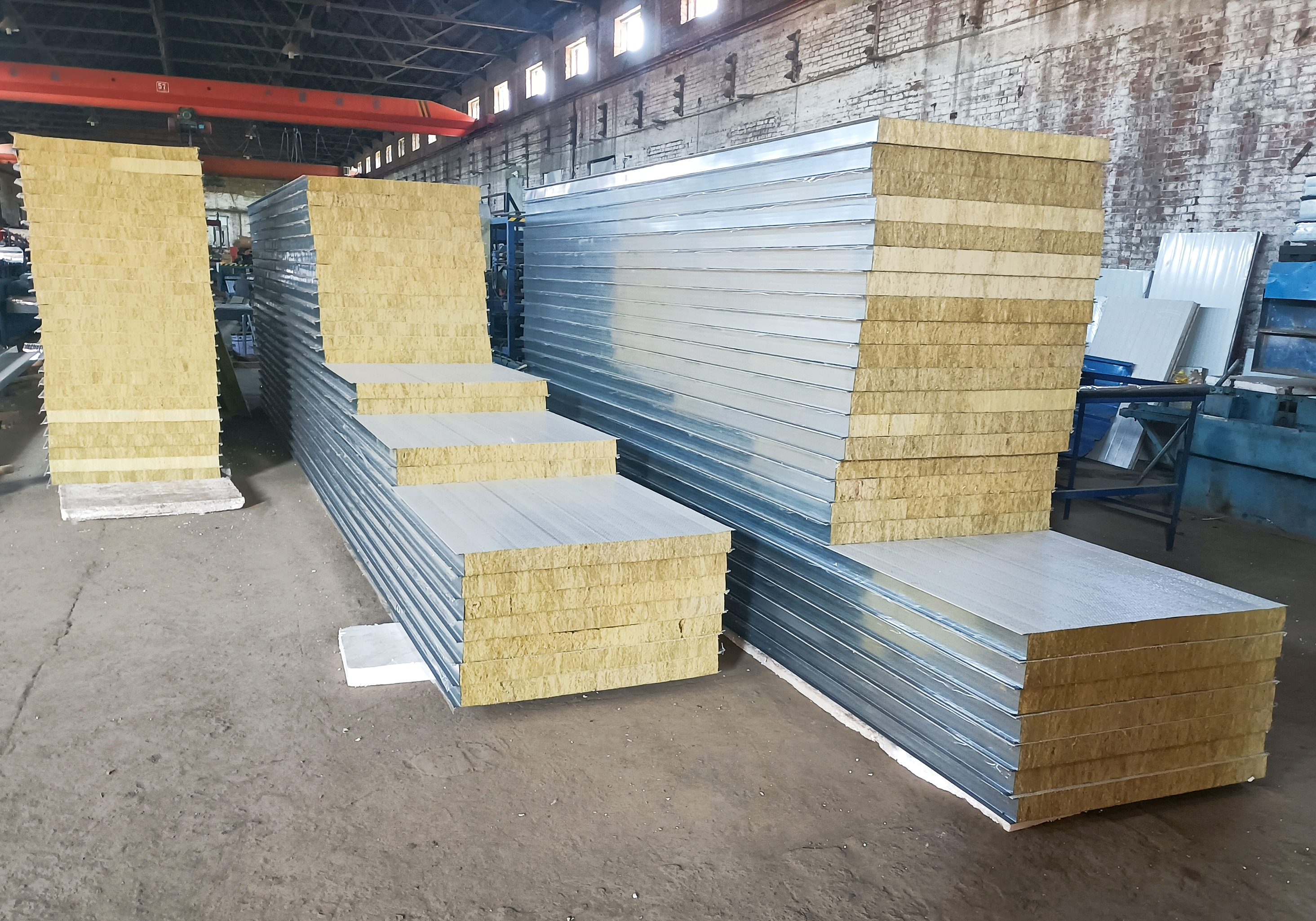
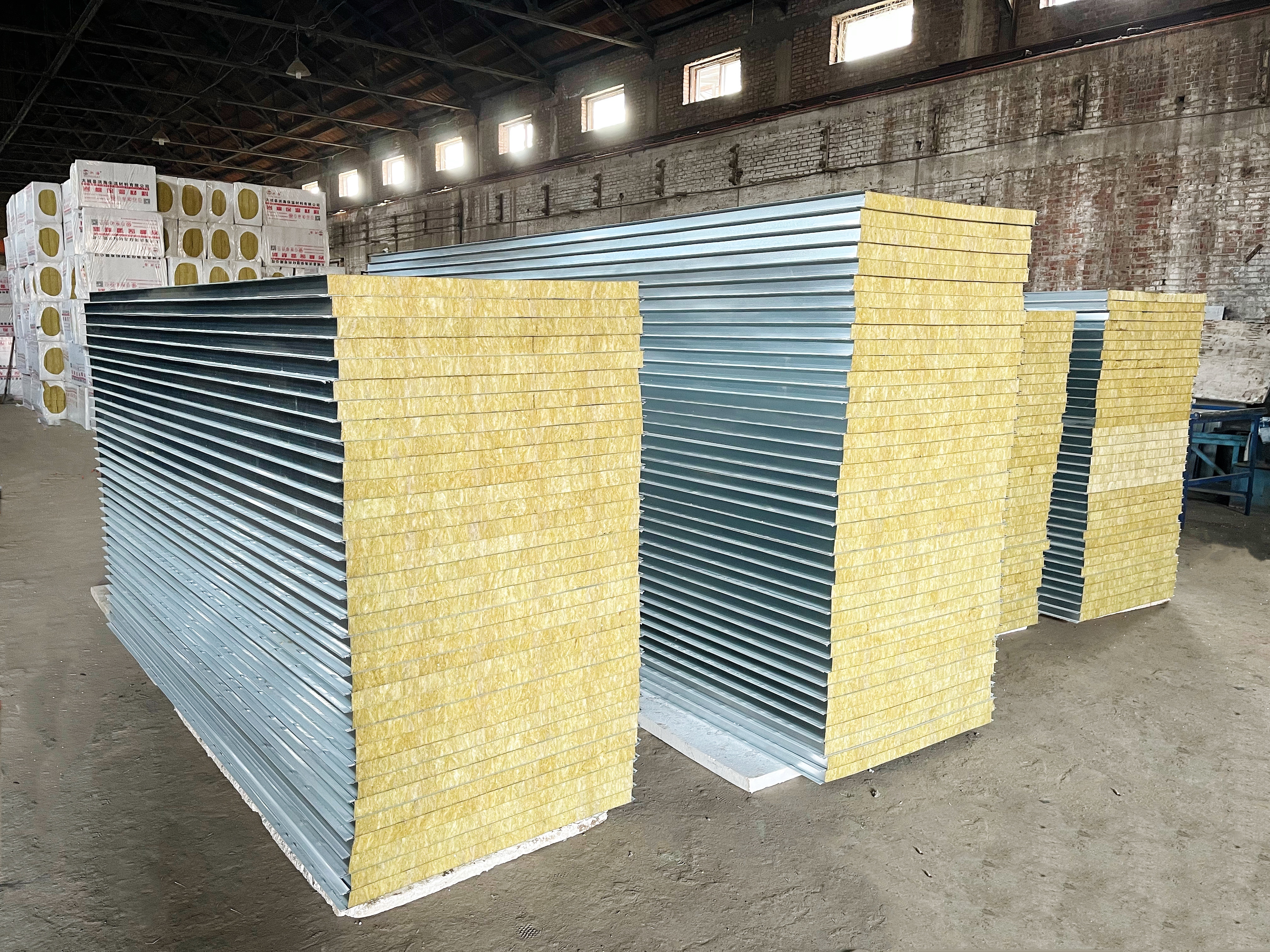
Rockwool  sandwich panels are  an  innovative solution  combining insulation and structural support, widely  used in the construction industry. These panels consist  of a layer  of rock wool  insulation  sandwiched between two layers of steel or other materials, providing  excellent thermal and acoustic properties. For B2B buyers such as purchasing  managers, engineers, and project managers, selecting  the right rockwool sandwich panel is  crucial to meet  project specifications, budget constraints, and building codes. This article will explore  essential  factors that  influence the choice of  rockwool sandwich panels, including specifications, cost considerations,  applications across industries, and common challenges with solutions.

 

Why choose Xingyuanxing rockwool sandwich panel

Our Products

Choosing the Right Rockwool Sandwich Panel for Your Project Needs

When selecting rockwool sandwich panels, buyers  should consider  several  key  specifications to ensure they meet  project requirements. The thickness of the  panels typically ranges from 50mm to 200mm, impacting  both insulation performance and structural integrity. Thicker panels  generally offer better  thermal resistance, which is crucial for energy  efficiency in buildings. For projects requiring robust structural support, options like Hot-Rolled U-Shaped Channel Steel Q235B For Industrial Equipment Base Support can be considered.

Additionally, the density of the rock wool insulation affects its fire resistance and acoustic performance. Higher density panels provide  superior sound insulation, making  them ideal for commercial buildings where noise reduction is a priority. Buyers should also evaluate  the  panel's facing materials, which can include galvanized steel, aluminum, or other finishes depending on aesthetic preferences and environmental exposure.

Customization  options are another  critical factor. Depending on project needs, buyers  may require panels in specific  lengths or widths, or with unique surface treatments for enhanced durability. It’s advisable to consult with manufacturers like Tianjin Xingyuanxing Color Steel Structure Co., Ltd., who can provide tailored solutions based on specific  project requirements.


Frequently Asked Questions

Our Blog Posts

What Our Partners Say

Key Specifications of Rockwool Sandwich Panels for Bulk Orders

Key Specifications of Rockwool Sandwich Panels for Bulk Orders

When ordering rockwool sandwich  panels  in  bulk, several specifications  should be confirmed to ensure they meet project standards. Key specifications include:

Thermal Conductivity (λ): This value indicates the  panel's insulation effectiveness. Lower λ values signify  better insulating properties, which is vital for energy-efficient buildings.

Fire Resistance Rating: Rockwool is inherently fire resistant,  but the rating of the sandwich panel should comply with local building codes. Common classifications include A1 (non-combustible) and A2 (limited  combustibility).

Mechanical Strength: Panels should be tested for compressive strength  and  flexural strength to ensure they can withstand expected loads.

Acoustic  Performance: The Sound Reduction Index (SRI) should be checked if noise control is  a concern.

Moisture Resistance: Buyers should confirm  that panels are  treated to resist moisture absorption, especially for applications in humid environments.

These specifications  can significantly  influence the panel's performance in practical applications. Buyers should always request detailed  product data sheets  and, if  possible, samples for testing before placing bulk  orders.

Cost Factors to Consider When Purchasing Rockwool Sandwich Panels

Cost Factors to Consider When Purchasing Rockwool Sandwich Panels

The cost of rockwool sandwich panels is  influenced by several  factors, which buyers should carefully evaluate. Firstly, the material costs, including the type of steel  facing  and the rock wool insulation, play a significant role. Higher quality materials may increase  initial  costs but can lead to better long-term performance and reduced energy expenses.

Secondly,  the thickness and density  of the  panels  also affect  pricing. Thicker, high-density panels typically come with a higher price tag, but they may be necessary for certain  applications that demand superior insulation or fire resistance.

Another crucial factor is the quantity ordered. Many manufacturers, including Tianjin Xingyuanxing Color  Steel Structure Co., Ltd., offer tiered pricing structures that reduce unit costs  for larger orders. Buyers should also consider the logistics costs associated with shipping and  delivery, which can vary based on location and panel size.

Lastly,  lead times for production and delivery should be factored into the overall cost analysis. Delays  can impact project timelines, potentially leading to increased labor costs and other associated expenses.  It's advisable to communicate clearly with suppliers about  expected delivery schedules  when negotiating pricing.

Applications of Rockwool Sandwich Panels in Various Industries

Applications of Rockwool Sandwich Panels in Various Industries

Rockwool  sandwich panels are versatile and find applications across multiple industries. In the construction sector, they are  predominantly used for  commercial buildings, warehouses, and  industrial facilities due to their excellent insulation and fire-resistant properties. Their lightweight  nature  makes them easy to handle  and install, reducing labor costs.

In the cold  storage industry, these panels are essential for maintaining temperature control. Their thermal efficiency helps minimize energy consumption, making them  an ideal choice for refrigeration units and food processing facilities. For enhanced bracing in these structures, options like Corrosion-Resistant Hot-Dip Galvanized Round Tube Q235B For Greenhouse Bracing can be utilized.

Moreover, rockwool sandwich  panels are increasingly utilized in the transportation sector for manufacturing insulated truck bodies and  containers that require temperature regulation. Their acoustic properties also  make them suitable  for use  in noise-sensitive environments,  such as schools and hospitals.

With innovative  manufacturing capabilities, companies like Tianjin Xingyuanxing Color Steel Structure Co., Ltd. are  well-equipped to supply panels tailored for various  applications, ensuring compliance with  industry standards and customer specifications.


Common Problems with Rockwool Sandwich Panels and Their Solutions

While rockwool sandwich panels offer numerous advantages, buyers  should be aware of potential problems and their solutions. One  common issue is moisture infiltration, which can compromise insulation  performance. To mitigate this, it is essential  to ensure proper sealing during  installation  and to select panels with moisture-resistant properties.

Another concern is the potential for  panel warping or buckling, often caused by improper handling or installation. Buyers should ensure that  installation teams are trained in handling and fitting  these panels correctly, and they should follow  manufacturers' guidelines for any required bracing or support.

Quality control during  manufacturing is  crucial to avoid  defects. Buyers should  request information about the quality assurance processes of their suppliers, including testing for strength, insulation properties, and fire resistance before mass production.

Lastly, communication with manufacturers regarding specific project requirements and installation conditions  is vital. This ensures that any customization needs are addressed early in the process, minimizing the likelihood of  issues arising  post-installation.

By understanding  these common challenges and engaging  with knowledgeable suppliers, buyers can make informed decisions that lead to  successful project outcomes.