Choosing the Right Sandwich Panel Rockwool

application/sandwich-panel-rockwool, application/sandwich-panel-rockwool, 
Inquiry
Inquiry

sandwich panel rockwool

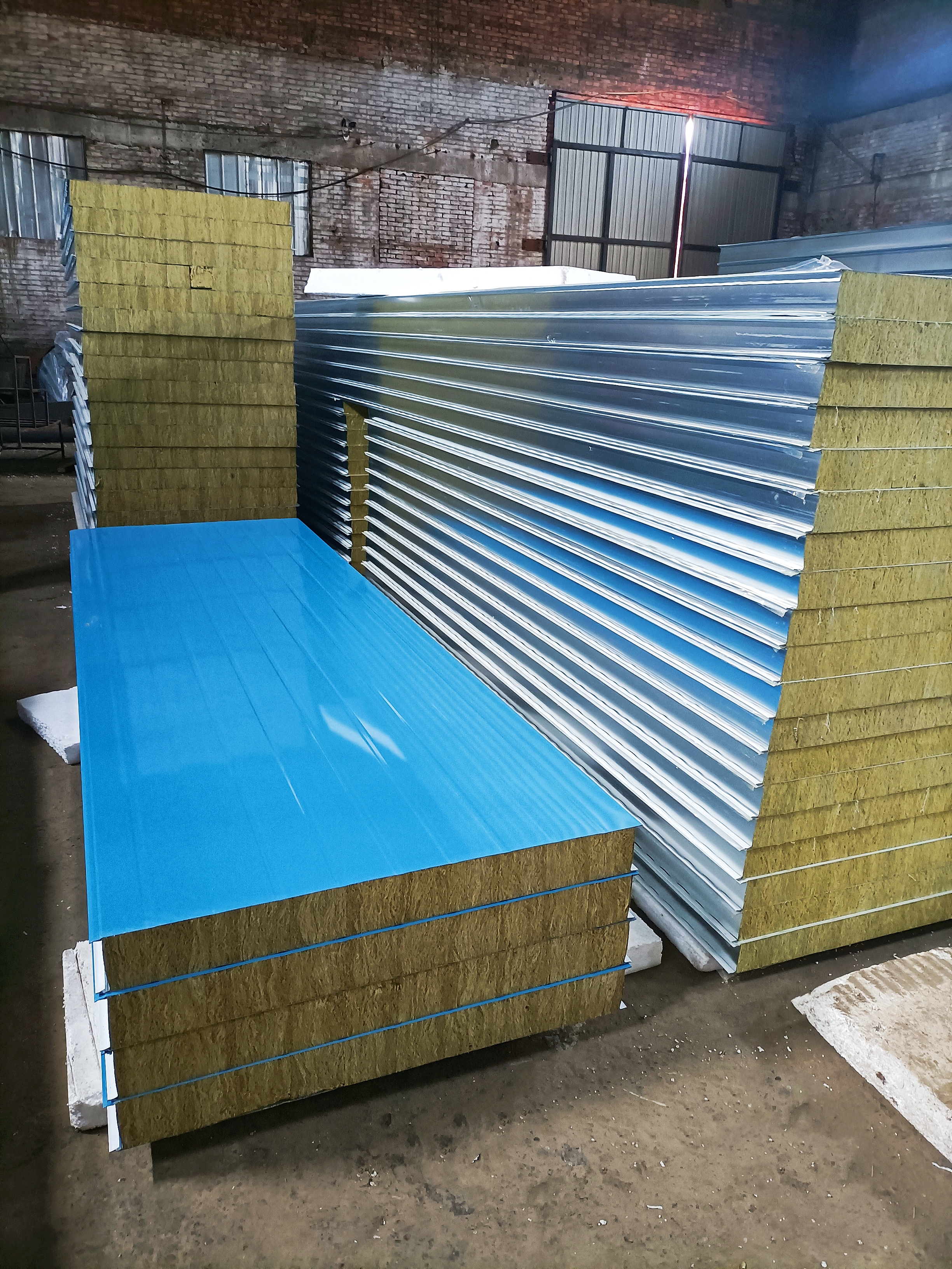
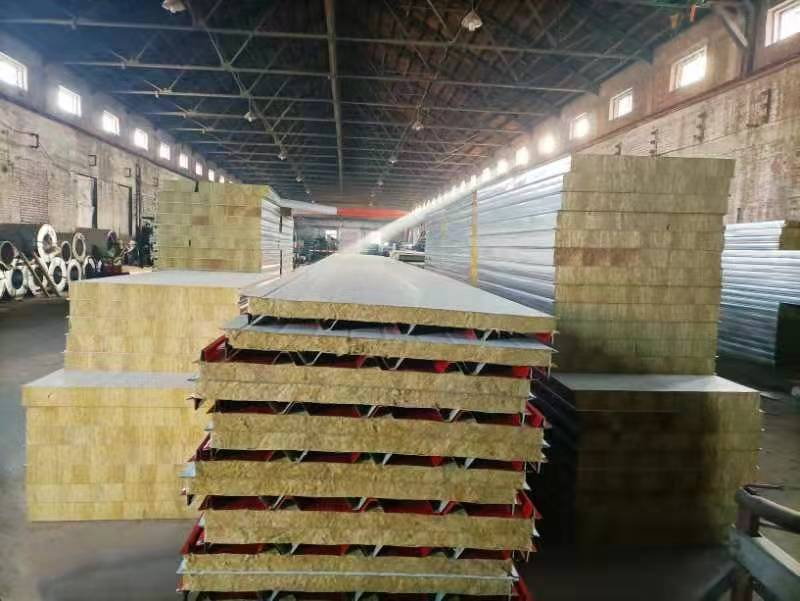
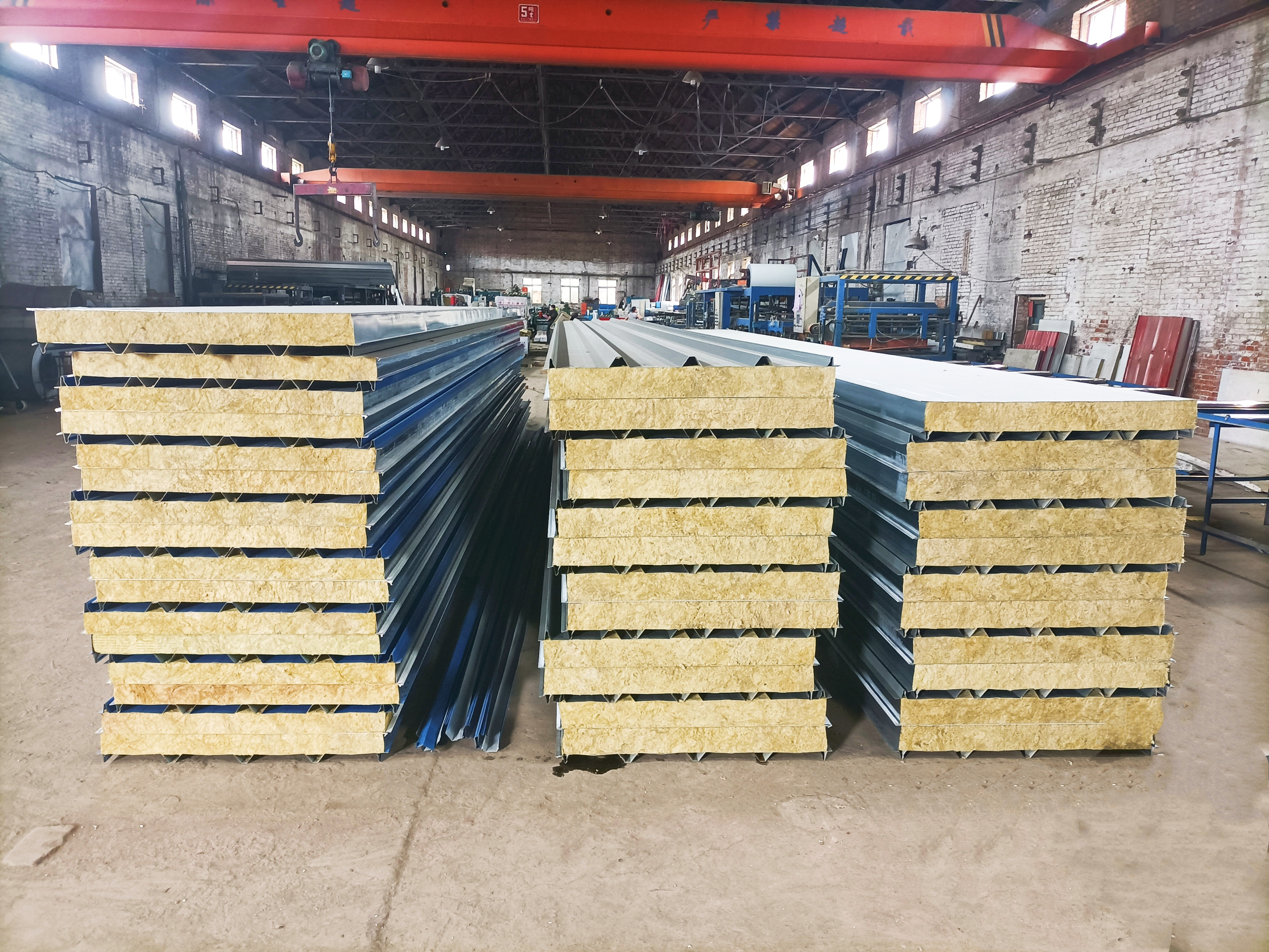
Sandwich panel rockwool  is a  composite  building material  designed  for insulation  and structural  support in  various industrial applications. As  a B2B buyer, understanding  the specific requirements and  qualities of sandwich panel rockwool is  crucial for  making  informed purchasing decisions. This article will address essential considerations for selecting the right  product, evaluating quality, and  sourcing  materials for  bulk  orders, helping you navigate the complexities of your  project needs effectively.

Why choose Xingyuanxing sandwich panel rockwool

Our Products

Choosing the Right Sandwich Panel Rockwool for Your Project Needs

Selecting the appropriate sandwich panel rockwool involves considering several factors tailored to your project's specific requirements. Firstly, assess the thermal insulation performance required for your application.  Rockwool panels are  renowned for their excellent insulation  properties,  which can  significantly reduce energy costs in industrial buildings. The thickness of  the panel and the density of the rockwool core are critical specifications that directly affect  thermal efficiency; thicker  panels generally provide better insulation.

Another essential factor is  fire resistance. Rockwool has excellent fire-resistant properties, making it suitable for applications where  fire safety is a priority. Verify the  fire rating of the panels  you are considering, as  compliance with local building codes and  safety regulations is imperative. Additionally, consider the environmental conditions where the panels will be used. Factors such  as moisture exposure, temperature fluctuations, and  potential chemical interactions should  guide your material selection. For instance, if the panels will be installed in a high-humidity environment, ensure  that the rockwool is treated to resist moisture  absorption. Furthermore, when selecting materials for your project, you might want to explore options like Galvanized Several-Shaped Steel Profiles 50*70mm For Greenhouse Frames which can complement your insulation solutions.

Frequently Asked Questions

Our Blog Posts

What Our Partners Say

Key Specifications of Sandwich Panel Rockwool for Wholesale Buyers

Key Specifications of Sandwich Panel Rockwool for Wholesale Buyers

When sourcing sandwich panel rockwool, there are several key specifications that wholesale  buyers should pay attention to:

Panel Thickness: Common thicknesses  range  from 50 mm to 150  mm. Thicker panels provide better insulation but may increase costs and weight.

Density: The density of the rockwool core typically ranges from 80 kg/m³ to 120 kg/m³. Higher density panels often offer better soundproofing and thermal properties.

Fire Rating: Look for panels with  a Class A fire rating, which indicates superior fire resistance. This is crucial  for compliance with safety standards.

Thermal Conductivity: This  value, expressed  in W/mK, indicates the effectiveness  of  the insulation.  Lower  values signify better insulating performance.

Dimensions: Standard  panel sizes vary, but common dimensions include 1,200 mm x 3,000 mm. Custom sizes may be  available based on project specifications.

Surface Finish: Depending on aesthetic requirements, the surface finish  can be galvanized steel, painted steel, or  aluminum. Each finish offers different levels of  durability and corrosion resistance.

These specifications are vital for ensuring that the panels meet your project's  functional and  regulatory demands.

How to Evaluate the Quality of Sandwich Panel Rockwool Products

How to Evaluate the Quality of Sandwich Panel Rockwool Products

Evaluating  the quality of sandwich panel rockwool involves a thorough inspection of both the product and the  manufacturing  process. Here are several steps to follow:

Sample Testing:  Before placing a bulk order, request samples to test for insulation performance and physical characteristics. Assess the panels for uniformity and consistency in density and thickness.

Certification Verification: Check for relevant  certifications such  as ISO standards, fire safety certifications, and environmental  compliance (e.g., LEED certification). This ensures that the panels meet  industry standards.

Manufacturing Processes: Understanding the manufacturing  process  is crucial. Panels should be produced in a controlled environment to minimize defects. Inquire about the quality  control  measures in place during production.

Supplier  Reputation: Research the supplier’s reputation in the industry. Reviews and testimonials from past clients can  provide insights into product reliability and customer service.

Performance Data: Ask for performance data and lab test results  that  validate claims regarding  thermal insulation, fire resistance, and  sound attenuation.

By following these evaluation steps, buyers  can confidently select high-quality sandwich panel rockwool products.

Sourcing Sandwich Panel Rockwool for Bulk Orders

Sourcing Sandwich Panel Rockwool for Bulk Orders

When sourcing sandwich panel rockwool for bulk orders, several practical considerations come into play:

Minimum Order Quantity (MOQ): Confirm the  supplier's MOQ, as this  can vary widely. Understanding the MOQ will help you determine if the supplier  aligns with your project scale.

Lead Time: Inquire about  the lead time for  production and delivery. This is especially important for  large orders, as delays can impact project timelines.

Customization Options: Discuss the possibility  of customizing dimensions, density,  or surface finishes to meet specific project requirements.  Many manufacturers offer tailored solutions to fit unique applications.

Shipping and Packaging: Understand the shipping  logistics and  packaging  methods used to  protect the panels during  transit. Proper packaging  is essential to prevent damage, especially with  large orders.

Payment Terms: Negotiate payment terms  that fit your budget and cash flow. Consider options like staggered payments or letters  of credit for larger transactions.

By addressing these factors, you can streamline the sourcing process and  ensure  a smooth procurement experience.

Common Problems with Sandwich Panel Rockwool and Their Solutions

Despite its advantages, sandwich panel rockwool can present several challenges during installation and use. Here are some common problems and their solutions:

Moisture Absorption: If rockwool panels are improperly sealed or installed in damp conditions, they may absorb moisture, leading to reduced insulation performance. To mitigate  this, ensure that the installation area is dry and that panels are adequately sealed against  moisture intrusion.

Installation  Errors: Misalignment during installation can lead to thermal  bridging and compromised structural integrity. To avoid this, provide thorough installation training for workers and ensure  that proper alignment tools are used.

Poor Adhesion: If the adhesive used  to bond the rockwool to the outer  panels is inadequate, it can lead to  delamination. Using high-quality adhesives that are compatible with both the rockwool and the outer materials is critical.

Damage During Transport: Panels can be damaged if not properly packaged or  handled during transport. Choose  a supplier who uses  appropriate packaging methods and  provides clear handling instructions.

By being aware of these potential issues and implementing preventative measures, you can enhance  the performance and longevity of  sandwich  panel rockwool  in your projects. Furthermore, you may want to consider integrating products like Hot-Rolled U-Shaped Channel Steel Q235B For Industrial Equipment Base Support into your structural designs to improve overall durability.

Through careful selection, evaluation, and sourcing of sandwich panel rockwool, you can ensure  that  your building projects meet  both functional and regulatory requirements, delivering optimal performance and  safety.