Rockwool Soundproofing Panels for Reliable Solutions

application/rockwool-soundproofing-panels, application/rockwool-soundproofing-panels, 
Inquiry
Inquiry

rockwool soundproofing panels

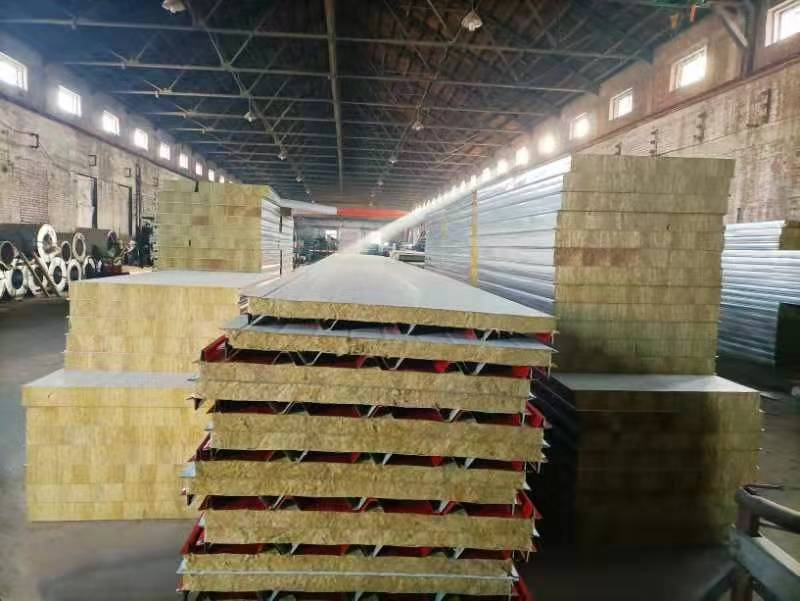
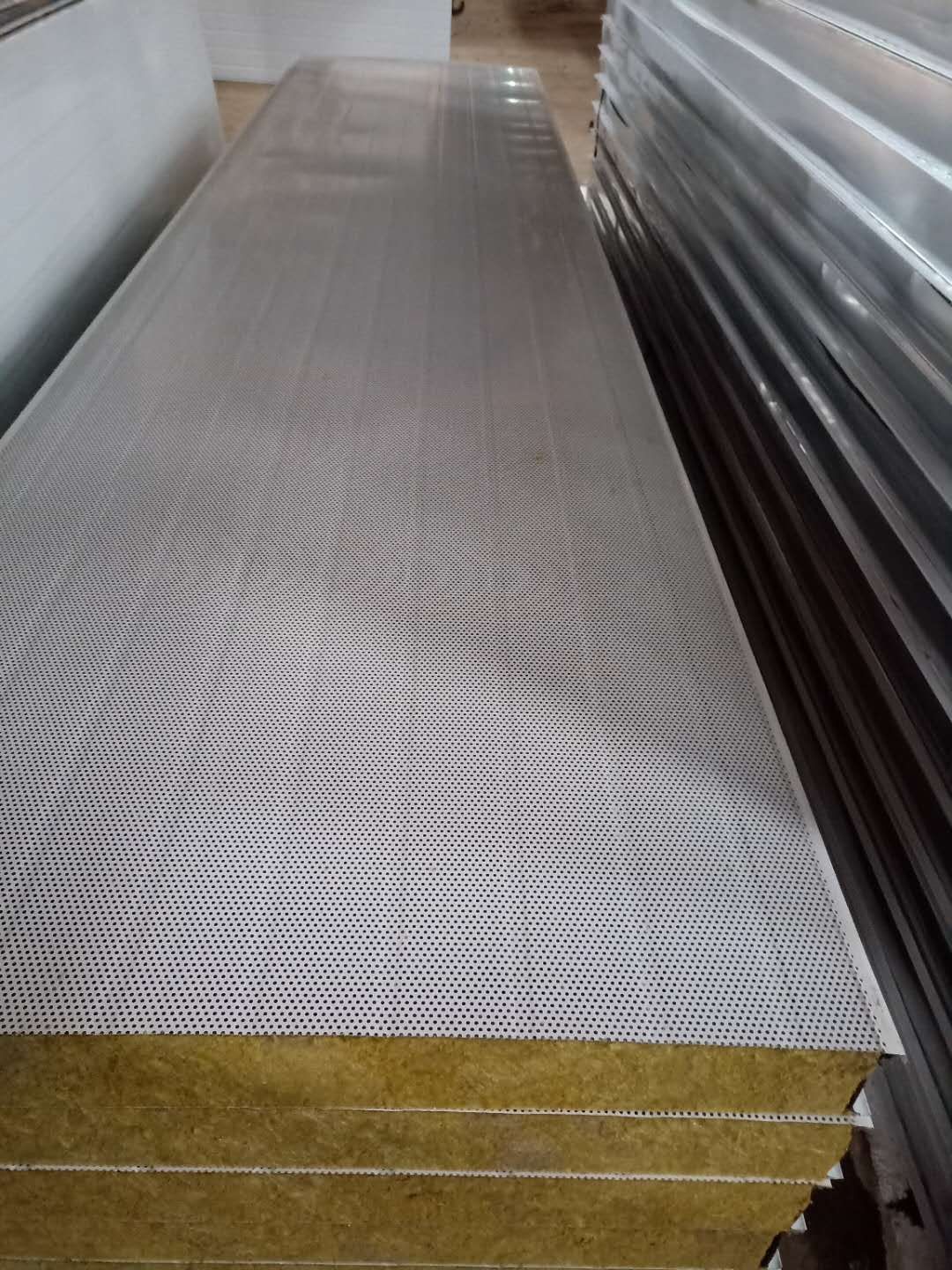
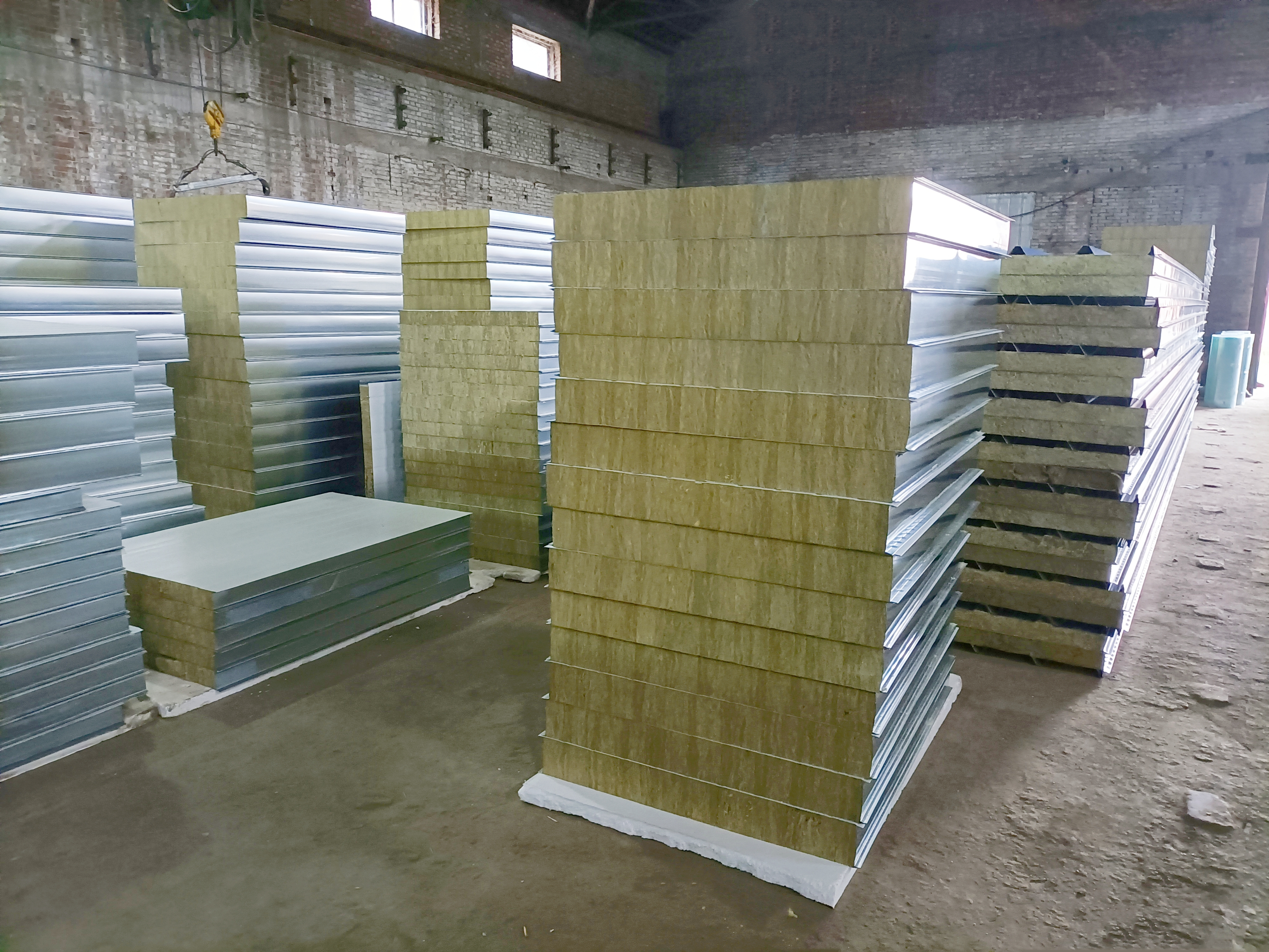
Rockwool soundproofing  panels  are  an  essential building  material designed to reduce noise  transmission in various settings, enhancing  acoustic comfort in both  residential  and industrial applications. As  a buyer, your primary concerns may include  product  performance, material specifications, and  supplier reliability. This  article aims to provide you with  comprehensive insights into sourcing rockwool soundproofing panels,  evaluating their  specifications, understanding cost  factors,  and  exploring their applications in industrial settings.

Why choose Xingyuanxing rockwool soundproofing panels

Our Products

Understanding the Benefits of Rockwool Soundproofing Panels for Projects

When sourcing  rockwool  soundproofing panels, it is crucial to evaluate suppliers  based on their manufacturing capabilities, experience, and product offerings. Look for manufacturers like  Tianjin Xingyuanxing Color Steel Structure Co., Ltd.,  known for their integrated approach to  steel structure engineering and building materials. Reliable suppliers should provide  clear information about their production processes,  certifications, and  quality control measures.

Additionally, assess their  responsiveness and willingness to work  with you on customization needs, such as panel dimensions or specific acoustic  performance requirements.  Request  samples to evaluate product  quality firsthand and engage in  discussions about their production  capabilities, lead times, and  minimum order quantities (MOQ)  to ensure they can meet your project demands. You might also consider using Galvanized Several-Shaped Steel Profiles 50*70mm For Greenhouse Frames for structural support in your projects.

Frequently Asked Questions

Our Blog Posts

What Our Partners Say

Wholesale Purchasing Options for Rockwool Soundproofing Solutions

Wholesale Purchasing Options for Rockwool Soundproofing Solutions

Understanding the specifications of rockwool soundproofing panels is crucial for  making informed purchasing decisions. Key specifications to consider include:

Thickness: The  thickness  of  the panels directly affects their sound  absorption  capabilities. Thicker panels typically provide better soundproofing, but the required thickness may  vary depending on the application.

Density: Higher density rockwool panels tend to  offer better sound insulation. Evaluate the density in relation to your specific soundproofing  needs, as this can  influence both  performance and cost.

Fire Rating: Rockwool is inherently fire-resistant, but confirming the fire rating of the  panels is essential, especially for industrial applications where fire  safety is a priority.

Acoustic Performance: Look  for panels with a  high Noise Reduction Coefficient (NRC) rating, indicating their  effectiveness in absorbing sound. The NRC value  will help you determine how well the panels will perform in your specific environment.

Moisture Resistance: Depending on the  installation location, moisture-resistant panels may be necessary to prevent mold and deterioration.

Carefully confirming these specifications based on your  application will help ensure the panels meet your needs.

Evaluating the Quality of Rockwool Soundproofing Panels for Bulk Orders

Evaluating the Quality of Rockwool Soundproofing Panels for Bulk Orders

The  cost of rockwool soundproofing panels can vary significantly based  on several factors. Key cost considerations  include:

Material Quality: Higher quality  materials will generally incur higher  costs but may provide better performance and durability over  time.

Customization: Custom sizes or specific  acoustic properties  can increase the price. Clearly define your requirements to obtain accurate quotes.

Quantities: Bulk purchases often lead to lower unit  prices. Evaluate your project needs  to determine if ordering in larger  quantities is feasible.

Supplier Location: Shipping costs can impact overall pricing, especially if you  are sourcing from distant suppliers. Factor in logistics when comparing offers.

Lead Time: Rush  orders may incur additional fees. Discuss timelines with  suppliers to align with your project schedule.

By understanding these  cost  factors, you can better navigate supplier negotiations and budget  considerations.

Installation Guidance for Rockwool Soundproofing Panels in Construction

Installation Guidance for Rockwool Soundproofing Panels in Construction

Quality  control is  paramount  when selecting rockwool soundproofing panels. Engage with suppliers to understand their  quality assurance  processes, including material sourcing, production techniques, and  final inspections. A reputable manufacturer  should provide information  on their testing protocols and any relevant certifications.

Additionally, assess the durability of the panels, particularly in industrial  settings where they may be exposed to harsh conditions. Look for  features like moisture resistance and  structural integrity to ensure long-lasting  performance.

Practical experience suggests that buyers should request documented performance data,  such as laboratory  test results, to validate the acoustic performance claims made by suppliers.  This will help you  avoid common pitfalls  and ensure  that you receive a  product that meets your specifications.

Common Problems and Solutions with Rockwool Soundproofing Applications

Rockwool soundproofing panels are versatile and can be  applied in various industrial settings to enhance acoustic performance. Common applications include:

Manufacturing Facilities: Reducing noise pollution from machinery is crucial  for maintaining a safe and productive work environment. Rockwool panels can be installed in walls and ceilings to absorb sound and improve employee comfort.

Commercial Buildings: Offices and conference rooms benefit from soundproofing to enhance privacy and reduce distractions. These panels can be utilized in partitions  and ceilings  to create quieter workspaces.

Studios and Auditoriums: Acoustic performance  is critical in recording studios and  performance spaces. Rockwool panels help control sound reflections and reverberations, creating an optimal environment for audio production.

HVAC Systems: Rockwool can also be  used in  duct insulation to minimize noise generated by air  movement,  contributing to overall sound control in building systems. Additionally, using Steel Structure Floor Load-Bearing Slabs, Open Galvanized Floor Deck Slabs YX76 can enhance your HVAC system's efficiency.

Understanding these applications will help  you  identify the best solutions for your specific  needs and ensure that the  panels are utilized effectively in your projects.

By focusing on these critical aspects, you can make informed decisions when sourcing rockwool soundproofing panels, ensuring that you  select a reliable supplier and obtain a product  that meets your  performance requirements.