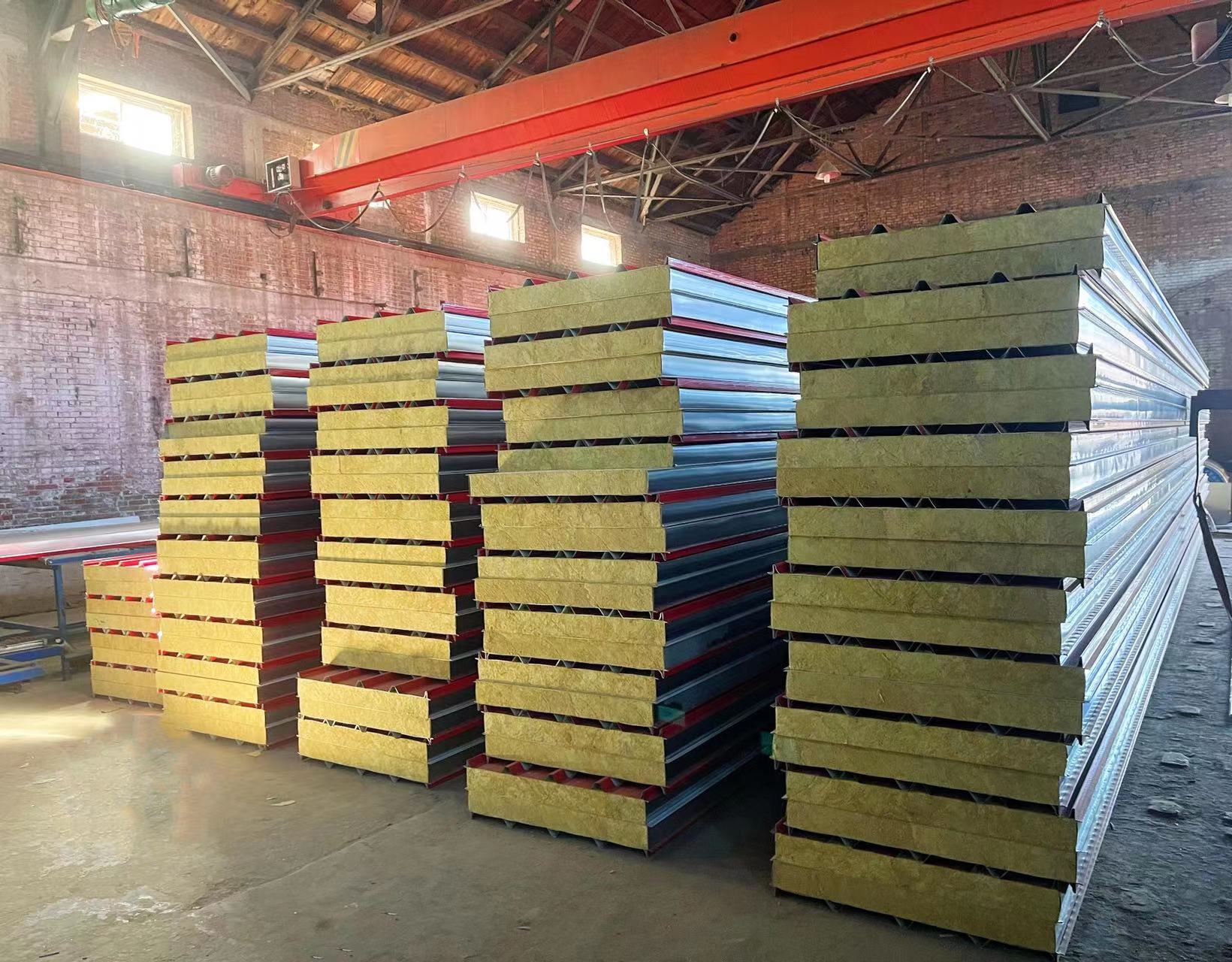
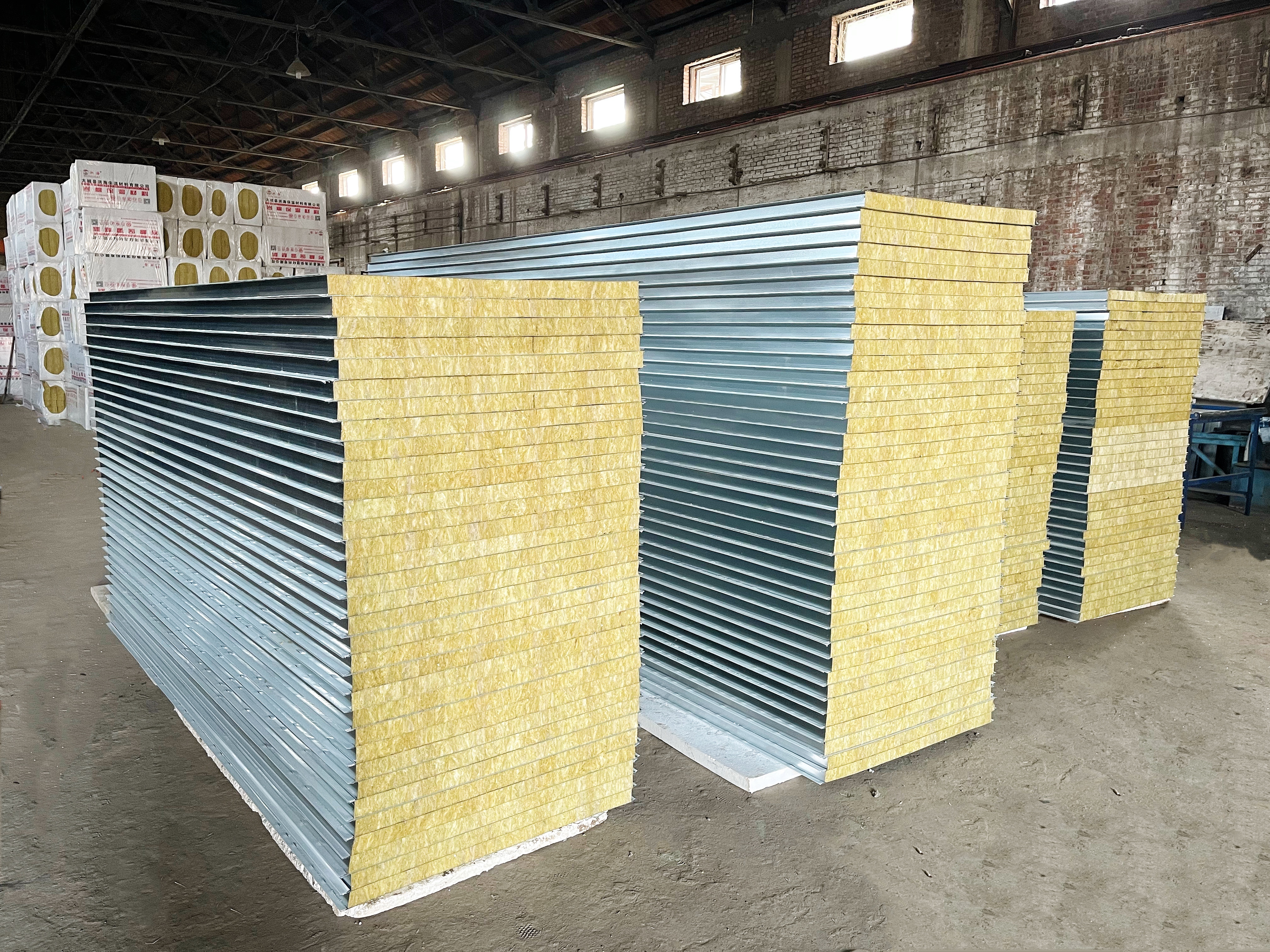
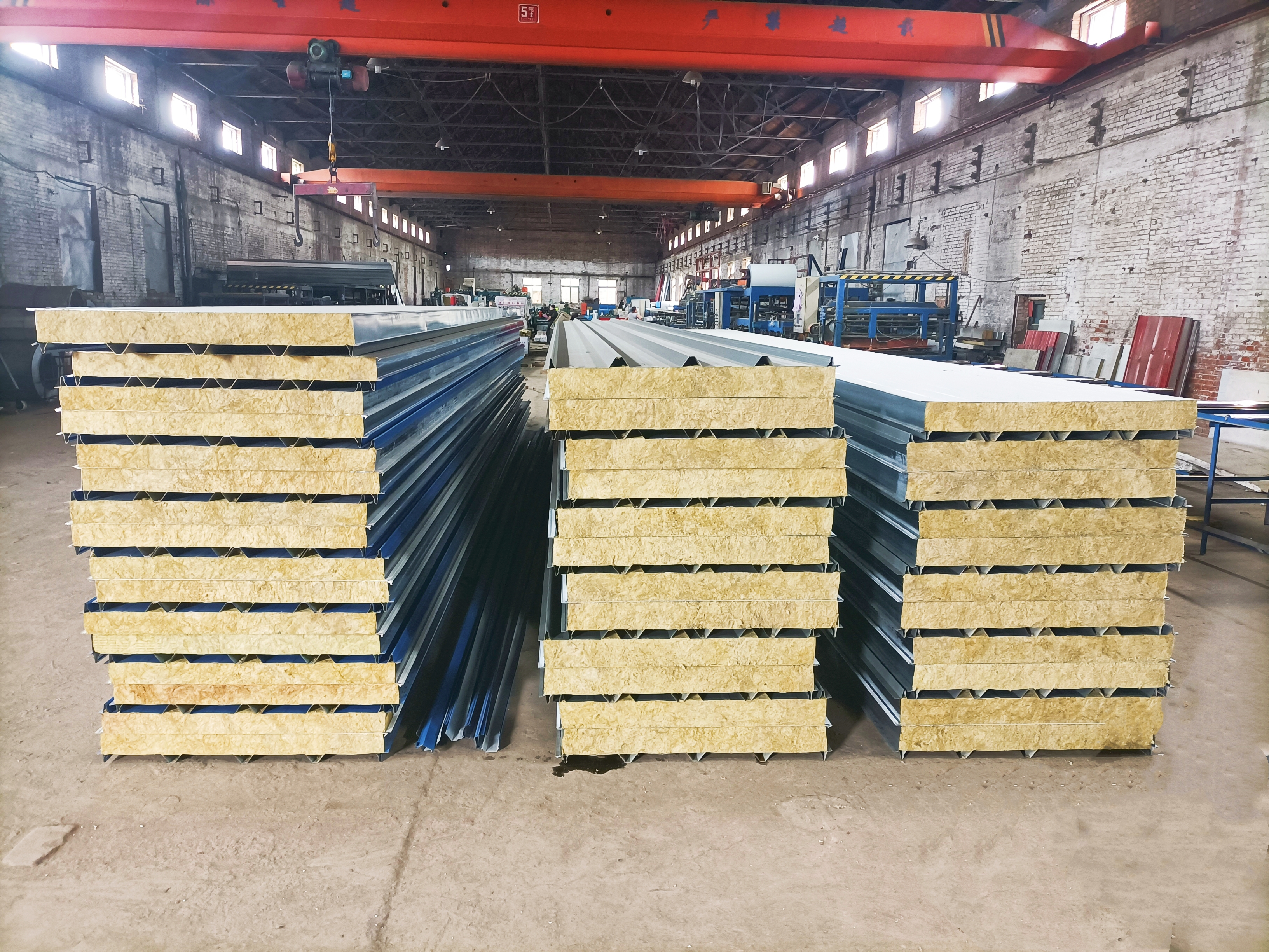
Best Practices to Follow
To maximize the effectiveness and efficiency of your rockwool acoustic board purchase, consider these best practices:
Request Samples: Before committing to a bulk order, request samples to evaluate the material's performance under actual conditions. This helps ensure the product meets your needs in terms of acoustic performance and aesthetics.
Confirm Specifications: Ensure that all specifications, including density, thickness, and fire resistance ratings, are clearly outlined in any agreements. This minimizes the risk of receiving incorrect products.
Evaluate Supplier Reliability: Research potential suppliers by checking customer reviews and case studies. A supplier with a strong reputation for quality and service can provide peace of mind.
Plan for Installation: Consider how the rockwool boards will be installed in your project. Proper installation is crucial to achieving the desired acoustic performance, so factor in any necessary training or resources for your team.
Review Quality Assurance Processes: Inquire about the quality control measures the supplier employs. A robust quality assurance process can help prevent issues such as defects or inconsistencies in the product.
By adhering to these best practices, buyers can enhance their purchasing experience and ensure that their investment in rockwool acoustic boards yields the desired results.
In summary, rockwool acoustic boards are valuable materials for soundproofing applications in various industries. By understanding where to source high-quality boards, key specifications to consider, and best practices for purchasing, buyers can make informed decisions that align with their project's needs.
 EN