Key Specifications of Panel Rockwool for Buyers

application/panel-rockwool, application/panel-rockwool, 
Inquiry
Inquiry

panel rockwool

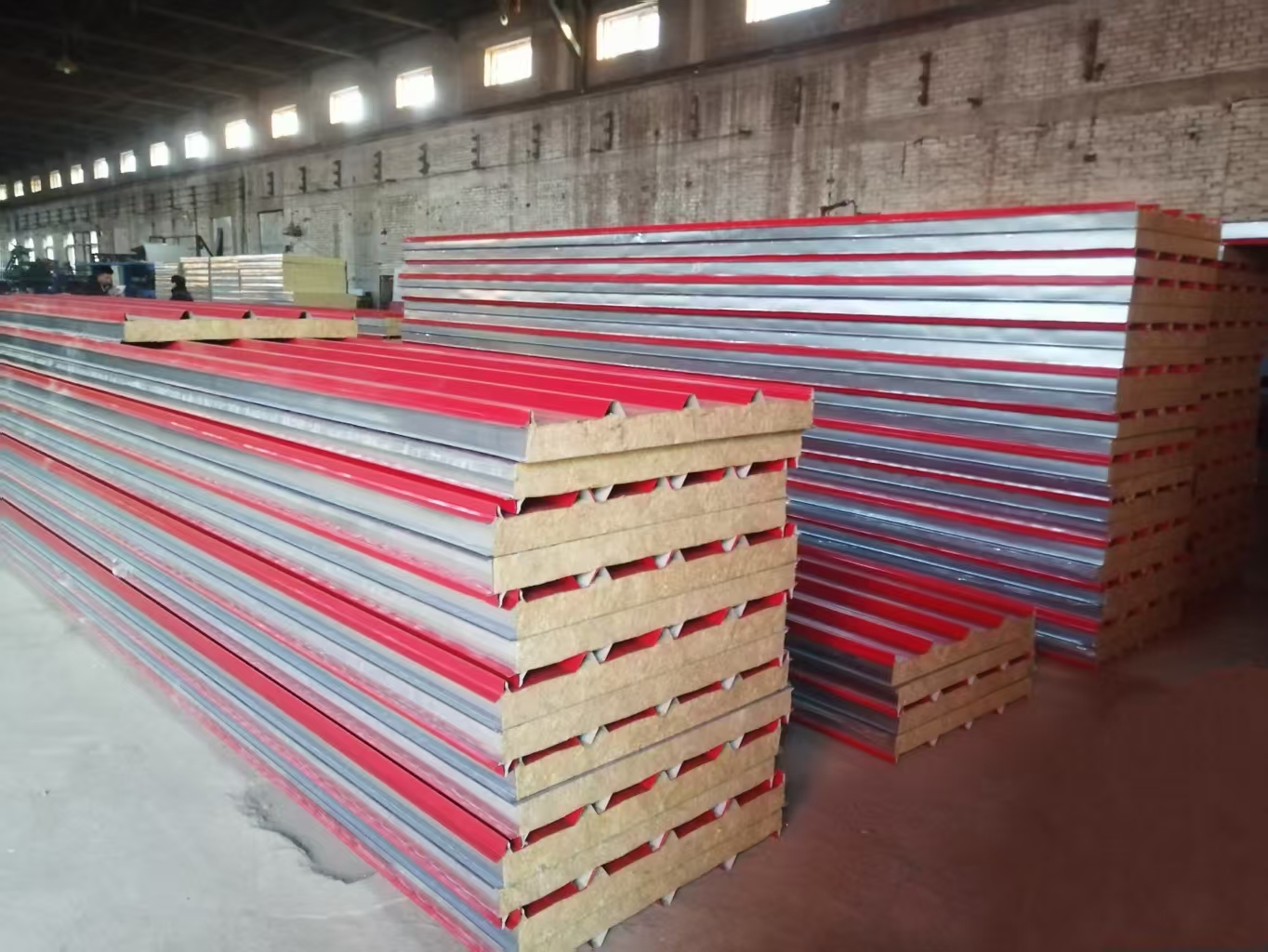
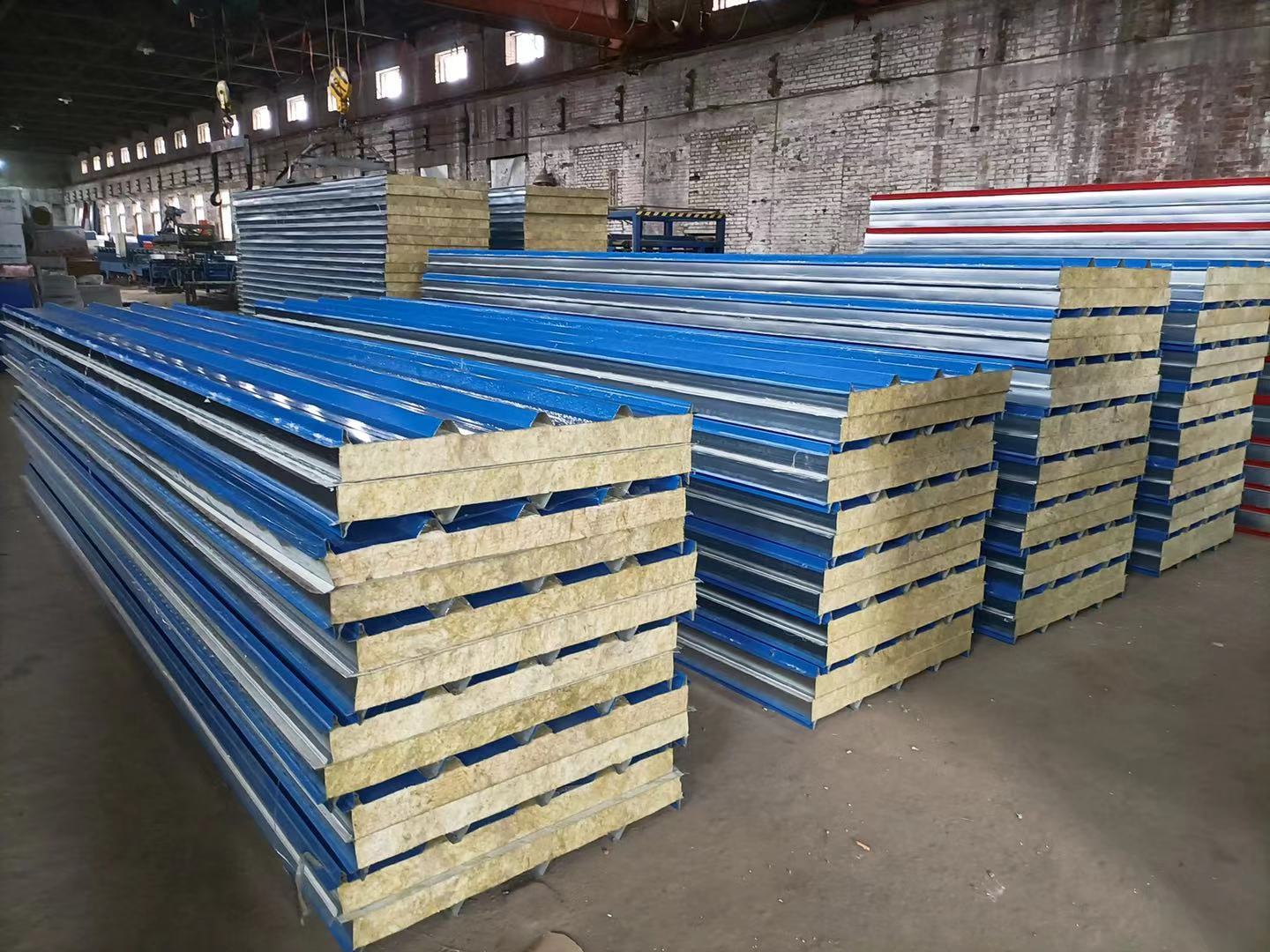
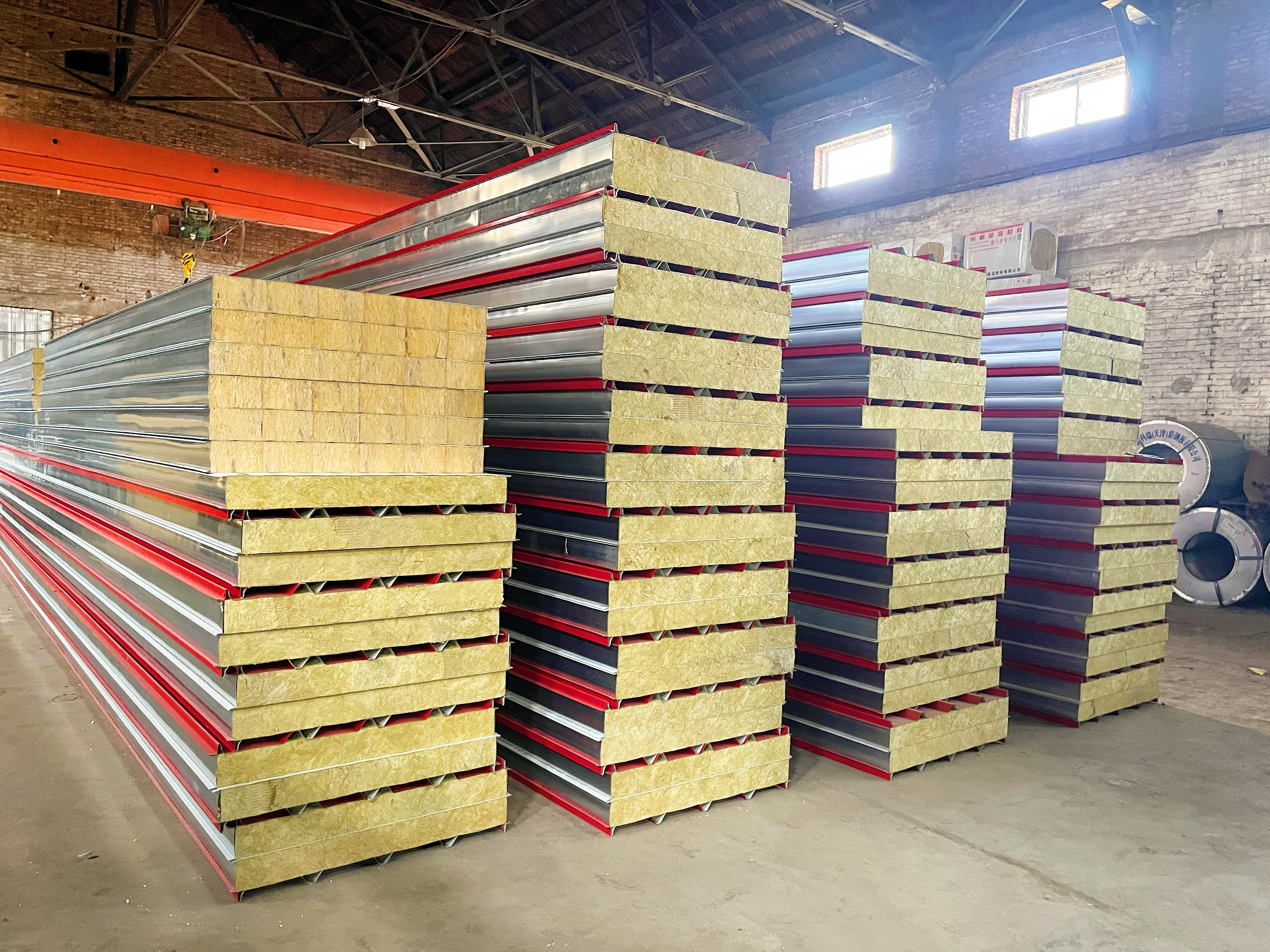
Panel rockwool is a specialized insulation material  widely used  in construction, particularly in industrial and commercial settings.  It is known for its exceptional  thermal  and  acoustic properties,  making it  a preferred  choice for many builders  and contractors. As  B2B buyers, purchasing managers, and engineers evaluate panel rockwool for their projects, they often have significant  concerns regarding specifications,  energy efficiency, and practical  applications. This article aims  to provide  a  comprehensive understanding of panel rockwool, addressing key specifications, benefits, common  challenges,  and applications in various building  projects.

Why choose Xingyuanxing panel rockwool

Our Products

Key Specifications of Panel Rockwool for Wholesale Buyers

When  considering panel rockwool for wholesale purchase, buyers should focus on several key specifications  that  directly influence its performance and suitability for specific applications.

Material  Composition: Panel rockwool is  primarily made from natural basalt rock, which is melted and spun into fibers. This composition gives it fire-resistant properties, making it ideal for safety-conscious applications.

Density and Thickness: The density  of  panel rockwool typically ranges from 80 to 200 kg/m³, while thickness can  vary from 50  mm to 200 mm. These factors affect the insulation's thermal resistance (R-value) and sound absorption capabilities. Higher density panels generally offer better sound insulation, which  is crucial  in commercial buildings.

Thermal Conductivity: The thermal conductivity  of panel rockwool is typically around 0.035 to 0.045 W/mK. A lower value indicates better insulation performance. Buyers should confirm the required thermal performance based on their project's  climate and energy efficiency goals.

Fire Rating: Panel rockwool is classified as non-combustible, often achieving a Class A fire rating. This is a significant consideration for industrial facilities and commercial buildings  that must comply with strict fire safety regulations.

Moisture Resistance: The material is designed to resist moisture absorption, which  is crucial in preventing mold and mildew growth. Buyers should verify the  product’s moisture resistance specifications to ensure it meets the environmental conditions of the intended application.

Certifications: Buyers should  look for relevant industry certifications, such as ISO or CE marking,  which can indicate compliance with safety and  quality standards.

Understanding these specifications will help wholesale buyers make informed decisions when sourcing panel rockwool for their projects.

Frequently Asked Questions

What is panel rockwool made of?

Panel rockwool consists of mineral wool fibers bonded into rigid panels with a protective facing, providing thermal insulation and fire resistance for building envelopes.
It offers excellent thermal insulation, sound absorption, fire resistance, moisture resistance, and dimensional stability for steel structures and buildings.
Yes. It is suitable for steel structure engineering, cladding, roofs, and partition panels, compatible with color steel systems supplied and installed by our company.
We offer multiple thicknesses and panel sizes to meet project needs. Exact options depend on thermal and structural requirements—contact us for project-specific specifications.
With 10 years in the Beijing-Tianjin-Hebei region, we control production, provide quality-inspected panels, and offer efficient design, fabrication, and on-site installation services.

Our Blog Posts

What Our Partners Say

How Panel Rockwool Enhances Energy Efficiency in Construction

How Panel Rockwool Enhances Energy Efficiency in Construction

Panel rockwool significantly contributes to energy  efficiency in construction through  its exceptional thermal insulation properties. By minimizing heat transfer, it helps maintain stable indoor temperatures, reducing the reliance on heating and cooling systems. This leads to lower energy consumption and operational costs for buildings.

Thermal Performance: The R-value of panel  rockwool is a  critical  metric for energy efficiency. A high R-value means better insulation, which is essential for reducing energy loss in buildings,  particularly in climates with  extreme temperatures.

Long-term Savings: Investing in high-quality panel rockwool can lead to  significant  long-term savings on energy bills. While the initial cost may be higher than alternative insulation materials, the  energy savings over the lifespan of the building often justify the investment. Additionally, utilizing a robust factory building of steel structure can further enhance energy efficiency.

Sustainability: Many manufacturers, including Tianjin Xingyuanxing Color Steel  Structure Co., Ltd., focus on sustainable production practices. Panel rockwool  can contribute to green building certifications, enhancing the marketability of commercial properties.

Noise Reduction: Beyond thermal insulation, panel rockwool effectively  absorbs  sound, improving the acoustic environment within buildings. This is  particularly  important in commercial spaces such as  offices,  schools, and hospitals, where noise reduction  can enhance productivity  and comfort.

By incorporating panel rockwool into construction projects, buyers can enhance energy efficiency, achieve cost savings, and promote sustainability.

Best Practices Explained

Best Practices Explained

To ensure optimal performance  and  longevity of panel rockwool in construction, several best practices  should be followed during installation and  use:

Proper Installation: Ensuring that panel rockwool is installed correctly is  crucial. Gaps or compression  can significantly reduce its insulating properties. Hiring experienced professionals or following manufacturer guidelines can mitigate this risk.


Moisture Control: While panel rockwool  is moisture-resistant,  it is essential to manage  moisture levels in the application environment. Proper vapor barriers and drainage systems should be implemented to prevent  water  accumulation.

Sample Approval: Before bulk orders,  buyers should approve samples to confirm the product meets their specifications  and performance expectations. This step can prevent costly mistakes and  production delays.

Regular Inspection: Periodic inspections of installed insulation can help identify  potential issues before they become significant problems.  Checking for signs of moisture damage or degradation ensures that the insulation remains effective.

Customization: Depending on the project requirements, consider  customizing panel rockwool dimensions or density. Collaborating with manufacturers like Tianjin Xingyuanxing can lead to tailored solutions that meet specific needs.  Furthermore, incorporating secondary steel structure can complement the use of panel rockwool in enhancing overall efficiency.

By adhering  to these best practices, buyers can maximize  the benefits of panel rockwool in their construction projects.

Common Problems with Panel Rockwool and Effective Solutions

Common Problems with Panel Rockwool and Effective Solutions

While panel rockwool is a highly effective insulation material, it can present certain challenges that buyers  should be aware of:

Installation Errors:  Common installation mistakes include improper sealing or failure to account for moisture barriers. To prevent  these errors, comprehensive training for installation teams can be beneficial, along with clear communication  of installation requirements.


Moisture Intrusion: Although panel rockwool  is moisture-resistant, prolonged exposure to high humidity or water can compromise its effectiveness. Implementing effective drainage and  moisture  control measures can mitigate this risk.


Degradation  Over Time: Like  all materials, panel rockwool can degrade if not properly maintained. Regular inspections can help identify any signs of wear or damage, allowing for timely repairs or replacements.

Cost Considerations: Some buyers may find  the  initial investment in panel rockwool higher than alternatives. However, emphasizing the long-term energy savings and durability can justify  the upfront costs.

Compatibility with  Building Designs: Depending on the  building’s design, panel rockwool may not fit neatly into all applications.  Collaborating with manufacturers during the design phase can ensure compatibility and optimal performance.

By understanding these common issues and implementing effective solutions, buyers can ensure  the successful  application of panel rockwool  in their projects.

Applications of Panel Rockwool in Industrial and Commercial Buildings

Panel rockwool is versatile and suitable for various applications  in industrial and commercial buildings:

Industrial Facilities: Due to its fire resistance and thermal properties, panel rockwool is ideal for factories  and manufacturing plants. It helps regulate temperature and minimize energy costs while providing a safe  working environment.

Commercial Buildings: Office  spaces, shopping centers, and  hotels benefit from panel rockwool's acoustic properties, creating comfortable environments for occupants. It also contributes to energy efficiency,  which is a growing concern  among building owners.

Cold Storage Facilities: The insulation properties of panel rockwool make  it suitable for cold storage applications, where maintaining specific temperatures is critical. It helps prevent heat  transfer, ensuring  the integrity of stored goods.

Roof and Wall Insulation: Panel rockwool can be applied in both roof and wall systems, providing comprehensive  insulation solutions for various building types. Its  lightweight nature makes it easy to handle and  install.

Fire Protection Systems: In applications where  fire safety is paramount, panel rockwool serves as  an effective barrier, helping to  contain fires  and protect structural integrity.

By leveraging the diverse applications of  panel rockwool, buyers can enhance the functionality and efficiency of their  industrial  and commercial projects.