Key Considerations for Rockwool Roof Panels

application/rockwool-roof-panels, application/rockwool-roof-panels, 
Inquiry
Inquiry

rockwool roof panels

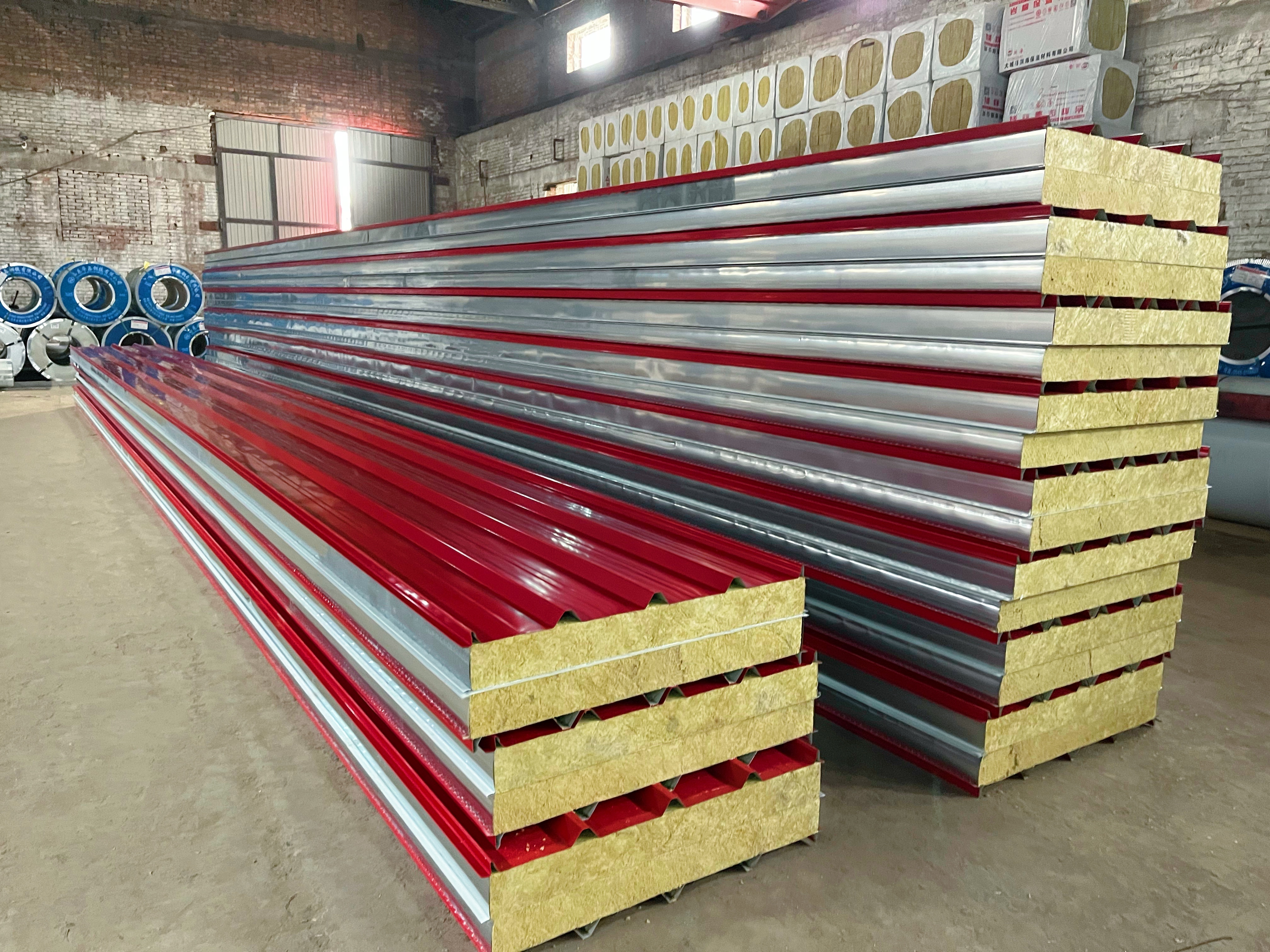
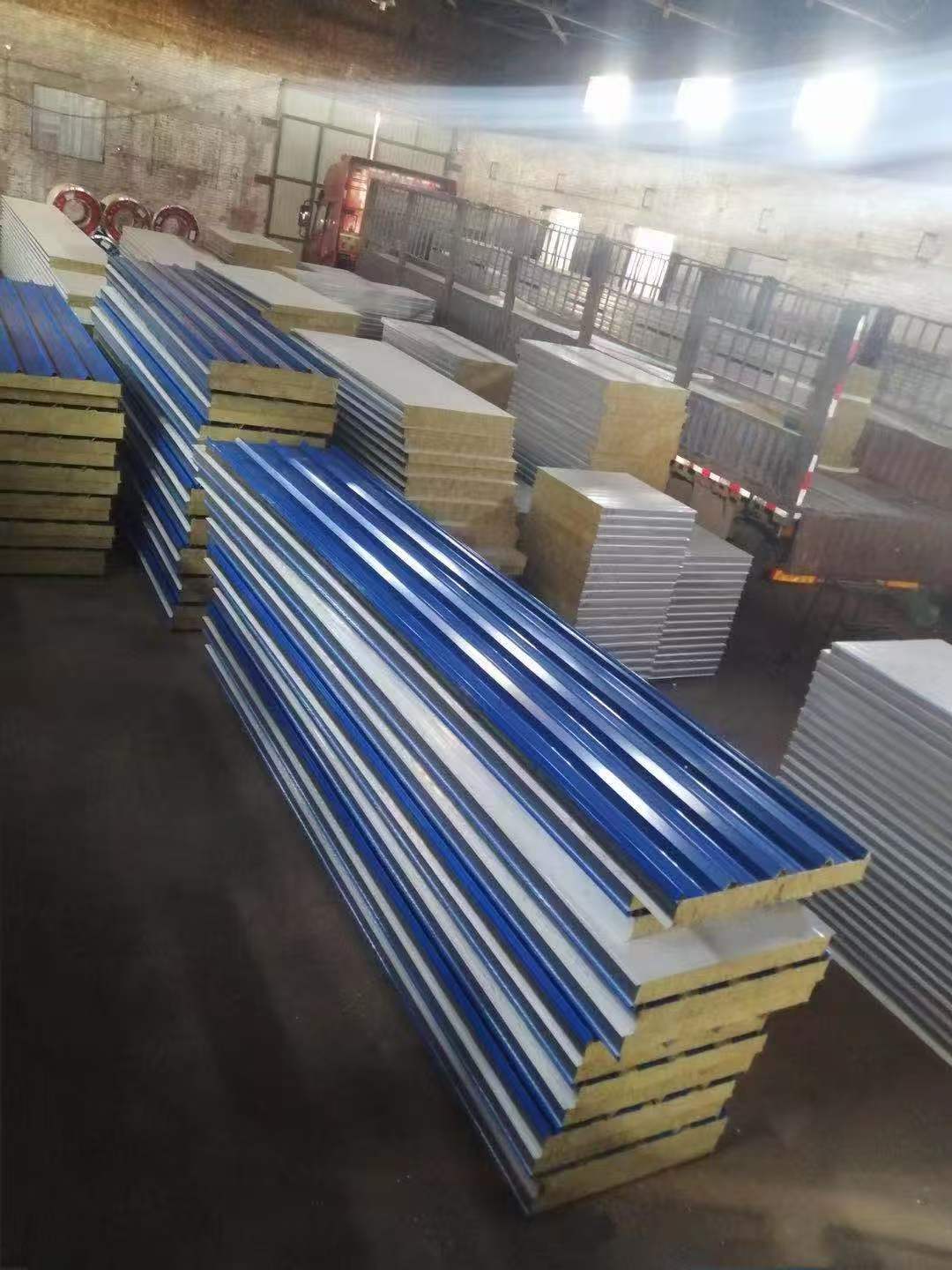
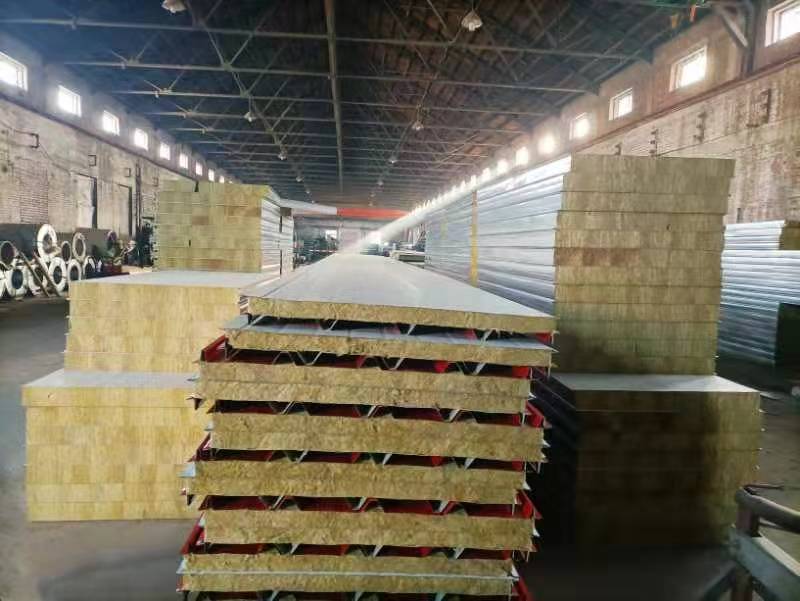
Rockwool  roof  panels are a widely used thermal  and acoustic insulation solution  in  the construction industry,  especially for industrial and commercial buildings. These panels are made from natural  rock materials, providing excellent fire resistance,  durability, and  energy  efficiency. For B2B  buyers,  the primary concerns typically involve  understanding  the specifications, cost factors, installation challenges, and applications of rockwool roof panels. This  article will delve  into these aspects  to help purchasing  managers, engineers, and contractors make  informed decisions.


Why choose Xingyuanxing rockwool roof panels

Our Products

Key Specifications to Consider When Sourcing Rockwool Roof Panels

When  sourcing rockwool roof panels, several key specifications should be evaluated to ensure they meet your project requirements:

Thickness: The thickness of  rockwool panels directly affects their thermal performance, sound insulation, and  weight. Thicker panels generally provide better insulation but may also increase overall project costs.

Density: The density of the rockwool material influences its thermal conductivity and structural integrity. Higher density panels offer improved durability and resistance to  compression, making them suitable for roofs that experience heavy loads.

Fire  Resistance: Rockwool is non-combustible, which is crucial for building safety. Panels are typically rated according  to fire classification standards, such  as EN 13501-1. Buyers should verify the  fire resistance  rating to ensure compliance with local building codes.

Water Resistance: While rockwool offers good  moisture resistance, it is essential  to ensure that the panels possess proper  water repellent properties to prevent moisture absorption  that could compromise insulation performance.

Dimensions: Standard sizes are available, but customization may be needed depending on specific project requirements. Accurate dimensions are critical to avoiding gaps and ensuring a proper fit during  installation.

Certification: Look for panels that have been  tested and certified by  recognized bodies, ensuring they meet industry  standards for performance and safety. Understanding these  specifications will  help you select the right rockwool roof panels tailored to your  project’s needs.

Frequently Asked Questions

Our Blog Posts

What Our Partners Say

Cost Factors to Consider When Purchasing Rockwool Roof Panels

Cost Factors to Consider When Purchasing Rockwool Roof Panels

The cost of rockwool roof panels can vary significantly  based on several factors:

Material Costs: Prices can fluctuate based on the  raw materials used. A higher density or specialty treated rockwool may cost more but could offer  better performance and longevity.

Panel Size  and Thickness: Larger or  thicker panels typically incur higher material costs. It’s essential to balance the need for  insulation against budget constraints.

Customization: Custom sizes or specific performance characteristics may lead to  increased  costs. Consider whether  standard options can meet your requirements to keep  costs  manageable.Hot-Dip Galvanized I-beam Profiles 10# For Humid Industrial Workshops


Shipping  and Handling: Depending  on the delivery location, transportation costs can impact the overall  price. Buyers should factor in lead times and shipping fees when budgeting.

Quantity Discounts: Purchasing  in bulk might offer cost savings. Be sure  to discuss minimum order quantities (MOQ) with suppliers to understand potential  pricing breaks.

Installation Costs: The complexity of installation can  also affect the  overall cost. Ensure to account for labor costs and whether specialized skills are needed for installation.

By considering these cost factors, buyers can better budget for their rockwool roof panel projects.

Common Installation Problems with Rockwool Roof Panels and Solutions

Common Installation Problems with Rockwool Roof Panels and Solutions

Installing rockwool roof panels can present  challenges that, if not addressed,  may compromise performance:

Improper Sealing: Gaps between panels can lead to thermal bridging, reducing insulation efficiency. To  mitigate this, ensure all seams are properly sealed using compatible sealants to maintain a continuous thermal  barrier.

Moisture Issues: If panels are not installed correctly,  they may trap moisture, leading to mold growth or structural damage. It is critical to ensure proper ventilation and moisture  barriers are in place during  installation.

Weight and Handling: Rockwool panels can  be heavy, which may pose challenges during handling and installation. Proper lifting techniques and equipment should be employed to prevent  injuries and damage to the  panels.

Alignment and Fit: Misalignment can occur if panels are not carefully  measured and cut. Conduct thorough measurements and dry-fit panels  before securing  them  to ensure a proper fit.


Thermal Expansion: Changes in temperature can cause panels  to expand or contract. Allow for appropriate spacing between panels to accommodate movement and prevent buckling.

By anticipating these common installation problems and their solutions, buyers can  ensure a smoother  installation  process.

 
Exploring the Advantages of Rockwool Roof Panels for Contractors

Exploring the Advantages of Rockwool Roof Panels for Contractors

Rockwool roof panels offer  multiple advantages that make them an attractive  choice for contractors:

Fire  Resistance: With superior fire-resistant properties, rockwool panels can help meet stringent safety regulations, providing peace of mind for contractors and building owners alike.  Corrosion-Resistant Hot-Dip Galvanized Round Tube Q235B For Greenhouse Bracing

Thermal Insulation: Their excellent  thermal insulation capabilities contribute to energy efficiency, reducing heating and cooling costs for the building occupants.

Sound  Absorption: Rockwool panels are effective sound absorbers, making them ideal for environments where noise control  is essential, such as commercial and industrial facilities.

Sustainability: Made from natural materials, rockwool is  a sustainable option for construction projects. Its longevity  and recyclability contribute  to environmentally friendly building practices.

Ease  of Installation: Many rockwool panels are designed for  quick installation, saving  time and labor costs on-site.  


Customizability: Manufacturers  often offer  customization options, allowing contractors to  specify dimensions and performance characteristics tailored to specific project needs.

These advantages highlight how  rockwool roof panels can enhance the value  of construction projects, making them  a preferred choice for many contractors.

Application Scenarios for Rockwool Roof Panels in Construction Projects

Rockwool roof  panels  are versatile and can be  utilized in various construction  scenarios:

Industrial Buildings: These panels are commonly used in factories and warehouses where thermal insulation, fire  resistance, and sound absorption are critical.   Factory Direct Q235B Angle Bar Steel With 90 Degree Right-Angle Structure

Commercial Structures: In office buildings and  shopping  centers, rockwool panels help maintain comfortable indoor climates while reducing  energy consumption.

Residential  Projects: For homes, particularly in  areas with extreme  weather, rockwool panels provide essential insulation  and contribute to energy efficiency.

Cold Storage Facilities: Rockwool’s thermal  properties make  it ideal for  cold storage  applications, ensuring temperature stability and energy savings.


Green Buildings: As part  of sustainable construction practices, rockwool panels are often incorporated into green building designs to  meet energy efficiency and environmental standards.

By understanding these application scenarios, buyers can better assess the suitability of rockwool roof panels for their specific projects, leading to more informed  purchasing decisions.