Choosing Rockwool Panels for Industrial Applications

application/rockwool-panels, application/rockwool-panels, 
Inquiry
Inquiry

rockwool panels

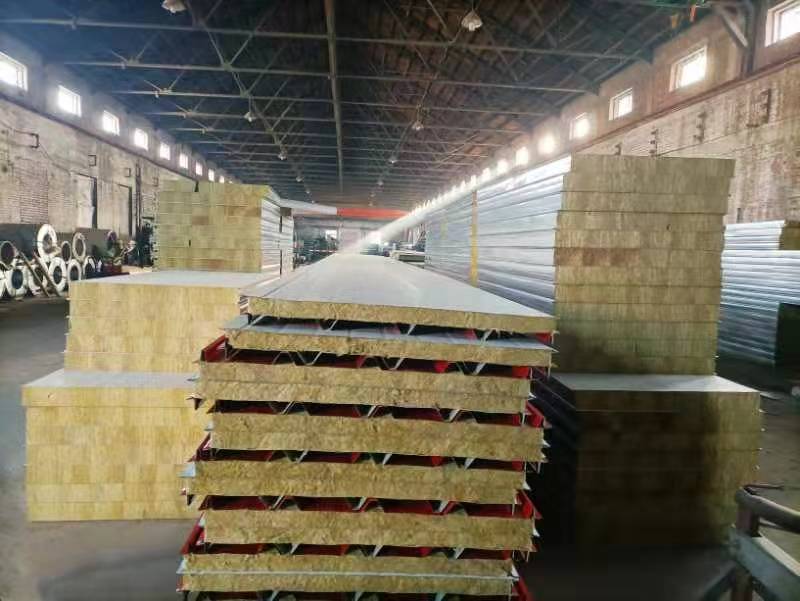
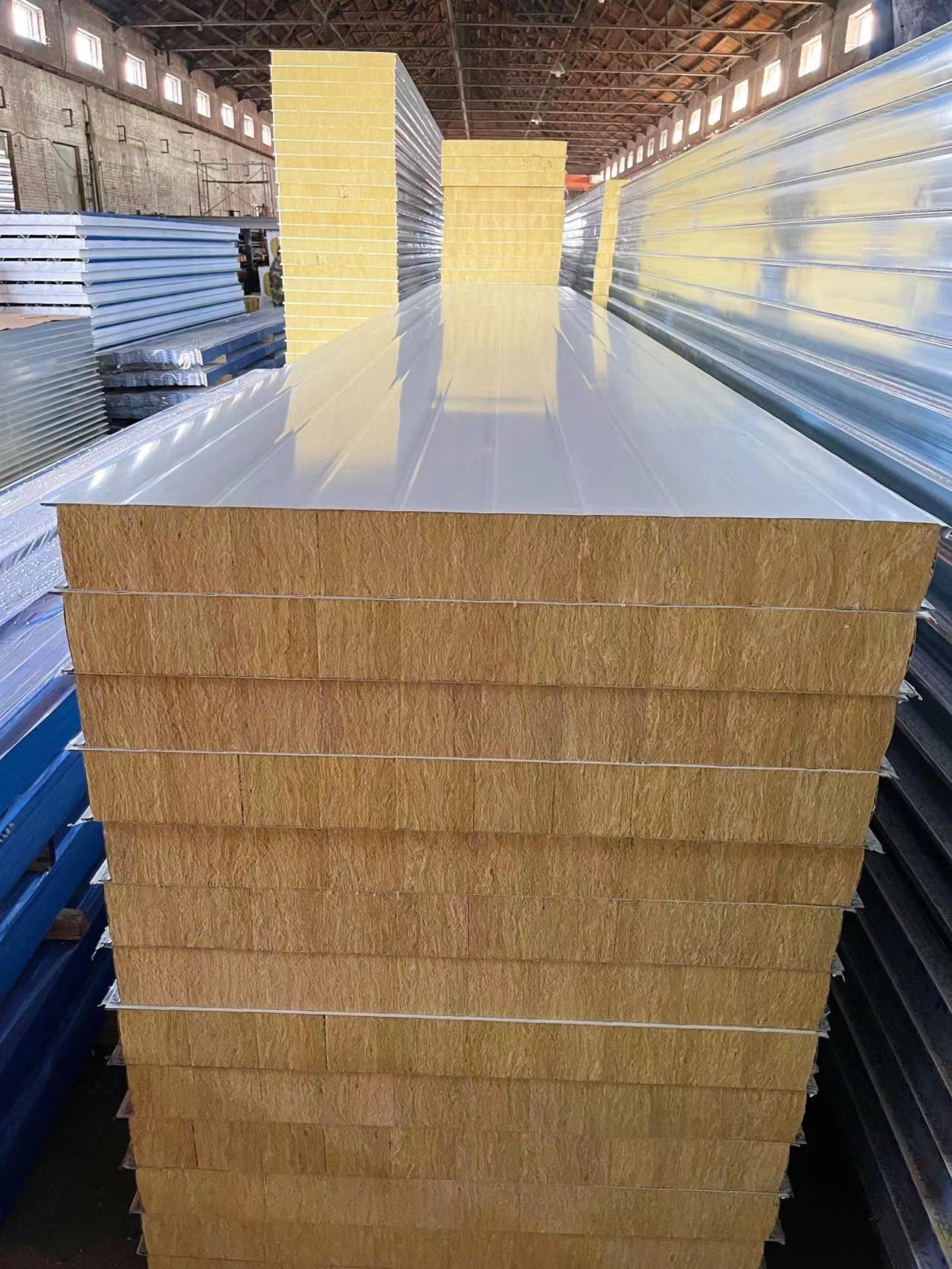
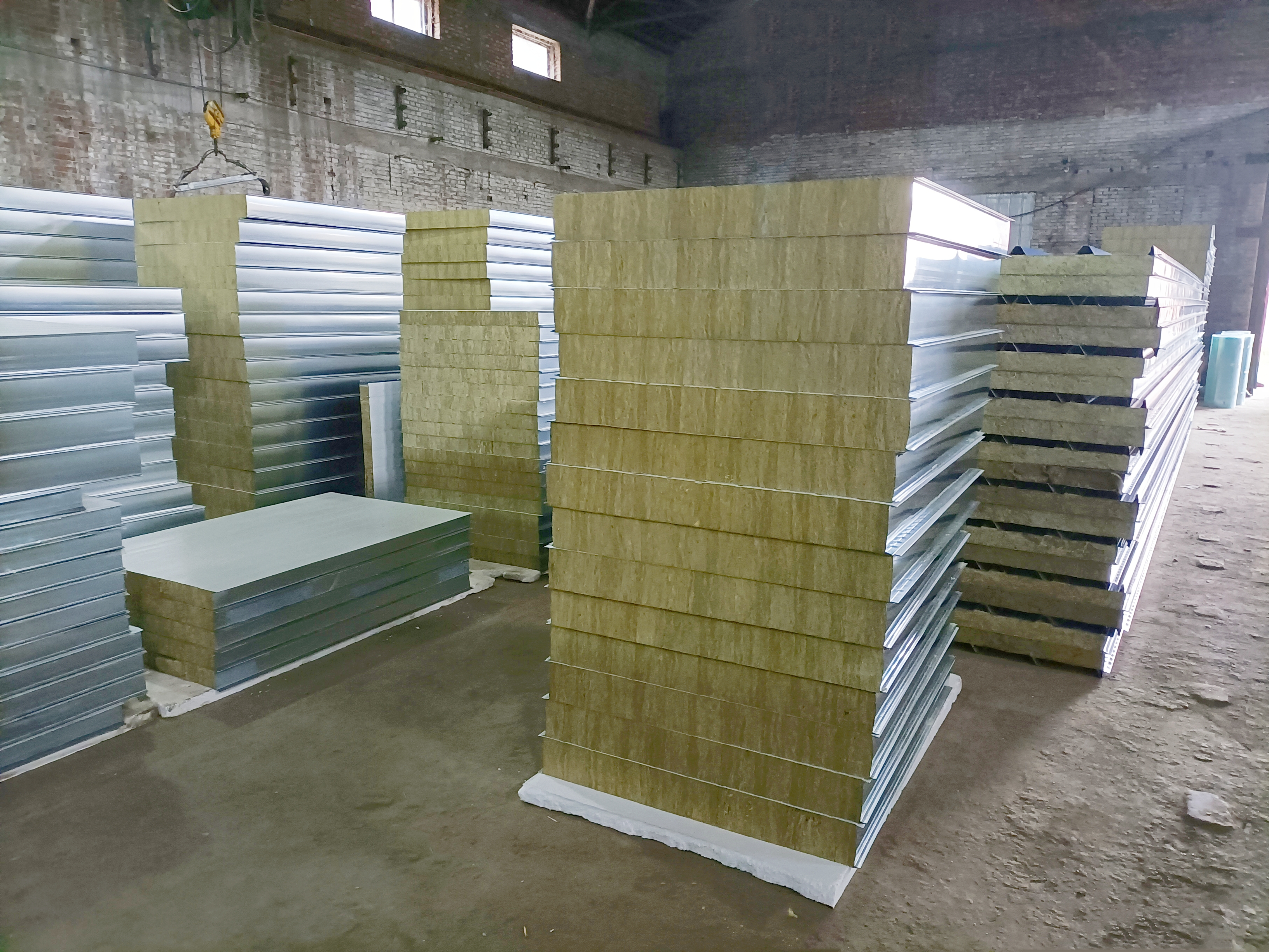
Rockwool panels  are a popular choice in the construction and manufacturing industries  due to  their  excellent  insulation properties and  fire resistance.  They are widely used  in various applications,  including industrial  buildings, warehouses, and  commercial spaces. As  a  B2B buyer, understanding the specific needs for  your project and the  unique characteristics of rockwool panels is essential. This article will help you navigate the  selection  process, including technical  specifications, factors affecting cost, and  common installation challenges associated with  rockwool panels.

Why choose Xingyuanxing rockwool panels

Our Products

Choosing the Right Rockwool Panels for Your Industrial Needs

When selecting rockwool panels for  your industrial applications, consider factors such  as thermal insulation, acoustic performance, and fire resistance. The right  choice will  depend on the specific requirements of your project. For instance, if you are working in  a high-temperature environment, panels with higher fire-resistance ratings  are critical. Additionally, soundproofing  may be a priority in manufacturing facilities to minimize noise pollution, necessitating panels  designed for acoustic insulation. Furthermore, using Hot-Dip Galvanized I-beam Profiles 10# For Humid Industrial Workshops can enhance structural support in such environments.

The  dimensions and density  of the panels also play a  significant  role  in their effectiveness. Thicker panels generally offer  better insulation, while denser panels can provide enhanced durability and resistance to external pressures. Be sure to  assess the specific environmental conditions of  your project, including  moisture levels  and potential exposure to chemicals, as these  factors will impact the performance and  longevity of the panels.

Frequently Asked Questions

Our Blog Posts

What Our Partners Say

What to Consider

What to Consider

When evaluating rockwool panels, several key  considerations should be taken into  account:

Material Composition: Ensure the panels are made from  high-quality stone wool, which provides  superior insulation  and  fire resistance. The manufacturing  process should adhere to industry standards to guarantee consistency and performance.

Thermal Resistance  (R-Value): Determine the thermal resistance required for your application. A higher R-value indicates better insulation, leading to energy savings and  improved climate control within the building.

Acoustic Properties: If sound attenuation is a concern, look  for panels specifically designed for acoustic insulation. These panels can significantly reduce noise transmission, which is crucial in manufacturing and  commercial environments.

Fire Safety Ratings: Confirm the fire safety ratings of  the panels, ensuring they meet local regulations and safety standards. Rockwool panels are typically non-combustible, but specific ratings can vary based on thickness and density.


Environmental Conditions: Consider  the environmental factors your  panels will be exposed to, such as humidity, temperature fluctuations, and potential chemical exposure. Selecting the right  panel  composition will  enhance durability and performance in various  conditions.

&nbsp
Cost Factors to Consider When Purchasing Rockwool Panels

Cost Factors to Consider When Purchasing Rockwool Panels

The cost of rockwool panels can vary significantly based on  several factors:

Panel Specifications: Higher density and  thicker panels generally cost  more due to the increased material and  manufacturing complexity. Evaluate your project's requirements to determine the most  cost-effective option without compromising quality.

Quantity Ordered:  Bulk purchases  often come with  discounts, making  larger  orders more economical per unit. Be sure to discuss minimum order quantities  (MOQ) with  your supplier to optimize costs.

Customization Requirements: If your project requires custom  sizes or specifications, this can increase the production costs. Ensure you communicate your needs clearly to the manufacturer to receive accurate pricing.

Shipping and Handling:  Depending on the size and weight of  the panels, shipping costs can also impact the overall price. Consider the logistical  aspects of delivery when  budgeting  for  your project.

Market Trends: Keep an eye on market trends and fluctuations in raw material prices, as these can influence the pricing of rockwool panels. Engaging with a reliable supplier can provide insights into current pricing  and future trends.

Technical Specifications of Rockwool Panels for Contractors

Technical Specifications of Rockwool Panels for Contractors

Understanding the technical specifications  of rockwool panels  is crucial for  contractors  involved in installation:

Thickness: Common thicknesses range from 50mm  to 200mm. The thickness  selected should align with the desired R-value and application requirements.

Density: Panel density typically ranges from 80 kg/m³ to 150 kg/m³. Higher density panels provide better sound insulation and  durability but  may  be more expensive.

Fire Resistance Class:  Rockwool panels are often classified according to their fire resistance. Look for panels that meet the necessary standards for your specific application.


Moisture Resistance: Some panels come with moisture-resistant coatings, which are beneficial in humid  environments. Ensure the selected panels  have the appropriate moisture resistance  ratings for your project.

Acoustic Performance: Check the Noise Reduction Coefficient (NRC) ratings for panels  to ensure they meet the acoustic requirements for your  facility.

By confirming these specifications, contractors can ensure the selected  rockwool panels meet both  performance and regulatory  requirements.

&nbsp

Common Installation Problems with Rockwool Panels and Solutions

While rockwool panels are relatively straightforward to  install, several common issues can arise during the process:

Incorrect Sizing:  Panels that do not fit properly can create gaps that  reduce insulation effectiveness. To avoid this, always measure openings accurately and confirm panel dimensions before ordering.

Moisture Accumulation:  If not installed  correctly, moisture can accumulate in or around the panels, leading to mold growth. Ensure that the installation area is adequately ventilated, and  consider  using moisture-resistant panels in high-humidity environments.

Improper Sealing:  Sealing joints improperly may lead to air leaks, diminishing the insulation performance. Utilize  appropriate sealants and ensure that all joints are tightly sealed during installation.

Weight Considerations: Rockwool panels can be heavy, which may pose challenges during installation. Ensure that your team has the necessary equipment and manpower to handle the panels safely.

Surface Preparation: Ensure that surfaces are clean and free  from  debris before installation. Any contaminants can affect the adhesion and overall performance of the panels.

By being aware  of these potential problems and proactively addressing them during  installation, contractors can enhance the effectiveness  and longevity of  rockwool  panels in their projects.

In summary, rockwool panels  offer significant advantages for industrial applications,  particularly  in insulation and fire resistance. Understanding the selection criteria, cost factors, technical specifications, and common installation challenges is  essential for making informed purchasing decisions. Additionally, utilizing high-quality materials such as Galvanized Several-Shaped Steel Profiles 50*70mm For Greenhouse Frames can complement the performance of rockwool panels in construction.