Key Considerations for Rock Wool Acoustic Panels

application/rock-wool-acoustic-panel, application/rock-wool-acoustic-panel, 
Inquiry
Inquiry

rock wool acoustic panel

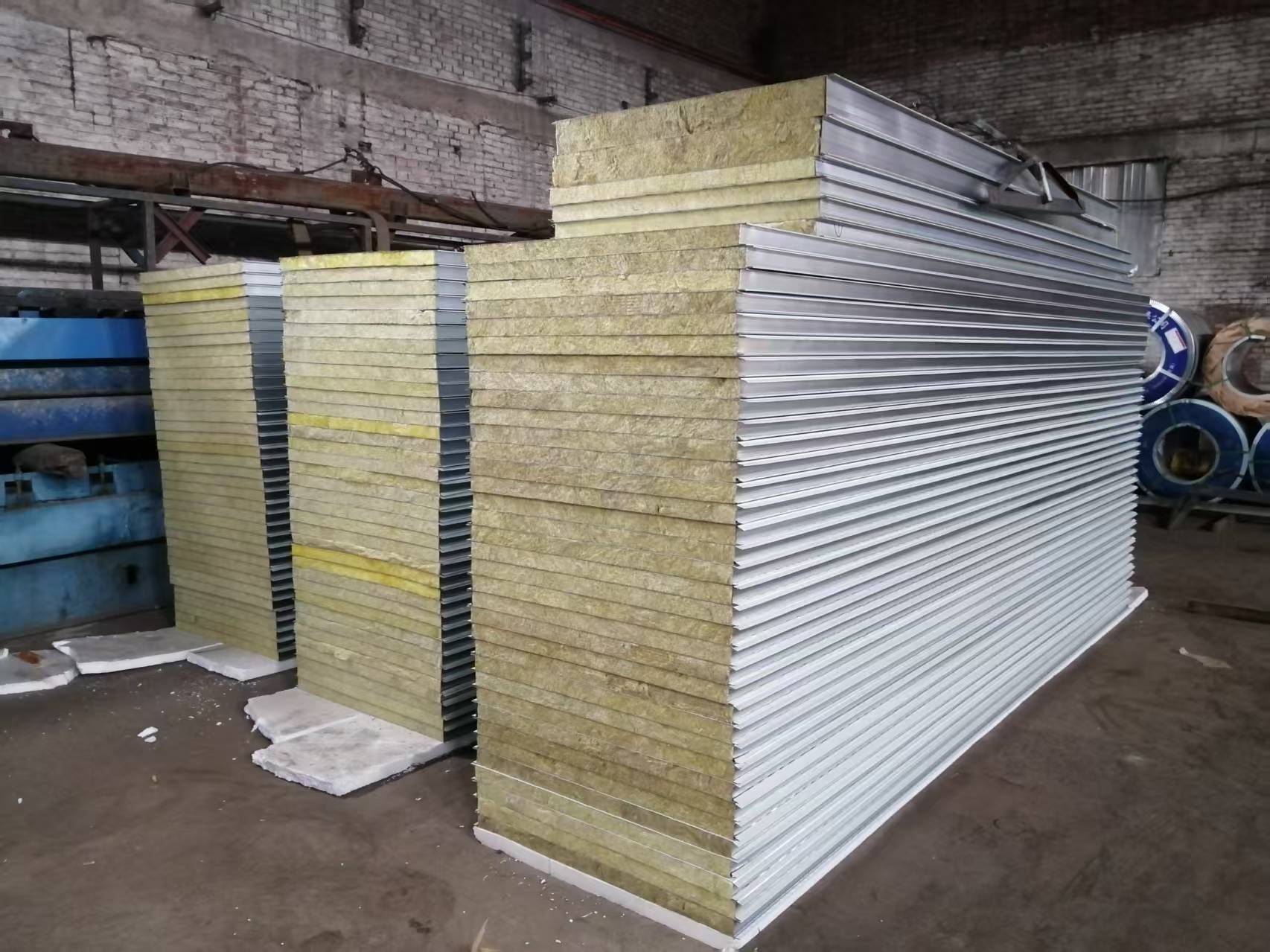
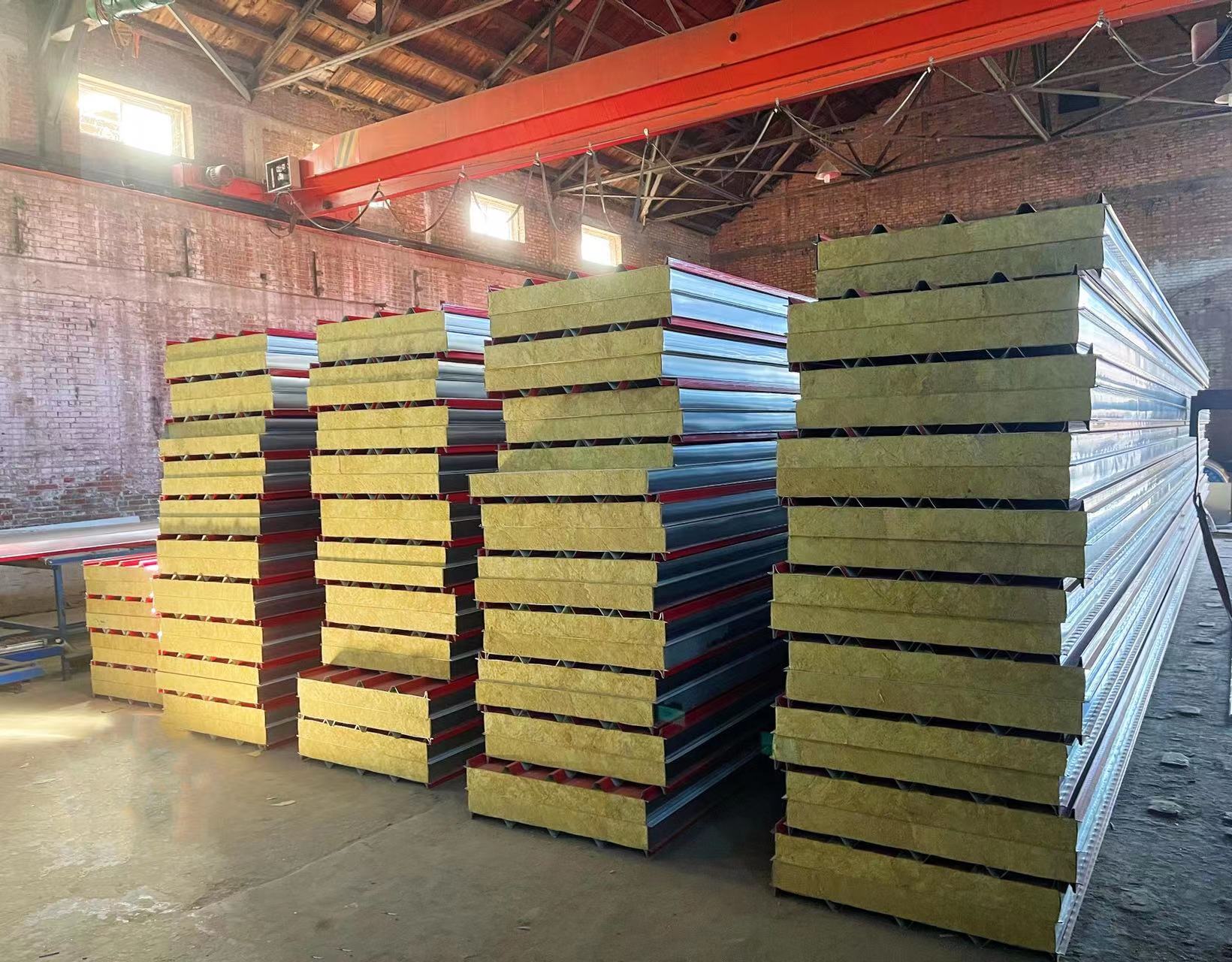
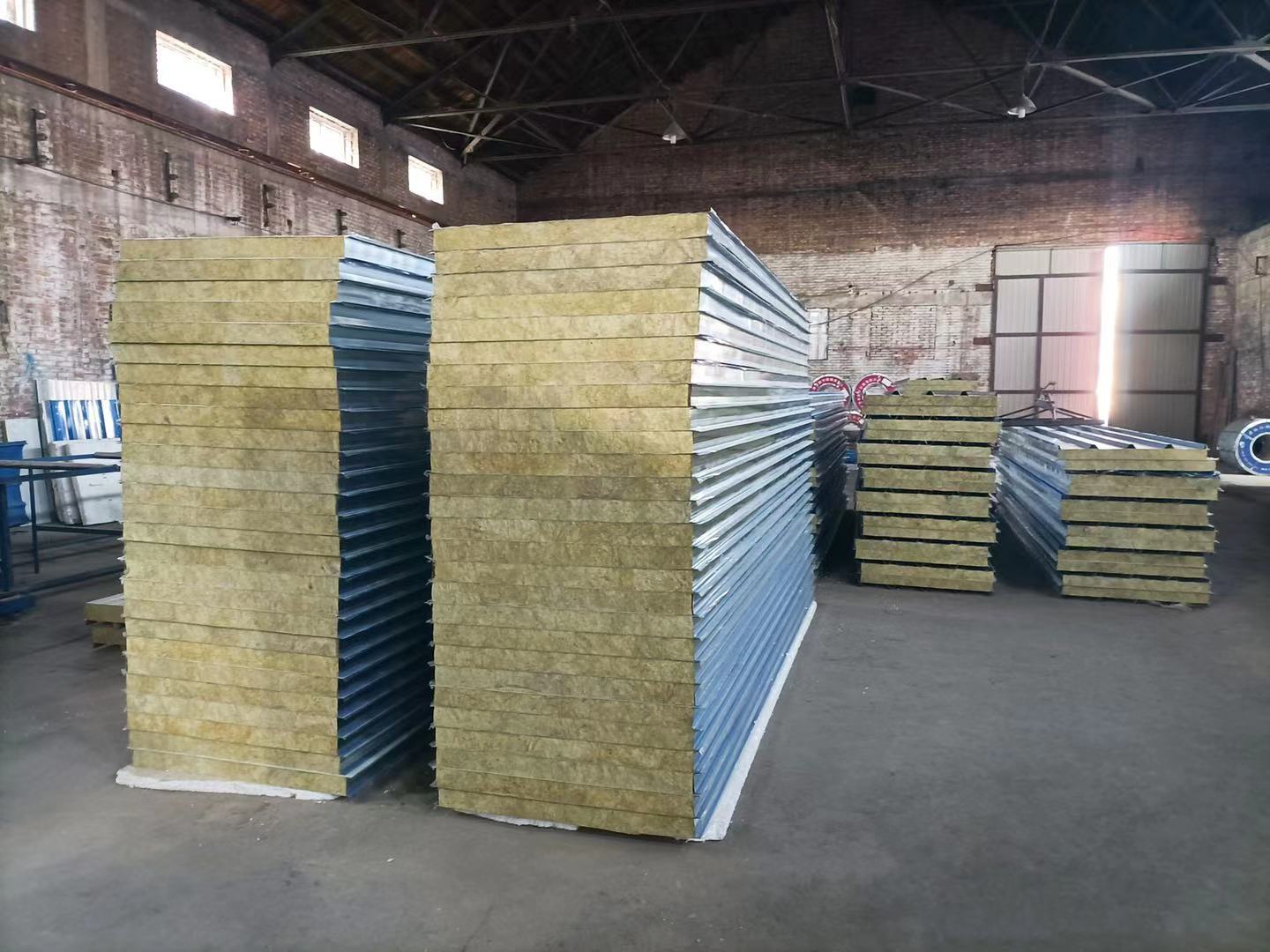
Rock wool acoustic panels  are specialized  sound-absorbing materials made from mineral  fibers. They  are engineered  to enhance sound quality  in various environments,  making them a  preferred choice  for commercial and industrial applications.  For B2B buyers, particularly purchasing managers and engineers, key concerns typically include  product specifications, supplier reliability,  and  how to properly  evaluate  and implement these panels in  projects. This article will guide you through essential considerations when selecting  rock wool acoustic  panels,  ensuring you make informed purchasing decisions.


Why choose Xingyuanxing rock wool acoustic panel

Our Products

Key Specifications of Rock Wool Acoustic Panels for Buyers

When evaluating rock wool acoustic  panels, several key specifications should be considered to ensure optimal performance.


Thickness: Common thicknesses range  from 25mm to 100mm. Thicker panels generally provide better sound absorption, especially for lower frequencies, which is crucial in  spaces like auditoriums or manufacturing facilities with high noise levels.

Density: The  density of rock wool  panels can vary,  typically from 40 kg/m³ to 120 kg/m³. Higher density panels tend to offer  superior acoustic performance and fire resistance, making them suitable for more demanding applications.

NRC Rating: The Noise  Reduction Coefficient (NRC) measures how much sound a  panel can absorb. An NRC value closer to 1 indicates better  sound absorption. Look for panels with an  NRC of at least 0.75 for  effective sound control.

Fire  Resistance: Rock wool is inherently non-combustible, but different grades may  have  varying fire ratings. Confirm that the panels  meet local fire safety standards  relevant to your industry.

Dimensions: Standard  panel sizes vary, but common dimensions include 600mm x 1200mm. Ensure the size fits your installation requirements and minimizes waste during construction. For instance, you might consider using Hot-Dip Galvanized I-beam Profiles 10# For Humid Industrial Workshops for structural support in your installations.

Understanding these specifications not only helps in selecting the right product but also aligns your choice with the intended application,  ensuring effective sound management in your project.

Frequently Asked Questions

Our Blog Posts

What Our Partners Say

Finding Reliable Rock Wool Acoustic Panel Suppliers

Finding Reliable Rock Wool Acoustic Panel Suppliers

Identifying a trustworthy supplier is crucial for securing quality rock wool acoustic panels. Key factors to consider include:

Experience and Reputation: Look for suppliers with a solid track record  in the industry. Companies like Tianjin Xingyuanxing Color Steel Structure  Co., Ltd., with over 10 years of experience, are often more reliable due to their established quality  control processes and customer service.

Certifications: Verify  that the supplier's products meet industry standards and certifications.  This can include ISO certifications or compliance with local building  codes, which indicate adherence to quality and safety standards.

Production Capabilities: Assess the supplier’s manufacturing capabilities,  including their equipment and technology. This will impact  their ability  to produce  panels that  meet your specifications consistently,  especially for custom orders.

Customer Support:  Reliable suppliers should offer strong customer support. This includes assistance  with product selection,  sample  approvals, and after-sales service  to address any issues that arise post-purchase.

Lead Times: Inquire about production lead times and delivery schedules. Suppliers with efficient logistics can help you avoid project delays.

By focusing on these aspects,  you can ensure that you  partner with a supplier who can meet  your needs effectively while maintaining high standards.

What to Look for in Acoustic Panels Made of Rock Wool

What to Look for in Acoustic Panels Made of Rock Wool

When selecting rock wool acoustic  panels, buyers should evaluate  several critical factors to ensure that the panels meet both performance and project requirements:

Material Quality:  High-quality rock wool panels are made from pure basalt rock and have a consistent fiber structure. Check for certifications  that ensure the raw materials meet  industry standards.

Surface Treatment: Many  rock wool panels come with surface  treatments that  enhance aesthetics and durability.  Consider whether a painted or laminated  surface is necessary for your application, particularly in visible areas.

Customizability: Depending on your project, you may need panels cut to specific sizes or with special edge treatments. Discuss  customization options with suppliers to ensure  that the panels fit your installation requirements.  Additionally, looking into Corrosion-Resistant Hot-Dip Galvanized Round Tube Q235B For Greenhouse Bracing could provide you with the necessary support for unique designs.


Environmental Considerations: Check if the panels are environmentally friendly. Many manufacturers offer products  made from recycled materials or those  that contribute to LEED certification points.

Performance Testing: Request  performance  data including absorption coefficients, fire ratings, and durability tests. This information is essential for confirming that the panels will perform as expected in your specific environment.


By  considering these factors, buyers can ensure they select rock wool acoustic panels  that provide effective sound control while meeting aesthetic and environmental standards.

Understanding the Pricing of Rock Wool Acoustic Panels

Understanding the Pricing of Rock Wool Acoustic Panels

Pricing for rock  wool acoustic panels  can vary  significantly based on  several factors:

Material and Manufacturing Costs: Higher density  panels typically  cost more due to the  quality of materials and manufacturing processes  involved. Consider the trade-off  between initial costs and long-term performance benefits.

Customization: Custom sizes or finishes can increase the price. Clearly define your requirements when requesting quotes to avoid unexpected costs.

Order Quantity: Many suppliers have minimum order quantities (MOQ) which can  affect pricing. Ordering in bulk may  reduce  the per-unit  cost, so consider project  needs and budget constraints.


Shipping and Handling: Factor in shipping costs, especially for larger orders. Local suppliers may offer better shipping rates, reducing overall costs.

Market Fluctuations: Prices can also be influenced by market demand and availability of raw materials.  Keep  abreast of market conditions that could affect pricing.

Understanding these  pricing  factors  will enable buyers to budget effectively and make informed purchasing decisions without compromising on quality.

Best Practices

To maximize the effectiveness of rock  wool acoustic panels  in your  projects, consider  these best practices:

Sample Testing:  Before placing a large order, request samples to test  in your actual environment. This allows you to evaluate  performance, fit, and appearance.

Installation Guidance: Follow  manufacturer installation guidelines closely. Proper installation is critical for achieving  the desired acoustic performance and longevity  of the panels.

Regular Maintenance: While rock wool  panels are  durable, regular inspection  for damage  or wear is recommended. Addressing any issues early can prevent larger problems down  the line.

Consult Experts: If uncertain about  acoustic requirements, consult with acoustic engineers  or specialists. They can provide insights into the most suitable products and configurations for your specific application.

Documentation: Keep thorough documentation of your purchase, including specifications, certificates, and installation guidelines. This ensures that you have all necessary information for future reference or potential warranty claims.

By adhering  to these best practices, buyers can enhance the  performance and lifespan of rock wool acoustic panels,  ensuring they achieve the intended sound management objectives in their projects.