Choosing Durable Metal Sheet Panels for Construction

application/metal-sheet-panels, application/metal-sheet-panels, 
Inquiry
Inquiry

metal sheet panels

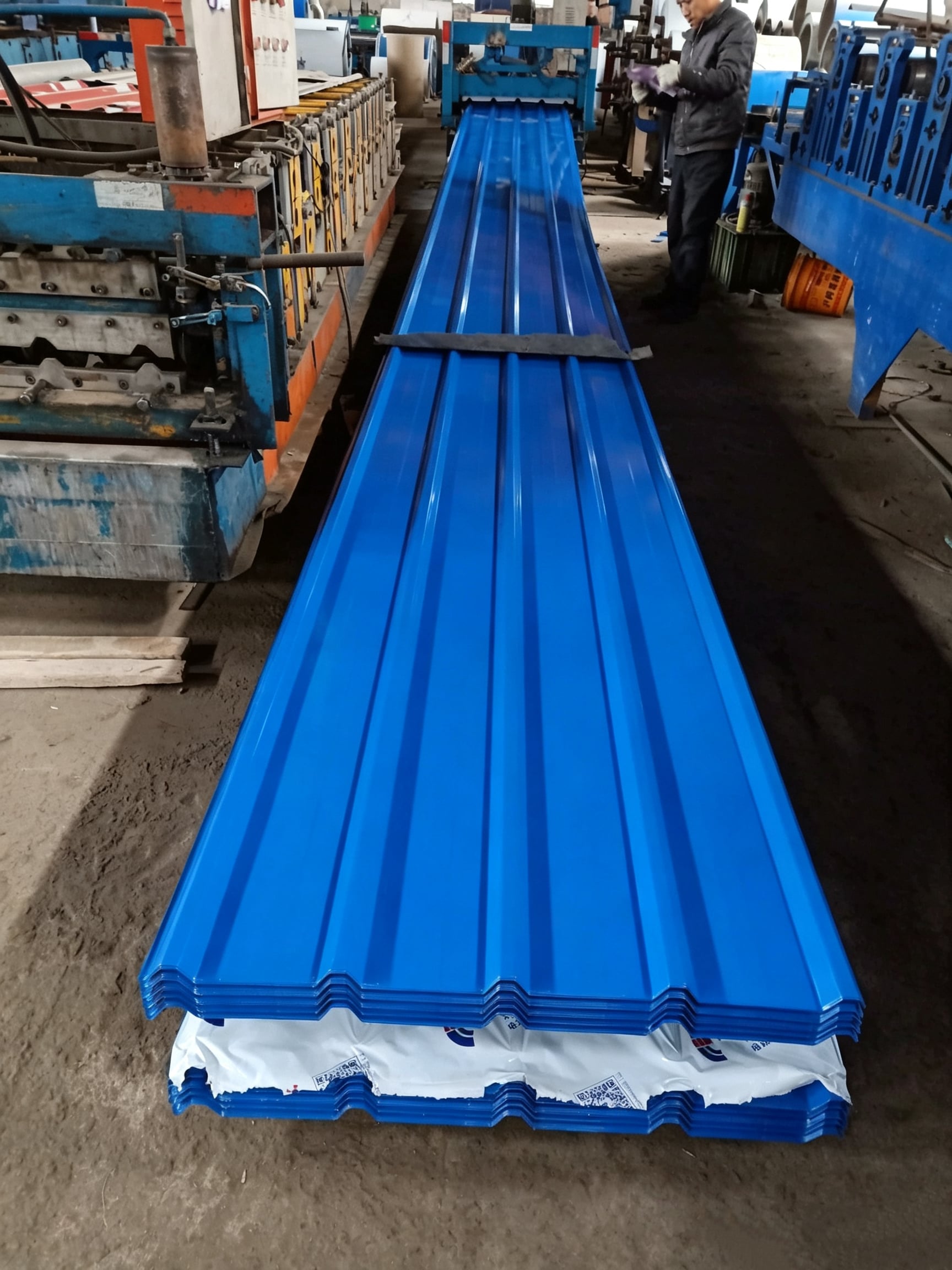
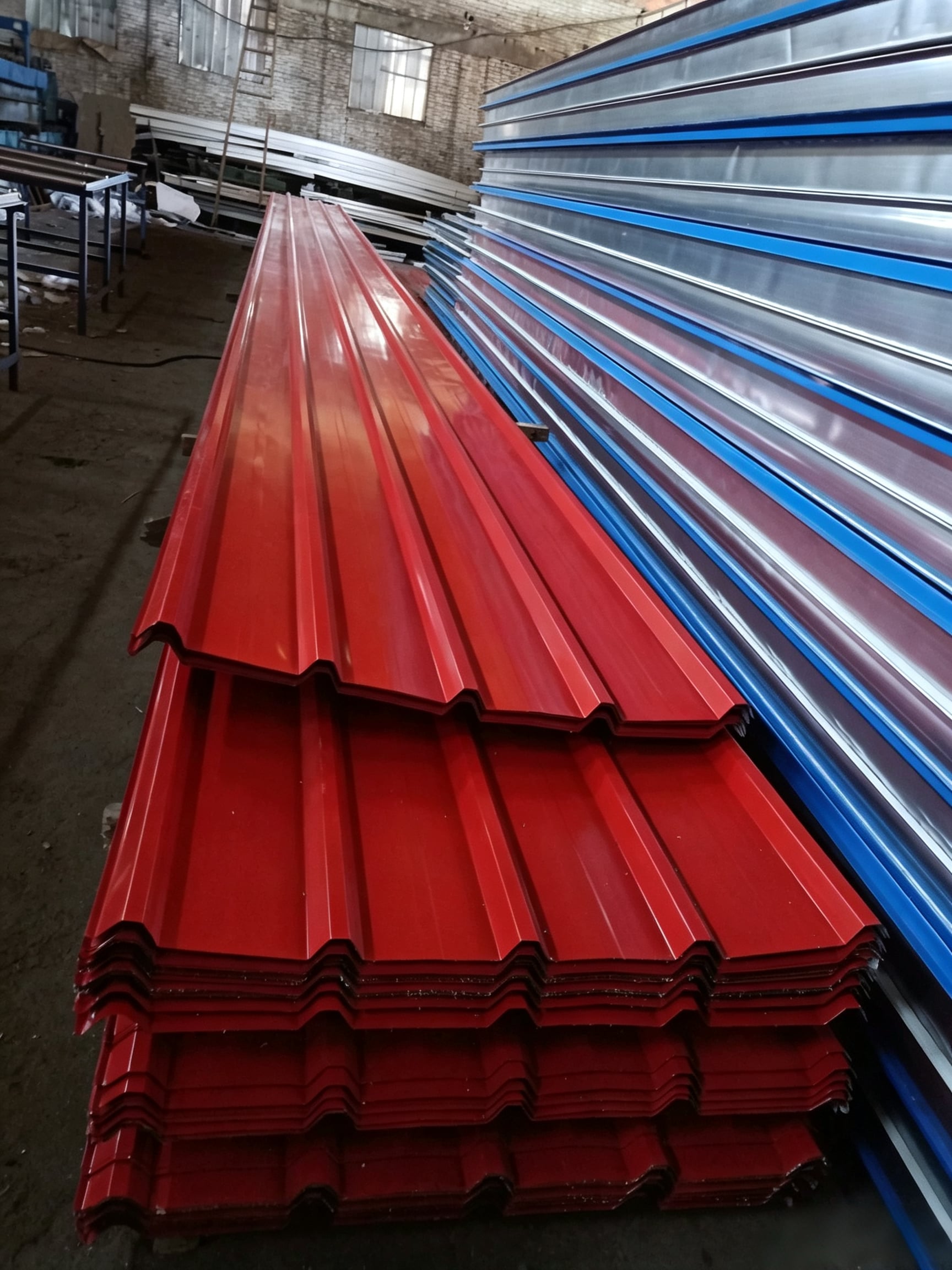
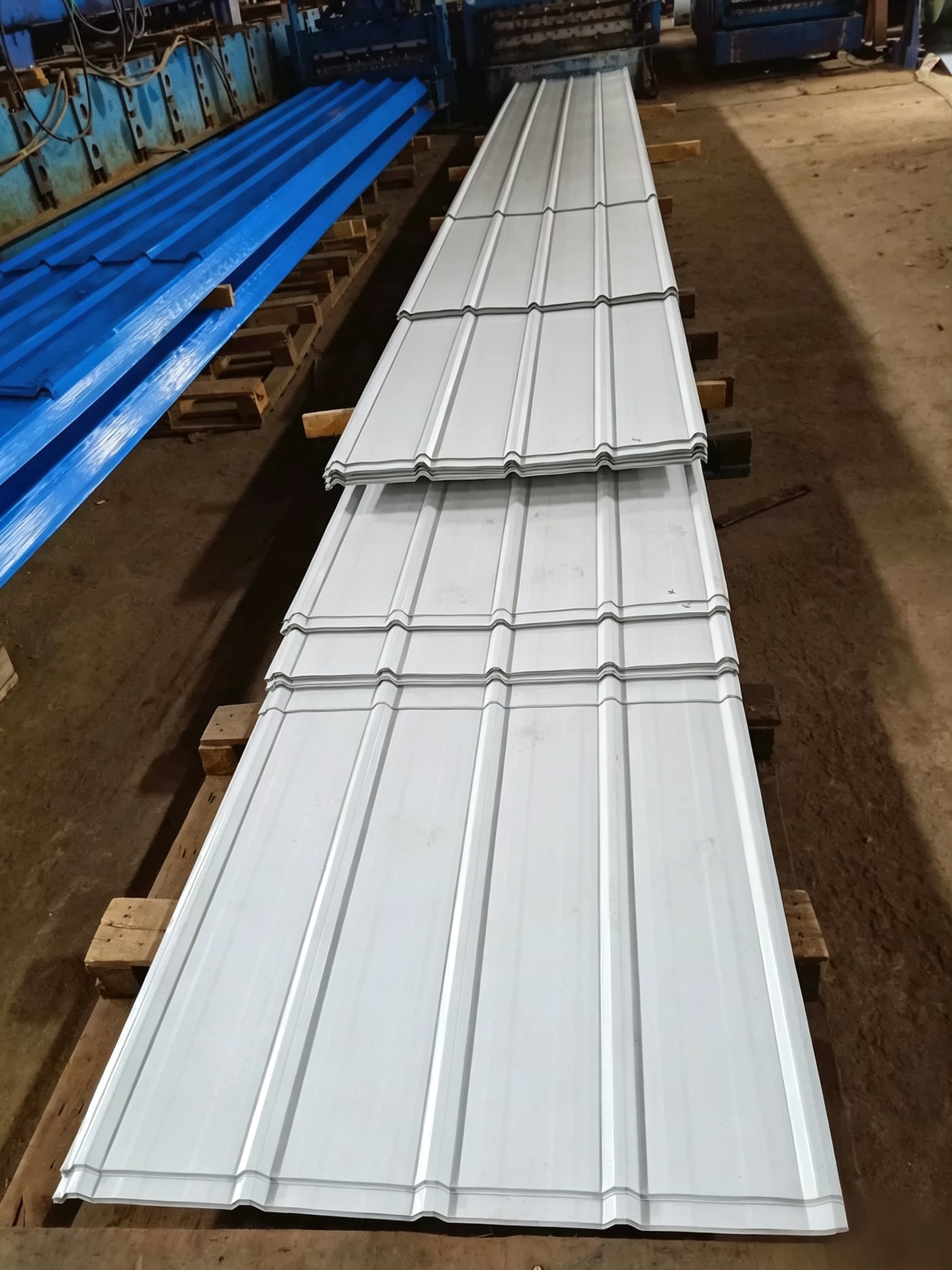
Metal  sheet panels are essential  components in various construction  and manufacturing  projects, providing  durability and  versatility for different applications.  As  a B2B  buyer, understanding the  factors that influence the selection and  performance  of metal sheet  panels is crucial  for making informed purchasing decisions.  This  article will guide you  through the important  considerations when  choosing  metal sheet panels, key specifications for durability, cost-effective options, best practices, and their applications across various industries.

Why choose Xingyuanxing metal sheet panels

Our Products

How to Choose the Right Metal Sheet Panels for Your Projec

Selecting the appropriate metal sheet panels begins with understanding your project requirements, including structural  integrity, aesthetic preferences, and environmental conditions.  Key  considerations include:

Material Type: Metal sheet panels can be made from various materials, such as steel, aluminum, or galvanized iron. Each material offers different properties, such as corrosion resistance, weight, and thermal conductivity. For instance, galvanized steel is often preferred for its strength and protection against rust.


Thickness and Dimensions: The thickness of the panel  affects its strength  and performance. Common thicknesses range from 0.4 mm  to 3 mm. Ensure  that the dimensions align with your project's specifications, as this can impact installation and structural support.

Finish and  Coating: The finish of the  metal sheet panel, including coatings such as paint or  anodizing, can enhance its appearance  and protect against environmental factors. Consider the  expected exposure to moisture,  UV light, and chemicals when selecting a finish.

Customization Needs:  Depending  on your project, you may require panels to be customized for specific dimensions,  colors, or performance characteristics.  Discuss your requirements with the manufacturer to ensure they can meet your specifications.

By carefully assessing these factors, you can select metal sheet panels that not only meet your project  demands  but also contribute to the overall efficiency and longevity of your structure.

Frequently Asked Questions

Our Blog Posts

What Our Partners Say

Key Specifications for Durable Metal Sheet Panels in Construction

Key Specifications for Durable Metal Sheet Panels in Construction

Durability is a crucial factor when  selecting metal sheet panels  for construction. Some key specifications to consider include:

Yield Strength and  Tensile Strength: These parameters determine how much  load a panel can withstand before deforming. Higher yield and  tensile strengths generally indicate better performance under stress. This is particularly important for applications that involve significant  weight or  pressure.

Corrosion Resistance: The ability  of metal panels to resist rust and corrosion is vital for longevity, especially in harsh environments. Look for panels with corrosion-resistant finishes or materials, such as  galvanized steel or coated steel, to extend their lifespan.

Thermal Conductivity: Understanding thermal conductivity  is  important, especially for  energy efficiency in buildings. Metals like aluminum have high thermal conductivity, which may be beneficial or detrimental depending on your insulation strategy.

Impact Resistance: Depending on your application, impact resistance may also be a key concern. Panels  designed to withstand impacts  may have specific treatments or reinforcements that enhance their performance in high-traffic or industrial environments.

Fire  Resistance: In certain applications,  the fire resistance of metal  sheet panels  is critical. Ensure that the panels meet local building codes  and safety regulations.

Evaluating these specifications will  help you select metal sheet panels that are not only durable but also suited to your specific construction needs.

Comparing Metal Sheet Panel Options for Cost-Effective Solutions

Comparing Metal Sheet Panel Options for Cost-Effective Solutions

When comparing metal sheet panels, cost-effectiveness is a primary  concern for many buyers. Here are several factors  that influence pricing:

Material Costs: The type of metal  significantly affects cost. Generally, aluminum panels are more expensive than steel, but they may offer better corrosion resistance and weight savings. Evaluate the trade-offs  between material  costs and the benefits they provide.

Thickness and  Size: Thicker panels may offer  better durability and performance but can also increase costs. Consider whether the added thickness is necessary for your application.

Manufacturing Processes: Different manufacturing methods, such as stamping or  rolling, can affect production costs.  Understanding the supplier's manufacturing capabilities can  help you negotiate better pricing.

Order Quantity: Many suppliers  offer  discounts for bulk orders. Determine  your minimum order quantity (MOQ) and assess how it impacts pricing. If  you anticipate future projects, ordering  in larger quantities can reduce overall costs.


Shipping and Handling: Factor in shipping costs when comparing suppliers. Some manufacturers may have  higher shipping fees due to  distance or packaging requirements, which can affect the total cost of ownership.

By carefully analyzing these factors, you can find metal  sheet panel options that provide  the best balance between cost and performance for your project.

Best Practices

Best Practices

To ensure a successful  procurement and installation process for metal sheet panels, consider the following best practices:


Sample Approval: Before mass production, request samples to verify dimensions, fit, and surface appearance. Testing samples  under  actual operating conditions can help identify  potential issues before  full-scale installation.

Quality Control Checks: Establish quality control processes with your supplier. This may include inspecting panels  for  defects, confirming material specifications, and ensuring that coatings meet performance standards.

Documentation: Maintain clear  documentation throughout  the procurement process,  including specifications, orders,  and communications with suppliers. This helps prevent misunderstandings and ensures that all parties are aligned.

Installation Guidelines: Follow proper installation practices  to maximize  the performance  of metal sheet panels. This includes adhering  to recommended installation methods, ensuring proper sealing, and considering thermal expansion.

Regular Maintenance: Implement a maintenance schedule to inspect and  maintain metal sheet panels. Regular checks can help identify  corrosion, damage, or other issues before they become significant problems.

By following these best practices, you can enhance the reliability and lifespan of your  metal  sheet panels.

Applications of Metal Sheet Panels in Various Industries

Metal sheet panels find widespread use across various industries due to their versatility and durability. Common applications include:

Construction: Used in roofing, wall  cladding, and structural components, metal sheet  panels provide strength and weather  resistance.  They are ideal for commercial  buildings, warehouses,  and residential structures.

Manufacturing:  In manufacturing settings, metal panels are used for machine covers, partitions, and safety barriers. Their robustness makes them suitable for environments with  high traffic or potential hazards.

Transportation: Metal sheet panels are  commonly used in the automotive and  aerospace industries for body panels and structural components, offering weight savings and strength.

Agriculture: In agricultural applications, metal panels are used for  barns, silos, and storage facilities,  providing protection against environmental elements while  maintaining structural integrity.


Energy: Metal sheet panels are utilized  in solar panel frames and wind turbine structures, where durability and performance are critical in  challenging environments. For example, the use of no-concrete galvanized steel floor decks can enhance structural integrity in energy applications.

Understanding the diverse applications of metal sheet panels can help you make informed decisions about their use  in your industry or project, ensuring that you  select the most suitable  options  for your specific needs.