Choosing Light Steel Structures for Your Projects

application/light-steel-structure, application/light-steel-structure, 
Inquiry
Inquiry

light steel structure

Light  steel structures have  gained  significant traction in the construction  industry due to their lightweight, strength,  and versatility. As a purchasing manager  or  engineer, understanding the nuances  of light steel structures  is  crucial for making  informed  decisions  that align with project specifications  and  budget constraints. This article will explore key considerations  when choosing light steel structures, quality evaluation methods for wholesale  purchases, sourcing  factors,  cost-effectiveness, and common  installation challenges along with their solutions.

Why choose Xingyuanxing light steel structure

Our Products

What to Consider When Choosing Light Steel Structures for Projects

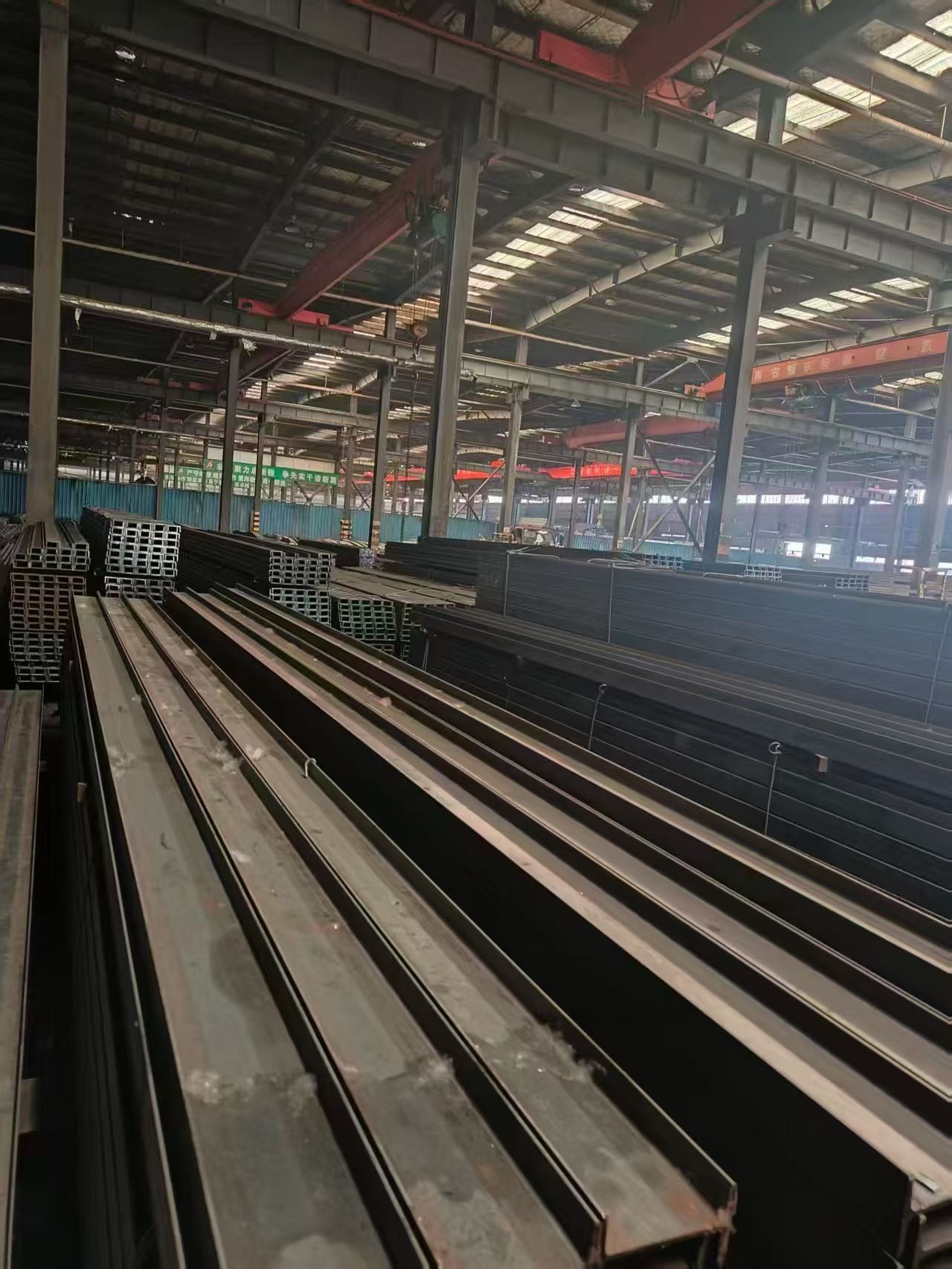
When selecting light steel structures for projects,  consider the intended application, load-bearing requirements,  and environmental conditions. Light  steel structures  are often used in  commercial buildings,  industrial facilities, and temporary  structures due to their adaptability and strength-to-weight ratio. For instance, using Galvanized Several-Shaped Steel Profiles 50*70mm For Greenhouse Frames can enhance the structural integrity of your project.

Material Specifications:  Ensure the steel used is of appropriate grade, typically  ranging from  Q235 to Q345 in China,  which affects the structure's durability  and load capacity. The specific application may dictate the choice of steel thickness  and coating, impacting corrosion resistance.

Design and Engineering: Collaborate with engineers  to ensure that  the design  meets local building codes and standards. Structural integrity is paramount, and using computer-aided  design (CAD)  tools can help visualize the final structure and ensure compliance with safety regulations.

Customization Needs: Determine if custom sizing or structural modifications are necessary for your project. Many manufacturers, such as Tianjin Xingyuanxing Color Steel Structure Co., Ltd., offer bespoke solutions tailored  to  specific project requirements, enhancing overall efficiency.

Frequently Asked Questions

Our Blog Posts

What Our Partners Say

How to Evaluate the Quality of Light Steel Structures for Wholesale

How to Evaluate the Quality of Light Steel Structures for Wholesale

Evaluating  the quality of light steel structures is critical for ensuring long-term performance and safety. Here  are several factors  to assess:

Certifications: Check  for  relevant certifications that indicate compliance with industry  standards.  Common certifications include  ISO 9001 for quality management systems, which  can signal a commitment to consistent quality.

Material Testing: Verify that the manufacturer  conducts rigorous testing of materials, including tensile strength, yield strength, and corrosion  resistance. Request documentation  of test results to confirm these specifications.

Quality  Control Processes: Understand the manufacturer's quality control processes, including inspections during fabrication and assembly. Regular audits and compliance checks can  ensure a  high level of standardization  in production.

Sample Approval: Before  placing a  large  order, request samples to inspect quality firsthand. Evaluate  their dimensions, surface finish, and structural properties under conditions that mimic actual usage.

Key Factors for Sourcing Light Steel Structures

Key Factors for Sourcing Light Steel Structures

Sourcing light steel structures involves assessing various factors to ensure  the best fit for  your project  needs:

Supplier  Reputation: Research potential  suppliers' reputations  within the industry. Look for reviews, case studies, and testimonials that provide insights  into their reliability and service quality.

Production  Capacity: Understand  the supplier's production capacity and lead times. This  can significantly  impact project schedules, especially in large-scale operations where timely delivery is critical.

Minimum Order Quantities (MOQ): Be aware of  the  MOQ requirements, which can vary by supplier. Ensure that your project meets these  quantities to avoid  excess costs.

Logistics and Shipping:  Evaluate the logistics options provided  by suppliers, including shipping methods  and  delivery times. Efficient logistics can reduce downtime and keep projects on  track.

Cost-Effectiveness of Light Steel Structures

Cost-Effectiveness of Light Steel Structures

Cost-effectiveness is a primary consideration when selecting light steel structures. While initial costs  may be higher than traditional  materials, several factors contribute to long-term savings:

Installation  Speed: Light steel structures can be  prefabricated, which reduces on-site construction time. Faster installation  translates to lower labor costs and quicker project completion.

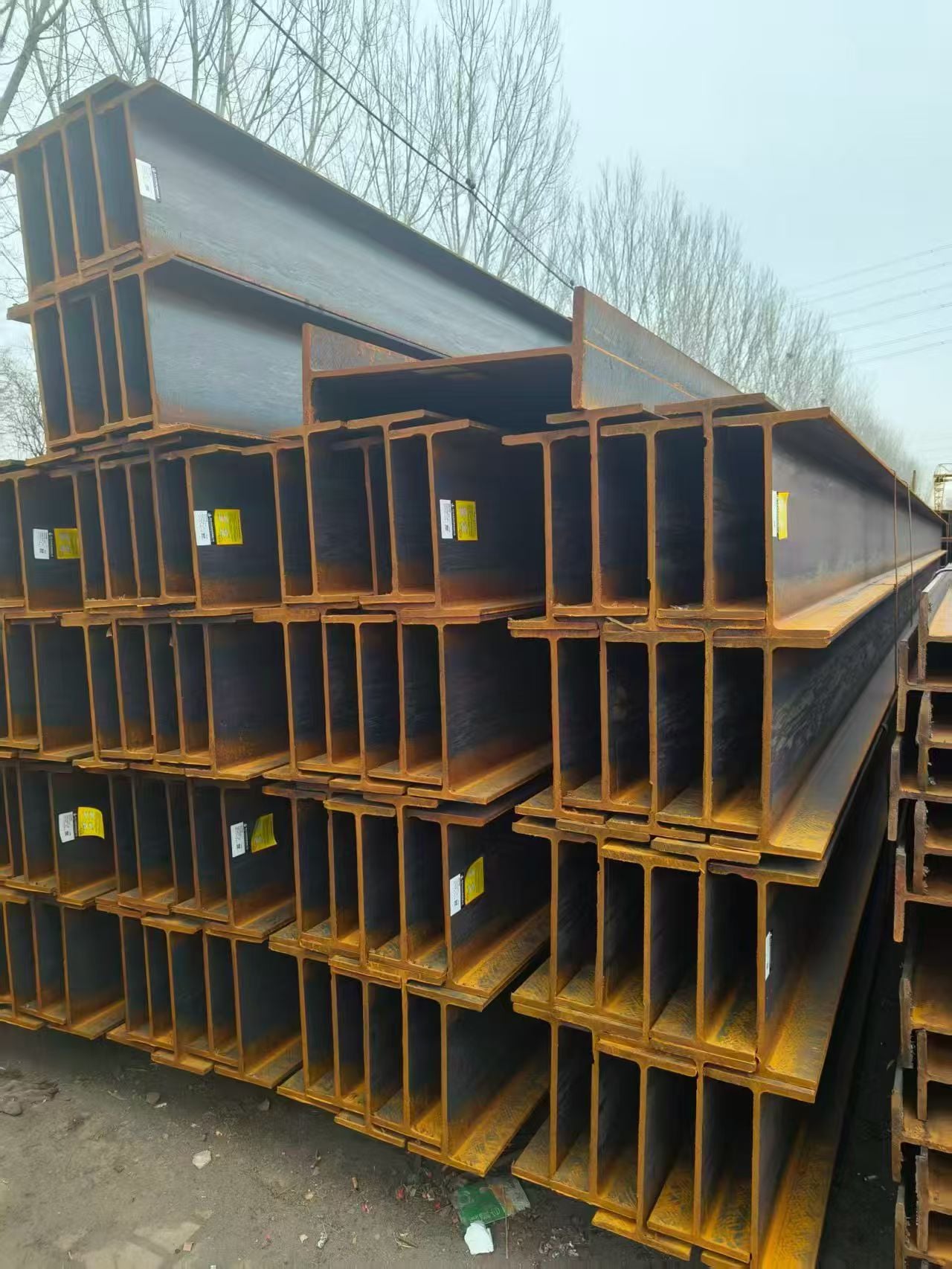
Durability and Maintenance:  The inherent properties of steel offer resistance to pests and rot, leading to lower maintenance costs over time. This durability can justify the initial investment, especially in harsh environments. Consider using Hot-Dip Galvanized I-beam Profiles 10# For Humid Industrial Workshops for enhanced durability in challenging conditions.

Energy Efficiency: Consider the potential for energy savings due to better insulation options available with  light  steel structures.  Enhanced  energy efficiency can contribute  to reduced operational costs  over the structure's lifespan.

Recyclability: Steel is highly recyclable, which  can  provide additional cost  benefits in  terms of  sustainability credits or incentives  when sourcing materials.

Common Problems in Light Steel Structure Installations and Solutions

While light steel structures  offer numerous advantages, challenges  can arise during installation. Here are some common issues and  their solutions:

Misalignment: One of the most frequent problems is misalignment during assembly, which can lead to structural weaknesses. To mitigate this, ensure  precise measurements and use alignment  tools throughout the installation  process.

Corrosion: If not adequately  protected, light steel structures can suffer from corrosion, particularly in humid or coastal environments. Implement protective coatings and regular maintenance schedules to  prolong the lifespan of the structure.

Joint Failure: Insufficiently designed joints can lead to  failure under load. Collaborate  with engineers to  ensure that joint  designs are  robust and tested for the specific loads they will bear.

Inadequate Training: Installation teams must be well-trained in handling  light steel components. Providing proper training  and resources can reduce errors and enhance safety on site.

Light steel structures present a compelling solution for  modern construction challenges, balancing strength, flexibility, and cost-effectiveness. By considering the factors outlined , buyers can  make informed decisions that lead to successful project outcomes. Engaging experienced suppliers,  such as Tianjin Xingyuanxing  Color Steel Structure Co., Ltd., can further enhance project efficiency through  quality products and expert guidance.