Light Steel Structure Warehouse: Key Considerations

application/light-steel-structure-warehouse, application/light-steel-structure-warehouse, 
Inquiry
Inquiry

light steel structure warehouse

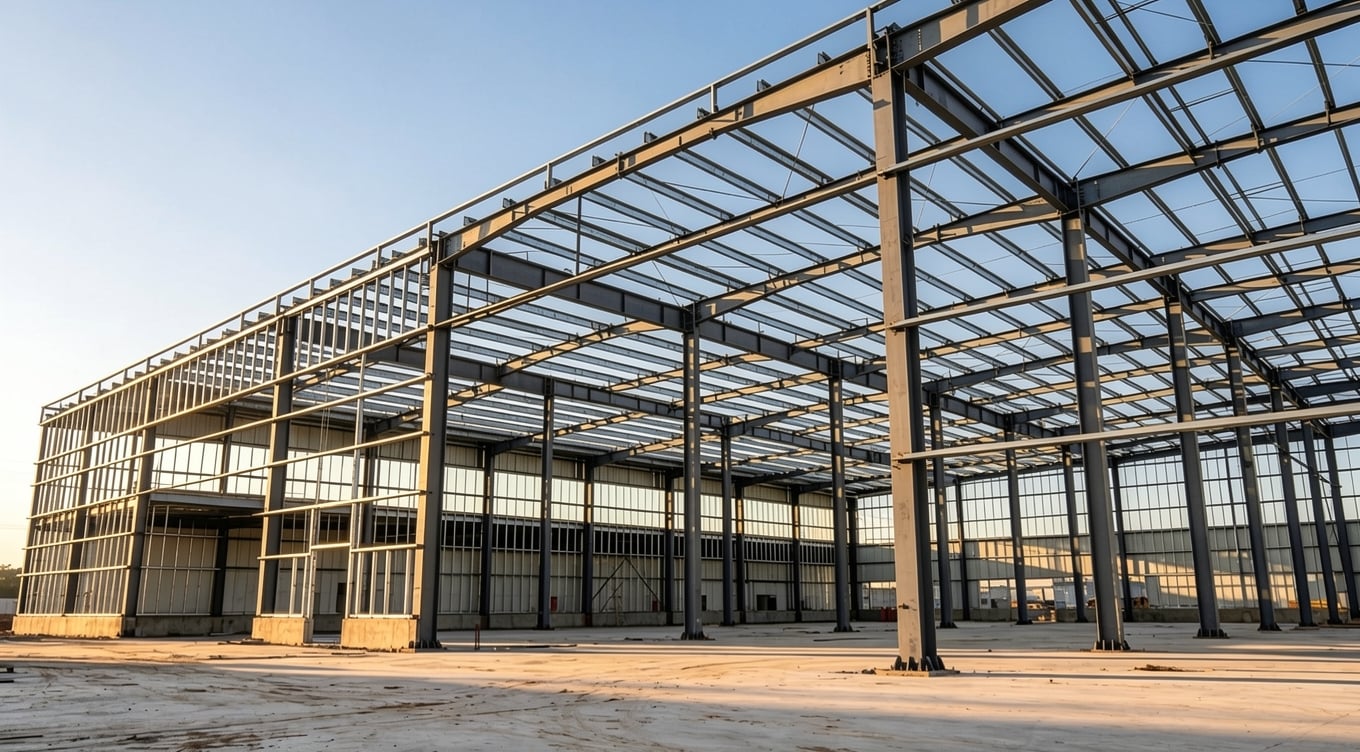
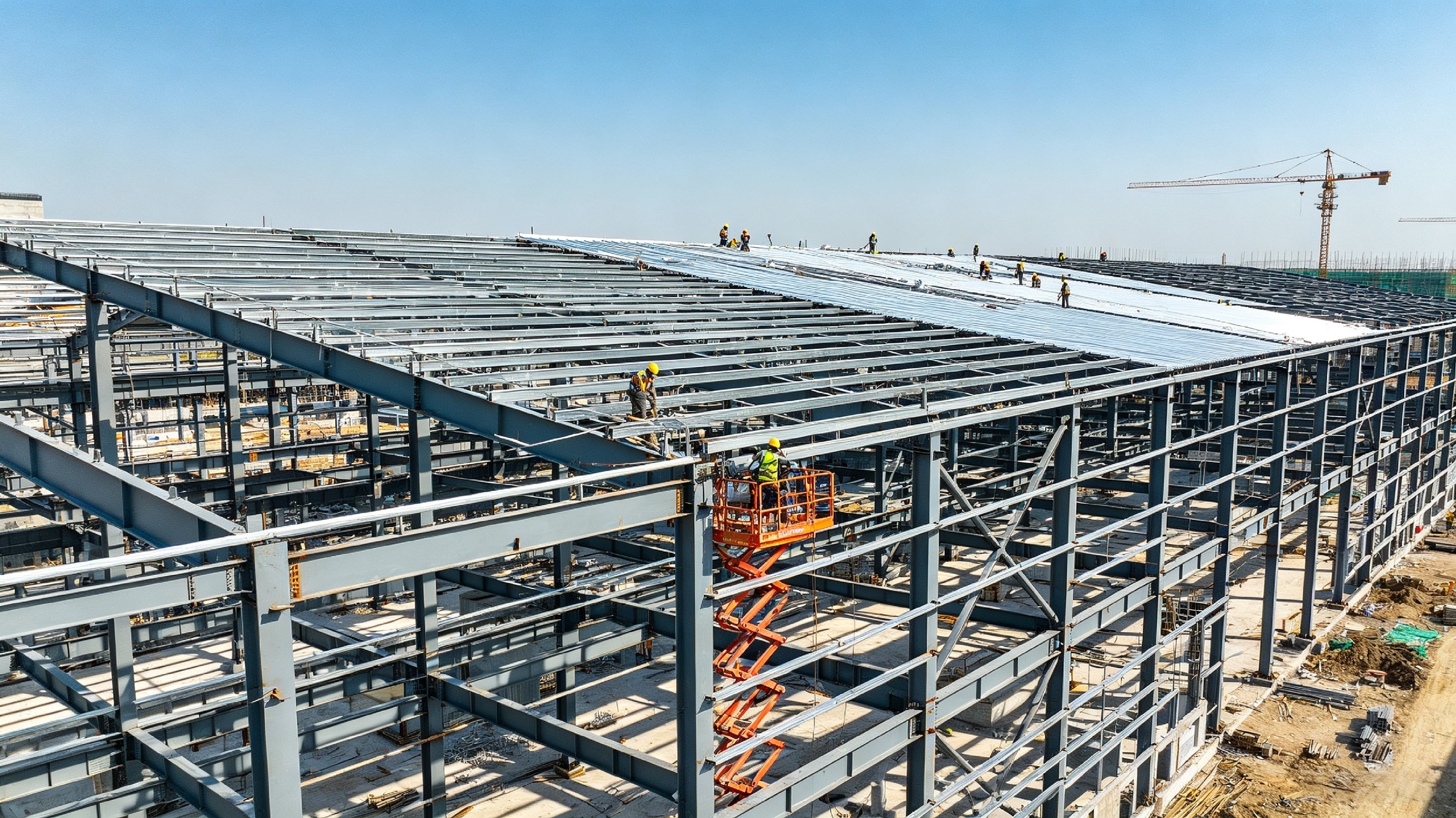
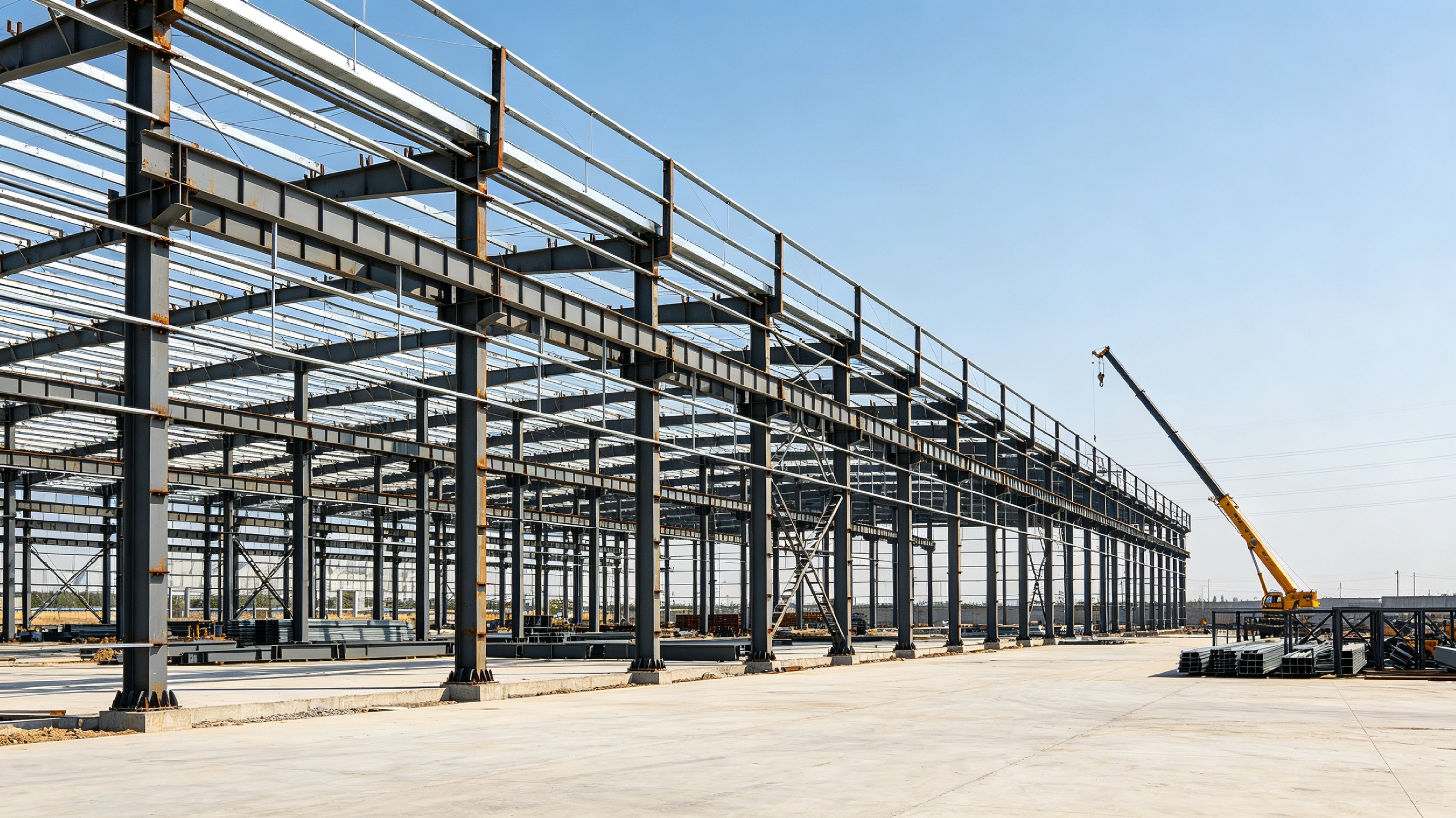
Light steel structure warehouses are becoming increasingly popular  in various industries  due to their versatility, cost-effectiveness,  and quick construction  timelines. As a B2B  buyer, understanding  the  key  factors  that influence the  selection, quality, and application  of  these warehouses is essential to  making  an informed  purchasing  decision. This  article will  explore what to  consider when choosing a light steel structure warehouse, how to evaluate their quality,  their applications for distributors, and common challenges along with effective solutions.

Why choose Xingyuanxing light steel structure warehouse

Our Products

What to Consider When Choosing a Light Steel Structure Warehouse

When selecting a  light steel structure warehouse, several key factors should be considered.  First, define the intended use of the warehouse.  Will it store goods, serve as a manufacturing space, or support logistics operations? This will influence the design and specifications  required.

Next,  consider the structural design, including load-bearing capacity, dimensions, and layout. The warehouse must support the weight of stored goods and accommodate equipment and personnel.  Additionally,  assess the materials used  in the construction.  High-quality steel with  adequate corrosion  resistance  is crucial  for durability, especially in environments prone to moisture or harsh  weather conditions. For instance, Corrosion-Resistant Hot-Dip Galvanized Round Tube Q235B For Greenhouse Bracing provides excellent protection against such elements.

Customization options are also important, as different industries may require specific features such as insulation,  ventilation,  or specific loading docks. Finally, evaluate the  supplier's  experience and reputation. A company with a robust track record, like Tianjin  Xingyuanxing Color Steel Structure Co., Ltd., can offer  valuable insights into construction practices and potential challenges.

Frequently Asked Questions

Our Blog Posts

What Our Partners Say

How to Evaluate the Quality of Light Steel Structures for Your Project

How to Evaluate the Quality of Light Steel Structures for Your Project

Evaluating the quality of light steel structures begins with  material selection. The grade  of steel used affects the  overall strength and  longevity of the warehouse. Look  for suppliers who can  provide  detailed specifications about the  steel's yield strength and tensile strength, as these properties indicate how well the structure  will perform under load.

Next, consider the manufacturing processes employed by the supplier.  Quality control measures should  be in place throughout the fabrication process, including inspections  at each stage  of production.  Request information about the supplier's quality assurance protocols, such as compliance with international standards  or certifications relevant  to steel structures.

Additionally, ask for examples  of previous projects similar to yours. A reputable supplier should be  able to provide case studies or references that highlight their ability to meet quality expectations and deadlines. Finally, consider conducting  a site visit to observe  their manufacturing facilities and understand their operational capabilities firsthand.

Light Steel Structure Warehouses for Distributors

Light Steel Structure Warehouses for Distributors

For  distributors, light steel structure warehouses  offer several advantages, including rapid deployment and  scalability.  Distributors often face the challenge of meeting fluctuating storage demands; a light steel structure can be constructed quickly to accommodate inventory surges.

The modular nature of  these warehouses allows  for  easy expansion or  reconfiguration.  If  your  distribution needs  change, the design  of a light steel structure can be adapted without requiring a complete rebuild. This flexibility is particularly  beneficial in  the fast-paced commercial landscape where efficiency and responsiveness are critical.

Moreover, the cost-effectiveness of light steel structures can  lead to significant savings  in both initial investment and long-term operational costs.  Discussing these  aspects  with suppliers can help ensure that the warehouse meets your specific logistical requirements while staying within budget. Consider options such as Hot-Rolled U-Shaped Channel Steel Q235B For Industrial Equipment Base Support for structural support.

Top Applications for Light Steel Structure Warehouses in Various Industries

Top Applications for Light Steel Structure Warehouses in Various Industries

Light steel  structure warehouses are used across various sectors, thanks  to their adaptability. In the manufacturing industry,  they provide essential  space for production lines and assembly operations. The open layouts  can facilitate efficient workflows and  allow for easy movement  of  materials.

In the retail sector, these warehouses serve as distribution  centers, ensuring products  are stored and dispatched  efficiently. Their  design can support advanced inventory management systems,  which are  crucial for maintaining stock levels and meeting customer demands.

In the agricultural industry,  light steel structures can be used for storage of equipment and agricultural products. Their durability against environmental factors makes them suitable for housing fertilizers, machinery, and harvested  crops.

Additionally, these  warehouses are increasingly utilized in cold storage applications, where temperature control is vital. Insulated  light steel structures can maintain required conditions for perishable goods, making them an ideal choice for  food distribution.


Common Problems with Light Steel Structures and Effective Solutions

While light steel structures  offer many benefits, they are not without challenges. One common issue is corrosion,  particularly in humid or coastal environments. To mitigate this, ensure that the steel is treated  with appropriate protective coatings and that the design incorporates proper drainage to  prevent water accumulation.


Another problem is thermal inefficiency. If  not  designed with adequate insulation, light  steel warehouses can lead to high energy costs.  Buyers should discuss  insulation options  with suppliers, considering factors such as R-value and thermal bridging to  enhance energy efficiency.

Structural  integrity is also a concern; improper installation or inferior materials can compromise safety. Engage with experienced contractors and ensure that  the installation adheres to local building codes  and standards.

Finally, consider the long-term maintenance of the warehouse. Regular inspections and maintenance plans should be established to  address wear and tear proactively.

By understanding  these common issues and working closely with a reliable supplier, such  as Tianjin Xingyuanxing Color Steel Structure Co., Ltd.,  buyers can effectively navigate potential challenges and ensure  a successful project outcome.