Light Steel Buildings: Key Insights for B2B Buyers

application/light-steel-buildings, application/light-steel-buildings, 
Inquiry
Inquiry

light steel buildings

Light steel buildings are increasingly  popular  in  various industries due to  their  durability, flexibility, and cost-effectiveness. As a B2B buyer—whether  you  are a purchasing manager, engineer, or product  manager—understanding  the nuances of light steel  buildings is crucial  for making informed purchasing  decisions. This article will guide  you through wholesale purchasing options, quality evaluation  of  materials, technical  specifications, applications across industries, and essential  considerations you should be  aware of when  investing in light steel structures.


Why choose Xingyuanxing light steel buildings

Our Products

Wholesale Purchasing Options for Light Steel Buildings Explained

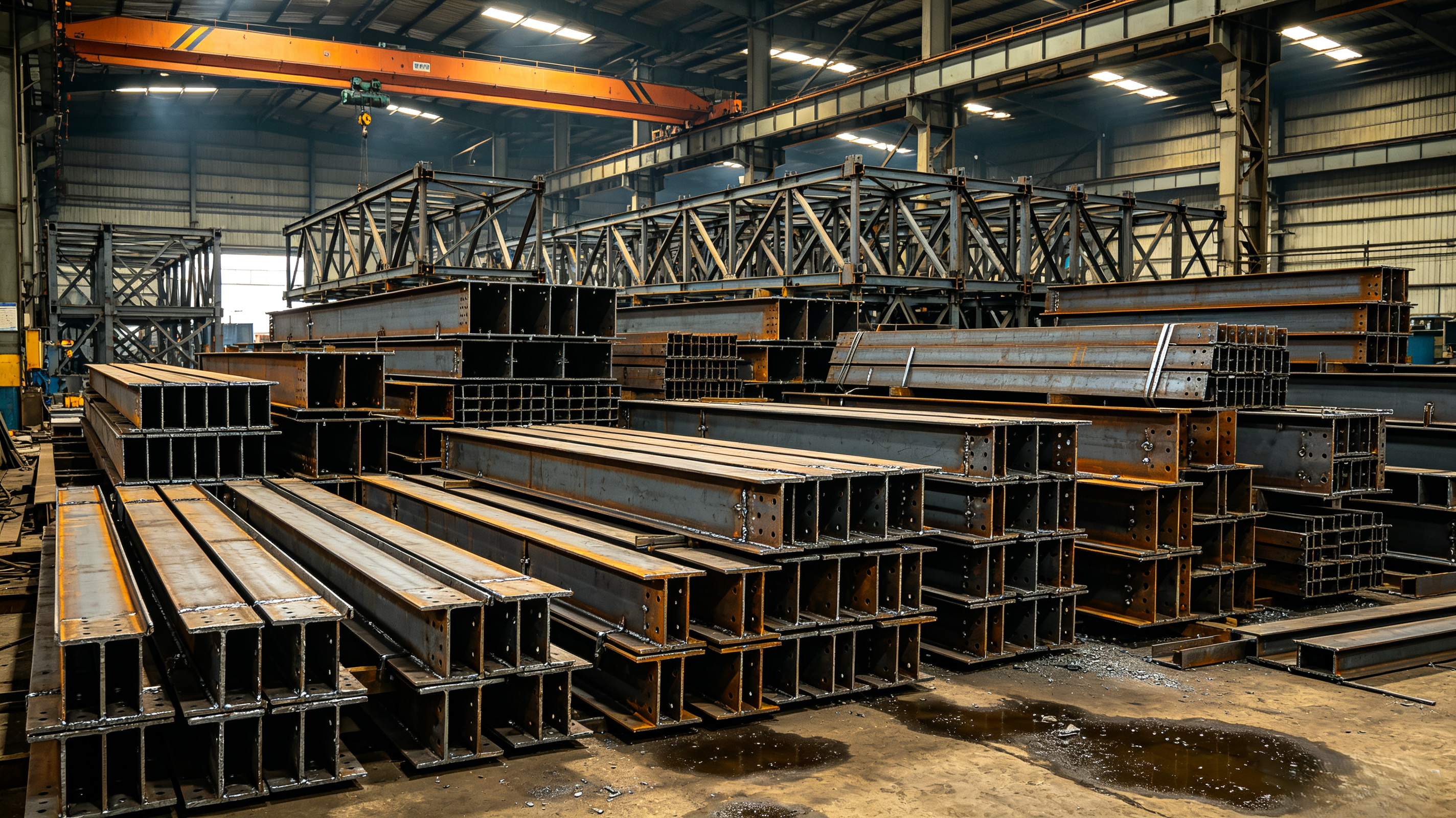
When considering wholesale purchasing options for light steel  buildings, it is essential  to evaluate  suppliers  based on their  manufacturing capabilities, product  range, and experience.  Many suppliers,  including Tianjin Xingyuanxing Color  Steel Structure Co., Ltd., provide a comprehensive  suite of services that can include design, fabrication, and  installation. This integration  can lead  to streamlined communication and better project management. Additionally, consider exploring the Factory building of steel structure options that some suppliers provide to enhance your project.

Typically, wholesale options  allow for bulk discounts, which can significantly reduce your overall  costs. It's important to discuss Minimum Order  Quantities (MOQ) with  your supplier, as this can vary depending on the  specific building designs and materials. Additionally, inquire about lead times and shipping arrangements  to  ensure that your project timeline remains intact.

Frequently Asked Questions

Our Blog Posts

What Our Partners Say

How to Evaluate the Quality of Light Steel Building Materials

How to Evaluate the Quality of Light Steel Building Materials

Quality evaluation of light steel building materials is critical for ensuring structural integrity and  longevity. Buyers should focus on several key aspects:


Material Composition: The steel used should meet specific standards for yield  strength  and tensile strength. Look for certifications or  documentation proving compliance with relevant industry standards.

Coating and Corrosion  Resistance: Steel  components often undergo galvanization or other protective coatings. Evaluate these processes, as they  significantly affect the lifespan of  the building in  various environmental  conditions.

Quality Control Processes: Understand the  supplier’s quality assurance  practices. Effective quality control throughout the  manufacturing process can  prevent defects  that may arise during production.

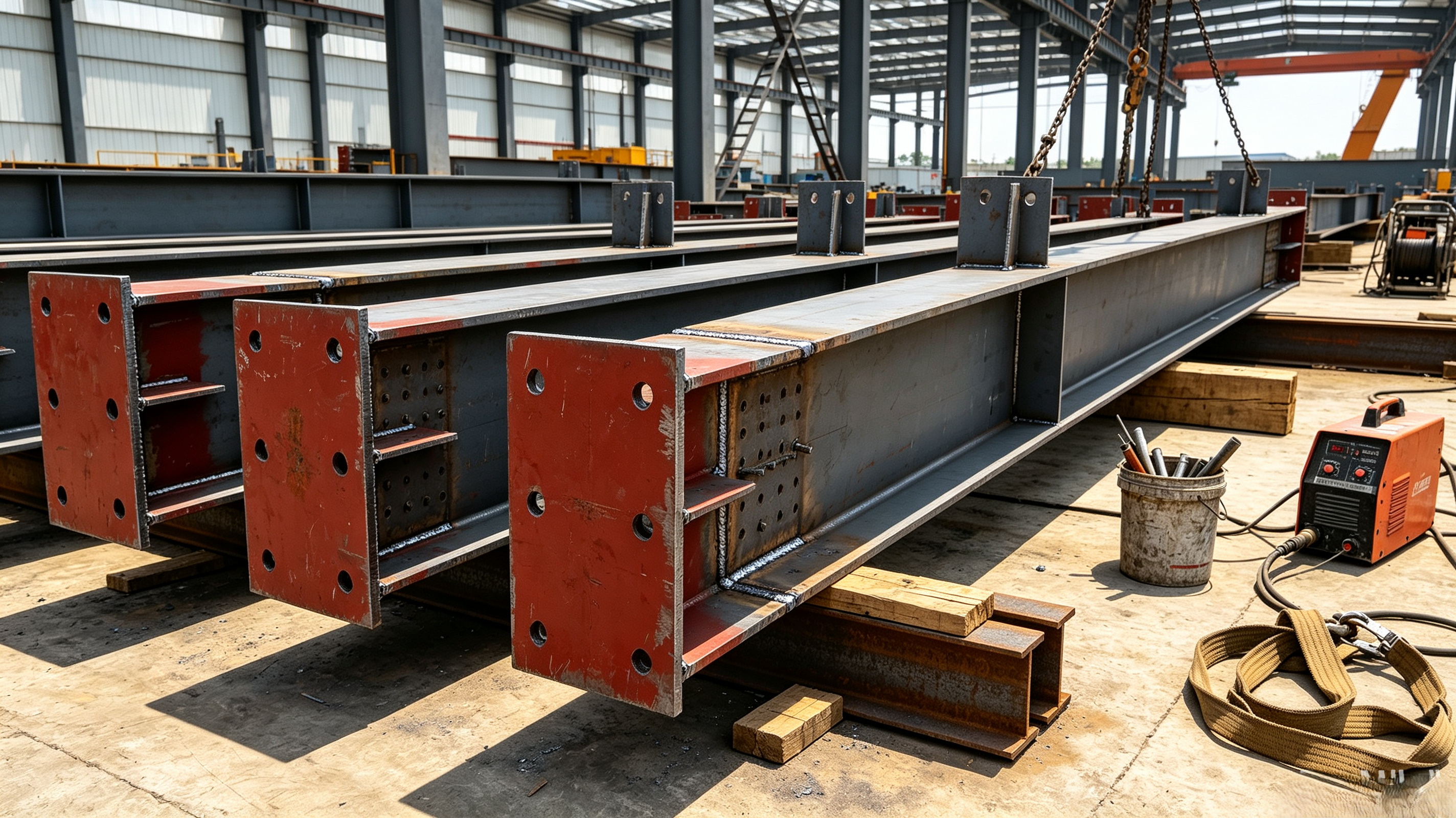
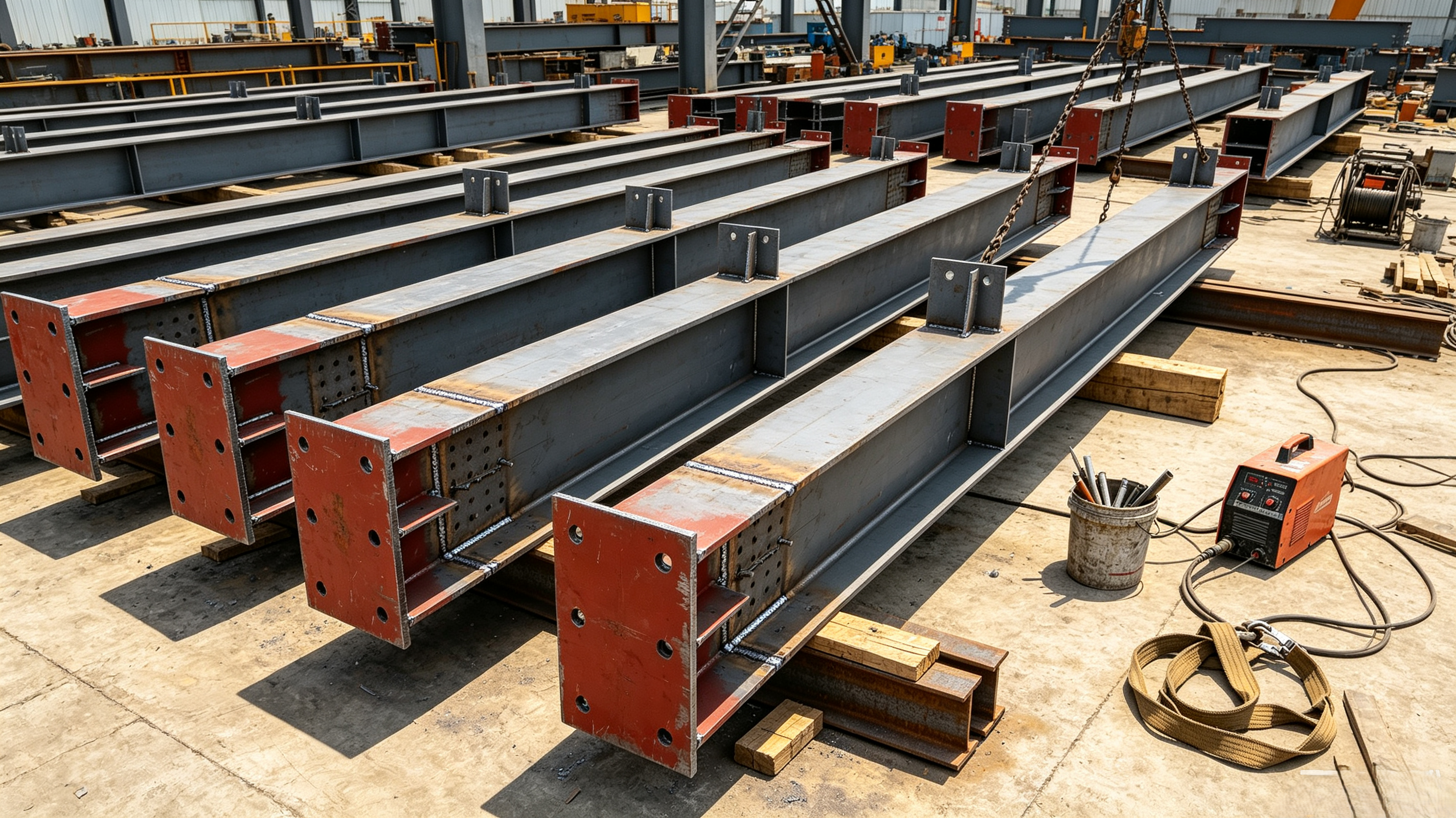
Sample Testing: Request samples for preliminary testing, which can reveal potential issues before full-scale production. This should include assessments of welding quality,  material finish, and dimensional accuracy.

By focusing on these quality indicators, you can  better ensure that the light steel structures you purchase will  meet  your project's demands.

Understanding the Technical Specifications of Light Steel Structures

Understanding the Technical Specifications of Light Steel Structures

Technical specifications for light steel structures often include dimensions, load-bearing capacities, and material thicknesses. Pay  attention to the following key specifications:

Dimensions: Ensure that the  dimensions align with your project  requirements. Light  steel  buildings can be  customized in size, but confirming exact specifications is crucial to  avoid costly modifications later.

Load-Bearing Capacity: Understanding the load requirements—both static and dynamic—is  essential. This affects not only  the  design  but also  the choice of material and construction methods.

Material Thickness: Typically, thickness ranges  from 1.5mm to 3mm, but this should be tailored to the intended use and  environmental conditions. Thicker materials may be  necessary for buildings  exposed to heavy loads or harsh weather.


Connections and Joints: Evaluate the types of  connections used in the assembly of steel components. Properly designed connections can enhance the structural integrity and ease of assembly.

These specifications should be  clearly communicated with your supplier to ensure compatibility with your intended  applications.

Top Applications for Light Steel Buildings in Various Industries

Top Applications for Light Steel Buildings in Various Industries

Light steel buildings are versatile and find applications  across multiple sectors, including:

Commercial Buildings: Retail spaces and office buildings benefit from the quick construction times and design flexibility of light steel structures.

Industrial Facilities: Warehouses and  manufacturing  plants utilize light steel  due to  its strength-to-weight ratio and ability  to  accommodate large open spaces without  the  need for internal columns.


Agricultural Structures: Farm equipment storage, livestock  shelters, and greenhouses can  be efficiently constructed using light steel, providing durability  against environmental challenges.

Residential Projects: As housing demands rise, light steel buildings offer  a sustainable and efficient solution  for residential developments, particularly in  areas prone to natural disasters. For instance, utilizing a well-designed Roof system can significantly enhance the efficiency of residential projects.


By  understanding these applications, you can better  assess how light steel buildings can meet the specific needs of your projects.


What You Should Know

When  considering a purchase of light steel buildings, there  are several practical considerations to keep in mind:

Customization Options: Many suppliers offer customization in design and materials. Clearly communicate your project requirements  to ensure that the final product meets your needs.

Lead Times and Delivery: Understand the  lead times for production and  delivery, as these can vary based  on the size and complexity of the order.

Installation Requirements: Familiarize yourself with the installation processes and any  necessary equipment. Some suppliers  may offer installation services, which can simplify the process  for you.

Maintenance: While light steel buildings require less maintenance than traditional  structures, understanding the maintenance  needs and potential issues, such as rust or corrosion, can help you plan for long-term durability.

By  addressing these considerations,  you can streamline your purchasing process and enhance the overall success of your project.

In summary, light steel buildings represent  an  efficient, durable, and adaptable  solution for various industrial  and commercial applications. By understanding wholesale purchasing options, evaluating  material quality, mastering technical specifications, and recognizing applications, you can make informed decisions that align with your project requirements.  As always, maintain open communication with your supplier  for the best outcomes.