Galvanised Corrugated Sheets: Key Insights for Buyers

application/galvanised-corrugated-sheets, application/galvanised-corrugated-sheets, 
Inquiry
Inquiry

galvanised corrugated sheets

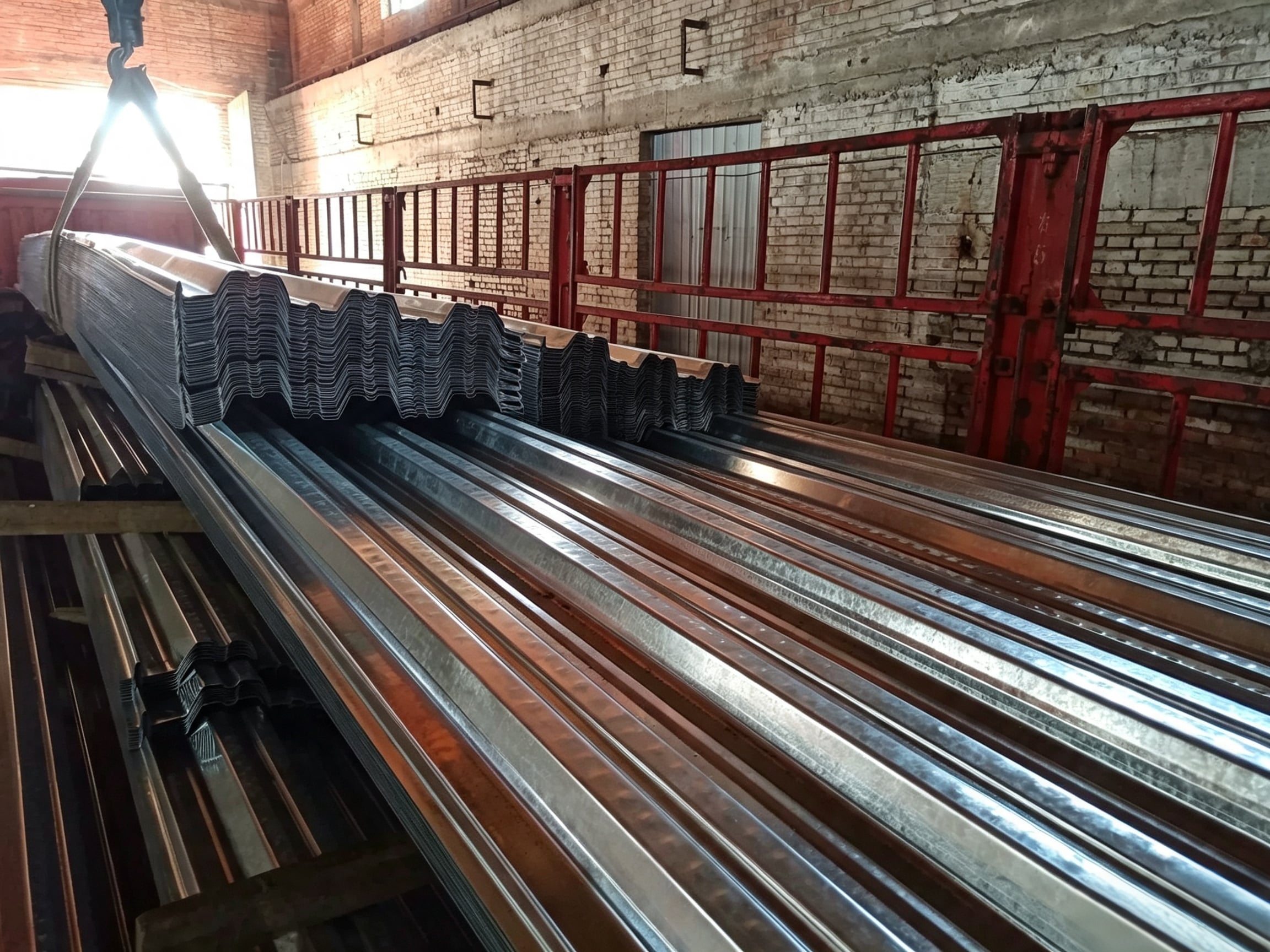
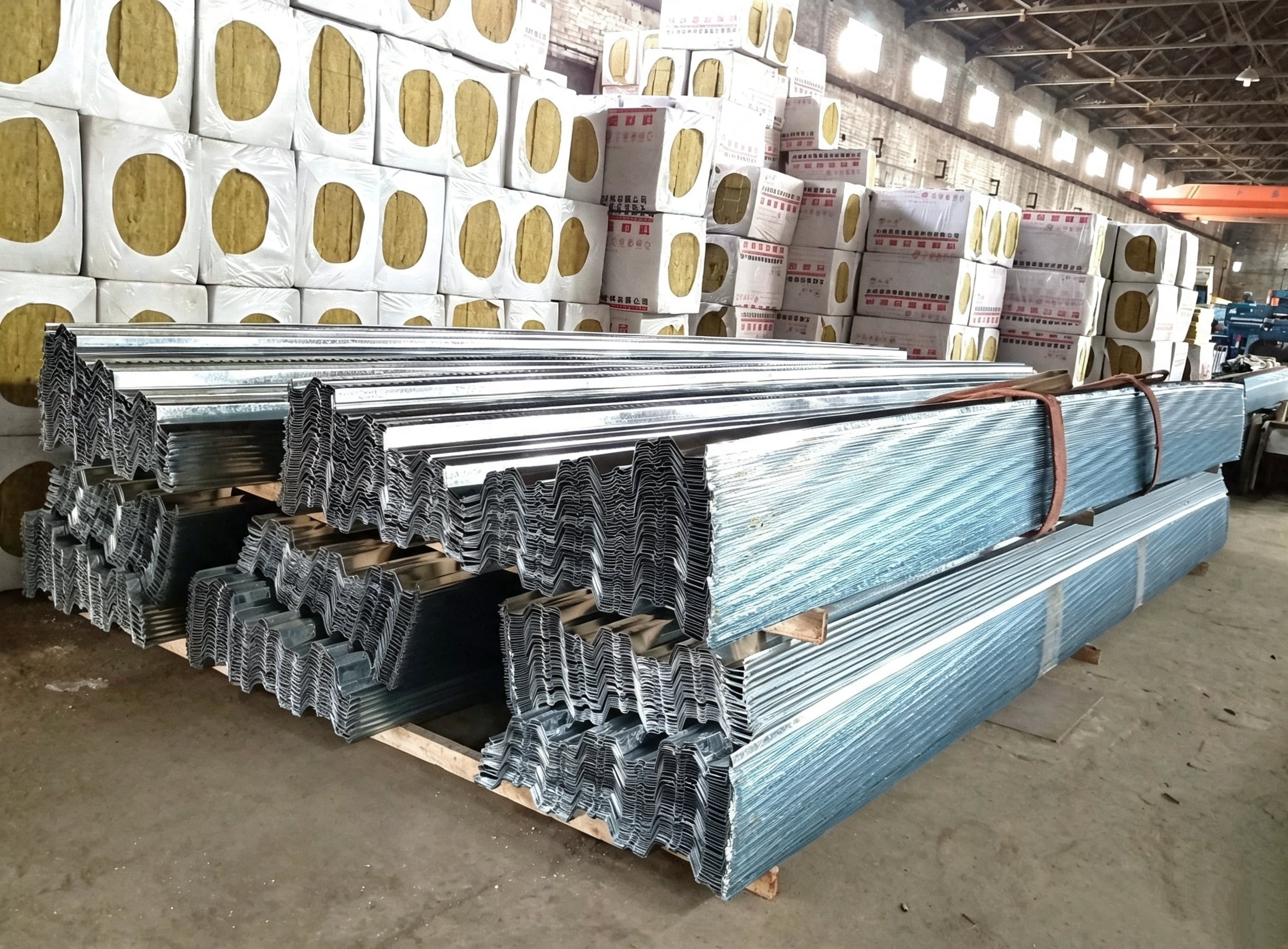
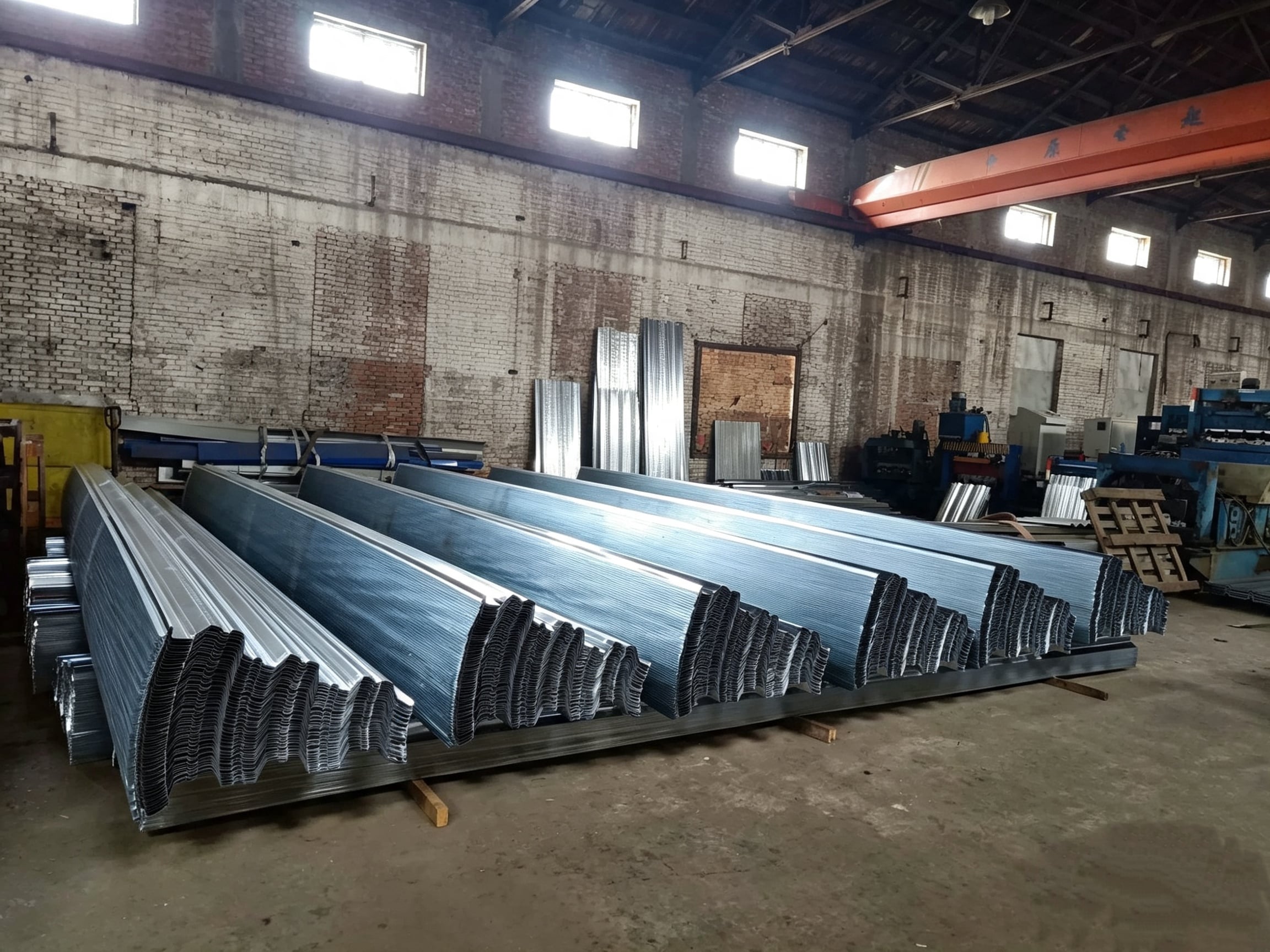
Understanding galvanised corrugated sheets is essential  for B2B buyers  in construction and manufacturing  sectors. These sheets  are  a  popular choice for  roofing and  walling due  to their durability and  corrosion resistance.  This article aims to  address key concerns  of purchasing  managers, distributors, and  engineers regarding specifications, cost factors, installation challenges, advantages, and application  scenarios  of  galvanised corrugated sheets, ultimately  guiding informed purchasing decisions.


Why choose Xingyuanxing galvanised corrugated sheets

Our Products

Understanding Galvanised Corrugated Sheet Specifications for Wholesale Buyers

When considering galvanised corrugated sheets, buyers must pay close attention to several critical specifications. The thickness of  the sheet, often measured in gauge,  affects its strength and suitability for various applications. Common gauges for galvanised sheets range from 0.3 mm to 1.2 mm, with thicker sheets offering greater durability for demanding environments. Additionally, for those looking for materials for constructing durable structures, Hot-Dip Galvanized I-beam Profiles 10# For Humid Industrial Workshops can be an excellent choice.

Another vital specification is  the width and length of the  sheets. Standard widths typically vary from 600 mm to 1200 mm, while lengths can  be customized according to project needs. Buyers should also check the  profile of  the corrugation, which impacts both aesthetic appeal and  structural performance.

The galvanisation process, which involves coating the steel with zinc to prevent rust, is also crucial. A higher zinc coating thickness  results in better corrosion resistance, an essential  factor for sheets exposed to harsh weather conditions. Buyers should  request details  on  the galvanisation standard, typically measured in  grams per square meter  (GSM), to ensure  adequate protection.  

Lastly, understanding the material  properties, such as tensile strength and yield strength, is  essential for ensuring the sheets  can withstand local load  requirements and environmental conditions.

Frequently Asked Questions

Our Blog Posts

What Our Partners Say

Evaluating the Cost Factors of Galvanised Corrugated Sheets for Distributors

Evaluating the Cost Factors of Galvanised Corrugated Sheets for Distributors

Cost evaluation for galvanised corrugated  sheets involves multiple factors. Firstly, material costs fluctuate based on global steel prices, which can significantly impact the final price.  Distributors should monitor market  trends to anticipate changes in pricing.

Secondly, the thickness  and quality of galvanisation can affect pricing. Sheets with higher  gauge and thicker zinc coatings typically command higher prices due to their enhanced performance and longevity. No-Concrete Galvanized Steel Floor Deck Q235B For Rapid Mezzanine Construction may also be considered for projects requiring rapid deployment.

Another consideration is the  order quantity. Most manufacturers have a minimum order quantity (MOQ) that can influence pricing tiers.  Bulk orders  generally allow for better pricing per unit; however, buyers should ensure that  the order aligns with their inventory and project needs to avoid  excess stock. 


Transportation and logistics also play a role in cost. The proximity  of  the supplier to the project  site can reduce shipping expenses, and buyers should consider local suppliers when possible to  minimize costs and  lead times.

Lastly, customization options,  such as specific lengths and profiles, can  add to the price. Buyers should  weigh the benefits of  customization against their budget constraints and project requirements.

Common Installation Problems with Galvanised Corrugated Sheets and Solutions

Common Installation Problems with Galvanised Corrugated Sheets and Solutions

Installing galvanised corrugated sheets can present several challenges. One common issue is  misalignment during installation, which can lead to gaps that allow water ingress.  To mitigate this,  it’s crucial to ensure proper measurements and alignments during the installation process.  Using a chalk line can help maintain straight  edges.


Another challenge  is the potential for corrosion at fastener points. It’s essential to use appropriate fasteners made from compatible materials, such as  stainless steel,  to  prevent galvanic corrosion. Additionally, applying a sealant to the fastening points can  enhance water resistance.

If sheets are not adequately supported, they may  sag  or warp over time. Proper spacing of  purlins and supports is vital to maintaining the integrity of the roofing or wall structure.  

Lastly, buyers should consider weather conditions during  installation.  Extreme temperatures can affect the expandability of the metal, potentially leading to stress points.  It’s advisable to install  sheets during moderate weather conditions  and allow  for thermal expansion by leaving appropriate gaps.

The Advantages of Using Galvanised Corrugated Sheets in Construction

The Advantages of Using Galvanised Corrugated Sheets in Construction

Galvanised corrugated sheets  offer numerous advantages that make  them a  preferred choice in construction. Their primary benefit is their excellent corrosion resistance, thanks to the galvanisation process, which extends  their lifespan significantly compared to untreated  steel.

Additionally, these sheets are lightweight, making them easier to handle and install, thereby reducing labor costs. Their structural strength allows them to withstand high wind  loads and other environmental stresses, which is particularly beneficial in regions prone to severe weather.

The versatility of galvanised corrugated sheets is another advantage. They can be  used in  various applications, including  roofing, siding, and even as partitions  in industrial settings. Their aesthetic appeal  is enhanced by  a range of color  options and finishes, enabling them to  blend seamlessly with various architectural styles.

Moreover, galvanised sheets are cost-effective. Their durability translates to lower maintenance costs over time, and their recyclability makes them an environmentally  friendly  option. Buyers can  also benefit from the standardized nature of these sheets, which simplifies  procurement and  reduces lead times.


Application Scenarios for Galvanised Corrugated Sheets in Various Industries

Galvanised  corrugated sheets are versatile  and widely used across several industries. In construction, they are commonly employed for  roofing and  cladding in  residential, commercial, and industrial buildings, offering durability and  weather resistance.

In agriculture, these sheets  serve as roofing for barns and storage facilities, protecting livestock and equipment from the elements. Their lightweight nature makes them easy to  transport  and install, a significant advantage in rural settings.

The manufacturing sector  utilizes galvanised sheets for machinery covers, partitions, and storage solutions. The sheets' resistance to  corrosion ensures that they maintain their integrity in environments where exposure to moisture and chemicals is common.

Additionally, galvanised corrugated sheets are increasingly used in the transport and logistics industries  for shipping containers and  storage units. Their strength and lightweight properties contribute to lower transportation costs and enhanced load efficiency.

Finally, in  the  energy sector,  these sheets are often used for constructing solar  panel mounts and wind turbine towers, where  strength and resistance to harsh conditions are  paramount.  

By understanding the diverse applications of galvanised corrugated sheets, buyers can better assess their suitability for specific projects  and industries.